 Preview
 Send
Send Share
Share
 Details

 Download
 Similars
 X-Ray
X-Ray Diaporama
Allegory of Discord
 Acrylic On Canvas
- WallArt
- Early Renaissance
 1477
1477 50.0 x 67.0 cm
 Victoria and Albert Museum
 Read More
Giclée / Art Print
Museum-quality giclée or canvas print with fast production and flexible finish options. ( Buy Hand Made Painting Buy Image)




P118B $10

P118H $10

P118W $10

P438Z $10

P508JH $12

P508YH $12

P805H $10

P805Z $10

P919BZ $10

P919G $10

P919XJ $10

P959ZH $10

P968JZ $12

W106C $8

W218G $10

W218JH $8

W218Y $10

W307PJ $10

W316G $10

W316PJ $8

W316Y $10

W398PJ $8

W4111J $10

W500HY $15

W500JH $15

W692G $12

W849H $8

W940BG $15

W953PJ $8




Pick from our preset sizes that match the artwork's original proportions.

You may enter your own dimensions to fit a specific frame or space. If your selected size does not match the original image's proportions, we will either crop the artwork or extend the image with a mirrored or solid-fill edge. A digital mockup will be sent for your approval before production begins.
Please note that the on-screen preview does not reflect the actual cropping or extension. Only the mockup will accurately show the final composition.
While custom sizes are available, we recommend selecting a dimension from the predefined list to preserve the original proportions.
Worldwide Delivery () in 2 weeks instead of standard 4/5 weeks. (22 August)

Free Worldwide Express Shipping

High-Quality Linen Canvas

Full Shipping Insurance

Customs Tax Refund Guarantee

True Color Matching Guarantee

60-Day Return Policy (Defects Only)

100% Money-Back Guarantee

Bulk Discount Offer
 Glass option is only available in size under 110 CM

Allegory of Discord
Giclée / Art Print
Reproduction Size
-


Total Price
$ 63
Collectible Description
The Dramatic Echoes of Conflict – Francesco di Giorgio Martini’s Allegory of Discord
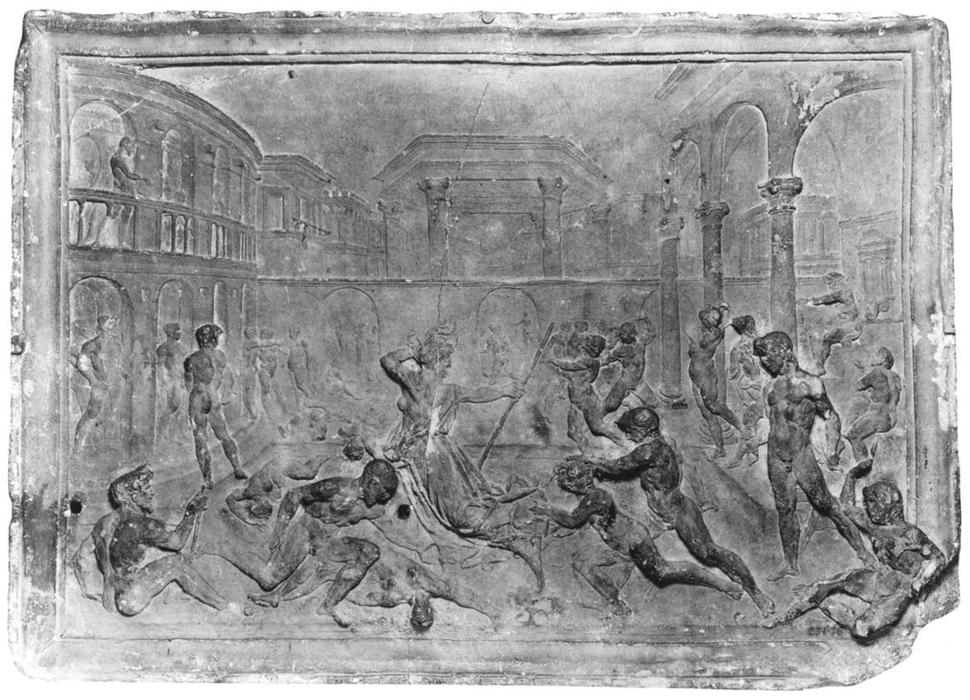
Within the heart of the Florentine Renaissance, a period defined by both artistic innovation and turbulent political currents, emerged a work that embodies the very essence of human discord: Francesco di Giorgio Martini's “Allegory of Discord.” Completed around 1477, this remarkable marble relief sculpture, now housed in the Victoria and Albert Museum in London, isn’t merely a depiction of a battle; it’s a visceral exploration of strife, ambition, and the precarious balance between order and chaos. Martini, a true polymath – an architect, engineer, painter, and theorist – infused this piece with his profound understanding of both the physical world and the complexities of human nature, creating an artwork that continues to resonate centuries later.

A Roman Vision – Composition and Technique
The sculpture immediately commands attention with its dynamic composition. Martini masterfully employs a flattened perspective, characteristic of relief carving, to create an illusion of depth within the confines of the marble block. The scene unfolds as a chaotic maelstrom of figures locked in mortal combat—gladiators wrestling, gesturing dramatically, and collapsing in defeat. The musculature of these warriors is rendered with astonishing anatomical accuracy, reflecting Martini’s deep understanding of human form, honed through his architectural studies. Notice the deliberate use of strong lines – particularly evident in the outlines of the bodies and the architecture behind them – which not only define shape but also convey a sense of urgency and movement. The texture of the marble itself is meticulously rendered, mimicking the rough surface of stone carving with visible tool marks and subtle variations in shading, adding to the sculpture’s tactile quality.
Symbolism Woven into Chaos
Beyond its immediate depiction of gladiatorial combat, “Allegory of Discord” is rich in symbolic meaning. The scene can be interpreted as a microcosm of Roman society – a reflection of political intrigue, military conflict, and the ever-present threat of civil war. The figures themselves represent various aspects of this turmoil: ambition, betrayal, violence, and despair. The architecture behind the gladiators—a series of columns and buildings—suggests a portico or colonnade, a common setting for public spectacles in ancient Rome. This architectural backdrop reinforces the idea that the conflict is not merely personal but embedded within the broader context of Roman power and governance. The overall impression is one of overwhelming chaos, yet Martini skillfully orchestrates this disorder to create a compelling narrative about the destructive forces at play.
A Renaissance Polymath’s Legacy
Francesco di Giorgio Martini was more than just a sculptor; he was a visionary artist and intellectual who profoundly influenced the course of Renaissance art. His work demonstrates a remarkable synthesis of classical ideals with humanist principles, reflecting his deep engagement with both ancient Roman sculpture and contemporary artistic trends. His architectural theories, documented in meticulously detailed drawings and treatises, reveal an innovative approach to urban design—a concept that anticipated many of the principles of modern city planning. Martini’s “Allegory of Discord” stands as a testament to his multifaceted genius – a powerful and enduring artwork that captures the drama, complexity, and inherent contradictions of the human condition. It's a poignant reminder of the ever-present struggle between harmony and discord, order and chaos, within both the individual psyche and the wider world.
Further Exploration
Related Artworks

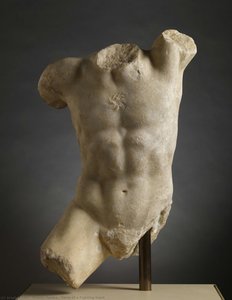
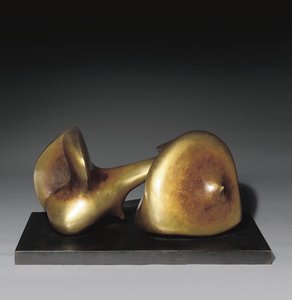
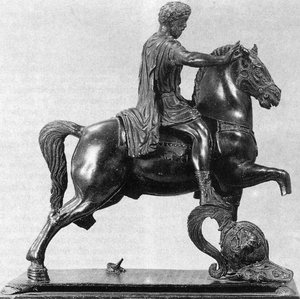
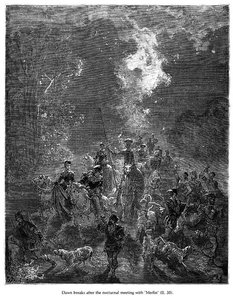

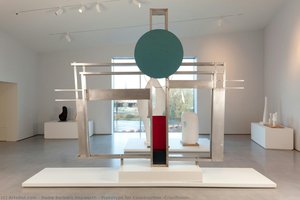
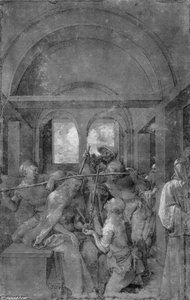

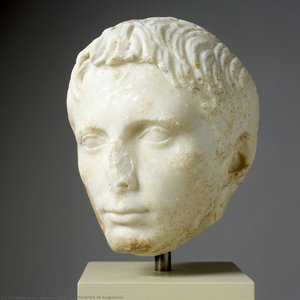
Artist Biography
The Renaissance Polymath: The Life and Vision of Francesco di Giorgio Martini
In the vibrant tapestry of the Italian Quattrocento, few figures loom as large or as multifaceted as Francesco di Giorgio Martini. A true homo universalis, his intellect spanned the boundaries between the ethereal beauty of fine art and the rigorous precision of engineering. Born in Siena in 1439, Martini emerged from a period of profound cultural transformation, where the shadows of the Middle Ages were being chased away by the light of humanism. His life was not merely a career in art, but a lifelong pursuit of understanding the underlying geometry of the universe, whether expressed through the delicate brushstroke of a Madonna or the fortified walls of an ideal city.
Martini’s artistic journey began under the watchful eye of Vecchietta, a master of the Sienese School whose style favored rhythmic, frieze-like compositions. While his early training instilled in him a deep respect for religious iconography and the graceful traditions of Siena, Francesco possessed an unquenchable thirst for innovation. He looked beyond the local traditions toward the burgeoning Florentine interest in linear perspective and classical antiquity. This intellectual curiosity allowed him to transcend the decorative nature of his predecessors, infusing his works with a newfound psychological depth and a sophisticated command of spatial relationships that would later echo the genius of Leonardo da Vinci.
A Synthesis of Spirit and Structure
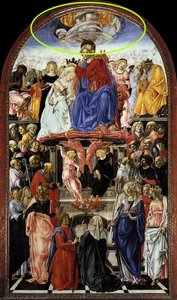
The breadth of Martini’s creative output is nothing short of staggering. As a painter, he possessed a rare ability to marry the divine with the tangible. In masterpieces such as Madonna and Child with Saints and Angels, one observes a profound tenderness paired with a rigorous structural clarity. His religious works, including the monumental Coronation of the Virgin for the Siena Cathedral, demonstrate his capacity to synthesize classical grandeur with the emotive power required by sacred art. He did not merely depict holy figures; he placed them within a world that felt architecturally sound and physically present.
However, to view Martini solely through the lens of a painter is to miss the heartbeat of his true genius. His contributions to architecture and military engineering were equally transformative. Through his Trattato di architettura, he provided much more than mere technical drawings; he offered a visionary blueprint for the città ideale—the ideal city. His detailed illustrations and manuscripts reveal a mind obsessed with the harmony of proportion and the strategic necessity of defense. In these sketches, we see the seeds of modern urban planning, where beauty and utility exist in a delicate, calculated balance.
Legacy of an Architectural Visionary
The historical significance of Francesco di Giorgio Martini lies in his ability to bridge the gap between the artist's intuition and the engineer's logic. He was a man who saw no distinction between the grace of a sculpted limb and the strength of a stone bastion. His influence rippled through the Renaissance, shaping the way subsequent generations approached the concept of design as an integrated discipline. His life, which concluded in Siena in 1502, left behind a legacy that continues to resonate in the study of both art history and architectural theory.
To reflect on his enduring impact, one might consider the following pillars of his greatness:
- Mastery of Perspective: His role in transitioning Sienese art from decorative tradition to the spatial depth of the High Renaissance.
- Architectural Innovation: The development of theoretical frameworks for urban design and fortification that influenced centuries of engineering.
- Humanist Integration: The seamless blending of classical anatomical study with religious devotion and scientific inquiry.
- The Polymathic Ideal: Serving as a definitive model for the Renaissance creator, where art, science, and intellect are inseparable.
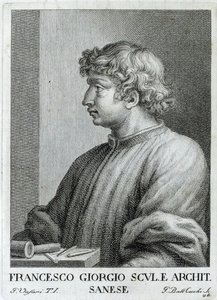
Francesco di Giorgio Martini
1439 - 1502 , Italy
Quick Facts
- Artistic Movement Or Style: Renaissance
- Artists Or Movements Influenced By This Artist: ['Leonardo da Vinci']
- Artists Who Influenced This Artist: ['Andrea del Verrocchio']
- Date Of Birth: Sept. 23, 1439
- Full Name: Francesco Maurizio di Giorgio Martini
- Nationality: Italian
- Notable Artworks:
- Nativity
- Coronation of the Virgin
- Place Of Birth: Siena, Italy
Related Articles
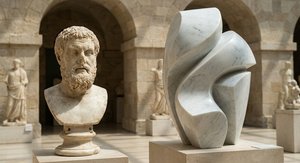
The Enduring Allure of Marble in Art History: From Classical Sculpture to Modern Abstraction
Explore the captivating history of marble sculpture from ancient Greece to modern art. Discover renowned artists like Canova & Michelangelo, carving techniques, and investment insights at ArtsDot.

Bronze Sculptures That Defined Art History | ArtsDot
Journey through art history with our Top 10 bronze sculptures! Explore masterpieces by Rodin, Michelangelo & more. Discover stories behind iconic statues and find museum-quality reproductions for your home decor at ArtsDot.com.

The Enduring Form: Exploring Themes & Techniques in Sculpture Across Historical Periods
Explore the rich history of sculpture from ancient masterpieces to contemporary innovations. Discover key techniques, influential artists & investment potential for discerning art collectors.
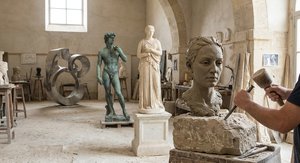
The Enduring Form: Sculpture Across History, Technique & Emotional Resonance
Explore the rich history of sculpture with ArtsDot. Discover key techniques, influential artists & investment potential for discerning collectors. Expert insights into valuing and collecting timeless masterpieces.
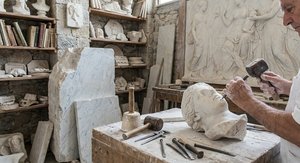
The Enduring Legacy of Marble: A Comprehensive Exploration of Technique, Symbolism & Artistic Expression
Explore the rich history of marble sculpture from antiquity to the Renaissance! Discover key techniques, influential artists & enduring themes in classical art. Expert insights for collectors and enthusiasts at ArtsDot.