 Preview
 Send
Send Share
Share
 Details

 Download
 Similars
 X-Ray
X-Ray Diaporama
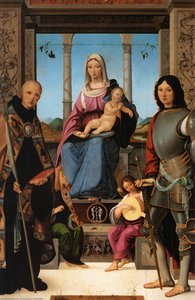
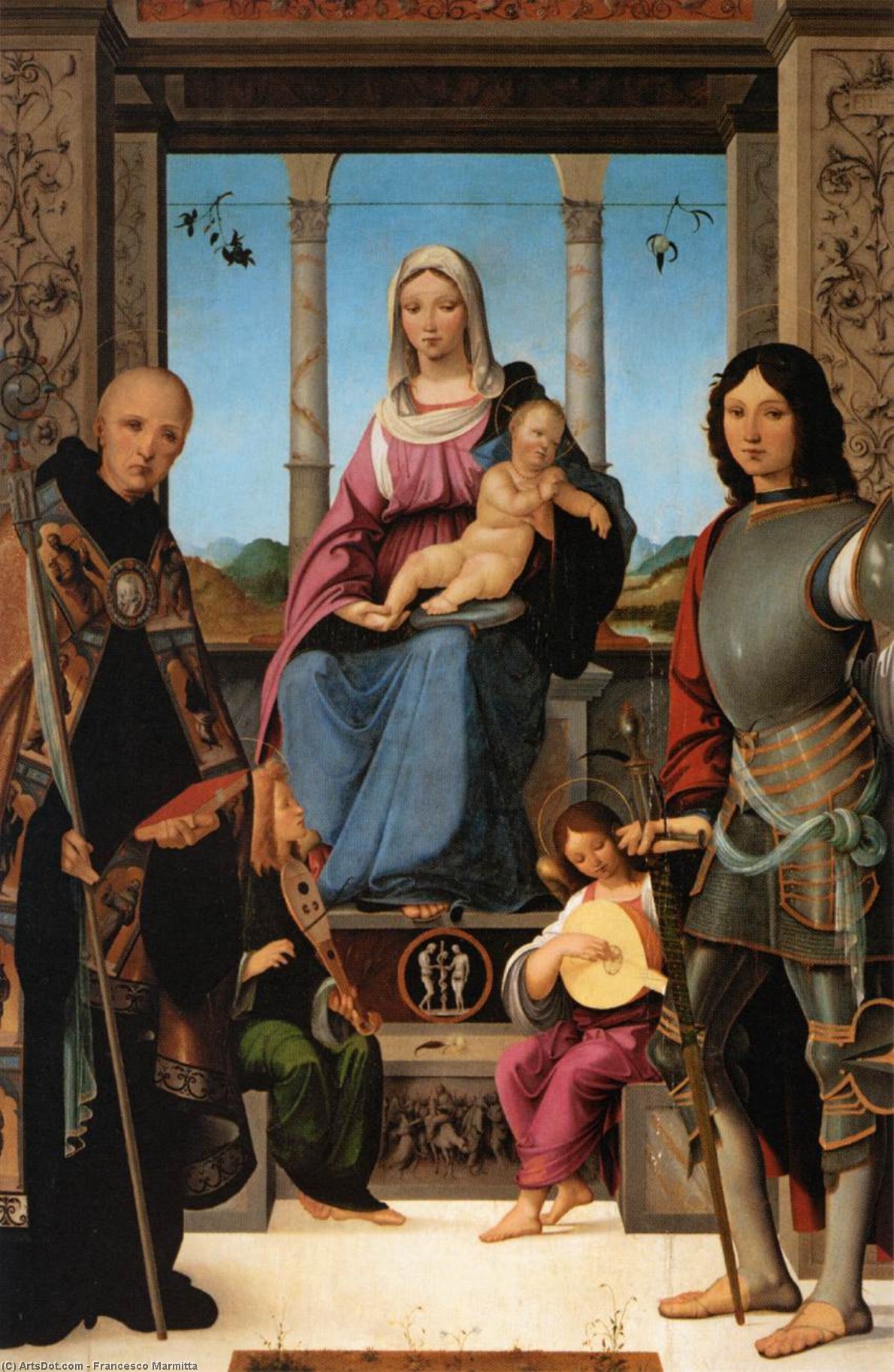
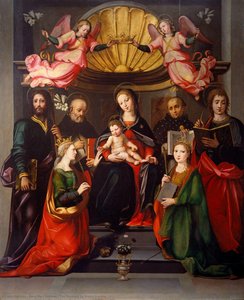
Virgin and Child Flanked by Sts Benedict and Quentin
 Oil On Canvas
- WallArt
- Renaissance
 1500
1500- Renaissance
 220.0 x 138.0 cm
 The Louvre
 Read More
Hand Made Oil Reproduction
Hand-painted oil on canvas in your size and frame, made to order by our artists. ( Buy Print Buy Image)




P118B $10

P118H $10

P118W $10

P438Z $10

P508JH $12

P508YH $12

P805H $10

P805Z $10

P919BZ $10

P919G $10

P919XJ $10

P959ZH $10

P968JZ $12

W106C $8

W218G $10

W218JH $8

W218Y $10

W307PJ $10

W316G $10

W316PJ $8

W316Y $10

W398PJ $8

W4111J $10

W500HY $15

W500JH $15

W692G $12

W849H $8

W940BG $15

W953PJ $8




Pick from our preset sizes that match the artwork's original proportions.

You may enter your own dimensions to fit a specific frame or space. If your selected size does not match the original image's proportions, we will either crop the artwork or extend the painting with additional hand-painted elements. A digital mockup will be sent for your approval before production begins.
Please note that the on-screen preview does not reflect the actual cropping or extension. Only the mockup will accurately show the final composition.
While custom sizes are available, we recommend selecting a dimension from the predefined list to preserve the original proportions.
After order, ArtsDot.com team will email client for instructions and provide a mockup preview
Worldwide Delivery () in 3/4 weeks instead of standard 5 weeks. (16 August). No compromise on quality.

Free Worldwide Express Shipping

High-Quality Linen Canvas

Full Shipping Insurance

Customs Tax Refund Guarantee

True Color Matching Guarantee

60-Day Return Policy (Defects Only)

100% Money-Back Guarantee

Bulk Discount Offer
 Glass option is only available in size under 110 CM

Virgin and Child Flanked by Sts Benedict and Quentin
Reproduction Medium
Reproduction Size
-


Total Price
$ 263
Artwork Description
A Divine Gathering in Renaissance Splendor
Behold this magnificent depiction of the Virgin and Child, flanked by two venerable saints, Sts Benedict and Quentin. This painting is not merely a representation of sacred figures; it is a carefully orchestrated vision of devotion, rendered with the exquisite grace characteristic of the Italian Renaissance. The composition immediately draws the eye to the central grouping—the tender bond between Mary and Jesus—while the flanking saints anchor the scene in piety and historical continuity. Set against an architectural backdrop suggested by classical columns, the entire tableau feels both monumental and intimately sacred, inviting the viewer into a moment suspended outside of time.
Mastery of Form and Light: Technique and Style
The hand of Francesco Marmitta, active around the turn of the sixteenth century, is evident in every delicate brushstroke. While the specific techniques employed would have involved tempera or early oil mediums typical of the period, the resulting effect speaks to a profound understanding of human anatomy and drapery. Observe how the light seems to emanate from within the scene itself, softly illuminating the rich folds of Mary's garments and highlighting the youthful perfection of the Christ Child. The inclusion of symbolic objects, such as the two guitars—one near the lower left and another towards the upper right—adds a layer of narrative depth, suggesting music or perhaps the arts accompanying divine revelation. Marmitta’s style here balances idealized beauty with palpable human emotion.
Symbolism Woven into Sacred Narrative
The figures themselves are rich with meaning. The Virgin Mary embodies grace and maternal devotion, while the Christ Child radiates nascent divinity. Flanking them, Sts Benedict and Quentin serve as spiritual guides, their presence lending authority and patronage to the central mystery. In Renaissance art, such groupings were designed not just for contemplation, but for instruction. Each saint carries a symbolic weight, connecting the divine narrative to the lives of devout patrons. The architectural setting further elevates the scene, suggesting that this sacred event takes place within a timeless, ordered cosmos.
A Timeless Presence for Modern Adoration
To bring this piece into your home or gallery is to invite a profound sense of history and spiritual calm. Its scale, measuring 220 x 138 cm, allows it to function as a breathtaking focal point in any grand reception room or devotional space. For those who appreciate the meticulous detail of Italian Renaissance painting—the subtle modeling of flesh, the richness of the textiles, the harmonious arrangement of figures—this reproduction offers an unparalleled opportunity. It is more than decoration; it is a wearable piece of sacred art, allowing the enduring narrative and exquisite craftsmanship of Marmitta to resonate within your contemporary life.
Related Artworks


Artist Biography
A Parma Master: Unveiling the World of Francesco Marmitta
Francesco Marmitta, a name resonating softly within the annals of Renaissance art, remains an enigmatic figure despite possessing a distinctive and captivating style. Born in Parma, Italy, sometime between 1462 and 1466, Marmitta flourished during a period of intense artistic innovation, leaving behind a modest yet remarkably beautiful body of work that hints at a profound talent. His life, shrouded in relative obscurity, is pieced together through surviving artworks and scant historical records, painting a portrait of an artist deeply embedded within the cultural fabric of his city while simultaneously exhibiting influences from broader Italian artistic currents. His father’s profession as a merchant – dealing in wool and wax – offers a glimpse into the world that shaped the young Marmitta, a world of material richness and skilled craftsmanship which likely informed his later pursuits as both painter and jeweler.Early Life and Artistic Formation
The Parma of Marmitta's youth was undergoing significant transformations, experiencing a burgeoning artistic scene fueled by patronage from powerful families like the Bentivoglio. While details regarding his formal training remain elusive, it is widely believed that he absorbed influences from Ferrarese masters, particularly Ercole de’ Roberti. De’ Roberti’s distinctive style – characterized by expressive figures, dynamic compositions, and a keen attention to detail – is clearly discernible in Marmitta's early works. This influence manifested not only in the rendering of forms but also in a shared interest in narrative complexity and emotional intensity. Beyond de’ Roberti, Marmitta demonstrated an aptitude for manuscript illumination, suggesting a meticulous approach to artistry honed through painstaking work with miniature details. This skill would become a hallmark of his paintings, imbuing them with a delicate precision and refined aesthetic sensibility. He wasn't solely dedicated to large-scale works; the intimate nature of illuminated manuscripts reveals a comfort in smaller formats and a dedication to intricate design.A Synthesis of Styles: Painting and Jewelery
Marmitta’s artistic output encompassed both painting and jewelry, a combination that speaks to his versatility and mastery of diverse techniques. His paintings, though relatively few in number, are characterized by a unique blend of Ferrarese dynamism and Lombard realism. The *Virgin and Child with Saints Benedict and Quentin*, originally created for the church of San Quintino in Parma and now housed in the Louvre, stands as perhaps his most significant achievement. This altarpiece exemplifies his ability to create harmonious compositions filled with expressive figures and a palpable sense of devotion. The delicate modeling of faces, the rich color palette, and the intricate details of the saints’ garments all contribute to its captivating beauty. Beyond this major work, fragments of other paintings and drawings offer further insight into his evolving style. His skill as a jeweler likely informed the meticulous detail present in his painted works, particularly in the rendering of fabrics and ornamentation. The precision required for crafting precious objects undoubtedly translated into a heightened sensitivity towards texture and form within his painting practice.Known Works and Artistic Legacy
While Marmitta’s oeuvre is not extensive, the surviving artworks provide compelling evidence of his talent and artistic vision. The *Leaf from Rangoni Bentivoglio Book of Hours*, held at the Walters Art Museum, showcases his mastery of manuscript illumination, demonstrating a refined aesthetic sensibility and delicate precision. Several miniatures in the state library in Kassel also bear his signature style, revealing a distinctive approach to composition and color. Three pen and ink drawings in the British Museum suggest an awareness of the burgeoning work of Raphael, indicating that Marmitta was engaged with contemporary artistic developments beyond his immediate circle. Despite this engagement, he maintained a unique stylistic identity, blending influences from various sources into a cohesive and recognizable aesthetic. His works are not numerous enough to define a school or widespread movement; however, they represent a significant contribution to the regional art of Parma during the Early Renaissance.Historical Significance and Rediscovery
For centuries, Francesco Marmitta remained largely unknown outside of scholarly circles. However, recent scholarship has begun to shed light on his life and work, recognizing him as an important figure in the artistic landscape of northern Italy. His paintings offer a valuable glimpse into the religious and cultural sensibilities of Parma during the late 15th and early 16th centuries. The rediscovery of his works has also prompted renewed interest in the broader Ferrarese-Lombard artistic tradition, highlighting the interconnectedness of regional styles during the Renaissance. While much remains unknown about Marmitta’s life and career, his surviving artworks stand as testaments to his talent, skill, and enduring artistic vision – a quiet master whose legacy continues to unfold with each new discovery and scholarly investigation.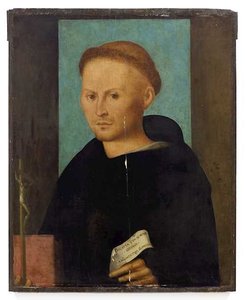
francesco marmitta
1460 - 1505 , Italy
Quick Facts
- Artistic Movement Or Style: Renaissance Art
- Artists Or Movements Influenced By This Artist: ['Raphael']
- Artists Who Influenced This Artist: ['Ercole de’ Roberti']
- Date Of Birth: ca. 1460
- Date Of Death: about 1505
- Full Name: Francesco di Marco Marmitta da Parma
- Nationality: Italian
- Notable Artworks: ['Virgin and Child Flanked by Sts Benedict and Quentin']
- Place Of Birth: Parma, Italy
Related Articles

Giclée Prints: Archival Quality & Aesthetic Nuances for the Discerning Collector
Explore the world of giclée prints with ArtsDot. Learn about archival quality, aesthetic nuances & investment potential. Expert guidance for discerning art collectors seeking museum-quality reproductions and lasting value.

Echoes of Time: Exploring the Enduring Appeal & Historical Context of Vintage Art Prints
Explore the captivating world of vintage art prints! Discover their history, collecting tips & enduring appeal. Expert insights on chromolithography and building a legacy collection with ArtsDot.

The Enduring Legacy of Fine Art Prints: Technique, History & Aesthetic Impact
Explore the rich history & techniques of fine art prints. Discover investment potential, assess authenticity, and learn how to preserve your collection with expert guidance. Trusted insights for discerning collectors.

The Enduring Legacy of Printmaking: Techniques, Themes & Artistic Innovation Across Centuries
Explore the rich history of printmaking with ArtsDot. Discover techniques from intaglio to lithography, learn about collecting valuable prints & find museum-quality reproductions. Expert insights for art enthusiasts and collectors.
The Enduring Legacy of Woodblock Printmaking: Technique, History & Artistic Expression
Explore the rich history of woodblock printmaking – from ancient techniques to Ukiyo-e masterpieces. Discover expert insights on collecting, preserving & appreciating this enduring art form.