 Preview
 Send
Send Share
Share
 Details

 Download
 Similars
 X-Ray
X-Ray Diaporama
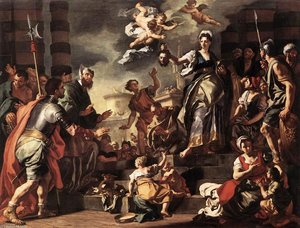
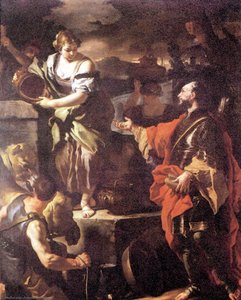
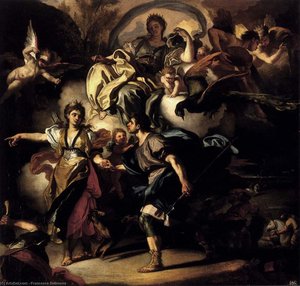
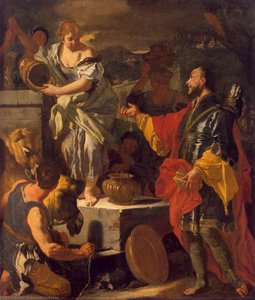
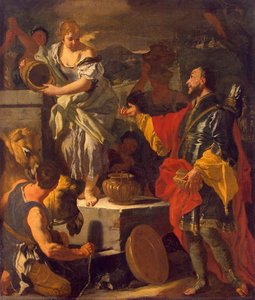
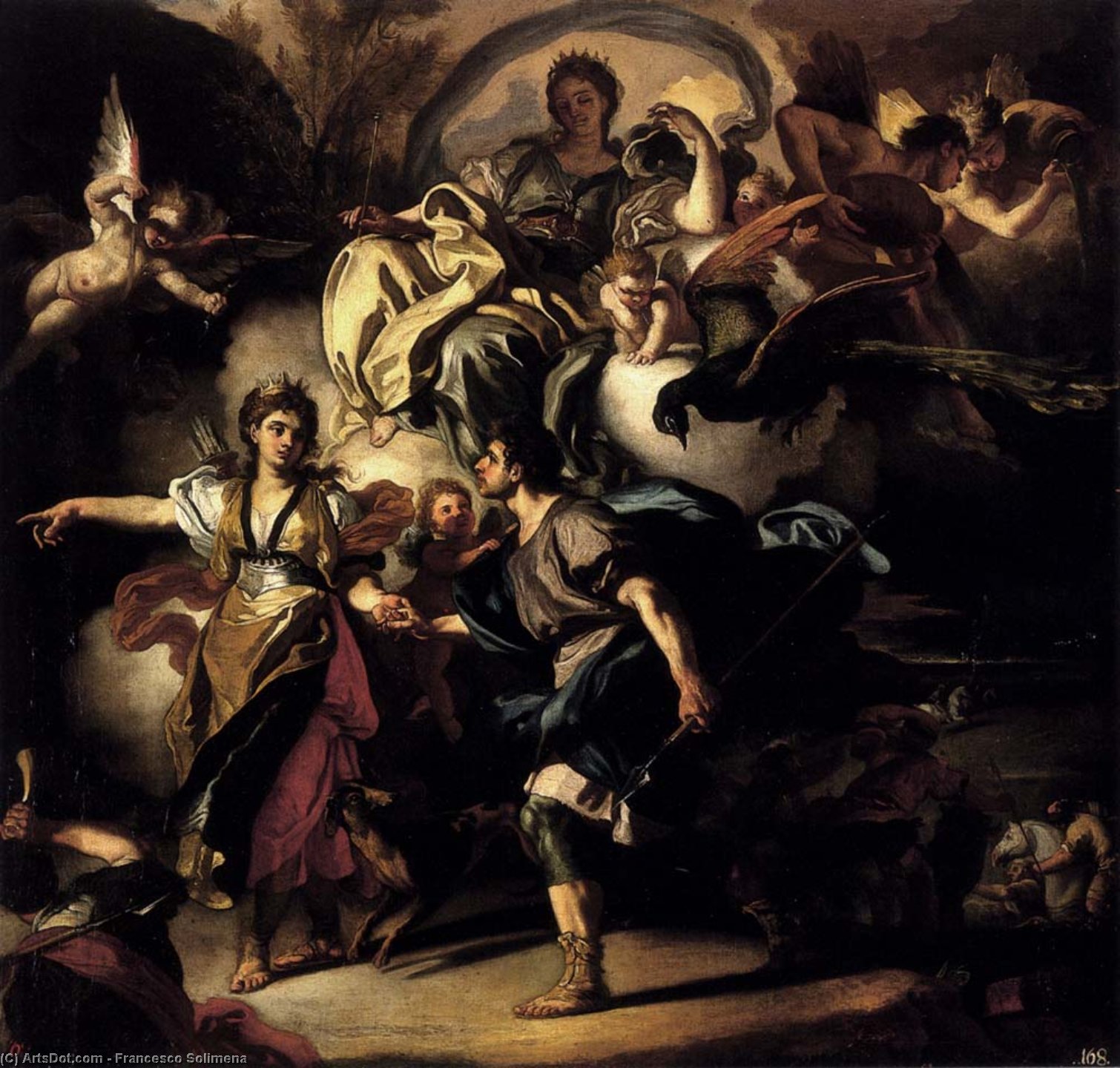
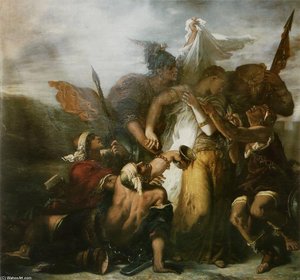
The Royal Hunt of Dido and Aeneas
 Oil On Canvas
- WallArt
- Baroque
 76.0 x 73.0 cm
 Read More
Giclée / Art Print
Museum-quality giclée or canvas print with fast production and flexible finish options. ( Buy Hand Made Painting Buy Image)




P118B $10

P118H $10

P118W $10

P438Z $10

P508JH $12

P508YH $12

P805H $10

P805Z $10

P919BZ $10

P919G $10

P919XJ $10

P959ZH $10

P968JZ $12

W106C $8

W218G $10

W218JH $8

W218Y $10

W307PJ $10

W316G $10

W316PJ $8

W316Y $10

W398PJ $8

W4111J $10

W500HY $15

W500JH $15

W692G $12

W849H $8

W940BG $15

W953PJ $8




Pick from our preset sizes that match the artwork's original proportions.

You may enter your own dimensions to fit a specific frame or space. If your selected size does not match the original image's proportions, we will either crop the artwork or extend the image with a mirrored or solid-fill edge. A digital mockup will be sent for your approval before production begins.
Please note that the on-screen preview does not reflect the actual cropping or extension. Only the mockup will accurately show the final composition.
While custom sizes are available, we recommend selecting a dimension from the predefined list to preserve the original proportions.
Worldwide Delivery () in 2 weeks instead of standard 4/5 weeks. (26 August)

Free Worldwide Express Shipping

High-Quality Linen Canvas

Full Shipping Insurance

Customs Tax Refund Guarantee

True Color Matching Guarantee

60-Day Return Policy (Defects Only)

100% Money-Back Guarantee

Bulk Discount Offer
 Glass option is only available in size under 110 CM

The Royal Hunt of Dido and Aeneas
Giclée / Art Print
Reproduction Size
-


Total Price
$ 63
Collectible Description
A Baroque Tapestry of Myth and Majesty
To stand before The Royal Hunt of Dido and Aeneas is to step directly into the vibrant, dramatic heart of the late Baroque era. Francesco Solimena, a master whose brushstrokes seemed imbued with the very drama of ancient epics, has captured a moment brimming with energy and divine suggestion. This oil on canvas, measuring 76 x 73 cm, is far more than a mere depiction of mythology; it is a carefully orchestrated emotional tableau. The scene unfolds around a central female figure, evoking the grandeur and pathos associated with Queen Dido herself, surrounded by figures caught in the sweep of a royal hunt or significant gathering. Solimena’s genius lies in his ability to infuse historical narrative with palpable life, making every gesture feel consequential.
Mastery of Baroque Composition and Color
The technical brilliance evident in this work is immediately apparent. Solimena employs the characteristic warmth and rich saturation of the Baroque style, utilizing oil paint on canvas to build depth and luminosity. Observe how the light seems to emanate from within the scene itself, highlighting key figures while allowing shadows to deepen the mystery surrounding them. The composition is a masterful exercise in guiding the viewer's eye; it draws us into the cluster of people gathered near the central woman. Furthermore, the inclusion of an angelic figure in the upper right corner elevates the narrative beyond mere earthly drama, suggesting divine oversight or intervention—a hallmark of grand Baroque storytelling.
Symbolism and Narrative Resonance
While the title speaks to the epic tale of Dido and Aeneas, the visual language suggests layers of deeper meaning. The gathering itself implies a pivotal moment of transition or revelation. The presence of figures interacting closely with the central woman—who appears tenderly connected to another figure, perhaps even an infant in some interpretations—invites contemplation on themes of destiny, loss, and divine guidance. Solimena does not simply illustrate; he interprets. He allows us to feel the weight of myth, the tension between human passion and celestial decree. It is a work that speaks eloquently to the enduring power of foundational myths.
Bringing Baroque Grandeur Home
For those who seek to infuse their interior spaces with the drama and sophistication of Old Master painting, this reproduction offers an unparalleled opportunity. Owning a piece inspired by Solimena’s technique allows one to curate an environment that feels both historically resonant and vibrantly alive. The rich palette and dynamic energy captured in 76 x 73 cm provide a focal point capable of anchoring any grand drawing-room or gallery setting. It is a statement piece for the discerning collector, promising not just decoration, but a continuous conversation with the heights of Italian Baroque artistry.
Related Artworks


Artist Biography
A Neapolitan Master of Baroque Grandeur
Francesco Solimena, born in the small Italian town of Canale di Serino near Avellino in 1657, emerged as one of the most significant figures in Neapolitan painting during the late Baroque period. His artistic journey began within a family already steeped in artistic tradition; his father, Angelo Solimena, served as his initial instructor, collaborating with him on early projects like the Paradise fresco for the cathedral of Nocera. This foundational experience instilled in young Francesco a deep appreciation for technique and composition. He further refined his skills under the tutelage of Francesco di Maria and Giacomo del Po, absorbing diverse influences that would ultimately shape his distinctive style. The patronage of Cardinal Vincenzo Orsini proved pivotal, providing encouragement and opportunities that allowed Solimena to establish himself as an independent artist by the 1680s, undertaking increasingly ambitious fresco commissions.Forging a Style: Echoes of Rome in Neapolitan Splendor
Solimena’s artistic voice is immediately recognizable through its warm, brownish shadowing and dramatic use of light – qualities deeply indebted to the Roman Baroque masters Luca Giordano and Giovanni Lanfranco. However, he didn't merely imitate; instead, he synthesized these influences into a uniquely Neapolitan aesthetic. The hallmarks of his work include dynamic compositions brimming with emotional intensity, reflecting the Baroque period’s penchant for grandeur and theatricality. He possessed an exceptional ability to capture movement and drama within his scenes, drawing viewers into narratives both sacred and mythological. From the 1690s onward, Solimena's studio became a dominant force in Naples, shaping the artistic landscape of the city for decades. His workshop was remarkably productive, churning out altarpieces, frescoes, and canvases that adorned churches and palaces throughout the region. A key characteristic of his compositional approach involved suggesting settings with minimal detail, strategically directing attention towards the figures themselves and their elaborately rendered draperies – often illuminated by carefully placed light sources to heighten their impact.A Prolific Output: Frescoes, Altarpieces, and Mythological Visions
Francesco Solimena was an extraordinarily prolific artist, leaving behind a vast body of work encompassing a wide range of subjects and formats. He excelled in large-scale fresco cycles, transforming the interiors of Neapolitan churches and palaces into vibrant displays of religious fervor and aristocratic splendor. His altarpieces are particularly noteworthy for their ability to convey complex theological narratives with both emotional depth and technical brilliance. Beyond his religious works, Solimena also demonstrated a mastery of mythological scenes, imbuing classical tales with dramatic energy and sensuous beauty. Among his most celebrated pieces is the *Allegory of Rule*, currently housed in the State Hermitage Museum in St. Petersburg – a testament to his skill in allegorical representation and sophisticated composition. His depictions of weddings and courtly events further showcase his versatility, capturing the elegance and opulence of Neapolitan society. Works like “St John the Baptist” and “The Assumption and Coronation of the Virgin” exemplify his mastery of chiaroscuro and dynamic compositions.Legacy and Influence: A School of Neapolitan Painting
Solimena’s impact extended far beyond his own artistic creations. His large, well-organized atelier functioned as a veritable academy, playing a crucial role in the cultural life of Naples. He trained numerous pupils who went on to become prominent artists in their own right, solidifying his position as a central figure in 18th-century Italian art. Notable among his students were Francesco de Mura, Giuseppe Bonito, Pietro Capelli, and Corrado Giaquinto – each contributing significantly to the evolution of Neapolitan painting. Solimena’s success wasn't limited to artistic recognition; he achieved considerable financial prosperity during his lifetime, being bestowed with the title of baron and living a life commensurate with his fame. He passed away in 1747 at Barra, near Naples, leaving behind an enduring legacy that continues to be celebrated through exhibitions, scholarly studies, and reproductions available today. He stands as one of the most important figures in Neapolitan Baroque painting, successfully synthesizing Roman influences with local traditions to create a distinctive style that defined artistic production in Naples for generations. His works remain admired for their dramatic flair, technical mastery, and enduring beauty – a testament to his genius and lasting contribution to art history.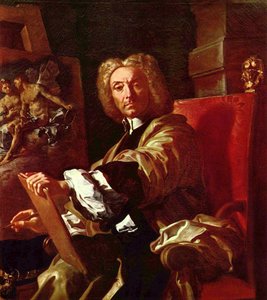
Francesco Solimena
1657 - 1747 , Italy
Quick Facts
- Artistic Movement Or Style: Baroque
- Artists Or Movements Influenced By This Artist:
- Francesco de Mura
- Giuseppe Bonito
- Artists Who Influenced This Artist:
- Luca Giordano
- Giovanni Lanfranco
- Date Of Birth: October 4, 1657
- Date Of Death: 1747
- Full Name: Francesco Solimena
- Nationality: Italian
- Notable Artworks:
- Allegory of Rule
- Frescoes in Naples
- St John the Baptist
- Assumption & Coronation
- Place Of Birth: Canale di Serino, Italy
Related Articles
Oil on Canvas Masters: 10 Paintings That Redefined Art History |
Journey through art history with our guide to 10 legendary oil on canvas masterpieces! Explore iconic works by Van Gogh, Monet & Rembrandt. Find museum-quality reproductions and elevate your home decor at . Discover all masterpieces online.

Oil on Canvas: A Historical & Technical Exploration of a Timeless Artistic Medium
Explore the rich history & enduring techniques of oil painting on canvas. Discover the science behind its longevity, conservation practices, and contemporary relevance. Expert insights for art enthusiasts.

The Enduring Legacy of Oil on Canvas: Technique, History & Aesthetic Impact
Explore the rich history & techniques of oil painting – from Renaissance masters to Impressionism. Discover pigments, layering methods, and why this timeless medium endures. Expert insights for artists & art enthusiasts.

The Enduring Legacy of Oil on Canvas: Technique, History & Contemporary Practice
Explore the rich history & enduring techniques of oil painting on canvas. Discover the science behind its longevity, conservation practices, and contemporary relevance. Expert insights for art enthusiasts.

The Enduring Power of Painting: A Historical & Contemporary Exploration of Form and Emotion
Explore the rich history & enduring techniques of oil painting with ArtsDot. Discover masterpieces, learn about art collecting, and find authentic handmade reproductions crafted by skilled artists.