 Preview
 Send
Send Share
Share
 Details

 Download
 Similars
 X-Ray
X-Ray Diaporama
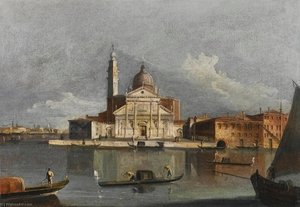
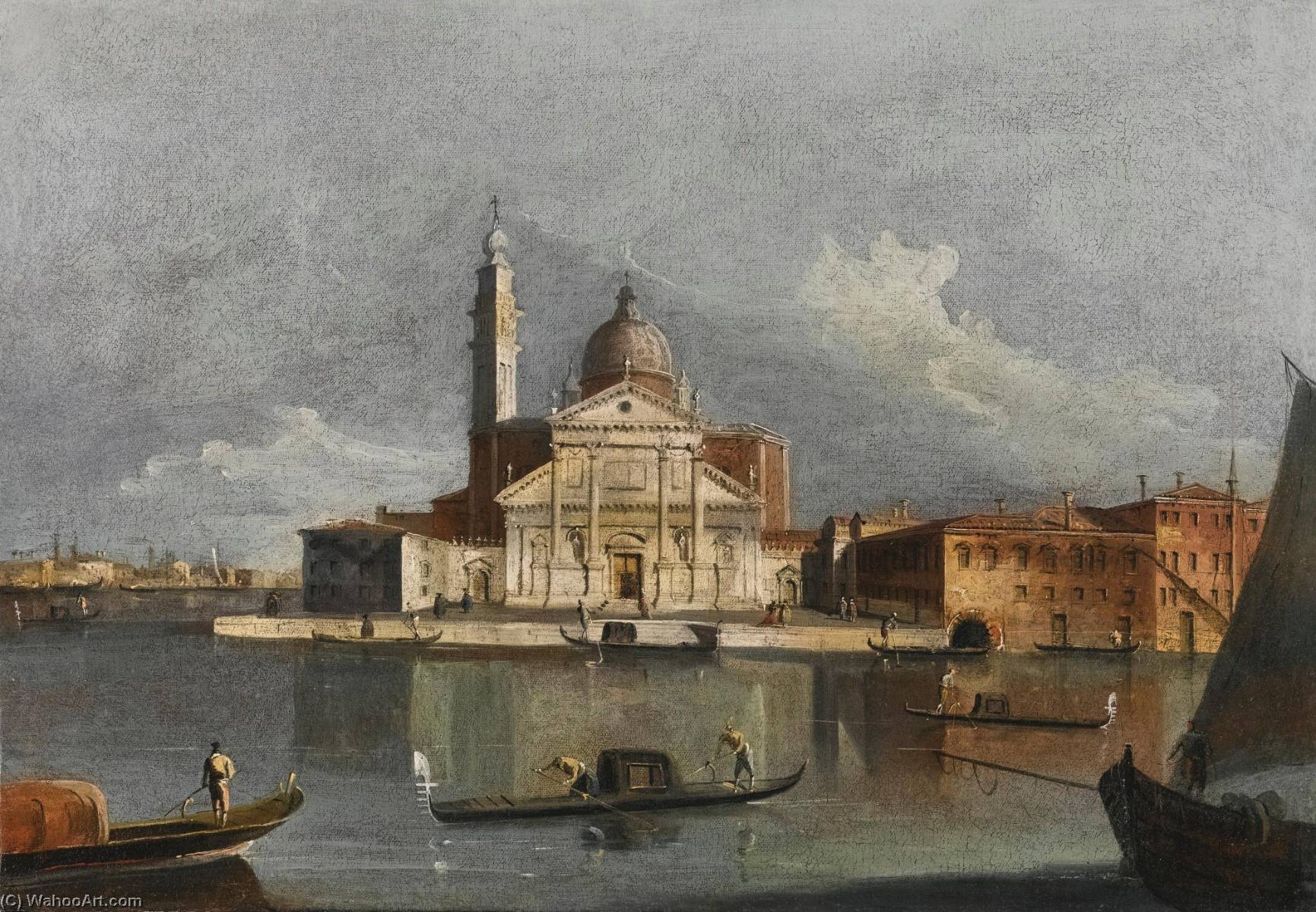
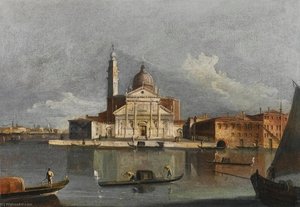
Venice, a view of San Giorgio Maggiore from across the Bacino
 50.0 x 72.0 cm
 Read More
Hand Made Oil Reproduction
Hand-painted oil on canvas in your size and frame, made to order by our artists. ( Buy Print Buy Image)




































Pick from our preset sizes that match the artwork's original proportions.

You may enter your own dimensions to fit a specific frame or space. If your selected size does not match the original image's proportions, we will either crop the artwork or extend the painting with additional hand-painted elements. A digital mockup will be sent for your approval before production begins.
Please note that the on-screen preview does not reflect the actual cropping or extension. Only the mockup will accurately show the final composition.
While custom sizes are available, we recommend selecting a dimension from the predefined list to preserve the original proportions.
After order, ArtsDot.com team will email client for instructions and provide a mockup preview
Worldwide Delivery () in 3/4 weeks instead of standard 5 weeks. (28 August). No compromise on quality.

Free Worldwide Express Shipping

High-Quality Linen Canvas

Full Shipping Insurance

Customs Tax Refund Guarantee

True Color Matching Guarantee

60-Day Return Policy (Defects Only)

100% Money-Back Guarantee

Bulk Discount Offer
 Glass option is only available in size under 110 CM

Venice, a view of San Giorgio Maggiore from across the Bacino
Reproduction Medium
Reproduction Size
-


Total Price
$ 263
Related Artworks







Artist Biography
The Last Venetian Landscape Painter
Francesco Tironi (circa 1745–1797) stands as a singular figure in the artistic landscape of late eighteenth-century Venice—the final bastion of a tradition that had begun to fade amidst the burgeoning neoclassical fervor sweeping across Europe. While biographical details remain elusive, scholarly consensus points to him as a pivotal artist whose meticulous depictions of Venetian vistas captured not merely visual beauty but also the melancholic spirit of a city grappling with decline and change. His legacy resides primarily in his contribution to Antonio Sandi’s monumental engravings, which cemented his reputation as a master of topographical representation and solidified Venice's image within the broader artistic consciousness of the era.
Born around 1745 in the heart of Venice, Tironi inherited a city that was both at its cultural zenith and on the precipice of profound transformation. Though the specifics of his early upbringing remain shrouded in mystery, evidence suggests he received foundational training under Giuseppe Cibernostetto, a prominent Venetian painter celebrated for his genre scenes and portraits. This mentorship provided Tironi with more than just technical skill; it immersed him in the established conventions of Venetian painting, allowing him to master the light and atmosphere that define the lagoon's unique character.
A Vision of Neoclassical Vedute
As his career matured, Tironi’s artistic output focused almost exclusively on landscape paintings—a deliberate choice that reflects the prevailing aesthetic sensibilities of Venice during his lifetime. Unlike earlier Baroque painters who sought to glorify papal grandeur or aristocratic splendor through vibrant, sweeping compositions, Tironi embraced a more somber and introspective approach. His work is characterized by a Neoclassical style, often employing a darker palette and techniques reminiscent of masters like Giovanni Battista Piranesi and Claude Lorrain. Through his brush, the landscape became a vessel for exploring themes of solitude, decay, and psychological depth.
His mastery of the vedute—the highly detailed cityscape paintings—allowed him to document the architectural splendor and the quiet corners of the Venetian Republic with unparalleled precision. His repertoire included evocative scenes such as:
- The Riva degli Schiavoni: Capturing the bustling waterfront and its connection to the sea.
- Piazza Santi Giovanni e Paolo: Depicting large, lively crowds that breathed life into the stone architecture.
- Isola Santa Maria della Grazia: Showcasing the serene and isolated beauty of the Venetian islands.
- San Giorgio in Alga: Documenting historical moments, such as the meeting between Pope Pius VI and the Doge.
The Legacy of the Sandi Engravings
Perhaps Tironi’s most enduring contribution to art history lies in his collaboration with the engraver Antonio Sandi. In 1779, Tironi provided the intricate drawings for Sandi's twenty-four engravings of islands within the Venetian Lagoon. This project was far more than a mere topographical exercise; it became a poignant historical record. Many of these engravings depict thriving, vibrant communities on islands that have since become desolate or abandoned. Through this medium, Tironi’s vision reached a much wider audience, preserving the memory of a lost era of Venetian prosperity.
In his later years, Tironi's work continued to resonate with the tension between the classical past and an uncertain future. By blending the architectural rigor of Neoclassicism with a sense of atmospheric melancholy, he ensured that his depictions of Venice were not merely snapshots of scenery, but profound meditations on time and permanence. Today, his works—found in prestigious collections such as The Metropolitan Museum of Art—serve as vital windows into the soul of an eighteenth-century Venice, capturing the twilight of a great maritime power through the eyes of its last great landscape master.
francesco tironi
1745 - 1797
Quick Facts
- Artistic Movement Or Style: Neoclassical Venice
- Artists Or Movements Influenced By This Artist: ['Venetian Landscape Painting']
- Artists Who Influenced This Artist:
- Canaletto
- Guardi
- Date Of Death: 1797
- Full Name: Francesco Tironi
- Nationality: Italian
- Notable Artworks:
- Vedute of Riva degli Schiavoni
- Crowd in Piazza Sant'Giovanni e Paolo
- Isola Santa Maria della Grazia
- Place Of Birth: Venice