

 Preview
 Send
Send Share
Share
 Details

 Download
 Similars
 X-Ray
X-Ray Diaporama
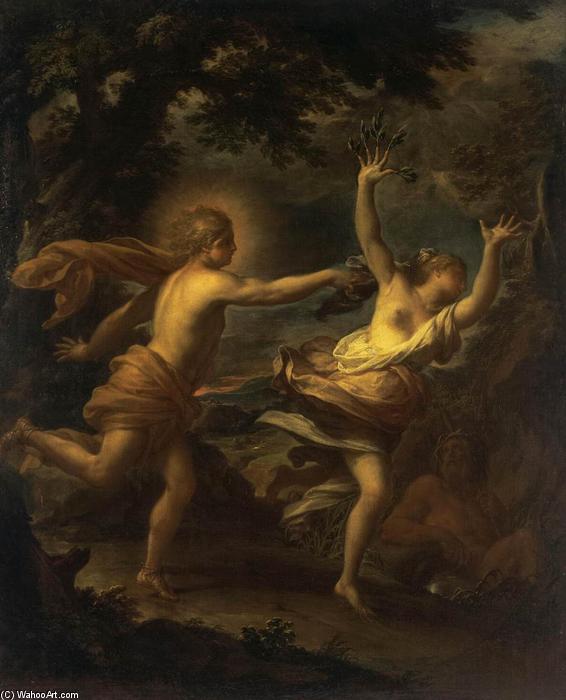
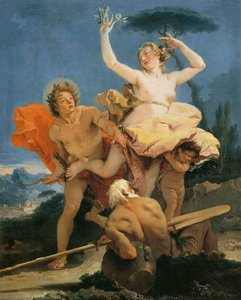
Apollo and Daphne
 Oil On Canvas
- WallArt
- Baroque
 73.0 x 60.0 cm
 Hermitage Museum
 Read More
Purchase a high-resolution, enhanced digital image, far superior to the online preview.
Each file is meticulously prepared by our in-house specialists using advanced tools and expert manual retouching. We ensure every image has exceptional clarity, precise color accuracy, and fine detail.
The final file is delivered via email within 72 hours, optimized for immediate use in professional, editorial, and print environments. This is the same quality trusted by top-tier design studios, publishers, and galleries.
Digital Image
Download a high-resolution file for personal display, printing, and creative projects. ( Buy Print Buy Hand Made Painting)
Included in Every Digital Image Order
Expert Digital Delivery, Guaranteed
When you choose ArtsDot.com, you're not just getting an image - you're receiving a professionally enhanced digital artwork, crafted with precision and backed by a satisfaction guarantee. Here's everything that comes with your order, automatically:

Fast Email Delivery
Your high-resolution digital image file will be emailed to you within 72 hours of ordering - ready for immediate use.

AI-Enhanced Digital File
Your artwork is professionally optimized using advanced AI tools and manual editing, ensuring maximum detail, clarity, and color accuracy.

Free Lifetime Re-Delivery
Accidentally deleted or lost your file? No worries - we'll resend it to you anytime, free of charge.

No Import Fees - Ever
Enjoy your artwork instantly with zero customs, duties, or delivery fees - digital downloads are always tax-free.

Color Accuracy Guarantee
We ensure your digital image reflects the original colors as closely as possible using professional tools and color management.

60-Day Satisfaction Guarantee
If you're not satisfied with your digital image, we'll revise it or refund 100% within 60 days - no questions asked.

100% Money-Back Guarantee
Not satisfied? Get a full refund within 60 days of receiving your digital file - no questions asked.

Bulk Order Discounts
Buy 3 images, save 10% - Buy 5, save 15% - Buy 10+, save 20%. Great for creative projects, galleries, and agencies.
Collectible Description
Apollo and Daphne: A Baroque Masterpiece Revisited
Francesco Trevisani’s “Apollo and Daphne” stands as a testament to the grandeur and emotional intensity of Baroque art, capturing a pivotal moment from Greek mythology with breathtaking precision and dramatic flair. Executed around 1685-1690, this monumental oil painting resides within The Hermitage Museum in St. Petersburg, Russia—a privilege enjoyed by few viewers fortunate enough to witness its captivating beauty firsthand.The Mythological Narrative
The artwork draws inspiration from Ovid’s Metamorphoses, recounting the tale of Apollo's obsessive pursuit of Daphne, daughter of Peneus, river god of Pieria. Driven by divine desire and fueled by Cupid’s arrow – a symbol of irresistible passion – Apollo relentlessly pursued Daphne as she fled his advances, transforming into laurel trees to escape his grasp. Trevisani skillfully portrays this dramatic confrontation, conveying the urgency and terror of Daphne's desperate flight against Apollo’s unwavering determination.Baroque Style and Technique
Trevisani’s approach embodies the hallmarks of Baroque painting: theatrical composition, dynamic movement, and masterful use of chiaroscuro—the interplay between light and shadow—to heighten emotional impact. The artist employs a pyramidal structure to organize the figures, emphasizing Apollo's dominant presence while Daphne occupies a lower position, conveying vulnerability and fear. Trevisani’s meticulous brushwork reveals an astonishing level of detail, particularly in depicting Daphne’s flowing hair and the delicate foliage of the laurel branches—a deliberate choice reflecting the Baroque fascination with realism and naturalism. The artist skillfully utilizes warm hues to illuminate Apollo's torso and Daphne's face, creating a luminous contrast against the dark landscape backdrop.Symbolism and Emotional Resonance
Beyond its narrative depiction, “Apollo and Daphne” resonates deeply with symbolic meaning. Apollo represents divine power and irresistible desire, while Daphne embodies purity and resistance—a poignant juxtaposition highlighting the conflict between Eros (love) and Psyche (soul). The laurel wreath symbolizes Daphne’s transformation into a tree, signifying her ultimate victory over Apollo's obsession and representing immortality and honor. Trevisani’s masterful rendering evokes feelings of awe, terror, and compassion, inviting viewers to contemplate themes of love, loss, and metamorphosis—universal concepts explored with unparalleled artistic sensitivity.Historical Context
Created during the reign of Louis XIV in France, “Apollo and Daphne” exemplifies the Baroque aesthetic prevalent throughout Europe at the time. This period witnessed a fervent embrace of grandeur and theatricality, driven by papal patronage and fueled by an ambition to glorify God’s majesty. Trevisani's work aligns with Maratta’s influence—a style characterized by polished surfaces and luminous colors—reflecting the artistic standards of the era. The painting served as part of a larger decorative scheme intended to adorn the Palazzo Labia in Urbino, underlining its importance within the cultural landscape of Baroque Italy.A Legacy Enduring Through Time
“Apollo and Daphne” continues to captivate audiences today, demonstrating Trevisani’s enduring artistic genius. Its meticulous detail, dramatic composition, and profound symbolic depth solidify its place as a cornerstone of Baroque art—a timeless masterpiece that transcends temporal boundaries and speaks directly to the human spirit.- Artist: Francesco Trevisani
- Born Year: 1656
- Death Year: 1746
- Birth City: Pordenone
- Birth Country: Italy
- Size: 73 x 60 cm
- Date: Unknown
- Location: The Hermitage Museum, St. Petersburg, Russia
Related Artworks
Artist Biography
Nicolas de Largillière: The Master of Gentle Portraits
Born in Paris in 1656 and passing away in the same city in 1746, Nicolas de Largillière stands as a pivotal figure in the history of French portraiture. While often overshadowed by the titans of his era – Rigaud and Le Brun – Largillière carved out a unique niche, specializing in exquisitely rendered portraits of the wealthy middle class, capturing their dignity, grace, and quiet moments with an unparalleled sensitivity. His career spanned over six decades, marked by consistent success and a prodigious output, solidifying his reputation as one of the most accomplished artists of his time.
Largillière’s early artistic development unfolded in Antwerp, where he received his initial training under Antoine Goubeau. This period proved crucial, exposing him to the vibrant artistic scene of the Low Countries and fostering a deep appreciation for classical ideals. Following this formative experience, he journeyed to England, working briefly with Lely and Verrio – encounters that undoubtedly influenced his technique and understanding of portraiture. It was in Paris, however, that Largillière truly established himself as a leading artist, quickly gaining recognition for his refined style and ability to capture the essence of his subjects.
Unlike many artists of his time who sought fame through grand historical or religious paintings, Largillière focused almost exclusively on portraiture. This dedication allowed him to hone his skills with remarkable precision. His portraits are characterized by a meticulous attention to detail – from the texture of fabrics and the sheen of jewelry to the subtle expressions in his subjects’ eyes. He employed a technique known as ‘clárriage,’ a method of applying paint thinly over a ground prepared with chalk, creating a luminous surface that enhanced the richness and depth of color. His use of light and shadow was particularly masterful, subtly defining forms and conveying a sense of atmosphere within each portrait.
Largillière’s subjects were predominantly members of the Parisian bourgeoisie – merchants, lawyers, doctors, and other prominent figures of the day. He depicted them in intimate settings, often engaged in everyday activities such as reading, playing musical instruments, or conversing with family members. These scenes weren't merely representations of wealth; they revealed a deep understanding of human nature and an ability to capture the quiet dignity and understated elegance of his subjects’ lives. His portraits were not simply likenesses; they were windows into the souls of those he depicted.
Despite his considerable success, Largillière's career was marked by a remarkable longevity. He remained active as an artist well into his eighties, serving as director of the Académie Royale de Paris from 1734 to 1756. This extended tenure speaks volumes about his standing within the artistic community and his continued relevance as a teacher and mentor. His output was astonishing – contemporary sources estimate that he painted approximately 1,500 portraits throughout his career. Beyond portraiture, Largillière also produced religious works, still lifes, and landscapes, though these genres never achieved the same level of recognition as his celebrated portraits.
Influences and Artistic Style
Largillière’s artistic style was a synthesis of influences from various sources. His early training in Antwerp exposed him to the Baroque traditions of the Low Countries, characterized by dramatic lighting and dynamic compositions. His time in England introduced him to the refined portraiture of Lely, known for his elegant brushwork and ability to capture the beauty of his subjects. However, Largillière’s style evolved beyond these influences, developing a distinctly French sensibility marked by restraint, subtlety, and an emphasis on psychological realism.
He was particularly influenced by Caravaggio's use of chiaroscuro – the dramatic contrast between light and shadow – which he skillfully employed to create depth and atmosphere in his portraits. Largillière’s compositions were typically balanced and harmonious, reflecting a classical aesthetic rooted in Renaissance ideals. He avoided excessive ornamentation or theatrical gestures, preferring to focus on capturing the quiet dignity and inner character of his subjects.
Major Works
While Largillière produced an enormous number of portraits, several stand out as particularly noteworthy examples of his skill and artistry. Among his most celebrated works are *Portrait of a Young Woman*, *Portrait of Monsieur de la Rochefoucauld*, and *Portrait of Madame de Montesqui*. These paintings exemplify his mastery of technique, his ability to capture the nuances of human expression, and his profound understanding of his subjects’ personalities.
*Portrait of a Young Woman* (circa 1685) is particularly admired for its delicate rendering of the subject's features and the subtle play of light on her skin. *Portrait of Monsieur de la Rochefoucauld* (1703) showcases his ability to convey both intellectual depth and aristocratic bearing. And *Portrait of Madame de Montesqui* (1724), a later work, demonstrates his continued skill and refinement throughout his long career.
Historical Significance
Nicolas de Largillière’s contribution to the history of French portraiture is significant for several reasons. He was one of the last artists to maintain a high level of artistic excellence into old age, demonstrating remarkable dedication and perseverance. His portraits offer invaluable insights into the lives and customs of the Parisian bourgeoisie during the 17th and 18th centuries. Furthermore, Largillière’s emphasis on psychological realism – his ability to capture the inner character of his subjects – set a new standard for portraiture in France.
Often described as the “French Van Dyck,” Largillière's work continues to be admired for its elegance, subtlety, and profound humanity. He remains a testament to the enduring power of portraiture as a means of capturing beauty, dignity, and the essence of human experience. His legacy endures through his remarkable body of work, which provides a captivating glimpse into a bygone era.
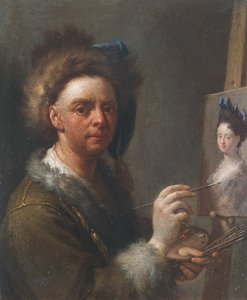
francesco trevisani
1656 - 1746 , Italy
Quick Facts
- Artistic Movement Or Style: Portraiture
- Artists Or Movements Influenced By This Artist: ['Van Dyck']
- Artists Who Influenced This Artist:
- Lely
- Verrio
- Date Of Birth: 1656
- Date Of Death: 1746
- Full Name: Nicolas de Largillière
- Nationality: French
- Notable Artworks:
- The Old Man and the Young Woman
- The Scholar at his Books
- Place Of Birth: Paris, France

