 Preview
 Send
Send Share
Share
 Details

 Download
 Similars
 X-Ray
X-Ray Diaporama
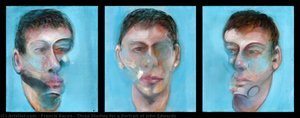
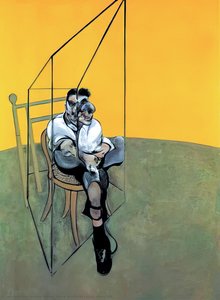
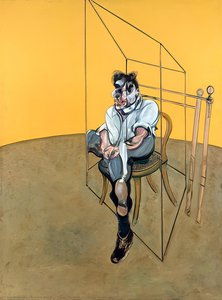
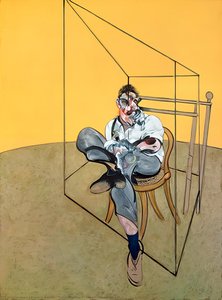
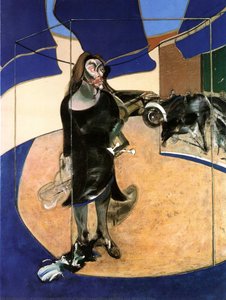
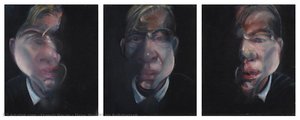
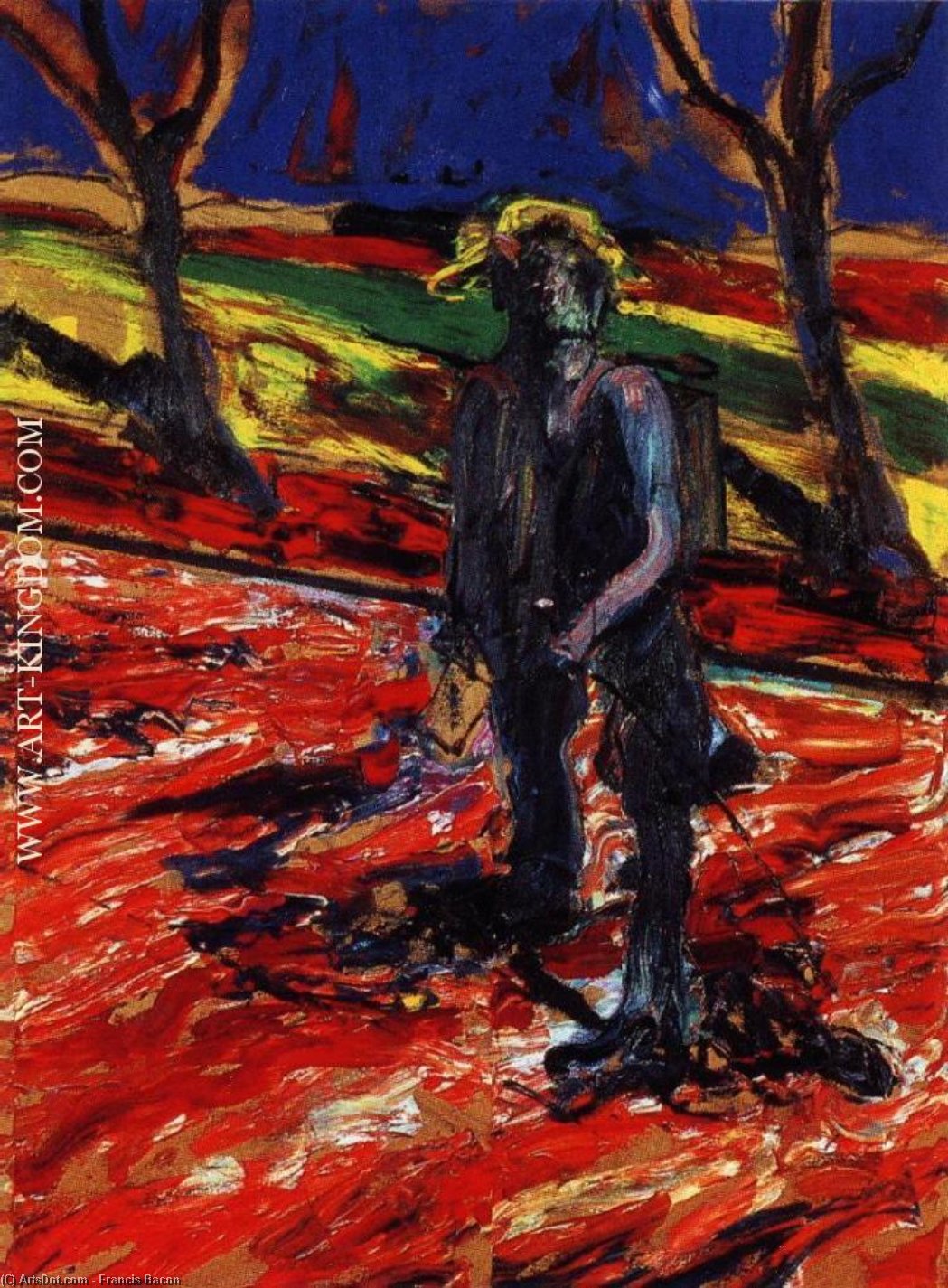
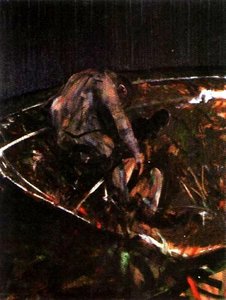
study for a portrait of van gogh iii, 1957

 Read More
Giclée / Art Print
Museum-quality giclée or canvas print with fast production and flexible finish options. ( Buy Hand Made Painting Buy Image)




P118B $10

P118H $10

P118W $10

P438Z $10

P508JH $12

P508YH $12

P805H $10

P805Z $10

P919BZ $10

P919G $10

P919XJ $10

P959ZH $10

P968JZ $12

W106C $8

W218G $10

W218JH $8

W218Y $10

W307PJ $10

W316G $10

W316PJ $8

W316Y $10

W398PJ $8

W4111J $10

W500HY $15

W500JH $15

W692G $12

W849H $8

W940BG $15

W953PJ $8




Pick from our preset sizes that match the artwork's original proportions.

You may enter your own dimensions to fit a specific frame or space. If your selected size does not match the original image's proportions, we will either crop the artwork or extend the image with a mirrored or solid-fill edge. A digital mockup will be sent for your approval before production begins.
Please note that the on-screen preview does not reflect the actual cropping or extension. Only the mockup will accurately show the final composition.
While custom sizes are available, we recommend selecting a dimension from the predefined list to preserve the original proportions.
Worldwide Delivery () in 2 weeks instead of standard 4/5 weeks. (16 August)

Free Worldwide Express Shipping

High-Quality Linen Canvas

Full Shipping Insurance

Customs Tax Refund Guarantee

True Color Matching Guarantee

60-Day Return Policy (Defects Only)

100% Money-Back Guarantee

Bulk Discount Offer
 Glass option is only available in size under 110 CM

study for a portrait of van gogh iii, 1957
Giclée / Art Print
Reproduction Size
-


Total Price
$ 63
Collectible Description
A Portrait of Anxiety: Exploring Francis Bacon’s Study for Van Gogh III
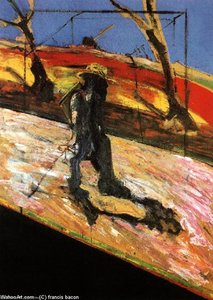
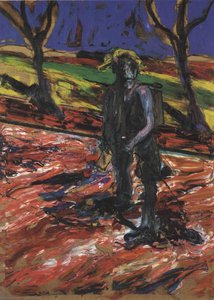
The painting, “Study for a Portrait of Van Gogh III,” produced in 1957 by the celebrated Irish artist Francis Bacon, isn't merely an image; it’s a distillation of existential dread rendered with unsettling precision. Captured on canvas, this piece embodies Bacon’s signature style—a brutal honesty that confronts viewers with uncomfortable truths about human vulnerability and psychological torment. It stands as a testament to his unwavering commitment to portraying the darker recesses of the human psyche.- Subject Matter: The composition centers around a solitary figure, positioned against a backdrop of stylized trees—a deliberate echo of Vincent van Gogh’s landscapes, hinting at an artist grappling with artistic inspiration and perhaps wrestling with personal demons.
- Style & Technique: Bacon's technique is characterized by a visceral approach. He employs thick impasto – applying paint in heavy layers – creating textured surfaces that seem to pulsate with energy. The figure’s distorted anatomy—a grotesque caricature of human form—is rendered in shades of grey and black, emphasizing the artist’s preoccupation with decay and suffering.
Historical Context: Echoes of Trauma and Artistic Legacy
Bacon's artistic journey was profoundly shaped by personal experiences. Marked by instability and loss—including the death of his beloved nanny Jessie Lightfoot—he channeled these traumas into his art, creating works that resonate with a palpable sense of anguish. The painting’s influence extends beyond its immediate aesthetic qualities; it speaks to the broader anxieties of the post-war era, reflecting a disillusionment with optimism and a fascination with confronting mortality. Bacon himself acknowledged Van Gogh's profound impact on his artistic vision, recognizing in him a kindred spirit who dared to express emotion without restraint.- Symbolism: The guitar held by the figure serves as a potent symbol of creativity and expression—yet it’s simultaneously presented as an instrument of confinement, mirroring the artist's struggle to liberate his inner turmoil. The trees represent both beauty and isolation, highlighting the paradoxical nature of human existence.
- Emotional Impact: Viewing “Study for a Portrait of Van Gogh III” is undeniably unsettling. Bacon’s masterful manipulation of form and color compels viewers to confront uncomfortable emotions—fear, despair, and vulnerability—leaving an indelible impression on the psyche.
Beyond Reproduction: Capturing the Essence of Bacon's Vision
A high-quality reproduction aims to convey not just the visual appearance of this artwork but also its emotional core. Skilled artisans meticulously recreate Bacon’s technique, painstakingly layering pigments to achieve the same textural richness and expressive intensity as the original canvas. When adorning a home or interior space, this print allows one to engage with the artist's profound exploration of human emotion—a reminder that art can serve as both solace and provocation.Related Artworks
Artist Biography
A Life Immersed in the Visceral
Francis Bacon, a name synonymous with the rawest emotionality in 20th-century art, was born in Dublin, Ireland, in 1909, yet his artistic spirit found its truest expression within the turbulent landscape of post-war Britain. His early life was far from stable; frequent relocations due to his mother’s health instilled a sense of displacement that would profoundly shape his worldview and, ultimately, permeate his canvases. A complex relationship with his stern father and a close bond with his nanny, Jessie Lightfoot, further colored the emotional terrain of his formative years. Initially drawn to horse racing and a life of gambling, Bacon drifted through various occupations before finally dedicating himself to painting in his late twenties – a delayed start that perhaps intensified the urgency and intensity of his later work. He wasn’t formally trained, instead forging his own path, absorbing influences from diverse sources, and developing a uniquely unsettling visual language.The Crucible of Early Influences
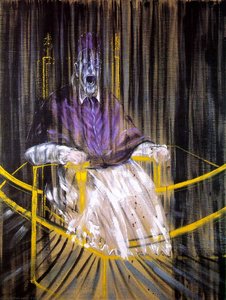
Bacon's artistic awakening was not immediate but rather a gradual accumulation of impressions. The works of Pablo Picasso, particularly the distorted figures of his early Cubist period, proved pivotal in liberating him from traditional representation. He found further inspiration in the haunting photography of Egon Schiele, whose expressive distortions of the human form resonated with Bacon’s own burgeoning fascination with the fragility and vulnerability of existence. However, it was a chance encounter with Sergei Eisenstein's film *Battleship Potemkin* that provided a crucial catalyst. The film’s visceral imagery, particularly a close-up of a screaming face, became an enduring motif in Bacon’s work, representing primal terror and the depths of human suffering. He also deeply admired the Old Masters, notably Diego Velázquez, whose *Portrait of Pope Innocent X* he would famously reinterpret throughout his career, transforming the authoritative papal figure into a tormented specter. These influences weren't merely stylistic appropriations; they were absorbed and transmuted through Bacon’s own unique sensibility, resulting in an artistic vision that was both deeply personal and universally resonant.Forging a Signature Style: Distortion and Isolation
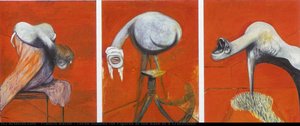
Bacon’s breakthrough arrived with *Three Studies for Figures at the Base of a Crucifixion* (1944), a work that shocked and captivated audiences in post-war London. This triptych established his signature style – distorted, fragmented figures isolated within claustrophobic spaces. These weren't depictions of religious martyrdom but rather visceral explorations of human anguish, stripped bare of any comforting narrative or spiritual solace. His paintings often feature blurred or dissolving forms, conveying a sense of psychological turmoil and physical vulnerability. He frequently employed geometric structures—cages, boxes—to confine his subjects, emphasizing their isolation and powerlessness. Bacon’s palette was typically muted and somber, reflecting the dark themes he explored, though punctuated by bursts of intense color that heightened the emotional impact. The use of these cages wasn't merely a compositional device; it symbolized the inherent limitations and constraints imposed upon human existence. He sought to capture not just *what* things looked like but *how they felt*, translating inner states of anxiety, fear, and despair onto the canvas with brutal honesty.Themes of Mortality, Anguish, and the Human Condition
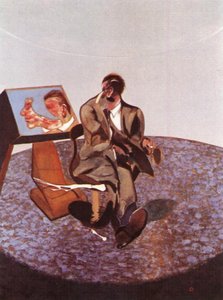
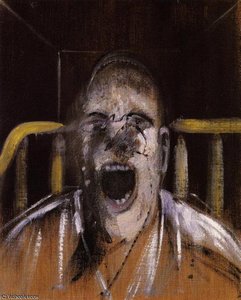
Throughout his prolific career, Bacon repeatedly returned to certain motifs: the crucifixion as a symbol of suffering; portraits that delved into the psychological intensity of his subjects, often friends and lovers like George Dyer; and self-portraits that served as introspective explorations of identity and mortality. His *Study After Velázquez’s Portrait of Pope Innocent X* (1953) series is perhaps one of his most iconic achievements, transforming Velázquez's dignified portrait into a screaming apparition, embodying existential dread. The portraits of George Dyer, his volatile lover, are particularly poignant, capturing both the intensity of their connection and the looming shadow of tragedy. Bacon’s work wasn’t about depicting specific individuals; it was about exploring universal themes of human vulnerability, isolation, and the inevitability of death. He didn't shy away from the darker aspects of existence but rather confronted them head-on, forcing viewers to confront their own mortality and anxieties.A Lasting Legacy: Challenging Conventions
Francis Bacon’s impact on 20th-century art is undeniable. He challenged traditional notions of representation, rejecting idealized beauty in favor of a raw, unflinching portrayal of the human condition. His work profoundly influenced generations of artists, paving the way for new forms of expression and challenging conventional artistic boundaries.- Post-War Expressionism: Bacon is considered a key figure in this movement, influencing artists with his bold style and psychological depth.
- Auction Records & Museum Exhibitions: His paintings continue to command high prices at auction and are exhibited in major museums worldwide, solidifying his place in art history.
- Confronting Truths: Bacon’s legacy lies in his ability to confront uncomfortable truths about human existence and translate those experiences into powerful and unforgettable images.
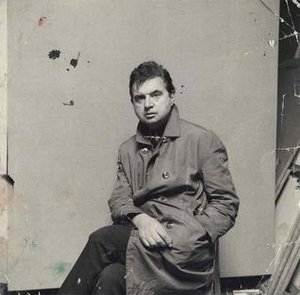
Francis Bacon
1909 - 1992 , Ireland
Quick Facts
- Artistic Movement Or Style: Expressionism
- Artists Or Movements Influenced By This Artist: ['Post-war Expressionism']
- Artists Who Influenced This Artist:
- Picasso
- Egon Schiele
- Date Of Birth: 1909-10-28
- Date Of Death: 1992-04-28
- Full Name: Francis Bacon
- Nationality: Irish-British
- Notable Artworks:
- Three Studies...
- Pope series
- George Dyer portrait
- Place Of Birth: Dublin, Ireland
Related Articles
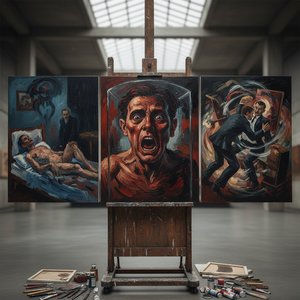
Francis Bacon's Masterpieces: Exploring 25 Iconic Paintings | ArtsDot
Delve into the haunting world of Francis Bacon with ArtsDot. Explore 25 iconic paintings, from his visceral portraits to powerful triptychs. Discover the stories behind these masterpieces & find museum-quality art reproductions for your home. Explore the full collection online!
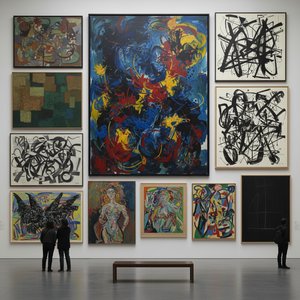
Abstract Expressionism's 10 Defining Masterpieces |
Explore 10 defining Abstract Expressionism masterpieces by Pollock, Rothko & de Kooning. Discover the stories behind these iconic paintings and find museum-quality art reproductions to elevate your home decor on .
Kandinsky's Masterpieces: 25 Paintings That Define Abstract Art | ArtsDot
Journey through Wassily Kandinsky's 25 most iconic abstract paintings. Explore his revolutionary use of color, form & spiritual expressionism. Find museum-quality Kandinsky reproductions and elevate your home decor with ArtsDot.com. Discover all masterpieces on ArtsDot.com!
Beyond Representation: Exploring the Emotional Landscape of Abstract Expressionism
Explore the profound emotional world of Abstract Expressionism with ArtsDot. Discover key artists like Pollock & Rothko, learn about collecting, and find museum-quality reproductions to inspire your space.

Geometric Abstraction's 10 Defining Masterpieces | Art for Your Home - ArtsDot
Explore 10 defining masterpieces of Geometric Abstraction! Discover Kandinsky, Mondrian & Malevich’s iconic works. Find museum-quality art reproductions and curated decor ideas to elevate your home at ArtsDot.com.