

 Preview
 Send
Send Share
Share
 Details

 Download
 Similars
 X-Ray
X-Ray Diaporama
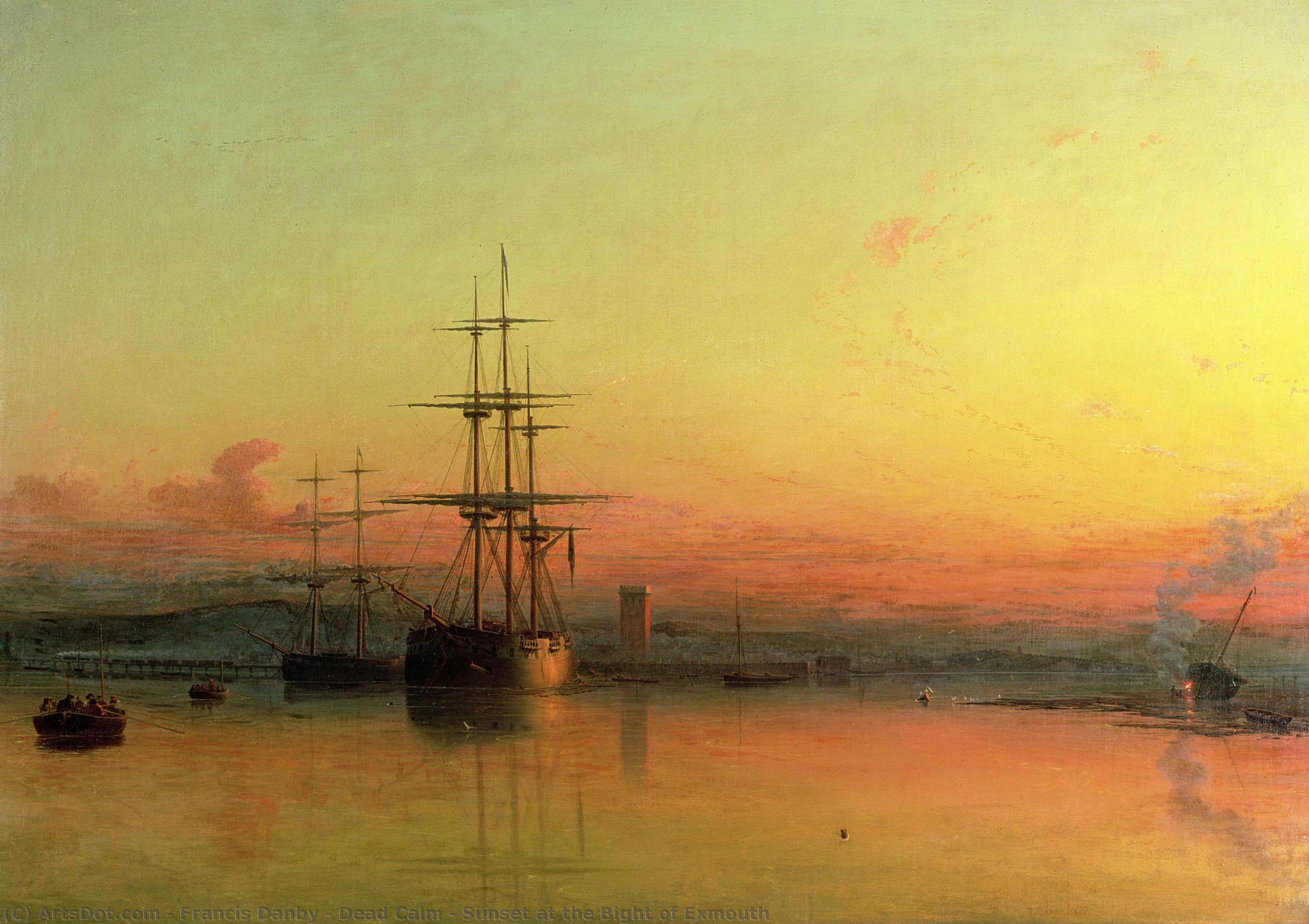
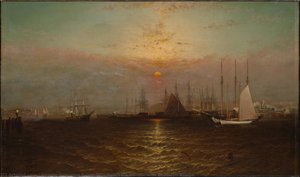
Dead Calm - Sunset at the Bight of Exmouth
 Oil
Oil- WallArt
- Romanticism
 1855
1855- 19th Century
 22.0 x 92.0 cm
 Royal Albert Memorial Museum - Art Gallery
 Read More
Purchase a high-resolution, enhanced digital image, far superior to the online preview.
Each file is meticulously prepared by our in-house specialists using advanced tools and expert manual retouching. We ensure every image has exceptional clarity, precise color accuracy, and fine detail.
The final file is delivered via email within 72 hours, optimized for immediate use in professional, editorial, and print environments. This is the same quality trusted by top-tier design studios, publishers, and galleries.
Digital Image
Download a high-resolution file for personal display, printing, and creative projects. ( Buy Print Buy Hand Made Painting)
Included in Every Digital Image Order
Expert Digital Delivery, Guaranteed
When you choose ArtsDot.com, you're not just getting an image - you're receiving a professionally enhanced digital artwork, crafted with precision and backed by a satisfaction guarantee. Here's everything that comes with your order, automatically:

Fast Email Delivery
Your high-resolution digital image file will be emailed to you within 72 hours of ordering - ready for immediate use.

AI-Enhanced Digital File
Your artwork is professionally optimized using advanced AI tools and manual editing, ensuring maximum detail, clarity, and color accuracy.

Free Lifetime Re-Delivery
Accidentally deleted or lost your file? No worries - we'll resend it to you anytime, free of charge.

No Import Fees - Ever
Enjoy your artwork instantly with zero customs, duties, or delivery fees - digital downloads are always tax-free.

Color Accuracy Guarantee
We ensure your digital image reflects the original colors as closely as possible using professional tools and color management.

60-Day Satisfaction Guarantee
If you're not satisfied with your digital image, we'll revise it or refund 100% within 60 days - no questions asked.

100% Money-Back Guarantee
Not satisfied? Get a full refund within 60 days of receiving your digital file - no questions asked.

Bulk Order Discounts
Buy 3 images, save 10% - Buy 5, save 15% - Buy 10+, save 20%. Great for creative projects, galleries, and agencies.
Collectible Description
A Symphony of Serenity: The Golden Hour at Exmouth
In the quietude of 1855, Francis Danby captured a moment that transcends mere landscape painting, offering instead a window into a state of profound peace. Dead Calm - Sunset at the Bight of Exmouth is not simply a depiction of a coastal evening; it is an evocative masterwork of the Romantic era that invites the viewer to breathe in the stillness of the sea. The composition centers on the gentle interplay of light and water, where the sun’s final descent paints the sky in hues of amber, gold, and soft rose. Two primary vessels dominate the mid-ground, their silhouettes anchored in the glassy surface of the bight, while smaller boats and distant figures dot the horizon like scattered notes on a musical score. This careful arrangement creates a sense of immense scale, making the viewer feel as though they are standing on the shore, witnessing a private, sacred moment of transition between day and night.
The technique employed by Danby reflects his deep roots in the Romantic tradition, where emotion is prioritized alongside technical precision. Through masterful use of light—a hallmark of his style—he achieves a luminous quality that seems to radiate from within the canvas itself. The water acts as a mirror, reflecting the fiery sky and blurring the line between the heavens and the earth. This soft-focus approach to the distant elements creates an atmospheric perspective that adds depth and a dreamlike, almost ethereal, quality to the scene. For the discerning collector or interior designer, this painting offers a sophisticated balance of detail and atmosphere, making it a centerpiece capable of anchoring a room with its tranquil energy.
Historical Resonance and Emotional Depth
To understand the soul of this work, one must look to the life of Francis Danby himself. As an artist shaped by the dramatic landscapes of Ireland and England, Danby possessed a unique ability to infuse maritime scenes with a sense of Byronic melancholy and sublime beauty. While the title Dead Calm suggests a lack of movement, there is a profound psychological weight to the stillness. The painting captures the tension of the "calm before the storm" or perhaps the relief found after one. It speaks to the human desire for sanctuary, portraying the sea not as a chaotic force, but as a cradling presence. This duality—the beauty of the sunset paired with the heavy silence of the vessels—provides a rich layer of symbolism regarding the passage of time and the fleeting nature of peace.
For those looking to integrate this piece into a curated collection or a high-end residential space, Dead Calm serves as more than decoration; it is an emotional anchor. Its panoramic proportions and warm color palette are particularly suited for large-scale installations where a sense of openness is desired. Whether placed in a sunlit study or a contemporary living area, the painting brings with it the timeless allure of the nineteenth-century Romantic movement, offering a sophisticated escape into a world of eternal twilight. It remains a testament to Danby's legacy, proving that even a century and a half later, the quiet majesty of a sunset can still stir the deepest parts of the human spirit.
Related Artworks

Artist Biography
A Romantic Vision Forged in Ireland and England: The Life of Francis Danby
Francis Danby, born on November 16, 1793, in County Wexford, Ireland, stands as a compelling figure within the Romantic movement. His life was one marked by both artistic triumph and personal hardship, a narrative woven into the very fabric of his dramatic and emotionally resonant paintings. The son of James and Margaret Watson Danby, he initially experienced a relatively secure upbringing until his father’s untimely death in 1807. This event forced the family to relocate to Dublin, initiating a period of financial constraint that would profoundly shape young Francis's path. It was within the walls of the Royal Dublin Society’s schools that Danby first honed his artistic skills under the tutelage of George Petrie and James Arthur O'Connor, laying the groundwork for a career defined by its evocative power. These early influences instilled in him not only technical proficiency but also a deep appreciation for landscape—a theme that would dominate much of his oeuvre.The Bristol School and the Blossoming of a Style
Danby’s artistic journey took a pivotal turn in 1813 when he accompanied O'Connor and Petrie to London. The experience of viewing J.M.W. Turner’s works at the Royal Academy exhibition proved deeply impactful, igniting within him a passion for atmospheric effects and dramatic compositions. However, financial realities soon led them to Bristol, where Danby established himself as a painter specializing in watercolor landscapes. This period marked his association with the informal yet influential group known as the Bristol School. Alongside artists like Edward Bird and Edward Villiers Rippingille, Danby developed a style characterized by naturalism, fresh color palettes, and an acute sensitivity to light. The Avon Gorge (c. 1820), exemplifies this early period, capturing the sublime beauty of the natural world with a poetic sensibility reminiscent of Romantic poets like Wordsworth and Coleridge. He wasn’t merely depicting landscapes; he was imbuing them with emotional weight, foreshadowing his later explorations of narrative within scenic settings. This fusion of picturesque landscape with genre subjects became a hallmark of Danby's artistic vision, setting him apart from many of his contemporaries.Ambition and Acclaim: Major Works and Royal Recognition
The early 1820s witnessed a turning point in Danby’s career. Disappointed Love (1821), showcased his burgeoning ability to seamlessly blend landscape with emotional narrative, garnering critical attention and establishing him as a rising star. He began exhibiting regularly at the Royal Academy, steadily gaining recognition for his ambitious compositions. The Upas Tree (1820), demonstrated his desire to tackle large-scale works imbued with dramatic storytelling—a testament to his growing confidence and artistic ambition. However, it was An Attempt to Illustrate the Opening of the Sixth Seal (1828) that truly cemented his reputation. This monumental work, initially met with controversy due to accusations of plagiarism leveled by John Martin, ultimately garnered significant acclaim and was purchased by the discerning collector William Beckford. The painting drew immense crowds at the Royal Academy, solidifying Danby’s position within the British art establishment. In November 1825, this recognition culminated in his election as an Associate of the Royal Academy (ARA), a testament to his artistic prowess and growing influence.Later Years, Enduring Legacy
Despite initial success, Danby’s career was punctuated by financial difficulties. He moved between London, Paris, and Geneva seeking patronage and opportunities, yet struggled to consistently regain the prominence he had enjoyed in the 1820s. His later works continued to explore dramatic landscapes and historical themes, but a sense of melancholy often pervades these pieces, perhaps reflecting his personal struggles. Nevertheless, Danby’s influence on other artists—notably John Martin—is undeniable, and his contribution to the development of landscape painting in the 19th century remains significant. He is remembered as a key figure bridging Irish artistic traditions with the broader European art scene, capturing the sublime beauty of nature while simultaneously delving into profound themes of human emotion and spirituality. Today, his paintings are held in prominent collections including the National Gallery of Ireland and the Bristol Museum & Art Gallery, ensuring that his legacy endures for generations to come.Key Characteristics
- Dramatic Landscapes: Danby’s canvases are defined by their imposing landscapes, evoking a sense of awe and wonder.
- Emotional Intensity: His works convey strong emotions—from tranquility to terror—reflecting the Romantic emphasis on subjective experience.
- Poetic Quality: Danby’s paintings possess a lyrical quality, often inspired by literature and mythology.
- Masterful Use of Light and Color: He skillfully employed light and color to create atmospheric effects and enhance the emotional impact of his scenes.
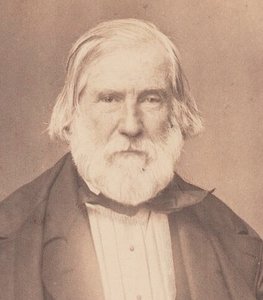
Francis Danby
1793 - 1861 , Ireland
Quick Facts
- Artistic Movement Or Style: Romanticism
- Artists Or Movements Influenced By This Artist: ['John Martin']
- Artists Who Influenced This Artist: ['J.M.W. Turner']
- Date Of Birth: 1793-11-16
- Date Of Death: 1861-02-09
- Full Name: Francis Danby
- Nationality: Irish
- Notable Artworks:
- Disappointed Love
- The Upas Tree
- Sixth Seal
- Avon Gorge
- Place Of Birth: Wexford, Ireland

