 Preview
 Send
Send Share
Share
 Details

 Download
 Similars
 X-Ray
X-Ray Diaporama
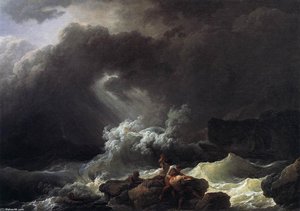
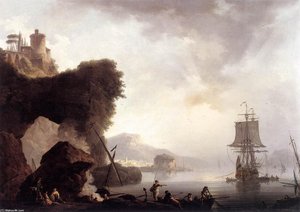
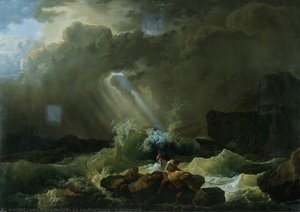
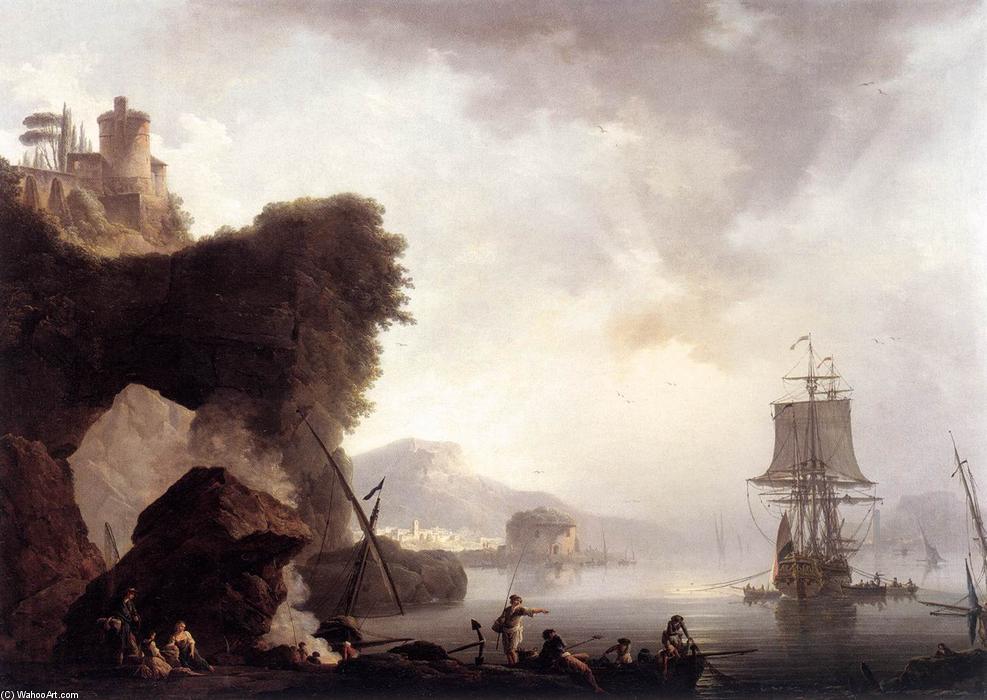
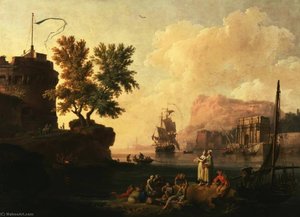
Seascape with Sunset
 Oil On Canvas
- WallArt
- Romantic Landscape
 119.0 x 167.0 cm
 Residenzgalerie
 Read More
Hand Made Oil Reproduction
Hand-painted oil on canvas in your size and frame, made to order by our artists. ( Buy Print Buy Image)




P118B $10

P118H $10

P118W $10

P438Z $10

P508JH $12

P508YH $12

P805H $10

P805Z $10

P919BZ $10

P919G $10

P919XJ $10

P959ZH $10

P968JZ $12

W106C $8

W218G $10

W218JH $8

W218Y $10

W307PJ $10

W316G $10

W316PJ $8

W316Y $10

W398PJ $8

W4111J $10

W500HY $15

W500JH $15

W692G $12

W849H $8

W940BG $15

W953PJ $8




Pick from our preset sizes that match the artwork's original proportions.

You may enter your own dimensions to fit a specific frame or space. If your selected size does not match the original image's proportions, we will either crop the artwork or extend the painting with additional hand-painted elements. A digital mockup will be sent for your approval before production begins.
Please note that the on-screen preview does not reflect the actual cropping or extension. Only the mockup will accurately show the final composition.
While custom sizes are available, we recommend selecting a dimension from the predefined list to preserve the original proportions.
After order, ArtsDot.com team will email client for instructions and provide a mockup preview
Worldwide Delivery () in 3/4 weeks instead of standard 5 weeks. (17 August). No compromise on quality.

Free Worldwide Express Shipping

High-Quality Linen Canvas

Full Shipping Insurance

Customs Tax Refund Guarantee

True Color Matching Guarantee

60-Day Return Policy (Defects Only)

100% Money-Back Guarantee

Bulk Discount Offer
 Glass option is only available in size under 110 CM

Seascape with Sunset
Reproduction Medium
Reproduction Size
-


Total Price
$ 263
Artwork Description
A Dramatic Vision of Coastal Grandeur: Exploring Philip Jacques de Loutherbourg’s “Seascape with Sunset”
Philip James de Loutherbourg's "Seascape with Sunset," completed around 1805, stands as a testament to the Romantic spirit—a movement that prioritized emotion and imagination over strict academic conventions. More than just a depiction of a picturesque coastline, this monumental canvas embodies a profound engagement with both natural beauty and theatrical spectacle, reflecting Loutherbourg’s multifaceted artistic pursuits.The Artist's Context: From Strasbourg to London’s Stage
Born in Strasbourg in 1740, Loutherbourg embarked on an extraordinary journey that began with scholarly ambitions but swiftly pivoted towards the vibrant world of art and theatre. Initially destined for a career in diplomacy, he abandoned his formal education to pursue artistic training under luminaries like Charles-André van Loo and Francesco Giuseppe Casanova—influences that would shape his distinctive style. By 1770, he had established himself in London, becoming a celebrated set designer at Drury Lane, cementing his reputation as an innovator who seamlessly blended visual artistry with dramatic storytelling. This dual vocation – painting landscapes alongside crafting theatrical productions – underscores the Romantic preoccupation with sensory experience and imaginative representation.A Landscape Steeped in Symbolism: Echoes of Antiquity and Enlightenment Thought
The painting’s composition immediately draws the eye to a breathtaking sunset over a rugged coastline dominated by towering cliffs and a sprawling castle complex. Loutherbourg skillfully employs chiaroscuro—the dramatic interplay of light and shadow—to heighten the emotional impact of the scene, mirroring techniques prevalent in Baroque art but infused with Romantic idealism. The rocky shoreline is populated by figures engaged in maritime activities – fishermen hauling nets and gazing upon the horizon – subtly referencing classical myths concerning heroic voyages and encounters with the sublime. Furthermore, the castle perched atop the cliffs symbolizes power, resilience, and contemplation, aligning with Enlightenment ideals of reason and grandeur.Technique and Style: Romantic Realism at Its Finest
Loutherbourg’s masterful brushwork contributes significantly to the painting's immersive quality. He utilizes a loose, expressive style characteristic of Romantic landscape painters, prioritizing tonal variation over meticulous detail. The artist meticulously captures the textures of stone, water, and sailcloth, demonstrating an acute observation of nature combined with a sophisticated understanding of artistic principles. The use of oil paints on canvas allows for rich color saturation and luminosity—essential elements in conveying the ethereal beauty of twilight and capturing the grandeur of the coastal panorama.A Legacy Enduring Through Reproduction: Bringing Loutherbourg’s Vision Home
Currently housed at the Residenzgalerie in Salzburg, Austria, “Seascape with Sunset” continues to inspire admiration for its evocative atmosphere and artistic ambition. High-quality reproductions offer art enthusiasts a chance to experience Loutherbourg's captivating vision—a timeless masterpiece that encapsulates the Romantic fascination with both natural splendor and theatrical grandeur. Its enduring appeal speaks to the universal desire for beauty, contemplation, and connection with the sublime.Related Artworks
Artist Biography
Philip James de Loutherbourg: A Life of Art, Theatre, and Intrigue
- Born: Strasbourg, France (1740)
- Died: 1812
Philip James de Loutherbourg, also known as Philip Jacques de Loutherbourg, was a Franco-British painter celebrated for his dramatic depictions of naval battles, expansive landscapes, and innovative contributions to theatre design. His career spanned several decades, marked by artistic versatility, a brief foray into the occult, and significant influence on subsequent generations of artists.
Early Life and Artistic Training
Born in Strasbourg in 1740, Loutherbourg’s early life was shaped by his father, an engraver and miniaturist. Initially destined for the ministry, he abandoned this path to pursue a career in art. His formal training began in Paris under Charles-André van Loo and Francesco Giuseppe Casanova. Loutherbourg quickly demonstrated exceptional talent, gaining recognition at the Salon of 1763 with his landscape featuring figures and animals. He continued to exhibit successfully at subsequent Salons, earning praise from influential critics like Denis Diderot. In 1767, he was elected to the French Academy, a testament to his burgeoning reputation.
Career in England: Naval Scenes, Landscapes, and Theatre
In 1771, Loutherbourg relocated to London, where he quickly established himself as a prominent artist. A key introduction by David Garrick led to significant commissions for stage designs at the Drury Lane Theatre. His theatrical innovations were groundbreaking, including the creation of the Eidophusikon in 1781 – a mechanical theatre that utilized perspective and illusionistic effects to create immersive scenes. This invention showcased his ingenuity and marked him as a pioneer in theatrical technology.
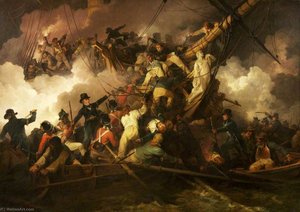
Simultaneously, Loutherbourg gained renown for his history paintings, particularly his depictions of naval battles. His most famous work, Lord Howe's Action, or the Glorious First of June (1795), commemorated a significant British victory and established him as a leading chronicler of maritime events. His landscapes, while sometimes criticized for being somewhat theatrical, captured the picturesque beauty of the English countryside and reflected contemporary aesthetic ideals.
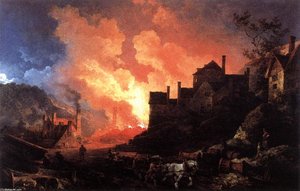
- Notable Works: Lord Howe's Action, or the Glorious First of June, The Destruction of the Armada, Coalbrookdale by Night
A Period of Occult Interests and Later Years
In a surprising turn, Loutherbourg temporarily abandoned painting in 1789 to pursue an interest in alchemy and the supernatural. He became associated with Alessandro di Cagliostro, a notorious figure known for his fraudulent claims of immortality and occult powers. Loutherbourg traveled with Cagliostro before his condemnation to death, though details of this period remain somewhat obscure. Following public opposition to his faith-healing practices, he returned to painting, focusing on history subjects and continuing to produce landscapes and portraits.
Legacy and Influence
Philip James de Loutherbourg left a lasting legacy as a versatile artist who bridged the gap between history painting, landscape art, and theatrical design. His innovative Eidophusikon influenced later developments in stagecraft, while his dramatic naval scenes captured the spirit of an era defined by maritime power. His work can be found in numerous museums worldwide, including the National Maritime Museum and the British Museum. He is also recognized for influencing artists like J.M.W. Turner, demonstrating his significant contribution to the development of Romantic art in Britain.
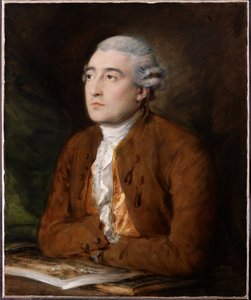
Philip James de Loutherbourg
1740 - 1812 , France
Quick Facts
- Artistic Movement Or Style: Romanticism
- Artists Or Movements Influenced By This Artist: ['Turner']
- Date Of Birth: 1740-10-31
- Date Of Death: 1812-03-11
- Full Name: Philip James de Loutherbourg
- Nationality: Franco-British
- Notable Artworks:
- Lord Howe's Action, or the Glorious First of June
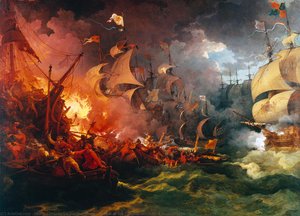
- The Destruction of the Armada
- Coalbrookdale by Night
- Horseman and Cattle in a Thunderstorm
- Place Of Birth: Strasbourg, France
Related Articles

Beyond the Horizon: 10 Landscape Masterpieces for Your Home Decor
Journey through 10 breathtaking landscape paintings by Monet, Van Gogh & more! Explore iconic artworks, artistic techniques & find inspiration for your home decor. Museum-quality reproductions at ArtsDot.com. Discover all masterpieces on ArtsDot.com

Romantic Landscapes: 10 Masterpieces for Your Home | ArtsDot
Journey through 10 Romantic landscape masterpieces by Friedrich, Turner & Cole. Explore emotional art, sublime nature scenes & iconic 19th-century paintings. Find museum-quality reproductions for your home at ArtsDot.com – discover the full collection online!

Evocations of Place: A Historical Journey Through Landscape Art
Explore the rich history of landscape art with ArtsDot. Discover renowned artists, movements like Impressionism & Romanticism, and expert guidance for collecting timeless pieces. Find your perfect serene escape today!
The Allure of the Horizon: A Comprehensive Exploration of Seascape Art Through History & Emotion
Explore the captivating world of seascape art! Discover its history, key artists & movements – from Dutch Masters to Impressionism. Expert insights for collectors and enthusiasts at ArtsDot.

John Constable's Masterpieces: Explore 25 Iconic Landscapes for Your Home
Journey through John Constable's 25 most celebrated landscapes. Explore Romanticism, Dedham Vale & his masterful use of light in iconic paintings like 'Hay Wain'. Find museum-quality art reproductions and elevate your home decor on ArtsDot.com.