 Preview
 Send
Send Share
Share
 Details

 Download
 Similars
 X-Ray
X-Ray Diaporama
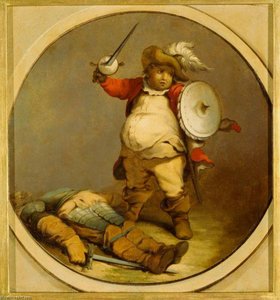
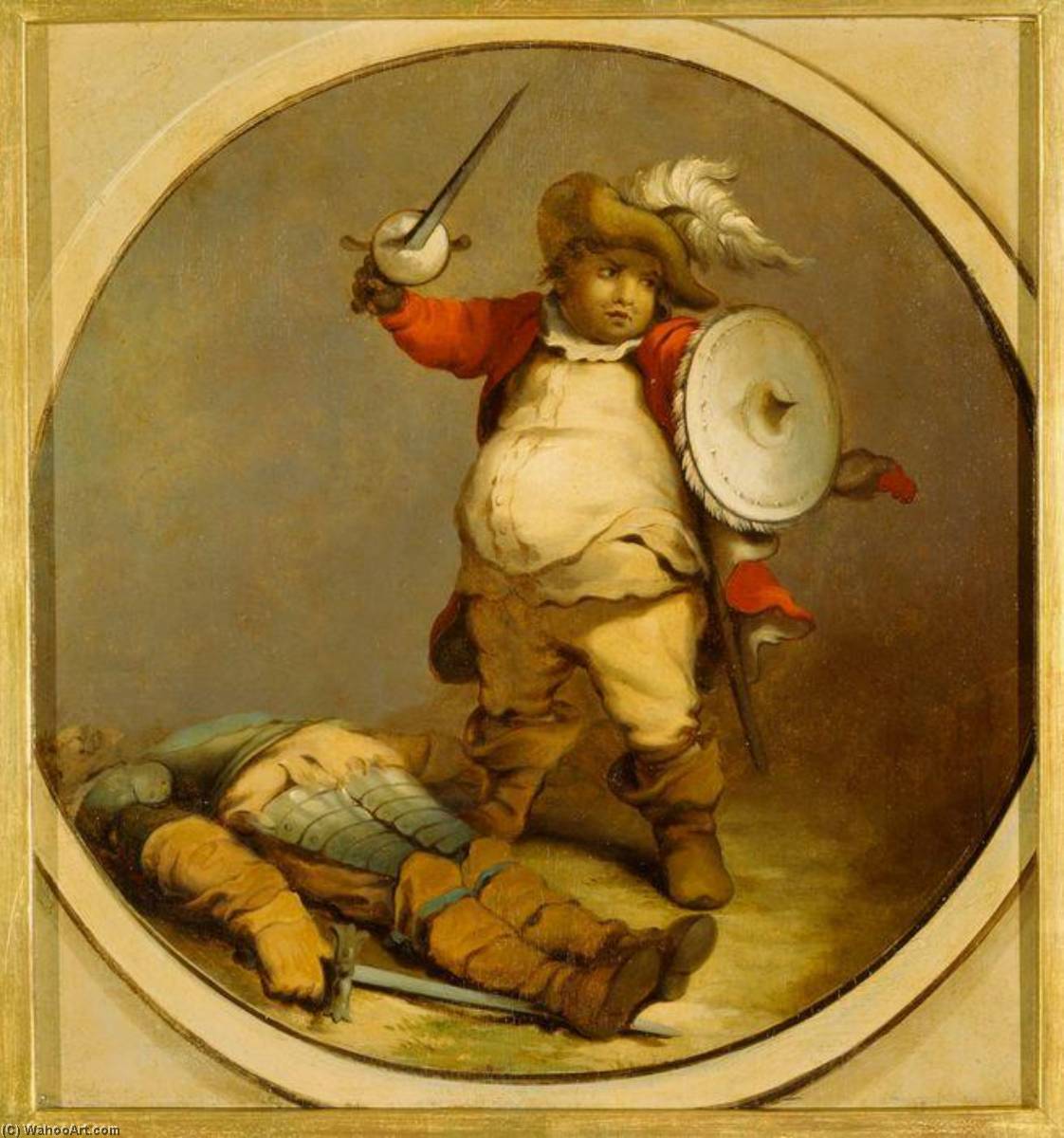
Falstaff with the Body of Hotspur


 Read More
Hand Made Oil Reproduction
Hand-painted oil on canvas in your size and frame, made to order by our artists. ( Buy Print Buy Image)




P118B $10

P118H $10

P118W $10

P438Z $10

P508JH $12

P508YH $12

P805H $10

P805Z $10

P919BZ $10

P919G $10

P919XJ $10

P959ZH $10

P968JZ $12

W106C $8

W218G $10

W218JH $8

W218Y $10

W307PJ $10

W316G $10

W316PJ $8

W316Y $10

W398PJ $8

W4111J $10

W500HY $15

W500JH $15

W692G $12

W849H $8

W940BG $15

W953PJ $8




Pick from our preset sizes that match the artwork's original proportions.

You may enter your own dimensions to fit a specific frame or space. If your selected size does not match the original image's proportions, we will either crop the artwork or extend the painting with additional hand-painted elements. A digital mockup will be sent for your approval before production begins.
Please note that the on-screen preview does not reflect the actual cropping or extension. Only the mockup will accurately show the final composition.
While custom sizes are available, we recommend selecting a dimension from the predefined list to preserve the original proportions.
After order, ArtsDot.com team will email client for instructions and provide a mockup preview
Worldwide Delivery () in 3/4 weeks instead of standard 5 weeks. (2 September). No compromise on quality.

Free Worldwide Express Shipping

High-Quality Linen Canvas

Full Shipping Insurance

Customs Tax Refund Guarantee

True Color Matching Guarantee

60-Day Return Policy (Defects Only)

100% Money-Back Guarantee

Bulk Discount Offer
 Glass option is only available in size under 110 CM

Falstaff with the Body of Hotspur
Reproduction Medium
Reproduction Size
-


Total Price
$ 263
A Moment Frozen in Dramatic Allegory
This arresting scene, titled "Falstaff with the Body of Hotspur," plunges the viewer into a moment charged with dramatic tension and historical weight. The composition immediately draws the eye to the central figure—a man clad in vibrant red costume, whose bearing suggests both triumph and theatrical flourish. He stands over a prone form, the body lying dramatically on the ground, suggesting a recent, violent conclusion. In his hand, he grips not only a sword but also a shield and a cup, objects that speak volumes of martial prowess, celebration, and perhaps, hubris. The surrounding figures—one visible near the left edge and two more positioned to the right—are witnesses to this pivotal instant, their gazes contributing to an atmosphere thick with unspoken narrative.
The Grandeur of Late Eighteenth-Century Spectacle
Painted in 1786 by Philip James de Loutherbourg, this work is a magnificent artifact of its time. Loutherbourg himself was celebrated for his dramatic depictions, particularly those involving naval battles and grand theatrical settings. This painting echoes that penchant for the spectacular, transforming what might have been a historical skirmish into an almost operatic tableau. The style leans heavily into Neoclassical drama mixed with Romantic fervor; it is art designed not merely to be observed, but to be felt—a visceral experience of conflict's aftermath. For collectors and designers alike, this piece offers a window into the elevated taste for dramatic narrative that characterized the late Georgian period.
Symbolism Woven into Crimson and Steel
The symbolism within "Falstaff with the Body of Hotspur" is rich and invites deep contemplation. The contrast between the vibrant red costume and the stillness of the fallen body creates an immediate visual dichotomy: life versus death, action versus repose. Falstaff himself, a figure often associated with wit and excess, juxtaposed against the defeated warrior, Hotspur, suggests themes of fate, consequence, and the fleeting nature of glory. The objects held—the cup perhaps symbolizing victory's spoils or a toast to mortality—all contribute to an allegory that transcends mere portraiture. It speaks to the human condition at its most dramatic zenith.
Technique and Emotional Resonance for the Modern Space
Loutherbourg’s technique, even in reproduction, showcases a mastery of composition and figure painting. The handling of light seems crucial here; it illuminates the central action while allowing the surrounding figures to recede slightly into the drama's periphery. When considering this piece for an interior setting, one must appreciate its inherent energy. It is not a quiet contemplation but a loud, vibrant statement. Reproducing such a work allows one to bring the electrifying tension of a historical epic into a contemporary drawing-room or gallery space, serving as a powerful focal point that sparks conversation and intellectual engagement among admirers.
Related Artworks



Artist Biography
Philip James de Loutherbourg: A Life of Art, Theatre, and Intrigue
- Born: Strasbourg, France (1740)
- Died: 1812
Philip James de Loutherbourg, also known as Philip Jacques de Loutherbourg, was a Franco-British painter celebrated for his dramatic depictions of naval battles, expansive landscapes, and innovative contributions to theatre design. His career spanned several decades, marked by artistic versatility, a brief foray into the occult, and significant influence on subsequent generations of artists.
Early Life and Artistic Training
Born in Strasbourg in 1740, Loutherbourg’s early life was shaped by his father, an engraver and miniaturist. Initially destined for the ministry, he abandoned this path to pursue a career in art. His formal training began in Paris under Charles-André van Loo and Francesco Giuseppe Casanova. Loutherbourg quickly demonstrated exceptional talent, gaining recognition at the Salon of 1763 with his landscape featuring figures and animals. He continued to exhibit successfully at subsequent Salons, earning praise from influential critics like Denis Diderot. In 1767, he was elected to the French Academy, a testament to his burgeoning reputation.
Career in England: Naval Scenes, Landscapes, and Theatre
In 1771, Loutherbourg relocated to London, where he quickly established himself as a prominent artist. A key introduction by David Garrick led to significant commissions for stage designs at the Drury Lane Theatre. His theatrical innovations were groundbreaking, including the creation of the Eidophusikon in 1781 – a mechanical theatre that utilized perspective and illusionistic effects to create immersive scenes. This invention showcased his ingenuity and marked him as a pioneer in theatrical technology.
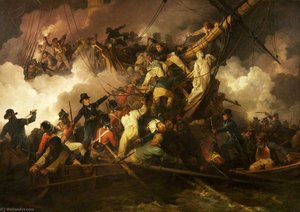
Simultaneously, Loutherbourg gained renown for his history paintings, particularly his depictions of naval battles. His most famous work, Lord Howe's Action, or the Glorious First of June (1795), commemorated a significant British victory and established him as a leading chronicler of maritime events. His landscapes, while sometimes criticized for being somewhat theatrical, captured the picturesque beauty of the English countryside and reflected contemporary aesthetic ideals.
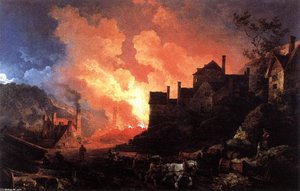
- Notable Works: Lord Howe's Action, or the Glorious First of June, The Destruction of the Armada, Coalbrookdale by Night
A Period of Occult Interests and Later Years
In a surprising turn, Loutherbourg temporarily abandoned painting in 1789 to pursue an interest in alchemy and the supernatural. He became associated with Alessandro di Cagliostro, a notorious figure known for his fraudulent claims of immortality and occult powers. Loutherbourg traveled with Cagliostro before his condemnation to death, though details of this period remain somewhat obscure. Following public opposition to his faith-healing practices, he returned to painting, focusing on history subjects and continuing to produce landscapes and portraits.
Legacy and Influence
Philip James de Loutherbourg left a lasting legacy as a versatile artist who bridged the gap between history painting, landscape art, and theatrical design. His innovative Eidophusikon influenced later developments in stagecraft, while his dramatic naval scenes captured the spirit of an era defined by maritime power. His work can be found in numerous museums worldwide, including the National Maritime Museum and the British Museum. He is also recognized for influencing artists like J.M.W. Turner, demonstrating his significant contribution to the development of Romantic art in Britain.
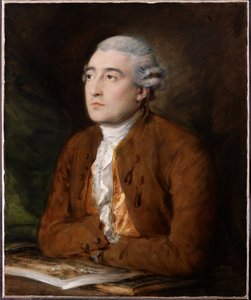
Philip James de Loutherbourg
1740 - 1812 , France
Quick Facts
- Artistic Movement Or Style: Romanticism
- Artists Or Movements Influenced By This Artist: ['Turner']
- Date Of Birth: 1740-10-31
- Date Of Death: 1812-03-11
- Full Name: Philip James de Loutherbourg
- Nationality: Franco-British
- Notable Artworks:
- Lord Howe's Action, or the Glorious First of June
- The Destruction of the Armada
- Coalbrookdale by Night
- Horseman and Cattle in a Thunderstorm
- Place Of Birth: Strasbourg, France
Related Articles
High Medieval Art: 10 Masterpieces That Shaped an Era | ArtsDot
Journey through High Medieval Art! Explore 10 iconic masterpieces – from Giotto's frescoes to stunning Gothic cathedrals. Discover the stories behind these timeless paintings, sculptures & illuminated manuscripts. Find museum-quality art reproductions at ArtsDot.com.
Late Medieval Masterpieces: 10 Artworks That Defined an Era | ArtsDot
Journey through 10 defining Late Medieval masterpieces – from Giotto's frescoes to Jan van Eyck’s realism. Explore the stories, techniques & vibrant colors of Gothic art. Find museum-quality reproductions and elevate your home decor with ArtsDot.com! Discover all masterpieces on ArtsDot.com
Daniel Ridgway Knight: A Study in Victorian Genre Painting & Rural Idealism
Explore the captivating world of Daniel Ridgway Knight, a master of Victorian genre painting. Discover his serene rural scenes, realistic technique & lasting influence on American Impressionism. Learn about his life, art, and collectibility.
Early Medieval Art: 10 Masterpieces That Shaped a New World | ArtsDot
Journey through 10 stunning Early Medieval masterpieces – from the Book of Kells to Carolingian mosaics. Explore art history, symbolism & find museum-quality reproductions for your home at ArtsDot.com. Discover all masterpieces online!
Dame Laura Knight: Reclaiming the Female Gaze in Modern British Art
Explore the life & work of Dame Laura Knight, a pioneering British artist who challenged conventions with her vibrant depictions of theatre, ballet, and wartime scenes. Discover her feminist legacy & artistic innovations.