

 Preview
 Send
Send Share
Share
 Details

 Download
 Similars
 X-Ray
X-Ray Diaporama
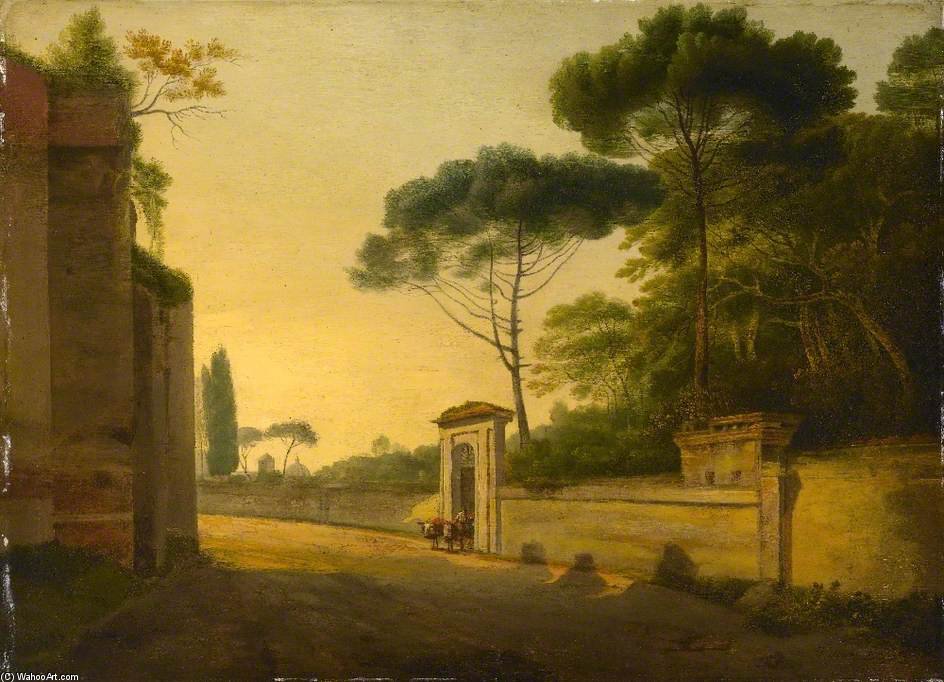
Roadside Scene In Rome

 Read More
Purchase a high-resolution, enhanced digital image, far superior to the online preview.
Each file is meticulously prepared by our in-house specialists using advanced tools and expert manual retouching. We ensure every image has exceptional clarity, precise color accuracy, and fine detail.
The final file is delivered via email within 72 hours, optimized for immediate use in professional, editorial, and print environments. This is the same quality trusted by top-tier design studios, publishers, and galleries.
Digital Image
Download a high-resolution file for personal display, printing, and creative projects. ( Buy Print Buy Hand Made Painting)
Included in Every Digital Image Order
Expert Digital Delivery, Guaranteed
When you choose ArtsDot.com, you're not just getting an image - you're receiving a professionally enhanced digital artwork, crafted with precision and backed by a satisfaction guarantee. Here's everything that comes with your order, automatically:

Fast Email Delivery
Your high-resolution digital image file will be emailed to you within 72 hours of ordering - ready for immediate use.

AI-Enhanced Digital File
Your artwork is professionally optimized using advanced AI tools and manual editing, ensuring maximum detail, clarity, and color accuracy.

Free Lifetime Re-Delivery
Accidentally deleted or lost your file? No worries - we'll resend it to you anytime, free of charge.

No Import Fees - Ever
Enjoy your artwork instantly with zero customs, duties, or delivery fees - digital downloads are always tax-free.

Color Accuracy Guarantee
We ensure your digital image reflects the original colors as closely as possible using professional tools and color management.

60-Day Satisfaction Guarantee
If you're not satisfied with your digital image, we'll revise it or refund 100% within 60 days - no questions asked.

100% Money-Back Guarantee
Not satisfied? Get a full refund within 60 days of receiving your digital file - no questions asked.

Bulk Order Discounts
Buy 3 images, save 10% - Buy 5, save 15% - Buy 10+, save 20%. Great for creative projects, galleries, and agencies.
Collectible Description
A Serene Glimpse of Roman Antiquity: Francis Towne's "Roadside Scene In Rome"
Francis Towne’s “Roadside Scene in Rome” offers a captivating window into the Italian countryside, rendered with a delicate balance of observation and artistic interpretation. This evocative landscape painting transports viewers to a tranquil moment suspended in time, showcasing the beauty of Roman antiquity intertwined with the natural world. The artwork exemplifies Towne's skill in capturing atmospheric perspective and conveying a sense of timelessness.
Style & Technique: Echoes of Baroque Landscape Painting
The painting’s style is firmly rooted in the traditions of classical landscape painting, drawing inspiration from the Baroque era. While Towne was primarily known as a watercolourist, this oil on canvas work demonstrates his versatility and mastery of layering and glazing techniques to achieve depth and luminosity. Notice how he employs horizontal lines to emphasize the vastness of the landscape, contrasted with vertical elements in the trees and architectural structures. The use of warm, golden light is crucial; it casts long shadows and highlights the foliage, creating a sense of warmth and serenity. The technique, while appearing somewhat flat at first glance, reveals subtle brushstrokes that contribute to a delicate surface quality.
Subject & Composition: A Pastoral Idyll
The scene depicts a picturesque roadside in Rome, framed by lush trees and punctuated by architectural remnants. A winding path leads the eye into the distance, drawing the viewer deeper into the landscape. The crumbling wall and building on the left introduce an element of history and decay, hinting at the passage of time. Key compositional elements include:
- Perspective: Creates depth by diminishing objects as they recede.
- Shapes: Primarily organic (trees, hills) with geometric accents from the wall and gate.
- Lighting: Golden hues emphasize warmth and tranquility.
Historical Context & The Artist's Journey
Francis Towne (1739-1816), a British watercolour landscape painter and teacher, experienced a pivotal moment in his artistic development during his travels to Italy in 1780-81. This journey profoundly influenced his style, shaping his appreciation for atmospheric effects and the depiction of natural forms. While he struggled to gain recognition from the Royal Academy during his lifetime, Towne’s work was later championed by collectors like Paul Oppé who recognized the elegance and stylistic innovation of his early works – a “flat colourful pattern-making” that resonated with contemporary trends in English painting. "Roadside Scene In Rome" is a testament to this formative period, reflecting both Italian influences and Towne's unique artistic sensibility.
Symbolism & Emotional Impact: A Sense of Timelessness
Beyond its aesthetic appeal, "Roadside Scene in Rome" carries symbolic weight. The crumbling wall can be interpreted as representing the impermanence of human structures compared to the enduring beauty of nature and the passage of time. The overall mood is one of tranquility and contemplation, evoking a sense of pastoral idyll and timelessness. This painting invites viewers to pause, reflect, and appreciate the serene beauty of the Italian landscape – a scene that continues to resonate with audiences today.
Related Artworks
Artist Biography
The Elegant Vision of Francis Towne
In the delicate interplay of light and wash that defines the golden age of British watercolor, the name Francis Towne emerges as a figure of profound elegance and stylistic distinction. Born in Iselin in 1739, Towne’s journey from an apprentice in the London coach-painting trade to a recognized master of landscape painting is a testament to the transformative power of artistic devotion. His early life, rooted in the industrious atmosphere of Middlesex, provided him with a foundational discipline that would later manifest in his meticulous approach to color and form. Though he began his career far from the fine arts, his innate talent was quickly recognized; by 1759, he had already secured a design prize from the Society of Arts, signaling the arrival of a significant new voice in the English landscape tradition.
The evolution of Towne’s aesthetic was deeply shaped by his travels, most notably his formative journey to Italy between 1780 and 1781. This period of exploration did more than merely expose him to classical vistas; it allowed him to absorb the nuances of light and the sophisticated techniques of contemporary English watercolorists working abroad. Upon his return, his work began to reflect a unique synthesis of topographical accuracy and a more stylized, almost decorative sensibility. This "flat colourful pattern-making," as art historians have noted, aligned perfectly with the burgeoning tastes of his era, blending the rugged beauty of the British countryside—captured during study trips to Wales and the Lake District—with a refined, rhythmic grace that felt both modern and timeless.
A Legacy Rediscovered
Despite his undeniable skill, Towne’s historical trajectory was one of ebb and flow. During his lifetime, he enjoyed a respectable reputation, though he famously faced the frustration of repeated exclusions from the Royal Academy. Following his death in 1816, his name drifted into a period of relative obscurity, as the shifting tides of art history often overlooked those who did not adhere to the rigid academicism of the succeeding generations. It was not until the early 20th century that a passionate revival brought his genius back into the light. The discerning eye of collectors like Paul Oppé played a crucial role in this resurrection; by recognizing the immense value in Towne’s elegant, early manner, these collectors helped ensure that his masterpieces were preserved rather than lost to time.
Today, the significance of Francis Towne is firmly established within the canon of British art. His works are no longer mere curiosities but are celebrated treasures held in the most prestigious institutions worldwide, including:
- The British Museum, where his technical mastery is studied by scholars of watercolor.
- The Yale Center for British Art, which preserves his contribution to the landscape tradition.
- Private Collections, where his ability to evoke atmosphere through subtle washes continues to captivate enthusiasts.
The enduring appeal of Towne lies in his ability to transcend simple documentation. He did not merely paint landscapes; he composed them. Through a sophisticated use of watercolor, he captured the essence of the Devon countryside and the dramatic peaks of Wales with a sense of poetic structure. His legacy remains a vital chapter in the history of British painting, representing a moment when the landscape became a canvas for both naturalistic observation and exquisite, stylized artistry.
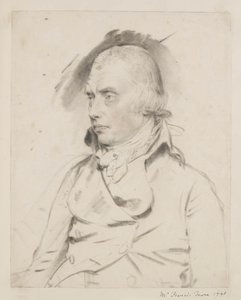
francis towne
1739 - 1816 , United Kingdom
Quick Facts
- Artistic Movement Or Style: Watercolour landscape painting
- Artists Who Influenced This Artist:
- English watercolourists
- John Shackleton
- Date Of Birth: 1739
- Date Of Death: 1816
- Full Name: Francis Towne
- Nationality: British
- Place Of Birth: Iselin, United Kingdom

