 Preview
 Send
Send Share
Share
 Details

 Download
 Similars
 X-Ray
X-Ray Diaporama
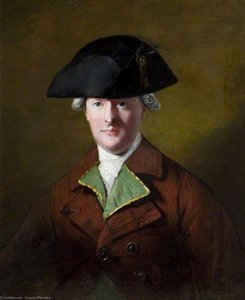
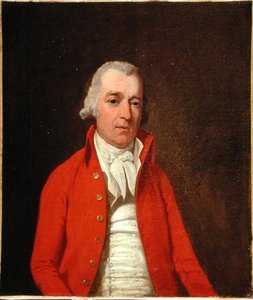
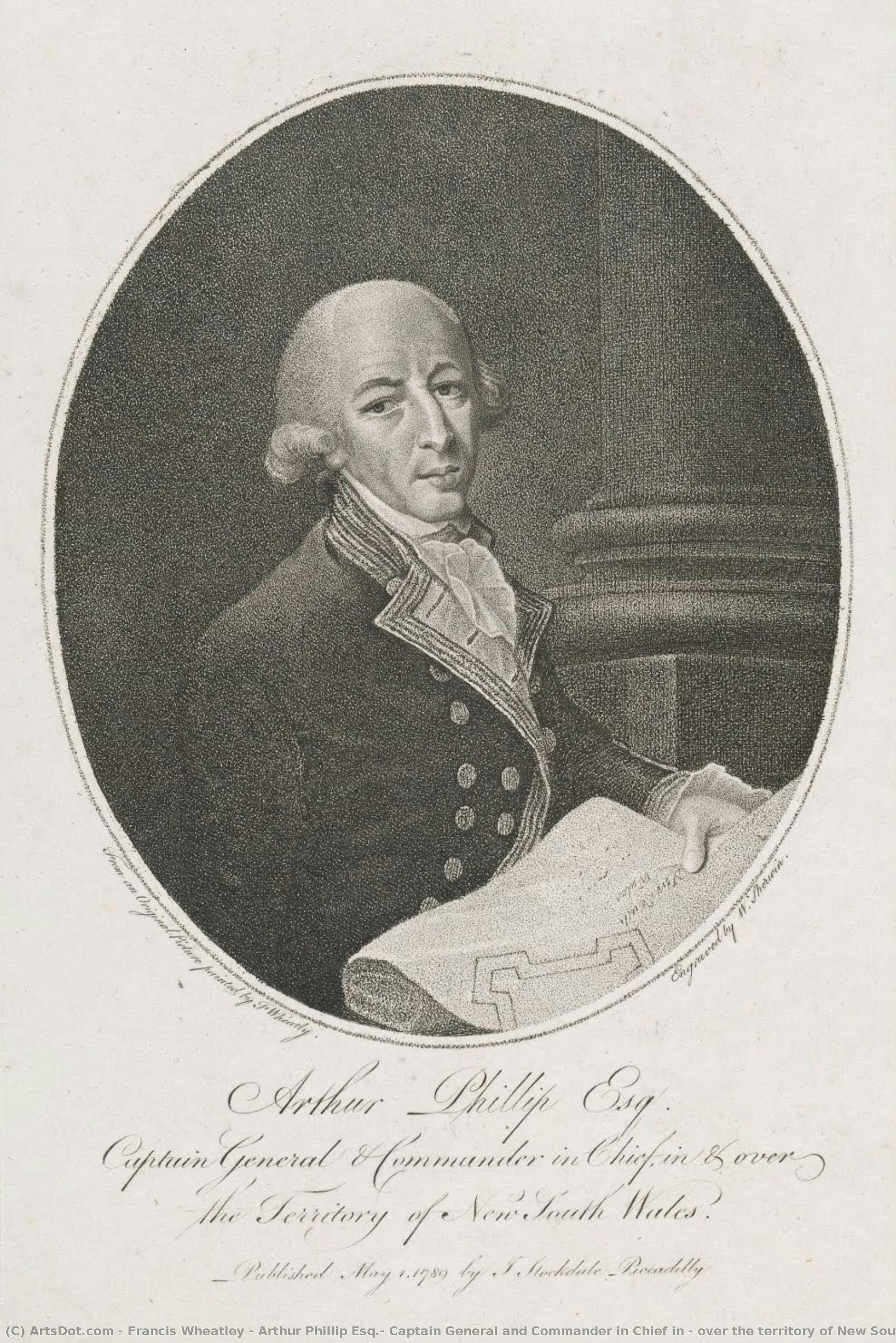
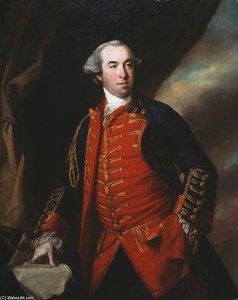
Arthur Phillip Esq., Captain General and Commander in Chief in & over the territory of New South Wales
 Neoclassicism
 1789
1789 24.0 x 19.0 cm
 National Portrait Gallery
 Read More
Hand Made Oil Reproduction
Hand-painted oil on canvas in your size and frame, made to order by our artists. ( Buy Print Buy Image)




































Pick from our preset sizes that match the artwork's original proportions.

You may enter your own dimensions to fit a specific frame or space. If your selected size does not match the original image's proportions, we will either crop the artwork or extend the painting with additional hand-painted elements. A digital mockup will be sent for your approval before production begins.
Please note that the on-screen preview does not reflect the actual cropping or extension. Only the mockup will accurately show the final composition.
While custom sizes are available, we recommend selecting a dimension from the predefined list to preserve the original proportions.
After order, ArtsDot.com team will email client for instructions and provide a mockup preview
Worldwide Delivery () in 3/4 weeks instead of standard 5 weeks. (17 August). No compromise on quality.

Free Worldwide Express Shipping

High-Quality Linen Canvas

Full Shipping Insurance

Customs Tax Refund Guarantee

True Color Matching Guarantee

60-Day Return Policy (Defects Only)

100% Money-Back Guarantee

Bulk Discount Offer
 Glass option is only available in size under 110 CM

Arthur Phillip Esq., Captain General and Commander in Chief in & over the territory of New South Wales
Reproduction Medium
Reproduction Size
-


Total Price
$ 263
Artwork Description
Related Artworks
![Life Of Saint Francis - [04] - Death And Ascension Of St Francis — Giotto Di Bondone, Italian Renaissance](/media/artworks/images/thumbnails/e8/b6/e8b63a7fcb4a42ab89d26ae343d6f757.jpg)
Artist Biography
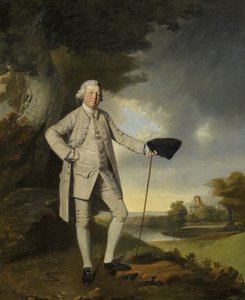
Francis Wheatley: A Life in Portraits and Landscapes
Francis Wheatley (1747-1801) was a prominent English portrait and landscape painter of the 18th century, known for his depictions of rural life, social scenes, and portraits capturing the spirit of his time. Born at Wild Court, Covent Garden, London, he navigated a complex personal life alongside a burgeoning artistic career, leaving behind a legacy celebrated for its accessibility and charm.
Early Life and Artistic Training
Wheatley's early life was marked by both opportunity and instability. The son of a master tailor, his talent for drawing was recognized early on. He studied at William Shipley’s Drawing School, a vital institution for aspiring artists, and the Royal Academy, receiving formal training in artistic techniques. Wheatley demonstrated considerable promise, winning several prizes from the Society of Arts, showcasing his dedication and skill. He assisted in decorating Vauxhall Gardens, a popular London pleasure garden, and collaborated with John Hamilton Mortimer on a ceiling painting at Brocket Hall for Lord Melbourne, gaining valuable experience in large-scale decorative projects.
A Tumultuous Career and Artistic Development
Wheatley's career trajectory was punctuated by periods of success and personal turmoil. He began exhibiting at the Royal Academy in 1778, quickly establishing a reputation as a skilled portraitist and gaining critical acclaim. However, his youthful exuberance led to extravagant habits and mounting debts. In 1779, he eloped to Ireland with Elizabeth Gresse, the wife of fellow artist John Alexander Gresse (1741–1794). This event forced him into exile, but also provided a fertile ground for artistic opportunity.
- Ireland: Wheatley established himself as a portrait painter in Dublin, executing notable works such as the interior of the Irish House of Commons and "The Review of the Dublin Regiments of the Irish Volunteers in College Green" (1779). This latter work became immensely popular, reproduced widely by James Heath and serving as a symbol of Irish patriotism. The painting included prominent figures of Dublin society and visiting dignitaries like Princess Dashkov.
- Return to London: Following the revelation of his personal circumstances, Wheatley returned to London. His artistic style evolved, influenced by the French painter Jean-Baptiste Greuze, evident in his smaller landscapes, portraits, and street scenes.
Key Works and Artistic Style
Wheatley’s artistic output was diverse, encompassing portraiture, landscape painting, and genre scenes. While he produced several subjects for Boydell's Shakespeare Gallery and illustrations for Bell's edition of the poets, his lasting recognition stems from his landscapes and rustic subjects.
- "The Review of the Dublin Regiments": A significant work capturing a pivotal moment in Irish history.
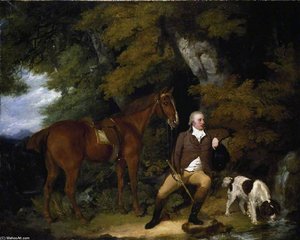
- "Man With A Dog": A charming depiction of companionship, showcasing Wheatley's ability to capture intimate moments.
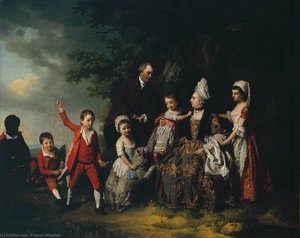
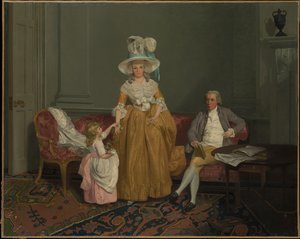
- "The Saithwaite Family": Demonstrates his skill in group portraiture and capturing familial relationships.
- Subjects for Boydell’s Shakespeare Gallery: Illustrating scenes from Shakespearean plays, demonstrating versatility.
His style is characterized by a pleasing simplicity and accessibility. He avoided excessive ornamentation, focusing instead on capturing the essence of his subjects and the atmosphere of the scenes he depicted. Wheatley's landscapes often feature idyllic rural settings, populated with figures engaged in everyday activities, reflecting a growing interest in pastoral themes during the late 18th century.
Legacy and Historical Significance
Francis Wheatley was elected an Associate of the Royal Academy in 1790 and an Academician in 1791. He married Clara Maria Leigh (1768–1838), a fellow artist, in 1787. His work reflects the changing social landscape of England during his lifetime, capturing both the grandeur of aristocratic society and the charm of rural life. While overshadowed by some contemporaries, Wheatley’s accessible style and appealing subject matter ensured his popularity with a wide audience. He is remembered as a significant figure in 18th-century English art, bridging the gap between formal portraiture and the burgeoning interest in landscape painting and genre scenes.
Francis Wheatley
1747 - 1801 , United Kingdom
Quick Facts
- Artistic Movement Or Style: Classical Portraiture
- Artists Who Influenced This Artist: ['Jean-Baptiste Greuze']
- Date Of Birth: 1747
- Date Of Death: 1801
- Full Name: Francis Wheatley RA
- Nationality: English
- Notable Artworks:
- The Saithwaite Family
- Man With A Dog
- Review of Dublin Regiments
- Place Of Birth (City And Country): London, United Kingdom
Related Articles
Francis Bacon's Masterpieces: Exploring 25 Iconic Paintings | ArtsDot
Delve into the haunting world of Francis Bacon with ArtsDot. Explore 25 iconic paintings, from his visceral portraits to powerful triptychs. Discover the stories behind these masterpieces & find museum-quality art reproductions for your home. Explore the full collection online!
John Francis Sartorius II: Equestrian Elegance & the Rise of British Portraiture
Explore the captivating world of Francis Sartorius II (1734-1804), a leading British painter renowned for his exquisite equestrian portraits and hunting scenes. Discover his life, techniques & enduring legacy.
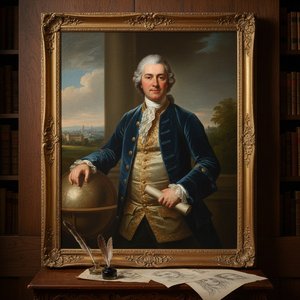
Thomas Hudson: A Study in 18th-Century Portraiture & British Artistic Identity
Explore the life & work of Thomas Hudson, a leading 18th-century British portraitist. Discover his mastery of the 'Grand Manner,' influential style, and lasting impact on British art. Learn about his notable portraits like Judge William Noel & Alexander Van Aken.
18th Century Masters: 10 Artworks That Define an Era | ArtsDot
Journey through 18th century art! Explore 10 iconic paintings – from Rococo elegance to Neoclassical grandeur. Discover Fragonard, David & more. Find museum-quality reproductions and elevate your home decor on ArtsDot.com.
Thomas Phillips: Portraiture, Patronage & the Rise of Victorian Society Art
Explore the life & work of Thomas Phillips (1770-1845), a leading Victorian portrait painter renowned for his captivating portrayals of Britain's 'men of genius'. Discover his artistic journey, patronage, and lasting legacy.