 Preview
 Send
Send Share
Share
 Details

 Download
 Similars
 X-Ray
X-Ray Diaporama
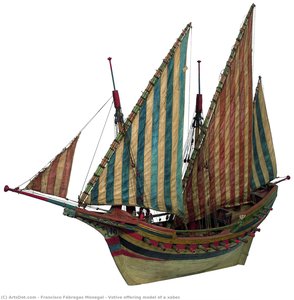
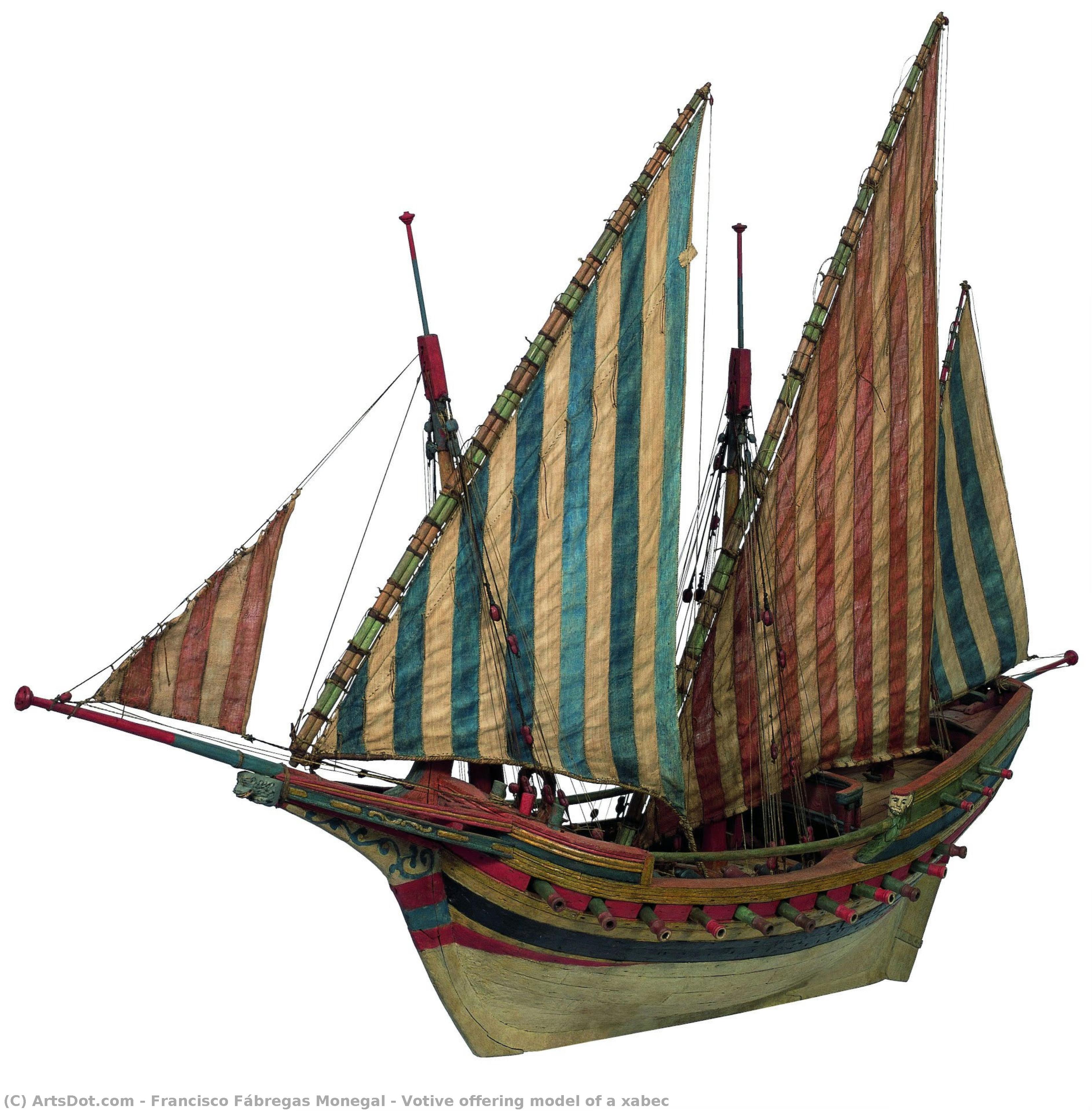
Votive offering model of a xabec
 Acrylic On Canvas
- WallArt
 19th Century
 5.0 x 192.0 cm
 Maritime Museum of Barcelona
 Read More
Hand Made Oil Reproduction
Hand-painted oil on canvas in your size and frame, made to order by our artists. ( Buy Print Buy Image)




P118B $10

P118H $10

P118W $10

P438Z $10

P508JH $12

P508YH $12

P805H $10

P805Z $10

P919BZ $10

P919G $10

P919XJ $10

P959ZH $10

P968JZ $12

W106C $8

W218G $10

W218JH $8

W218Y $10

W307PJ $10

W316G $10

W316PJ $8

W316Y $10

W398PJ $8

W4111J $10

W500HY $15

W500JH $15

W692G $12

W849H $8

W940BG $15

W953PJ $8




Pick from our preset sizes that match the artwork's original proportions.

You may enter your own dimensions to fit a specific frame or space. If your selected size does not match the original image's proportions, we will either crop the artwork or extend the painting with additional hand-painted elements. A digital mockup will be sent for your approval before production begins.
Please note that the on-screen preview does not reflect the actual cropping or extension. Only the mockup will accurately show the final composition.
While custom sizes are available, we recommend selecting a dimension from the predefined list to preserve the original proportions.
After order, ArtsDot.com team will email client for instructions and provide a mockup preview
Worldwide Delivery () in 3/4 weeks instead of standard 5 weeks. (1 September). No compromise on quality.

Free Worldwide Express Shipping

High-Quality Linen Canvas

Full Shipping Insurance

Customs Tax Refund Guarantee

True Color Matching Guarantee

60-Day Return Policy (Defects Only)

100% Money-Back Guarantee

Bulk Discount Offer
 Glass option is only available in size under 110 CM

Votive offering model of a xabec
Reproduction Medium
Reproduction Size
-


Total Price
$ 263
A Testament to Maritime Faith: Votive Offering Model of a Xabec
- Provenance and Significance: This meticulously crafted votive offering model, originating from the hermitage of Santa Cristina at Lloret de Mar, offers an extraordinary glimpse into the maritime world of the late XVIII century. More than just a representation of a vessel, it’s a tangible expression of faith, hope, and gratitude – a poignant reminder of sailors' reliance on divine intervention during perilous voyages across the Mediterranean. The model’s survival is remarkable; it represents one of the last known examples of the xebec, a distinctive Mediterranean sailing vessel that has vanished from our ports, leaving behind only this evocative artifact as a testament to its existence.
- The Xabec: A Vessel of Power and Grace: The xebec itself was a formidable ship, expertly designed for the challenging conditions of the Mediterranean Sea. Characterized by its three masts – a foremast angled towards the prow, a main mast, and a mizzen mast – and lateen rig, it possessed both speed and maneuverability. Armed with twenty-eight cannons, this vessel was a force to be reckoned with, yet its beauty is equally evident in the carefully rendered sails: blue-and-white striped on the foremast and mizzen, and red-and-white striped on the main mast and jib. The inclusion of a human head carved onto the helm adds an unsettling, almost ritualistic element, hinting at the superstitious beliefs prevalent amongst sailors.
- The Hand of Francisco Fabregas: Attributed to Francisco Fabregas Monegal, a contemporary artist born in Barcelona in 1977, this model embodies the meticulous detail and artistic skill characteristic of the period. The inscription “Ex-voto, I was made by Francisco Fabregas 1785” confirms its status as a votive offering – a deliberate act of devotion intended to secure safe passage and favorable winds. Fabregas’s hand is not merely replicating a ship; he's channeling the hopes and anxieties of a seafaring community.
Artistic Technique and Materials
- Painting Medium: The model was executed in paint, likely oil on wood or a similar durable substrate. The artist’s skillful use of color – the vibrant blues, reds, and whites – creates a dynamic visual effect, capturing the movement of the sails and the light reflecting off the water. The level of detail suggests considerable time and dedication to the project.
- Construction Details: The model’s construction reveals a sophisticated understanding of naval architecture. The accurate depiction of the rigging, the hull shape, and the placement of the cannons demonstrate meticulous observation and technical proficiency. The inclusion of figures within the scene further enhances the sense of scale and realism.
Symbolism and Historical Context
- Votive Offerings as Ritual: Votive offerings were not simply decorative objects; they were integral to maritime religious practices. Sailors would commission these models – often after a successful voyage or a miraculous event – as tokens of gratitude to the sea gods, seeking protection and favorable conditions for future journeys. The act of creating and presenting such an offering was a deeply personal and communal experience.
- The Decline of the Xebec: The xebec’s eventual disappearance reflects broader changes in maritime trade and naval power during the late XVIII and early XIX centuries. Technological advancements, shifting geopolitical landscapes, and evolving commercial interests contributed to the decline of this once-dominant vessel type.
Dimensions and Acquisition
- Size: Measuring 5 x 192 cm, this model offers a substantial presence, allowing for detailed examination and integration into various interior design schemes. Its size is perfectly suited for display in both private collections and commercial spaces.
- Authenticity and Reproduction: ArtsDot.com presents a meticulously hand-painted reproduction of this historically significant artifact, ensuring the highest standards of quality and authenticity. Each reproduction captures the essence of the original model, offering collectors and enthusiasts a unique opportunity to own a piece of maritime history.
Related Artworks
Artist Biography
A Legacy of Maritime Devotion
The name Francisco Fábregas Monegal evokes a unique intersection of athletic prowess and cultural heritage. While widely recognized in the annals of sporting history as a Spanish field hockey legend and an Olympic silver medalist, his connection to the artistic world offers a profound glimpse into the maritime soul of Catalonia. His presence in the art historical record is inextricably linked to evocative artifacts that capture the essence of Mediterranean seafaring traditions, bridging the gap between physical endurance and the delicate craftsmanship of historical devotion.
The artistry associated with his name often centers on pieces that serve as windows into a bygone era of maritime faith. One such notable work, Votive offering model of a xabec, stands as a testament to the spiritual landscape of the late eighteenth century. This meticulously crafted piece, which originated from the hermitage of Santa Cristina at Lloret de Mar, is far more than a mere miniature vessel; it is a tangible expression of hope and gratitude. Such votive offerings were essential components of maritime life, representing the prayers of sailors who sought divine intervention during the perilous voyages across the Mediterranean waves.
The Spirit of the Xabec and Catalan Heritage
To understand the significance of the works connected to Fábregas Monegal, one must look toward the vanished world of the xebec. This distinctive Mediterranean sailing vessel, characterized by its power and grace, has largely disappeared from modern ports, leaving behind only evocative remnants like this model. The artistry involved in recreating or preserving such a legacy allows us to witness the technical sophistication of naval traditions within the stunning Gothic setting of the Maritime Museum of Barcelona.
The historical significance of these works lies in their ability to act as a bridge between the past and the present:
- Cultural Preservation: The models serve as vital links to the Catalan seafaring identity, preserving the memory of vessels that once dominated the coastal trade.
- Spiritual Narrative: Through the medium of votive art, we encounter the deep-seated religious traditions of Mediterranean sailors, where every voyage was a negotiation with the divine.
- Technical Mastery: The intricate details of these models reflect the high level of craftsmanship required to document naval architecture through art.
Through this lens, the legacy of Francisco Fábregas Monegal transcends the boundaries of the athletic arena, touching upon the very heart of Spanish maritime history and the enduring human desire to find beauty and protection within the vast, unpredictable sea.

francisco fábregas monegal
1977 - , Spain
Quick Facts
- Artistic Movement Or Style: Street art, Portraiture
- Artists Who Influenced This Artist: ['Gordon Matta-Clark],\n "Artists or movements influenced by this artist": ["Kehinde Wiley"]\n}']
- Date Of Birth: 1977
- Full Name: Caledonia Dance Curry”, aka Swoon
- Nationality: American
- Notable Artworks:
- Anthropocene Extinction
- Santa’s Ghetto
- Place Of Birth: New London, CT, USA