
A Maritime Soul: Unveiling Barcelona’s Drassanes
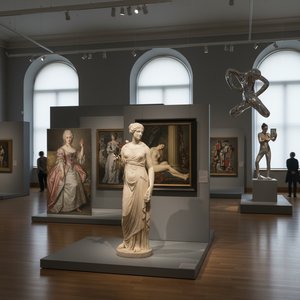
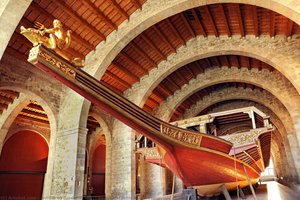
Nestled within the formidable walls of the Royal Shipyards – or Drassanes Reials de Barcelona – lies a treasure trove not just of nautical artifacts, but of Catalan history itself. The Maritime Museum isn't merely a repository of ships and instruments; it’s an immersive journey through centuries of seafaring prowess, a tangible connection to the city’s vital role as a Mediterranean power. These ancient docks, initiated in the 13th century under King Peter III, weren’t simply places where vessels were built – they were the beating heart of Barcelona's naval ambitions, echoing with the clang of hammers and the dreams of explorers charting new horizons. The museum skillfully blends the grandeur of Gothic architecture, a testament to the shipyard’s enduring legacy, with an astonishingly diverse collection that spans from Roman-era remains beneath the site to meticulously crafted models of legendary ships.
- Architectural Majesty: The Drassanes themselves are a breathtaking spectacle – soaring arches, vaulted ceilings, and imposing stone walls speak volumes about Barcelona’s engineering skill and strategic importance. A recent archaeological dig has unearthed layers of history beneath the museum, revealing Roman foundations that predate even the medieval shipyard, adding an unexpected depth to the site's narrative.
- The Santa Eulàlia: The undisputed star of the collection is undoubtedly the schooner *Santa Eulàlia*, a remarkably preserved example of 19th-century sailing technology. Stepping aboard this vessel feels like stepping back in time, allowing visitors to almost smell the salt spray and hear the cries of gulls – an intimate glimpse into the lives of those who braved the open seas.
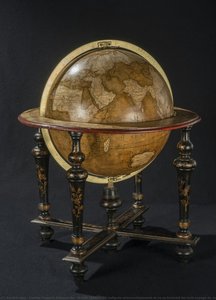
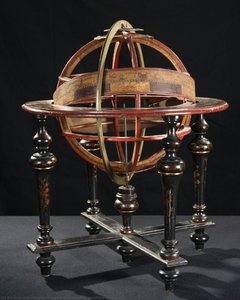
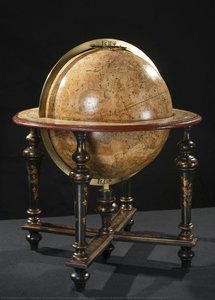
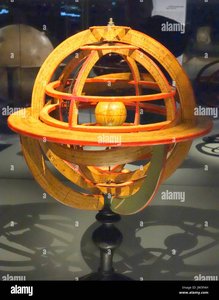
- A Treasury of Navigation: Beyond the ships, the museum boasts a remarkable array of navigational instruments—astrolabes, sextants, and intricately detailed portolan charts—that guided explorers across uncharted territories. These tools represent not just technological innovation but also the spirit of discovery that defined the Catalan maritime tradition.
Echoes of the Golden Age: Ship Models and Artistic Detail
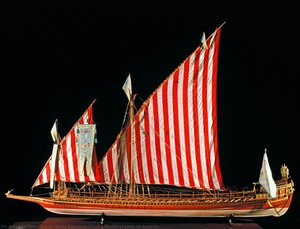
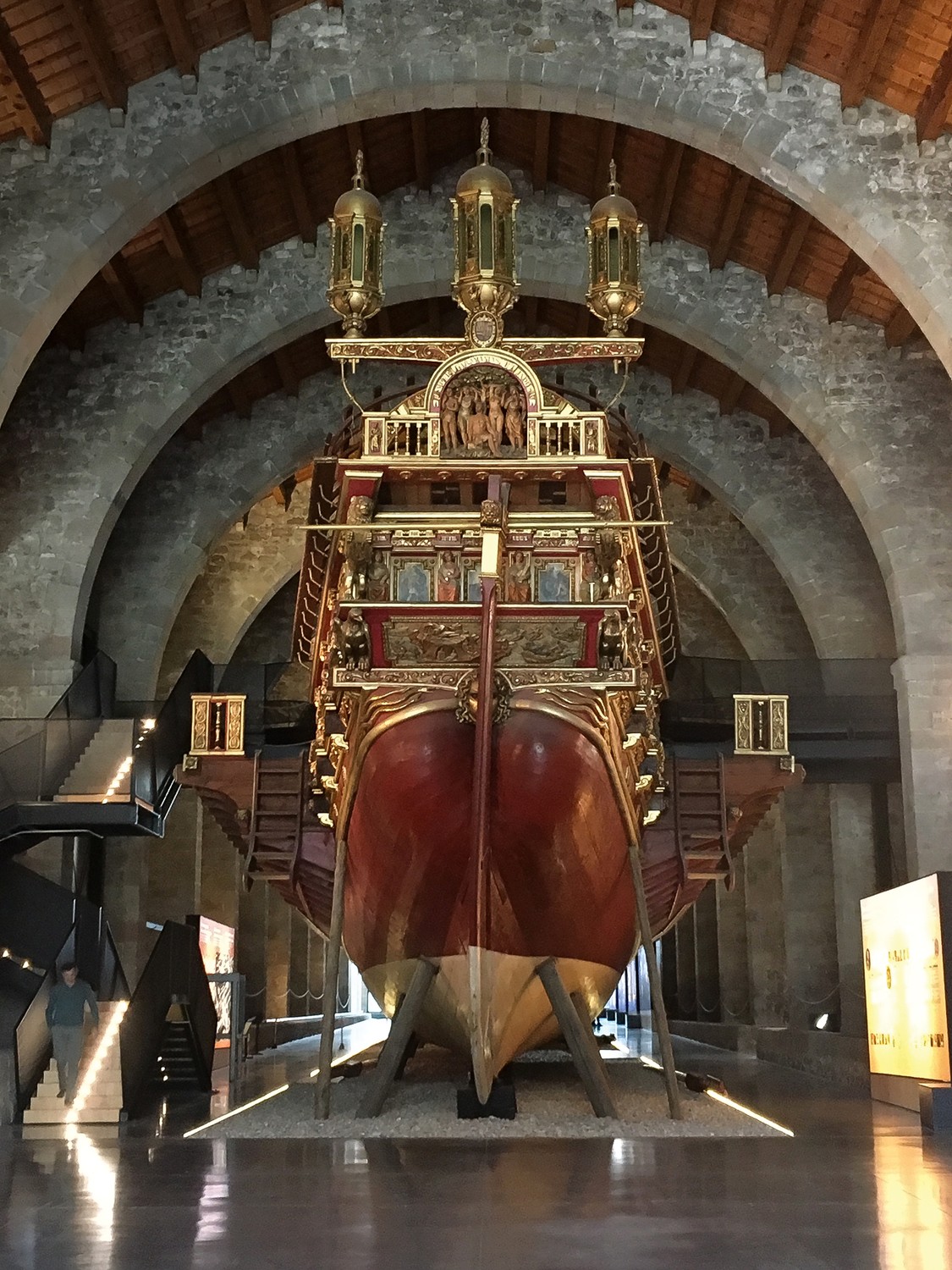
The museum’s collection is a testament to both the practicalities and the artistry of shipbuilding. Intricately crafted ship models, ranging from miniature replicas of warships to delicate representations of merchant vessels, reveal the evolution of naval design through the ages. These aren't simply static displays; they are miniature worlds of wood and canvas, showcasing the skill and precision of Catalan craftsmen. But it’s not just about engineering—the models often incorporate exquisite detail, reflecting the aesthetic sensibilities of the period. The meticulous rendering of sails, rigging, and even decorative elements speaks to a deep appreciation for beauty within the maritime world.
Notable Highlights:- Portolan Charts: These meticulously drawn maps, unique to the Mediterranean region, are invaluable historical documents, providing insights into trade routes, coastal geography, and navigational practices.
- Bartolomeo Oliva’s Cartography: The museum houses a significant collection of maps created by Bartolomeo Oliva (1538-1588), a renowned Spanish cartographer famed for his detailed portolan charts of the Mediterranean. His work is particularly noteworthy for its accuracy and artistic merit.
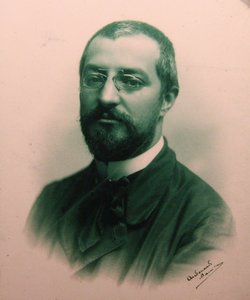
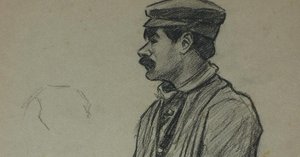
- Josep Pineda Guerra’s Maritime Aquarelles: The museum also features a selection of stunning maritime aquarelles by Josep Pineda Guerra (1837-1907), a Spanish painter renowned for his detailed depictions of ships at sea.
Beyond the Artifacts: A Cultural Tapestry
What truly distinguishes the Maritime Museum is its holistic approach to storytelling. It’s not simply about displaying objects; it's about conveying the cultural impact of seafaring on Catalan society, exploring the lives of those who dedicated themselves to the maritime world, and illuminating the vital role Barcelona played as a major Mediterranean port. The museum delves into the evolution of naval technology, tracing the innovations that propelled exploration and trade. It celebrates the courage and skill of Catalan sailors and explorers who charted new routes and expanded horizons. The exhibits don’t just present facts; they evoke a sense of wonder and connection to the past.
A Legacy in Stone and Sea: Contemporary Connections
The Maritime Museum offers more than just a historical journey—it provides a unique aesthetic experience, blending the grandeur of the Gothic architecture with the intricate details of the maritime artifacts. The interplay between these elements creates an atmosphere that resonates with history and artistry, inspiring art collectors, interior designers, and anyone seeking to connect with Barcelona’s rich cultural heritage. The museum's ongoing collaborations with organizations like Astilleros Cardona, S.A., a historic Spanish shipbuilding company, demonstrate a commitment to preserving maritime traditions while embracing contemporary innovation. The museum continues to evolve, offering new exhibitions and engaging programs that ensure its legacy as a vital center for maritime culture for generations to come.