 Preview
 Send
Send Share
Share
 Details

 Download
 Similars
 X-Ray
X-Ray Diaporama
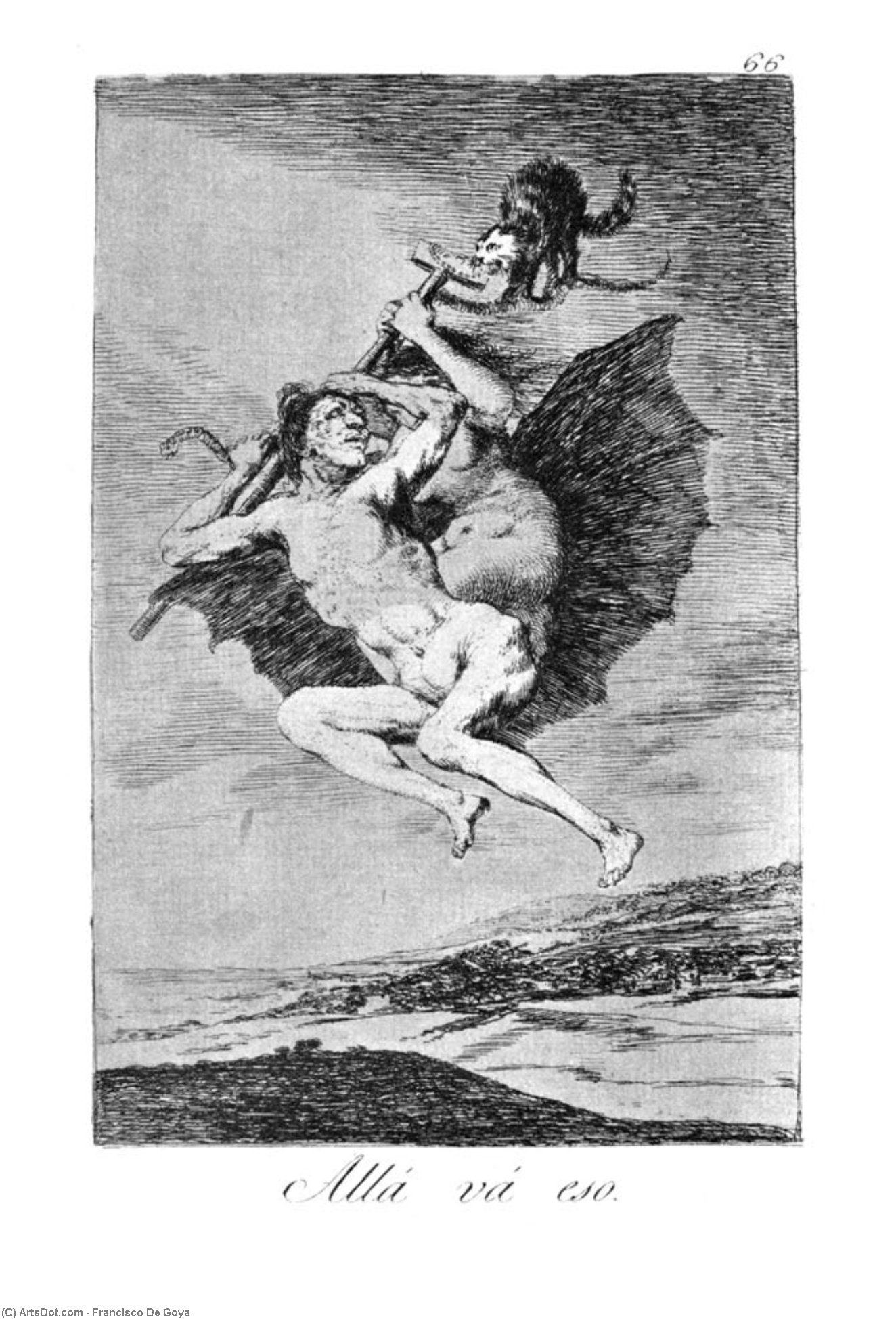
There it goes
 Etching
- WallArt
- Romanticism
 1799
1799- 19th Century
 21.0 x 15.0 cm
 Read More
Hand Made Oil Reproduction
Hand-painted oil on canvas in your size and frame, made to order by our artists. ( Buy Print Buy Image)




P118B $10

P118H $10

P118W $10

P438Z $10

P508JH $12

P508YH $12

P805H $10

P805Z $10

P919BZ $10

P919G $10

P919XJ $10

P959ZH $10

P968JZ $12

W106C $8

W218G $10

W218JH $8

W218Y $10

W307PJ $10

W316G $10

W316PJ $8

W316Y $10

W398PJ $8

W4111J $10

W500HY $15

W500JH $15

W692G $12

W849H $8

W940BG $15

W953PJ $8




Pick from our preset sizes that match the artwork's original proportions.

You may enter your own dimensions to fit a specific frame or space. If your selected size does not match the original image's proportions, we will either crop the artwork or extend the painting with additional hand-painted elements. A digital mockup will be sent for your approval before production begins.
Please note that the on-screen preview does not reflect the actual cropping or extension. Only the mockup will accurately show the final composition.
While custom sizes are available, we recommend selecting a dimension from the predefined list to preserve the original proportions.
After order, ArtsDot.com team will email client for instructions and provide a mockup preview
Worldwide Delivery () in 3/4 weeks instead of standard 5 weeks. (16 August). No compromise on quality.

Free Worldwide Express Shipping

High-Quality Linen Canvas

Full Shipping Insurance

Customs Tax Refund Guarantee

True Color Matching Guarantee

60-Day Return Policy (Defects Only)

100% Money-Back Guarantee

Bulk Discount Offer
 Glass option is only available in size under 110 CM

There it goes
Reproduction Medium
Reproduction Size
-


Total Price
$ 288
Artwork Description
A Descent into Dreamlike Flight: Goya’s “There it goes”
Francisco de Goya's "There it goes," etched in 1799, is not merely a depiction of two figures suspended in the air; it’s a haunting meditation on desire, escape, and perhaps, the inevitable loss that shadows even the most fervent pursuits. This monochrome masterpiece, measuring 21 x 15 cm, offers a profound glimpse into the artist's Romantic sensibility – a period defined by intense emotion, fascination with the supernatural, and a willingness to confront uncomfortable truths about humanity. The work’s immediate impact lies in its dramatic composition: two figures, a man and woman, are propelled upwards against a simplified landscape, creating an undeniable sense of upward motion that draws the viewer into their enigmatic dance.
The Language of Line: Technique and Style
- Etching Mastery: Executed with meticulous precision, “There it goes” is a testament to Goya’s unparalleled skill in etching. The process began with drawing an image onto a copper plate using acid-resistant lines – a technique known as *matrix*. This plate was then subjected to carefully controlled corrosion with acid, creating the recessed lines that would form the artwork's foundation.
- Monochromatic Drama: Goya’s masterful use of black ink on white paper generates a powerful visual effect. The artist skillfully manipulated hatching and cross-hatching – layering parallel lines to create varying degrees of darkness – to build up tonal values, suggesting depth and form with remarkable subtlety.
- Romantic Expressionism: The expressive lines themselves are the defining characteristic of Goya’s style during this period. They aren't simply delineating shapes; they are conveying emotion, movement, and a sense of unease that is deeply rooted in the Romantic aesthetic.
Symbolic Flight and Fragmented Reality
The subject matter of “There it goes” invites multiple interpretations. The figures’ flight can be read as an allegory for escape – a yearning to transcend earthly constraints, perhaps fueled by artistic inspiration represented by the flute held by the man. Yet, there's also a palpable sense of melancholy and detachment. The simplified landscape below, with its suggestion of buildings and water, feels distant and unreal, mirroring the figures’ disengagement from reality. Goya was known for his ability to capture the darker aspects of human experience, and this work is no exception; it hints at a profound sadness underlying the seemingly joyous act of flight.
A Window into Goya's World
Created in 1799, “There it goes” reflects Goya’s evolving artistic vision. Following his early commissions for the Spanish court, he began to explore darker themes and more expressive styles, anticipating the anxieties of the modern age. This etching exemplifies his shift towards a deeply personal and emotionally charged art – one that would profoundly influence generations of artists to come. The work's enduring power lies not just in its technical brilliance but also in its ability to evoke a sense of mystery and contemplation, prompting viewers to confront their own desires, fears, and the fleeting nature of existence.
Related Artworks
Artist Biography
The Spanish Soul: A Life Forged in Shadow and Light
Francisco José de Goya y Lucientes, a name that resonates through the halls of art history, embodies a fascinating paradox. He was both a product of his time – steeped in the traditions of Old Masters – and a visionary who foreshadowed the anxieties and expressive freedom of modern art. Born in 1746 in the humble village of Fuendetodos, Spain, Goya’s journey from aspiring provincial artist to court painter, and ultimately, to a chronicler of human suffering and societal decay, is a testament to his extraordinary talent and the turbulent era he inhabited. His early training began at fourteen under José Luzán y Martinez, laying a foundation in traditional techniques before he moved to Madrid and refined his skills with Anton Raphael Mengs, then the dominant artistic force at the Spanish court. This initial period instilled in him a mastery of form and composition, evident in his early commissions – designs for tapestries that showcased lively scenes of everyday life, reflecting a Rococo sensibility tempered by a distinctly Spanish realism. Marriage to Josefa Bayeu, sister of another painter within the royal circle, further cemented his position within the artistic establishment. These early works, while charming and skillfully executed, offered little hint of the profound emotional depth and unsettling darkness that would come to define his later oeuvre.Ascension and Transformation: From Courtly Grace to Inner Turmoil
Goya’s ascent through the ranks of the Spanish court was steady. He became a painter to the Royal Chamber in 1786, securing a stream of portrait commissions from the aristocracy and royalty. These portraits are remarkable not merely for their technical brilliance – Goya possessed an uncanny ability to capture likeness with unflinching honesty – but also for their psychological insight. He didn’t simply paint what his sitters *looked* like; he revealed something of their character, their vulnerabilities, and even their hidden anxieties. The Countess of Chinchón, for example, is not merely a beautiful woman in an elegant gown, but a figure radiating intelligence and perhaps a touch of melancholy. However, beneath the veneer of courtly success, a transformation was brewing within Goya. In 1793, a severe illness left him profoundly deaf, an event that irrevocably altered his perception of the world and, consequently, his art. This affliction plunged him into a period of intense introspection and isolation, severing his connection to the social life he once enjoyed and forcing him inward, towards a darker, more subjective reality. The shift in his artistic style was dramatic. Gone were the bright colors and cheerful scenes; in their place emerged a brooding palette, loose brushwork, and compositions charged with emotional intensity. He began to explore themes of madness, violence, and the irrational, foreshadowing the anxieties that would grip Europe in the coming decades.The Dark Visions: Caprichos, Disasters, and Black Paintings
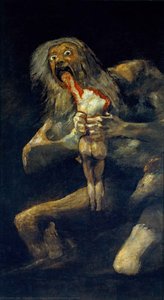
This period of artistic ferment culminated in some of Goya’s most iconic works. Los Caprichos, a series of eighty etchings published in 1799, are a scathing satire of Spanish society – its follies, superstitions, and moral corruption laid bare with unflinching wit and biting irony. The images are grotesque yet captivating, populated by witches, monsters, and caricatures of the aristocracy, all rendered with a masterful command of etching techniques. But it was The Disasters of War, created between 1810 and 1820, that truly cemented Goya’s reputation as a fearless chronicler of human suffering. These harrowing etchings depict the brutality of the Peninsular War – the atrocities committed by both sides, the starvation, the despair, and the utter devastation wrought upon the Spanish people. They are not heroic depictions of battle; they are unflinching portrayals of its horrors, devoid of any romanticism or glorification. Perhaps most unsettling of all are The Black Paintings, a series of fourteen murals Goya painted directly onto the walls of his house, “Quinta del Sordo” (the Deaf Man’s Villa), between 1819 and 1823. These works – including the terrifying Saturn Devouring His Son and the haunting Asmodea – are a descent into the darkest recesses of the human psyche, expressing themes of despair, madness, and existential dread with unparalleled intensity. They represent a radical departure from traditional artistic conventions, anticipating the expressive power of abstract art.A Legacy of Innovation and Influence
In 1824, disillusioned by political unrest in Spain, Goya sought exile in Bordeaux, France, where he continued to work until his death in 1828. His final years were marked by a renewed focus on printmaking, culminating in the La Tauromaquia series, which explored the spectacle and brutality of bullfighting. Francisco Goya’s legacy is immense and far-reaching. He stands as a pivotal figure in art history, bridging the gap between the Old Masters and the modern movement. His influence can be seen in the works of countless artists who followed – from Édouard Manet and Pablo Picasso to Francis Bacon – all drawn to his expressive brushwork, psychological depth, and willingness to confront uncomfortable truths. He challenged artistic conventions, embraced innovation, and dared to explore the darker aspects of human experience, leaving behind a body of work that continues to resonate with audiences today. Goya wasn’t merely painting pictures; he was holding up a mirror to society, forcing us to confront our own flaws and vulnerabilities, and reminding us of the enduring power – and fragility – of the human spirit.Themes and Techniques
Throughout his career, several recurring themes emerge in Goya’s work. The exploration of human folly and societal corruption is prominent in Los Caprichos, while the horrors of war are brutally depicted in The Disasters of War. A fascination with darkness, superstition, and the irrational pervades much of his later output, culminating in the unsettling imagery of The Black Paintings. Technically, Goya was a master of various mediums. He excelled in portraiture, capturing not only physical likeness but also psychological depth. His use of color evolved over time, from the lighter palettes of his early works to the somber tones of his later paintings and etchings. He was particularly innovative in his printmaking techniques, utilizing aquatint to create tonal variations and dramatic effects.- Etching: Goya’s mastery of etching allowed him to create intricate details and expressive lines.
- Aquatint: This technique enabled him to achieve a range of tones and textures, enhancing the emotional impact of his prints.
- Brushwork: His loose and expressive brushwork, particularly in his later paintings, contributed to their sense of immediacy and emotional intensity.
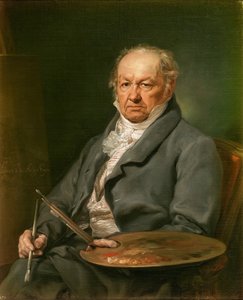
Francisco José de Goya y Lucientes
1746 - 1828 , Spain
Quick Facts
- Artistic Movement Or Style: Romanticism
- Artists Or Movements Influenced By This Artist:
- Édouard Manet
- Pablo Picasso
- Francis Bacon
- Artists Who Influenced This Artist:
- Anton Raphael Mengs
- José Luzán y Martinez
- Date Of Birth: March 30, 1746
- Date Of Death: April 16, 1828
- Full Name: Francisco José de Goya y Lucientes
- Nationality: Spanish
- Notable Artworks:
- The Disasters of War
- Los Caprichos
- Saturn Devouring His Son
- La Maja Desnuda
- Place Of Birth: Fuendetodos, Spain
Related Articles

Goya's Masterpieces: Explore 25 Iconic Paintings & Art Prints | ArtsDot
Delve into the world of Francisco Goya with ArtsDot. Explore 25 iconic paintings – from 'The Third of May' to his haunting Black Paintings. Discover the stories, techniques & emotions behind these Spanish masterpieces. Find museum-quality art reproductions for your home at ArtsDot.com!

White on Canvas: 10 Masterpieces & Timeless Elegance for Your Home Decor
Explore 10 iconic white paintings by Monet, Whistler & Rothko! Discover the stories behind these serene masterpieces and their impact on art history. Find museum-quality reproductions for your home decor at .

Etching Masters: 10 Legendary Prints That Revolutionized Art | ArtsDot
Journey through 10 legendary etching masterpieces by Rembrandt, Dürer & Goya. Explore the history of printmaking and discover timeless art for your home. Find museum-quality reproductions at ArtsDot.com.

Etching: A Historical Survey of Technique, Aesthetic Qualities & Enduring Artistic Significance
Explore the rich history of etching, from its origins to Rembrandt's masterful innovations. Discover the technique, aesthetic qualities & enduring legacy of this captivating art form. Expert insights for collectors and enthusiasts.
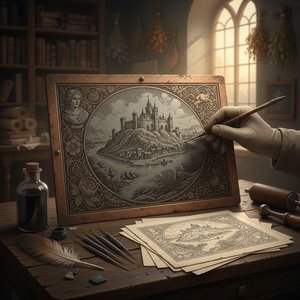
The Intricate World of Etching: A Historical Survey of Technique, Aesthetic Evolution, and Enduring Artistic Impact
Explore the rich history of etching, from its origins to modern practice. Discover techniques, key artists like Rembrandt, and insights for collectors. A comprehensive guide by ArtsDot.