 Preview
 Send
Send Share
Share
 Details

 Download
 Similars
 X-Ray
X-Ray Diaporama
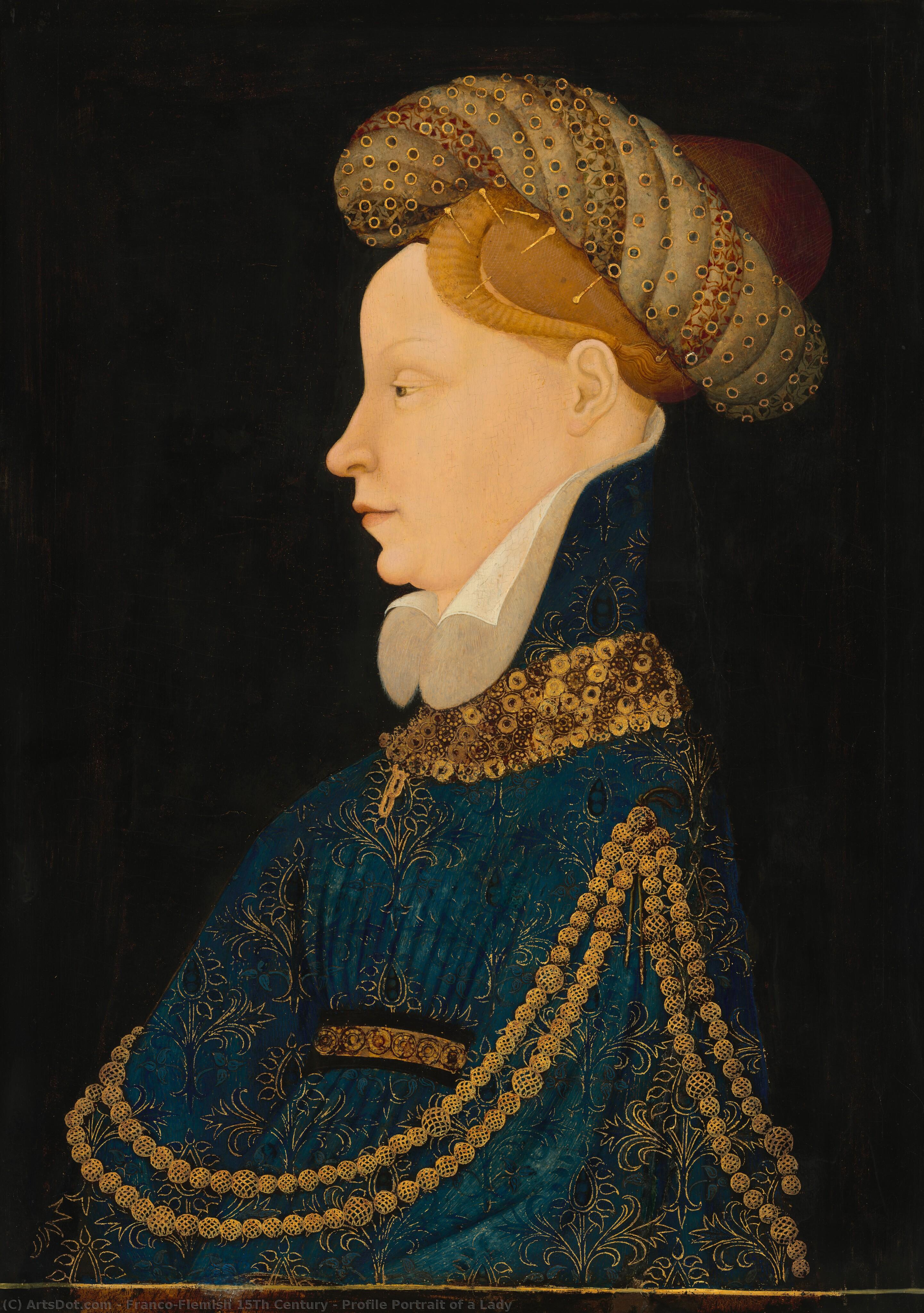
Profile Portrait of a Lady
 1410
1410 74.0 x 61.0 cm
 Read More
Hand Made Oil Reproduction
Hand-painted oil on canvas in your size and frame, made to order by our artists. ( Buy Print Buy Image)




































Pick from our preset sizes that match the artwork's original proportions.

You may enter your own dimensions to fit a specific frame or space. If your selected size does not match the original image's proportions, we will either crop the artwork or extend the painting with additional hand-painted elements. A digital mockup will be sent for your approval before production begins.
Please note that the on-screen preview does not reflect the actual cropping or extension. Only the mockup will accurately show the final composition.
While custom sizes are available, we recommend selecting a dimension from the predefined list to preserve the original proportions.
After order, ArtsDot.com team will email client for instructions and provide a mockup preview
Worldwide Delivery () in 3/4 weeks instead of standard 5 weeks. (2 September). No compromise on quality.

Free Worldwide Express Shipping

High-Quality Linen Canvas

Full Shipping Insurance

Customs Tax Refund Guarantee

True Color Matching Guarantee

60-Day Return Policy (Defects Only)

100% Money-Back Guarantee

Bulk Discount Offer
 Glass option is only available in size under 110 CM

Profile Portrait of a Lady
Reproduction Medium
Reproduction Size
-


Total Price
$ 263
Related Artworks




Artist Biography
The Enigmatic World of Hieronymus Bosch
Hieronymus Bosch, a name synonymous with fantastical imagery and moral allegory, remains one of the most compelling and elusive figures in art history. Born around 1450 in 's-Hertogenbosch, Netherlands, little is definitively known about his life beyond documented guild records and scattered references in contemporary accounts. He hailed from a family of painters – his grandfather, father, and brothers all practiced the craft – suggesting an early immersion into artistic techniques and traditions. However, Bosch quickly transcended these foundations, forging a unique visual language that defied easy categorization. His world wasn’t one of observed reality but rather a deeply personal and symbolic realm populated by hybrid creatures, grotesque figures, and unsettling landscapes. He worked primarily on panels, often triptychs intended for private devotion, allowing him to create complex narratives unfolding across multiple surfaces. While he enjoyed considerable recognition during his lifetime, commissioned by wealthy patrons including Philip the Fair, the true depth of his vision wouldn’t be fully appreciated until centuries later.Influences and Early Development
Pinpointing Bosch's direct influences is a challenging task, largely due to the originality of his style. He absorbed elements from existing artistic currents – the meticulous detail of early Netherlandish painting exemplified by Jan van Eyck and Rogier van der Weyden, the vibrant colors and expressive forms of manuscript illumination, and the popular imagery of folk tales and proverbs. However, he didn’t simply replicate these sources; he transformed them. The influence of medieval marginalia – the often bizarre and humorous illustrations found in illuminated manuscripts – is particularly evident in his depictions of fantastical beasts and playful demons. Furthermore, a fascination with alchemy and esoteric religious movements likely played a role in shaping his symbolic vocabulary. His early works, such as *The Temptation of Saint Anthony* (c. 1490-1500), already demonstrate his distinctive style: crowded compositions, unsettling psychological tension, and the burgeoning presence of hybrid creatures that would become hallmarks of his mature work. These pieces reveal a growing preoccupation with themes of sin, temptation, and the fragility of human morality, foreshadowing the complex allegories to come.Major Achievements and The Garden of Earthly Delights
Bosch’s most celebrated masterpiece, *The Garden of Earthly Delights* (c. 1490-1510), is a monumental triptych that encapsulates the breadth of his artistic vision. When opened, the work presents a panoramic view of creation, sin, and damnation. The left panel depicts the Garden of Eden, a pristine paradise teeming with fantastical animals and Adam and Eve’s initial innocence. The central panel explodes into a vibrant scene of human pleasure and indulgence – a world populated by nude figures engaged in various activities, often playful but ultimately frivolous. The right panel offers a terrifying vision of Hell, a landscape of grotesque torments and bizarre punishments tailored to specific sins. What sets this work apart is not merely its technical brilliance or imaginative detail, but the ambiguity of its message. Is it a condemnation of earthly pleasures? A warning against temptation? Or perhaps a more nuanced exploration of human nature itself? Other significant works include *The Last Judgment* (c. 1498-1500) and his numerous depictions of Saint Anthony’s trials, each offering unique insights into Bosch's complex worldview.Symbolism and Interpretation
Decoding the symbolism within Bosch’s paintings is a notoriously difficult undertaking. He employed a highly personal iconography, drawing upon a diverse range of sources – religious texts, folklore, alchemy, and contemporary proverbs – often layering multiple meanings into single images. Certain motifs recur throughout his work: owls representing folly, fish symbolizing lust, eggs signifying birth and resurrection, and hybrid creatures embodying the chaotic forces of temptation. The sheer density of symbolism invites endless interpretation. Scholars have proposed various readings, ranging from straightforward moral allegories to more complex psychological analyses. Some believe his paintings reflect a deep-seated pessimism about human nature, while others see them as critiques of religious hypocrisy or social injustice.- The prevalence of water imagery often relates to the dangers of temptation and sin.
- Musical instruments frequently symbolize earthly pleasures and vanities.
- Hybrid creatures represent the distorted nature of humanity when corrupted by sin.
Historical Significance and Legacy
Hieronymus Bosch’s impact on subsequent generations of artists is undeniable. His fantastical imagery captivated contemporaries and continues to inspire awe and fascination today. His work challenged conventional artistic norms, paving the way for new forms of expression in painting. Artists like Pieter Bruegel the Elder directly drew inspiration from his compositions and themes. Furthermore, Bosch’s influence extends beyond the realm of visual art, finding resonance in literature, music, and popular culture. His paintings have been interpreted through various lenses – psychological, religious, social – reflecting their enduring power to provoke thought and inspire debate. He is considered a precursor to Surrealism, with artists like Salvador Dalí acknowledging his profound influence on their own work. Bosch’s legacy lies not only in the beauty and originality of his art but also in its ability to tap into universal anxieties about morality, temptation, and the human condition – themes that remain as relevant today as they were five centuries ago.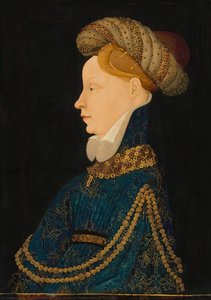
Quick Facts
- Artistic Movement Or Style: Early Netherlandish painting
- Date Of Death: Living
- Full Name: Franco-Flemish 15th Century