 Preview
 Send
Send Share
Share
 Details

 Download
 Similars
 X-Ray
X-Ray Diaporama
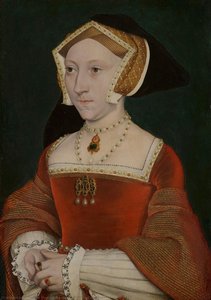
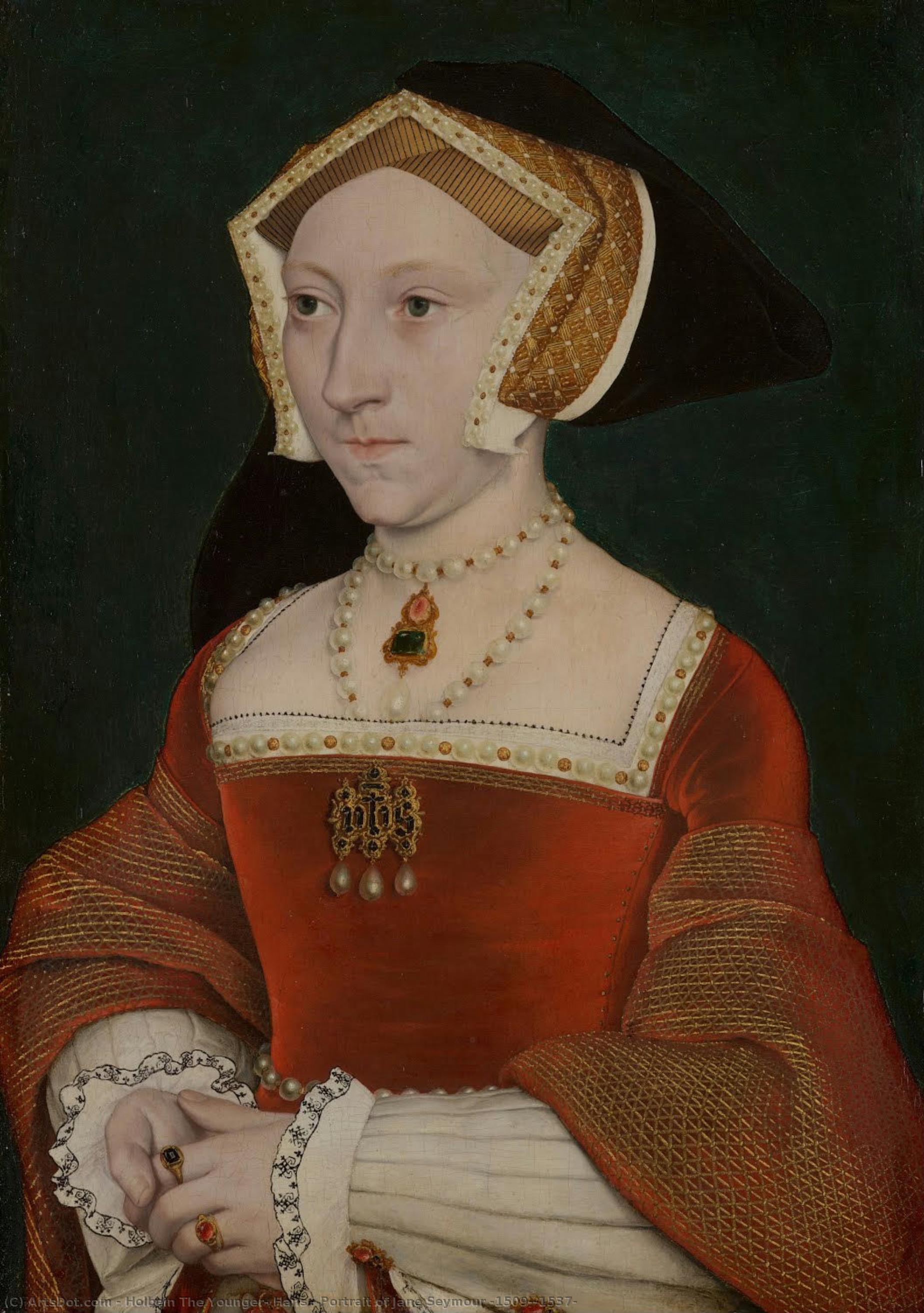
Portrait of Jane Seymour (1509?-1537)
 Acrylic On Canvas
- WallArt
- Northern Renaissance
 1540
1540 26.0 x 18.0 cm
 Mauritshuis
 Read More
Hand Made Oil Reproduction
Hand-painted oil on canvas in your size and frame, made to order by our artists. ( Buy Print Buy Image)




P118B $10

P118H $10

P118W $10

P438Z $10

P508JH $12

P508YH $12

P805H $10

P805Z $10

P919BZ $10

P919G $10

P919XJ $10

P959ZH $10

P968JZ $12

W106C $8

W218G $10

W218JH $8

W218Y $10

W307PJ $10

W316G $10

W316PJ $8

W316Y $10

W398PJ $8

W4111J $10

W500HY $15

W500JH $15

W692G $12

W849H $8

W940BG $15

W953PJ $8




Pick from our preset sizes that match the artwork's original proportions.

You may enter your own dimensions to fit a specific frame or space. If your selected size does not match the original image's proportions, we will either crop the artwork or extend the painting with additional hand-painted elements. A digital mockup will be sent for your approval before production begins.
Please note that the on-screen preview does not reflect the actual cropping or extension. Only the mockup will accurately show the final composition.
While custom sizes are available, we recommend selecting a dimension from the predefined list to preserve the original proportions.
After order, ArtsDot.com team will email client for instructions and provide a mockup preview
Worldwide Delivery () in 3/4 weeks instead of standard 5 weeks. (16 August). No compromise on quality.

Free Worldwide Express Shipping

High-Quality Linen Canvas

Full Shipping Insurance

Customs Tax Refund Guarantee

True Color Matching Guarantee

60-Day Return Policy (Defects Only)

100% Money-Back Guarantee

Bulk Discount Offer
 Glass option is only available in size under 110 CM

Portrait of Jane Seymour (1509?-1537)
Reproduction Medium
Reproduction Size
-


Total Price
$ 263
Artwork Description
A Portrait Steeped in Tudor Majesty: Hans Holbein the Younger’s Jane Seymour
The painting “Portrait of Jane Seymour” by Hans Holbein the Younger, completed in 1540, transcends mere depiction; it embodies the spirit of the Renaissance and captures a pivotal moment in English history. Commissioned by Henry VIII during his reign—a period marked by religious upheaval and dynastic ambition—this portrait isn’t simply a likeness of Queen Jane Seymour but an astute reflection of her role within the Tudor court and a masterful demonstration of Holbein's unparalleled artistic prowess.- Subject Matter & Context: Jane Seymour, Henry VIII’s third wife, ascended to the throne shortly after delivering Prince Edward—a crucial step in securing the succession line—making her image an emblem of stability amidst turbulent times. Holbein skillfully portrays her serene gaze and dignified posture, conveying a sense of composure that contrasts sharply with the anxieties surrounding the king's marital pursuits.
- Style & Technique: Holbein’s signature style is characterized by meticulous detail and realism—a hallmark of Northern Renaissance painting. He employed oil paint on panel, utilizing glazing techniques to achieve luminous colors and subtle tonal variations that imbue the portrait with an ethereal quality. The artist's painstaking attention to anatomical accuracy underscores his commitment to portraying subjects with scientific precision.
Symbolism: Layers of Meaning Beyond Appearance
Beyond its visual splendor, “Portrait of Jane Seymour” is laden with symbolic significance. The queen’s attire—a crimson gown adorned with pearls and embellished embroidery—represents royal authority and wealth. Her white collar symbolizes purity and virtue, reflecting the idealized image of femininity prevalent during the Renaissance. Notably, Holbein subtly incorporates jewelry—particularly a pendant bearing the Tudor rose—to reinforce Henry VIII's claim to the throne and solidify the dynasty’s legitimacy. These visual cues speak volumes about the cultural values and political aspirations of the era.- Color Palette: Holbein masterfully utilized a restrained color palette dominated by reds, whites, and golds—colors associated with royalty and piety—creating an atmosphere of solemn grandeur. The subtle shading contributes to the portrait’s depth and realism, enhancing its emotional impact.
Emotional Resonance: Capturing Inner Grace
Despite the formal pose, “Portrait of Jane Seymour” succeeds in conveying a profound sense of inner grace and tranquility. Holbein's masterful brushwork captures the queen’s gaze—direct yet contemplative—suggesting an awareness of her position within history and a quiet dignity that transcends mere ornamentation. The painting invites viewers to contemplate not just what is seen but also what is felt, embodying the Renaissance ideal of humanist contemplation.- Legacy & Reproduction: Today, “Portrait of Jane Seymour” stands as one of Holbein’s most celebrated works—a testament to his artistic genius and a captivating window into Tudor England. High-quality reproductions allow art enthusiasts worldwide to appreciate the painting's beauty and complexity, preserving its historical significance for generations to come.
Interior Design Inspiration:
Consider incorporating elements of Holbein’s palette—deep reds, creamy whites, and shimmering golds—into your interior design scheme. A textured wall covering reminiscent of the panel upon which the portrait was painted could evoke a sense of timeless elegance. Alternatively, framing a reproduction of “Jane Seymour” in antique gold leaf would elevate any room with an aura of aristocratic sophistication.Related Artworks
Artist Biography
early life and career
hans holbein the younger, a german-swiss painter and printmaker, was born in augsburg, germany, around 1497. he worked in a northern renaissance style, renowned for his precise renderings of drawings. holbein's early career began in basel, switzerland, where he apprenticed with hans herbster, a leading painter.rise to prominence
holbein's big break came when he painted portraits of the humanist desiderius erasmus of rotterdam. this led to his international recognition and a recommendation from erasmus to work in england. in 1526, holbein traveled to england, where he was welcomed into the humanist circle of thomas more.notable works and patrons
* the ambassadors (1533), a famous painting featuring two envoys, is one of holbein's most recognized works. * portrait of henry viii, a masterpiece showcasing the king's authority, is a testament to holbein's skill in capturing the essence of his subjects.- holbein's art was prized from early in his career, with french poet and reformer nicholas bourbon dubbing him "the apelles of our time."
- by 1535, holbein became king's painter to king henry viii, producing not only portraits but also designs for jewelry, plate, and other precious objects.
- his portraits of the royal family and nobles are a record of the court during henry's supremacy over the english church.
legacy and museum collections
holbein's art can be found in various museums, including: * the national gallery, london, which features several of his notable works. * the louvre, paris, has an extensive collection of holbein's paintings and prints.- view hans holbein the younger's artworks on ArtsDot.
- read more about holbein's life and work on wikipedia.
conclusion
hans holbein the younger's impact on the art world is undeniable. his precise renderings and captivating portraits have made him a master of northern renaissance. explore his works and legacy through the provided links to gain a deeper understanding of this remarkable artist. important dates: * born: 1497, augsburg, germany * died: 1543, london, england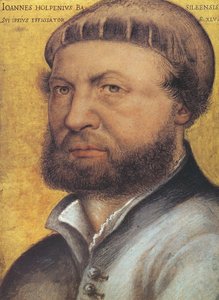
holbein the younger, hans
1497 - 1543 , Germany
Quick Facts
- Artistic Movement Or Style: Northern Renaissance
- Artists Or Movements Influenced By This Artist: ['Renaissance']
- Artists Who Influenced This Artist: ['Hans Herbster']
- Date Of Birth: c. 1497
- Date Of Death: October or November 1543
- Full Name: Hans Holbein the Younger
- Nationality: German, Swiss
- Notable Artworks:
- The Ambassadors
- Portrait of Henry VIII
- Place Of Birth: Augsburg, Germany
Related Articles
Henri Matisse's Masterpieces: Explore 25 Iconic Paintings & Art Decor Ideas
Journey through Henri Matisse's 25 most iconic paintings! Explore Fauvism, vibrant colors & the stories behind masterpieces like 'The Dance'. Find museum-quality art reproductions and curated decor ideas to elevate your space. Discover all masterpieces on ArtsDot.com.
Hans Holbein the Younger: A Renaissance Portraitist's Mastery of Realism & Psychological Insight
Explore the life & art of Hans Holbein the Younger, a Renaissance master renowned for his strikingly realistic portraits and psychological insight. Discover iconic works like 'The Ambassadors' and delve into his lasting legacy.
Northern Renaissance Masters: 10 Artworks That Shaped History |
Journey through the Northern Renaissance! Explore 10 iconic paintings by Jan van Eyck, Dürer & Bosch. Discover their stories, techniques & lasting impact. Find museum-quality art reproductions & elevate your home decor on .
Fauvism's Boldest Visions: 10 Masterpieces That Revolutionized Modern Art | ArtsDot
Explore 10 Fauvist masterpieces by Matisse, Derain & Vlaminck that ignited Modern Art! Discover bold colors, expressionist landscapes & the history of this revolutionary movement. Find museum-quality prints at ArtsDot.com.
Robert Henri & the Spirit of American Realism: A Legacy of Urban Life and Artistic Independence
Explore the life & legacy of Robert Henri, a pivotal figure in American Realism. Discover his captivating portraits, influence on the Ashcan School, and enduring impact on art history. Learn more at ArtsDot.