

 Send
Send Share
Share
 Details

 Download
 Similars
 Diaporama
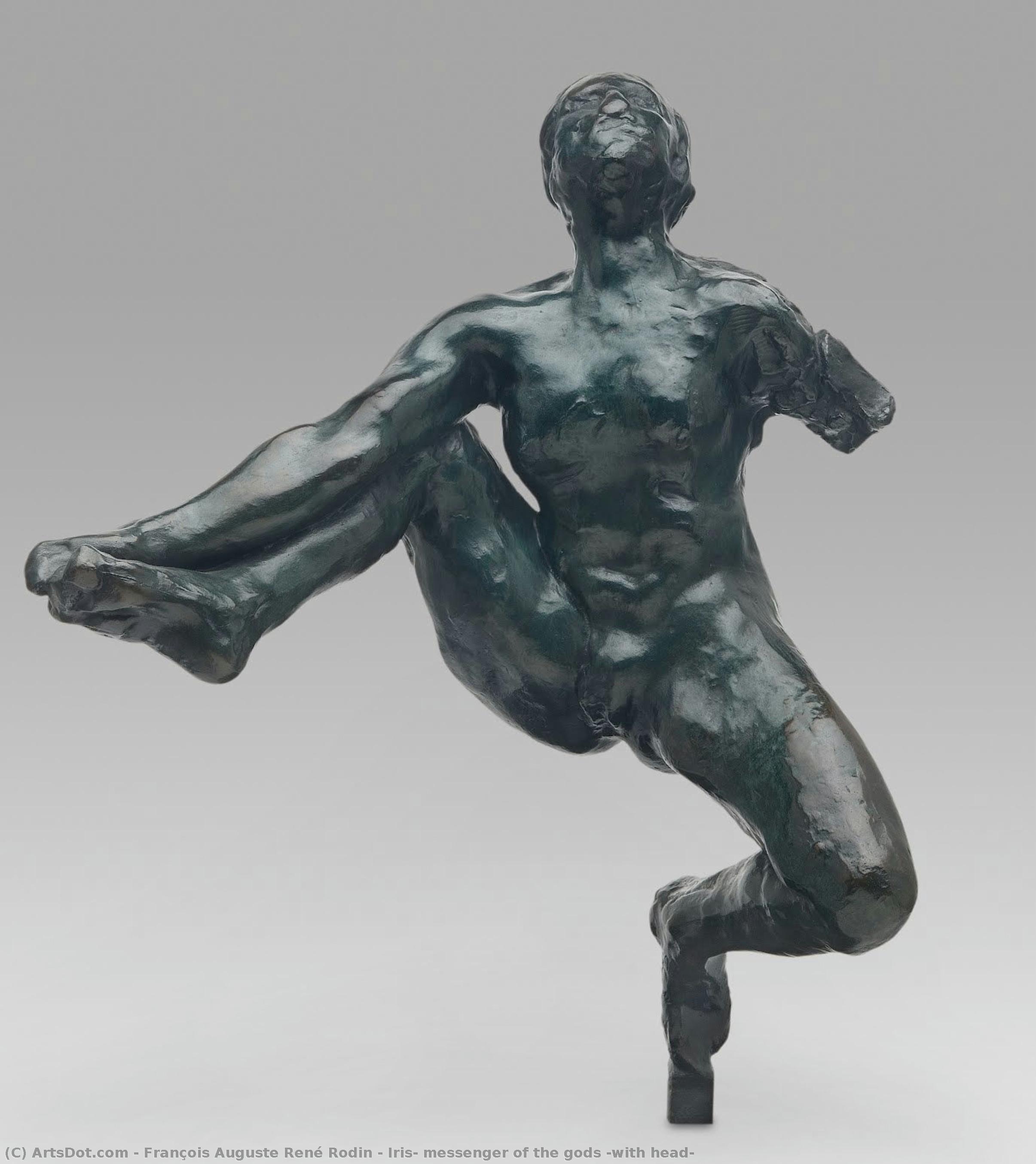
Iris, messenger of the gods (with head)


 Read More
Purchase a high-resolution, enhanced digital image, far superior to the online preview.
Each file is meticulously prepared by our in-house specialists using advanced tools and expert manual retouching. We ensure every image has exceptional clarity, precise color accuracy, and fine detail.
The final file is delivered via email within 72 hours, optimized for immediate use in professional, editorial, and print environments. This is the same quality trusted by top-tier design studios, publishers, and galleries.
Digital Image
Download a high-resolution file for personal display, printing, and creative projects. ( Buy Print Buy Hand Made Painting)
Included in Every Digital Image Order
Expert Digital Delivery, Guaranteed
When you choose ArtsDot.com, you're not just getting an image - you're receiving a professionally enhanced digital artwork, crafted with precision and backed by a satisfaction guarantee. Here's everything that comes with your order, automatically:

Fast Email Delivery
Your high-resolution digital image file will be emailed to you within 72 hours of ordering - ready for immediate use.

AI-Enhanced Digital File
Your artwork is professionally optimized using advanced AI tools and manual editing, ensuring maximum detail, clarity, and color accuracy.

Free Lifetime Re-Delivery
Accidentally deleted or lost your file? No worries - we'll resend it to you anytime, free of charge.

No Import Fees - Ever
Enjoy your artwork instantly with zero customs, duties, or delivery fees - digital downloads are always tax-free.

Color Accuracy Guarantee
We ensure your digital image reflects the original colors as closely as possible using professional tools and color management.

60-Day Satisfaction Guarantee
If you're not satisfied with your digital image, we'll revise it or refund 100% within 60 days - no questions asked.

100% Money-Back Guarantee
Not satisfied? Get a full refund within 60 days of receiving your digital file - no questions asked.

Bulk Order Discounts
Buy 3 images, save 10% - Buy 5, save 15% - Buy 10+, save 20%. Great for creative projects, galleries, and agencies.
Collectible Description
A Glimpse of Divine Messenger: Rodin’s *Iris, Messenger of the Gods*
Auguste Rodin's *Iris, Messenger of the Gods*, a bronze sculpture born from a complex interplay of mythology, personal experience, and artistic rebellion, remains one of the most arresting and debated works in his oeuvre. More than simply a depiction of the Greek goddess who carried messages between the gods and mortals, it’s an embodiment of dynamism, sensual power, and a profound exploration of the human condition. Created during a pivotal period in Rodin's career – 1891-1894 – this sculpture transcends its initial commission as a monument to Victor Hugo, evolving into a potent symbol of modernity and artistic freedom.
The genesis of *Iris* is inextricably linked to Rodin’s tumultuous relationship with his sister, Marie, whose untimely death profoundly impacted the artist. This personal grief fueled a desire to capture movement and vitality, rejecting the rigid formality of academic sculpture in favor of a more expressive and emotionally charged approach. The initial concept for the Hugo monument demanded a figure conveying both divine authority and human vulnerability; Rodin, however, found himself drawn to a radically different interpretation – a dynamic, almost aggressively sensual representation of Iris herself. This shift reflects a broader artistic trend at the time, challenging traditional notions of beauty and embracing a more naturalistic portrayal of the female form.
The Sculptor’s Technique: A Masterclass in Texture
Rodin's mastery of bronze casting is immediately apparent in *Iris*. He didn’t simply sculpt; he coaxed the metal into existence, meticulously building up layers of wax to create a surface of astonishing complexity. The sculpture’s skin isn’t smooth or polished; instead, it’s a landscape of deeply etched wrinkles, bulging muscles, and subtly shifting planes – a testament to Rodin's relentless pursuit of capturing the essence of human movement and emotion. This technique, honed through years of working with stone and clay, is particularly evident in the depiction of Iris’s legs, which seem to ripple with contained energy, poised for flight. The use of *repoussé* – hammering metal from the front to create relief on the back – further enhances the sculpture's three-dimensionality, adding a tactile quality that invites close examination.
The choice of bronze itself is significant. Bronze’s inherent malleability allowed Rodin to achieve the desired level of detail and expressiveness, while its durability ensured the sculpture’s longevity. The casting process was painstaking, involving multiple iterations and adjustments until the final form captured the artist's vision. Notably, the work was cast by Alexis Rudier, a renowned Parisian foundryman who collaborated closely with Rodin on numerous projects.
Symbolism and Interpretation: A Fragment of Eternity
*Iris* is rich in symbolic meaning, drawing upon both classical mythology and contemporary anxieties. As the messenger of the gods, Iris traditionally carried divine decrees and facilitated communication between the mortal realm and Olympus. However, Rodin’s interpretation transcends this traditional role, transforming her into a figure of potent energy and primal force. The sculpture's open pose – with legs spread wide and genitalia exposed – is deliberately provocative, challenging conventional notions of modesty and inviting viewers to confront their own desires and anxieties. Some scholars interpret the work as an allegory for the spirit of the 19th century, embodying both its dynamism and its underlying tensions.
The deliberate removal of Iris’s head and one arm – a later alteration made in 1894 – adds another layer of complexity to the sculpture's meaning. These omissions create a sense of fragmentation and vulnerability, suggesting that even the divine messenger is subject to earthly limitations. The remaining torso becomes a powerful symbol of embodied experience, stripped bare of adornment and presented with raw honesty.
A Legacy of Boldness: Rodin’s Enduring Influence
*Iris, Messenger of the Gods* stands as a testament to Rodin's revolutionary approach to sculpture. It broke from the conventions of academic art, embracing naturalism, emotional intensity, and a willingness to confront uncomfortable truths. The sculpture’s enduring appeal lies in its ability to evoke a wide range of emotions – sensuality, vulnerability, power, and mystery. It continues to fascinate and provoke viewers today, cementing Rodin's place as one of the most important figures in modern art.
Reproductions of *Iris* offer a remarkable opportunity to experience this iconic work firsthand, capturing its dynamic energy and profound symbolism. Whether displayed in a private collection or a public space, this sculpture serves as a powerful reminder of Rodin’s artistic vision and his enduring legacy.
Related Artworks
Artist Biography
The Sculptor of Souls: A Life Forged in Clay
François Auguste René Rodin, a name synonymous with modern sculpture, emerged from 19th-century France as a revolutionary force. Born in Paris on November 12, 1840, to modest beginnings, young Rodin’s path wasn't immediately destined for artistic greatness. He initially struggled to gain acceptance into the prestigious École des Beaux-Arts, facing rejection three times before ultimately finding his footing through practical training as a decorative stonemason. This early experience, however, proved invaluable, honing his technical skills and fostering an intimate understanding of form and material. It was a period of quiet apprenticeship, a necessary prelude to the seismic shifts he would later introduce into the world of sculpture. The seeds of his future innovation were sown not in academic halls but in the tangible reality of stone and clay. A profound personal loss – the death of his sister Marie – deeply affected him, leading to a brief contemplation of religious life before fully committing himself to art. This emotional depth would become a defining characteristic of his work, imbuing it with a raw, human quality rarely seen before.
Breaking with Tradition: A New Language in Stone
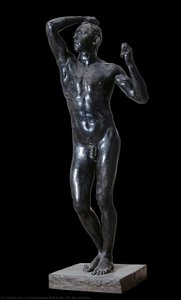
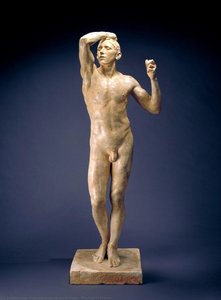
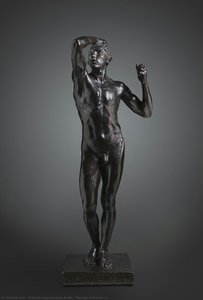
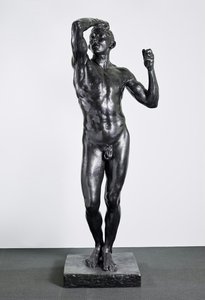
Rodin’s artistic journey was marked by a deliberate departure from the prevailing academic standards of his time. While trained in classical techniques, he rejected the idealized forms and narrative rigidity that dominated sculpture. He sought instead to capture the fleeting nuances of human emotion, the weight of thought, and the complexities of the inner life. His early works, such as *The Age of Bronze* (1877), initially sparked controversy for their realism and lack of mythological or allegorical subject matter. Critics found his figures too naturalistic, too devoid of the polished perfection expected of sculpture. However, Rodin persevered, driven by an unwavering belief in his artistic vision. He began to explore fragmented forms, rough surfaces, and dynamic compositions that conveyed a sense of movement and psychological intensity. This innovative approach challenged conventional notions of beauty and paved the way for a new era in sculptural expression. His ability to model complex, turbulent surfaces in clay was unparalleled, allowing him to capture the play of light and shadow with remarkable sensitivity.
Iconic Forms: The Thinker, The Kiss, and Beyond
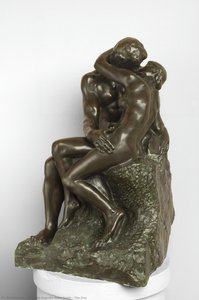
Rodin’s legacy is cemented by a series of iconic sculptures that continue to resonate with audiences worldwide. *The Thinker* (1880-1882), originally conceived as part of *The Gates of Hell*, became an emblem of philosophical contemplation, its powerful form embodying the weight of human thought and existential questioning. *The Kiss* (1886-1898), a celebration of passionate love, is renowned for its sensual beauty and emotional intimacy. And *The Burghers of Calais* (1884-1895), a monumental tribute to courage and sacrifice, stands as a testament to Rodin’s ability to convey profound human drama through sculptural form. These works weren't merely representations of physical bodies; they were explorations of the human condition, imbued with psychological depth and emotional resonance. He didn’t shy away from portraying imperfection or suffering, recognizing that these qualities are integral to the human experience. His sculptures often featured unfinished surfaces, deliberately leaving traces of the artist’s hand as a testament to the creative process itself.
A Lasting Influence: Rodin's Place in Art History
By the turn of the 20th century, Rodin had achieved international acclaim, becoming arguably the most celebrated sculptor of his time. His work profoundly influenced generations of artists, inspiring them to break free from traditional constraints and explore new avenues of artistic expression. He is widely considered a pivotal figure in the transition from 19th-century realism to modern sculpture. His emphasis on emotional intensity, psychological depth, and innovative use of form laid the groundwork for movements such as Expressionism and Cubism. Today, Rodin’s sculptures can be found in museums and collections around the globe, most notably at the Musée Rodin in Paris, a dedicated space showcasing his life's work. His influence extends beyond sculpture, impacting painting, literature, and even film.
Exploring Further: Museums & Key Works
- Musée Rodin, Paris: A must-visit destination for anyone interested in experiencing the full breadth of Rodin’s artistic vision.
- National Gallery of Art, Washington D.C.: Houses a significant collection of Rodin's works, offering insights into his creative process.
- Cantor Arts Center at Stanford University: Features notable pieces like the bust of Albert-Ernest Carrier-Belleuse.
- Key Sculptures to Explore:
- *The Thinker* – A universal symbol of contemplation and intellect.
- *The Kiss* – An iconic representation of love and passion.
- *The Burghers of Calais* – A powerful depiction of sacrifice and courage.
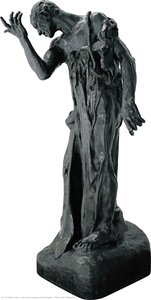
- *Saint John the Baptist* - Demonstrates Rodin's ability to convey intense emotion through form.
- Small head of Jean de Fiennes with hand- An intimate study in portraiture, showcasing his mastery of detail.
Rodin’s legacy is not merely one of artistic innovation; it's a testament to the power of art to connect us to our shared humanity. He dared to explore the depths of human emotion and experience, leaving behind a body of work that continues to inspire, challenge, and move audiences today. His sculptures are not simply objects to be admired; they are windows into the soul, inviting us to contemplate the complexities of life, love, loss, and everything in between.
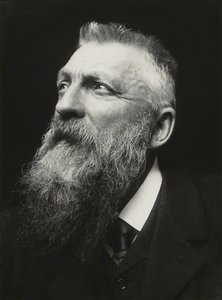
Auguste Rodin
1840 - 1917 , France
Quick Facts
- Artistic Movement Or Style: Modern Sculpture
- Artists Or Movements Influenced By This Artist: Modern sculpture
- Date Of Birth: November 12, 1840
- Date Of Death: November 17, 1917
- Full Name: François Auguste René Rodin
- Nationality: French
- Notable Artworks:
- The Thinker
- The Kiss
- Burghers of Calais
- Place Of Birth: Paris, France

