

 Preview
 Send
Send Share
Share
 Details

 Download
 Similars
 X-Ray
X-Ray Diaporama
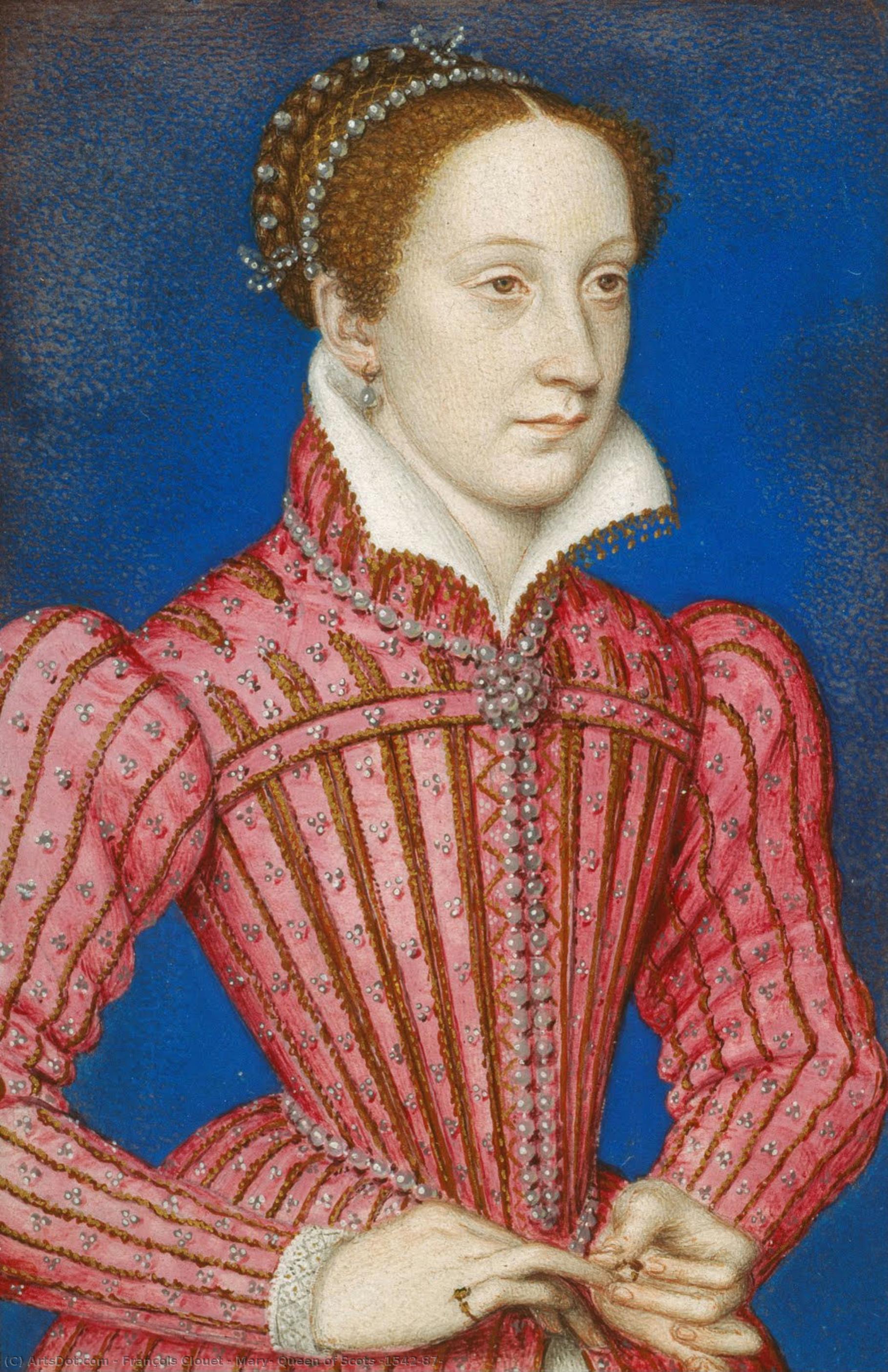
Mary, Queen of Scots (1542-87)


 Read More
Purchase a high-resolution, enhanced digital image, far superior to the online preview.
Each file is meticulously prepared by our in-house specialists using advanced tools and expert manual retouching. We ensure every image has exceptional clarity, precise color accuracy, and fine detail.
The final file is delivered via email within 72 hours, optimized for immediate use in professional, editorial, and print environments. This is the same quality trusted by top-tier design studios, publishers, and galleries.
Digital Image
Download a high-resolution file for personal display, printing, and creative projects. ( Buy Print Buy Hand Made Painting)
Included in Every Digital Image Order
Expert Digital Delivery, Guaranteed
When you choose ArtsDot.com, you're not just getting an image - you're receiving a professionally enhanced digital artwork, crafted with precision and backed by a satisfaction guarantee. Here's everything that comes with your order, automatically:

Fast Email Delivery
Your high-resolution digital image file will be emailed to you within 72 hours of ordering - ready for immediate use.

AI-Enhanced Digital File
Your artwork is professionally optimized using advanced AI tools and manual editing, ensuring maximum detail, clarity, and color accuracy.

Free Lifetime Re-Delivery
Accidentally deleted or lost your file? No worries - we'll resend it to you anytime, free of charge.

No Import Fees - Ever
Enjoy your artwork instantly with zero customs, duties, or delivery fees - digital downloads are always tax-free.

Color Accuracy Guarantee
We ensure your digital image reflects the original colors as closely as possible using professional tools and color management.

60-Day Satisfaction Guarantee
If you're not satisfied with your digital image, we'll revise it or refund 100% within 60 days - no questions asked.

100% Money-Back Guarantee
Not satisfied? Get a full refund within 60 days of receiving your digital file - no questions asked.

Bulk Order Discounts
Buy 3 images, save 10% - Buy 5, save 15% - Buy 10+, save 20%. Great for creative projects, galleries, and agencies.
Collectible Description
A Royal Miniature – François Clouet’s Masterpiece
François Clouet's 1560-61 portrait of Mary, Queen of Scots is more than just a likeness; it’s a meticulously crafted window into the turbulent heart of Renaissance Scotland and France. Commissioned during her time as Dauphine of France and later Queen of Scotland, this diminutive painting – a ‘miniature’ in the truest sense – transcends its small scale to embody the complexities of a woman caught between two powerful nations and embroiled in political intrigue. The portrait captures Mary not as a triumphant ruler, but with a poignant vulnerability, her gaze holding both regal dignity and a hint of melancholy—a reflection of the precarious circumstances that defined her life.
Clouet’s skill lies not merely in his technical proficiency – evident in the remarkably detailed rendering of fabrics, jewelry, and the Queen's delicate features – but also in his ability to imbue the image with a sense of atmosphere. The deep blue background, subtly textured, draws the eye directly to Mary, creating an intimate space around her figure. The choice of color is deliberate; blue was associated with royalty and piety during this period, further elevating her status while simultaneously hinting at the sorrow she would later experience.
A Window into a Turbulent Era
To understand the significance of this portrait, one must consider the historical context in which it was created. Mary’s life was defined by shifting alliances and perilous political maneuvers. Her marriage to Francis II of France brought her into the heart of European power struggles, while her return to Scotland ignited religious conflict and ultimately led to her downfall. The miniature itself became a symbol – a diplomatic tool exchanged between Elizabeth I and Mary, representing both their rivalry and the delicate negotiations surrounding Mary’s fate. Sir James Melville, the English ambassador, famously described how Elizabeth examined the portrait, suggesting its importance as a visual representation of the Queen of Scots.
The painting's creation coincided with a period of intense artistic innovation in France and Flanders. Clouet skillfully blended Flemish naturalism – particularly evident in his attention to detail and realistic portrayal of textures – with emerging Italianate influences, creating a style that was both refined and deeply engaging. The use of chalks on vellum, as seen in the preparatory drawing held at the Bibliothèque Nationale, reveals the artist’s meticulous process—a testament to his dedication to accuracy and realism.
Symbolism and Gesture
Beyond its technical brilliance, the portrait is rich in symbolic detail. Mary's gesture of placing a ring on her right hand – a common motif in portraits of queens – immediately signifies her marriage to Francis II. This seemingly simple action carries profound weight, representing not only a personal union but also a strategic alliance between France and Scotland. The elaborate lace collar and ruffled sleeves further emphasize her status as a noblewoman, while the subtle expression on her face suggests both intelligence and a quiet sadness—a reflection of her difficult life and uncertain future.
The portrait’s diminutive size is itself significant. Miniature portraits were highly prized objects during this period, often commissioned by royalty and nobility as treasured keepsakes. They served as intimate representations of the subject, intended to be carried on journeys or displayed in private chambers. Clouet's miniature was particularly valued by Charles I, who hung it in his Cabinet Room at Whitehall Palace alongside other portraits of his ancestors—a testament to its artistic merit and historical importance.
A Legacy of Elegance
François Clouet’s portrait of Mary, Queen of Scots is a remarkable achievement – a captivating blend of technical skill, symbolic richness, and historical insight. It offers a poignant glimpse into the life of a complex and controversial figure, capturing not only her beauty but also the weight of her responsibilities and the tragic circumstances that ultimately led to her demise. Today, reproductions of this masterpiece allow us to appreciate Clouet’s artistry and delve deeper into the fascinating story of Mary, Queen of Scots – a woman whose life continues to fascinate and inspire.
Related Artworks
Artist Biography
A Legacy of Likeness: The World of François Clouet
François Clouet, a name synonymous with the refined portraiture of the French Renaissance, emerged from a lineage steeped in artistic skill and courtly favor. Born around 1510 in Tours, France, his life unfolded against a backdrop of evolving artistic sensibilities and the opulent world of the Valois monarchy. He wasn’t merely a painter; he was a chronicler of an era, capturing the essence of kings, queens, and courtiers with a meticulousness that continues to captivate viewers today. The shadow of his father, Jean Clouet, loomed large – both artists shared not only a profession but also the familiar nickname ‘Janet,’ leading to occasional confusion in attributing their works across generations. Yet, François carved his own distinct path, blending Flemish naturalism with an emerging Italianate grace, and establishing himself as one of France’s most celebrated portraitists.Inheriting a Tradition: Early Life and Artistic Formation
The early years of François Clouet remain somewhat veiled in historical obscurity, but his artistic trajectory was undeniably shaped by the legacy of his father. Jean Clouet, originating from the Southern Netherlands, brought with him to the French court the meticulous detail and realistic approach characteristic of Flemish painting. This foundation formed the bedrock of François’s training. A pivotal moment arrived in 1541 when François inherited his father's estate, formally stepping into his artistic inheritance and assuming the responsibilities that came with it. This wasn’t simply a transfer of property; it was an assumption of a role within the very fabric of the French court. The Clouet family also enjoyed a unique connection to the Italian Renaissance through Jean’s time in Amboise, exposing François to the burgeoning ideals and innovative techniques emanating from Italy – a subtle but significant influence that would later manifest in his work. He absorbed not just technique, but an understanding of how art could serve as both documentation and celebration of power and status.The Art of Revelation: Style and Major Works
François Clouet’s oeuvre is defined by a remarkable precision and elegance. His portraits weren't simply likenesses; they were insightful studies of character, capturing not only physical features but also the personality and social standing of his subjects. He possessed an extraordinary ability to convey royal authority and sophistication, as evidenced in several notable depictions of Francis I, examples of which reside in prestigious collections like the Uffizi Gallery and the Louvre Museum. Beyond Francis I, Clouet’s brush immortalized other key figures of the era. He likely painted portraits of Catherine de' Medici at Versailles, contributing to a visual record of her influential reign. Perhaps one of his most celebrated achievements is the chalk drawing of Mary, Queen of Scots, held in the Bibliothèque nationale – a work that showcases his mastery of capturing delicate features and conveying emotional depth with astonishing subtlety. Other notable works include portraits of Elizabeth of Austria (Louvre), Marguerite of France (Chantilly), and Charles IX (Château de Chantilly).A Defining Aesthetic: Characteristics of Clouet’s Art
Several hallmarks define François Clouet's distinctive style.- Elaborate Detail: A meticulous attention to detail permeates his work, evident in the intricate rendering of clothing, jewelry, and facial features – every element contributing to a sense of realism and opulence.
- Accurate Drawing: Clouet’s portraits are grounded in precise anatomical rendering and skillful use of line, demonstrating a mastery of draftsmanship that underpinned his artistic vision.
- Exquisite Completeness: His compositions convey a sense of wholeness and personality, going beyond mere physical representation to capture the inner life of his subjects. He didn’t just paint faces; he painted individuals.
A Lasting Impression: Historical Significance and Legacy
François Clouet’s contributions to French Renaissance art are profound. He played a crucial role in establishing portraiture as a prominent genre in France, elevating the status of the artist and providing invaluable visual records of the royal court. He bridged the gap between medieval artistic traditions and the emerging Renaissance ideals, incorporating naturalism and humanistic principles into his work. As a court painter for multiple French monarchs – Francis I, Henry II, Francis II, and Charles IX – he documented the lives and appearances of key figures in French history, creating a visual archive that continues to inform our understanding of this period. His meticulous style and attention to detail profoundly influenced subsequent generations of French portraitists, solidifying his place as a pivotal figure in the development of French art. François Clouet died on December 22, 1572, shortly after the tumultuous St. Bartholomew's Day Massacre – a poignant end for an artist who had dedicated his life to immortalizing the world around him. His will offers glimpses into his personal life and financial standing, further cementing his legacy as both an artistic master and a significant figure in French society.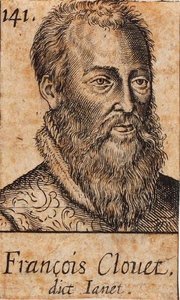
François Clouet
1510 - 1572 , France
Quick Facts
- Artistic Movement Or Style: Renaissance portraiture
- Artists Or Movements Influenced By This Artist: ['French portraitists']
- Artists Who Influenced This Artist:
- Jean Clouet
- Leonardo da Vinci
- Date Of Birth: c. 1510
- Date Of Death: 1572
- Full Name: François Clouet
- Nationality: French
- Notable Artworks:
- The Love Letter
- Portrait of Henri II
- Francis I, King of France
- Mary, Queen of Scots
- Place Of Birth: Tours, France

