

 Preview
 Send
Send Share
Share
 Details

 Download
 Similars
 X-Ray
X-Ray Diaporama
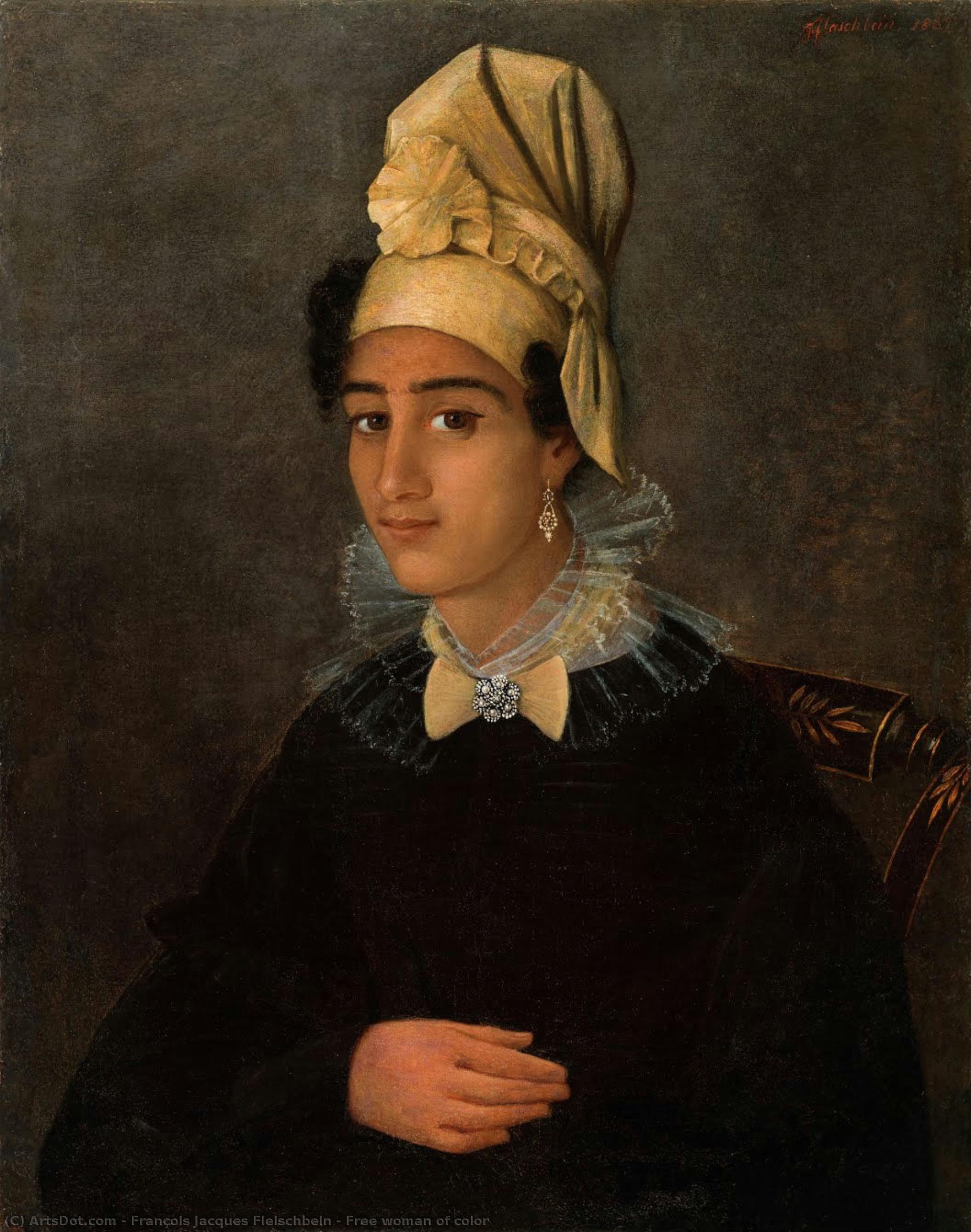
Free woman of color


 Read More
Purchase a high-resolution, enhanced digital image, far superior to the online preview.
Each file is meticulously prepared by our in-house specialists using advanced tools and expert manual retouching. We ensure every image has exceptional clarity, precise color accuracy, and fine detail.
The final file is delivered via email within 72 hours, optimized for immediate use in professional, editorial, and print environments. This is the same quality trusted by top-tier design studios, publishers, and galleries.
Digital Image
Download a high-resolution file for personal display, printing, and creative projects. ( Buy Print Buy Hand Made Painting)
Included in Every Digital Image Order
Expert Digital Delivery, Guaranteed
When you choose ArtsDot.com, you're not just getting an image - you're receiving a professionally enhanced digital artwork, crafted with precision and backed by a satisfaction guarantee. Here's everything that comes with your order, automatically:

Fast Email Delivery
Your high-resolution digital image file will be emailed to you within 72 hours of ordering - ready for immediate use.

AI-Enhanced Digital File
Your artwork is professionally optimized using advanced AI tools and manual editing, ensuring maximum detail, clarity, and color accuracy.

Free Lifetime Re-Delivery
Accidentally deleted or lost your file? No worries - we'll resend it to you anytime, free of charge.

No Import Fees - Ever
Enjoy your artwork instantly with zero customs, duties, or delivery fees - digital downloads are always tax-free.

Color Accuracy Guarantee
We ensure your digital image reflects the original colors as closely as possible using professional tools and color management.

60-Day Satisfaction Guarantee
If you're not satisfied with your digital image, we'll revise it or refund 100% within 60 days - no questions asked.

100% Money-Back Guarantee
Not satisfied? Get a full refund within 60 days of receiving your digital file - no questions asked.

Bulk Order Discounts
Buy 3 images, save 10% - Buy 5, save 15% - Buy 10+, save 20%. Great for creative projects, galleries, and agencies.
Related Artworks





Artist Biography
William Oliver (1804 – 1853): A Watercolourist of the English Landscape
William Oliver, born in Sudbury, Suffolk, in 1804, was a British watercolour artist who dedicated his career to capturing the beauty of England and beyond. Though often overshadowed by more prominent figures of the Romantic era, Oliver’s meticulous observation and skillful rendering of light and atmosphere established him as a significant contributor to the development of English landscape painting during the mid-19th century. His life was marked by a quiet dedication to his craft, culminating in a substantial body of work that reflects both a deep appreciation for the natural world and a keen eye for detail. Oliver’s early artistic training remains somewhat obscure, though he is believed to have studied under John Frederick Lewis, a renowned watercolourist known for his depictions of the Pyrenees. This mentorship undoubtedly influenced Oliver's style, imbuing him with a sensitivity to colour and composition that would become hallmarks of his work. He began exhibiting his paintings in 1829 at the Society of British Artists, quickly gaining recognition for his detailed renderings of familiar English landscapes – from Kent’s beaches to the rolling hills of Yorkshire. His early works demonstrate a strong grounding in traditional watercolour techniques, characterized by delicate washes and precise linework. As Oliver matured as an artist, he broadened his horizons, embarking on extensive travels throughout Europe and beyond. He spent considerable time in France, Spain, Italy, Switzerland, Germany, and the Tyrol region of Austria – areas that profoundly shaped his artistic vision. These journeys weren’t merely for pleasure; they were a deliberate pursuit of visual inspiration, allowing him to immerse himself in diverse landscapes and cultures. His travels are particularly evident in his later works, which showcase a remarkable ability to capture the unique character of each location—the dramatic light of the Pyrenees, the serene beauty of the Swiss Alps, or the bustling atmosphere of Italian piazzas. He was especially drawn to the mountainous regions, finding inspiration in the rugged terrain and vibrant colours of the Tyrol. Oliver’s artistic style evolved considerably over his career. Initially influenced by the academic traditions of the Royal Academy, he gradually developed a more personal and expressive approach. His later works are characterized by looser brushwork, brighter colors, and a greater emphasis on capturing the fleeting effects of light and atmosphere. He skillfully employed atmospheric perspective to create a sense of depth and distance, drawing viewers into the heart of his landscapes. His meticulous attention to detail—the texture of bark, the shimmer of water, the folds of fabric—contributed significantly to the realism and immediacy of his paintings. It’s important to note that Oliver was not related to William Oliver Williams (1823–1901), another artist who used the same professional name, further complicating biographical research. Despite his considerable talent and consistent output, Oliver's career was largely confined to the British market. He primarily sold his paintings through established art dealers and exhibited at prestigious venues such as the British Institution and the Royal Academy. His work gained a loyal following among collectors who appreciated his ability to capture the essence of English landscapes with remarkable accuracy and sensitivity. His output included over 30 works exhibited at the Society of British Artists, and 54 works exhibited at the British Institution during the period 1835–1853. In 1853, he exhibited a painting titled “Two Convents on the outskirts of the town of Narni, Papal States, L’Ospitale de Buoni Fratelli and Conventuale di Cappoinari” priced at £66 13s 6d (equivalent to about £9000 in 2022). Oliver's legacy lies not in grand pronouncements or revolutionary techniques, but rather in his quiet dedication to the craft of watercolour painting. His meticulous observation, skillful rendering, and deep appreciation for the beauty of the English landscape have left a lasting contribution to British art history. His work offers a poignant glimpse into a bygone era—a time when artists sought solace and inspiration in the natural world, capturing its fleeting moments with patience and precision. He died on 2 November 1853 at Langley Mill House, Halstead, Essex, from ‘hypertrophy of the heart’.The Influence of John Frederick Lewis and Early Training
William Oliver’s artistic journey was inextricably linked to the mentorship of John Frederick Lewis, a prominent watercolourist known for his depictions of the Pyrenees. Lewis, who himself had been trained by Jean Victor Bertin, provided Oliver with a foundational understanding of watercolour techniques and compositional principles. The influence of Lewis is evident in Oliver's early works, which share a similar emphasis on detail, colour harmony, and a restrained yet elegant style. However, Oliver’s artistic development extended beyond the direct teachings of his mentor. He was exposed to the broader artistic currents of the time, including the influence of Jean-Baptiste-Camille Corot, whose loose brushwork and atmospheric effects provided a counterpoint to Lewis's more academic approach. Oliver’s apprenticeship with Lewis involved not only formal instruction but also practical experience—assisting with the production of prints and preparing canvases for sale. This hands-on involvement undoubtedly shaped his understanding of the art market and the demands of commercial success. The relationship between Oliver and Lewis was complex, marked by both admiration and a degree of professional rivalry. While Oliver initially benefited greatly from Lewis’s guidance, he eventually surpassed his mentor in terms of artistic originality and independent vision. Oliver's travels throughout Europe further broadened his artistic horizons, exposing him to new landscapes, cultures, and artistic styles—culminating in a distinctive style that blended the influences of Lewis with his own unique sensibility.Travels and Artistic Transformation: Capturing European Landscapes
William Oliver’s career was profoundly shaped by his extensive travels throughout Europe. These journeys were not merely vacations but deliberate expeditions aimed at expanding his artistic repertoire and deepening his understanding of landscape painting. He spent considerable time in France, Spain, Italy, Switzerland, Germany, and the Tyrol region of Austria—each location offering a unique set of visual challenges and opportunities. The landscapes of the Pyrenees, particularly, exerted a powerful influence on Oliver’s work. The dramatic light, rugged terrain, and vibrant colours of this mountain range captivated his imagination and inspired a series of paintings that showcase his ability to capture the essence of these remote regions. Similarly, he was drawn to the serene beauty of the Swiss Alps, where he meticulously rendered the towering peaks, crystal-clear lakes, and verdant meadows. Oliver’s travels also exposed him to diverse cultural traditions and artistic styles. In Italy, he studied the techniques of Renaissance landscape painters and absorbed the vibrant colours and dramatic compositions of Italian frescoes. In Germany, he encountered the Romantic ideals of the German landscape school, which emphasized the sublime beauty of nature and the power of emotion. These experiences enriched his artistic vocabulary and contributed to the development of his distinctive style—a synthesis of traditional techniques and contemporary influences.Legacy and Historical Significance
Despite not achieving widespread fame during his lifetime, William Oliver’s contribution to British landscape painting is significant. His meticulous observation, skillful rendering, and deep appreciation for the beauty of the English countryside have left a lasting legacy in the collections of numerous museums and private galleries across the United Kingdom. His work offers a valuable insight into the artistic practices of the mid-19th century—a time when watercolour painting was experiencing a resurgence as a popular medium. Oliver’s paintings are particularly valued for their realism, atmospheric effects, and subtle nuances of colour. He possessed a remarkable ability to capture the fleeting effects of light and shadow, creating images that evoke a sense of place and time. His work stands as a testament to the enduring appeal of landscape painting—a genre that continues to inspire artists and captivate audiences today. While overshadowed by more celebrated contemporaries, William Oliver’s quiet dedication to his craft and his profound understanding of the English landscape have secured his place in the annals of British art history.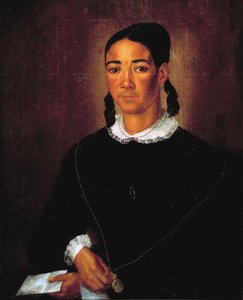
françois jacques fleischbein
1804 - 1868 , Germany
Quick Facts
- Artistic Movement Or Style: Landscape watercolourist
- Artists Or Movements Influenced By This Artist: ['John Frederick Lewis']
- Artists Who Influenced This Artist: ['']
- Date Of Birth: 1804
- Date Of Death: 1853
- Full Name: William Oliver
- Nationality: British
- Notable Artworks:
- On the Lahn near Oberlahnstein
- View of the Environs of Perugia
- Lahneck Castle
- Place Of Birth: Sudbury, Suffolk, England

