

 Preview
 Send
Send Share
Share
 Details

 Download
 Similars
 X-Ray
X-Ray Diaporama
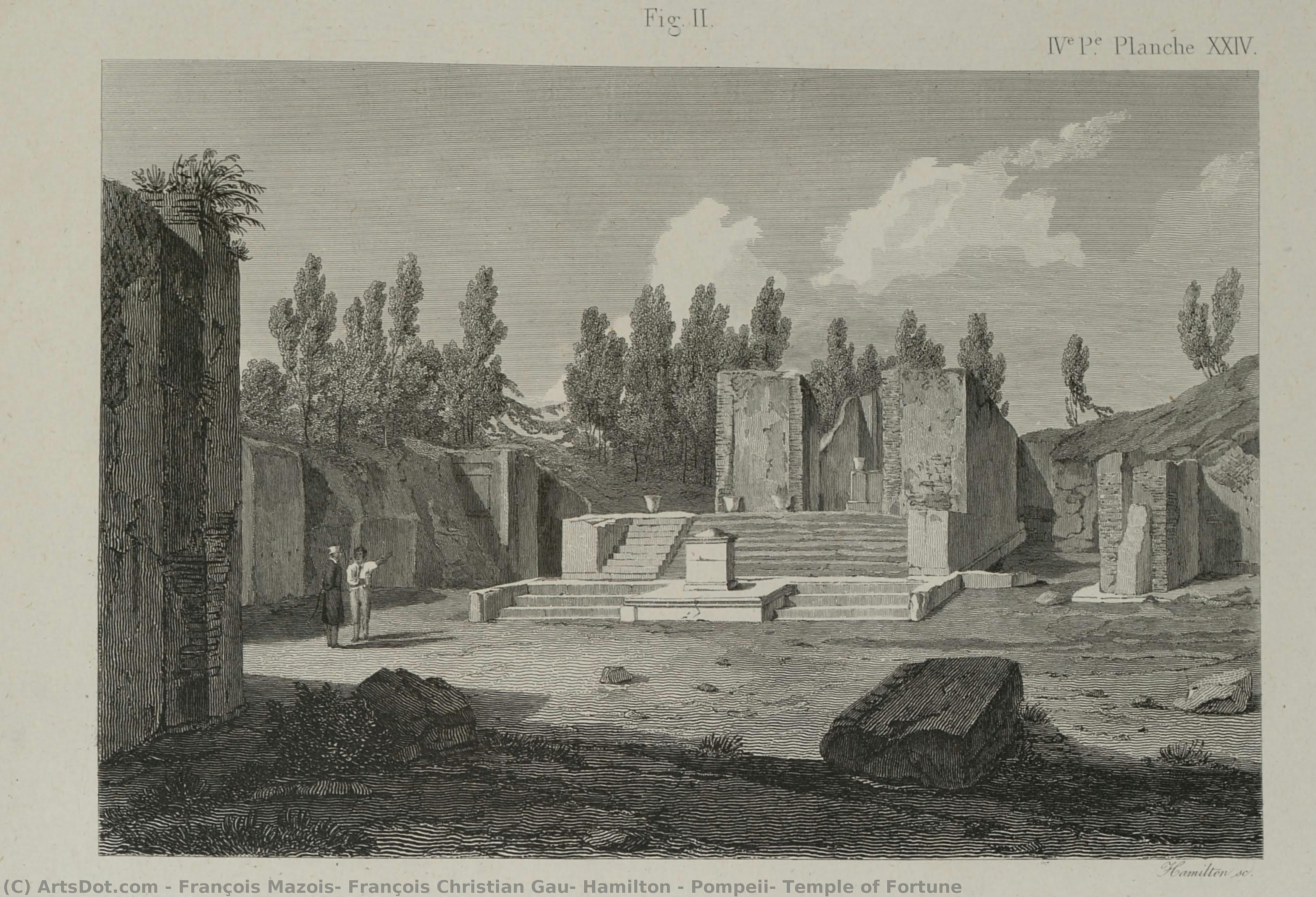
Pompeii, Temple of Fortune
 1824
1824 96.0 x 65.0 cm
 Read More
Purchase a high-resolution, enhanced digital image, far superior to the online preview.
Each file is meticulously prepared by our in-house specialists using advanced tools and expert manual retouching. We ensure every image has exceptional clarity, precise color accuracy, and fine detail.
The final file is delivered via email within 72 hours, optimized for immediate use in professional, editorial, and print environments. This is the same quality trusted by top-tier design studios, publishers, and galleries.
Digital Image
Download a high-resolution file for personal display, printing, and creative projects. ( Buy Print Buy Hand Made Painting)
Included in Every Digital Image Order
Expert Digital Delivery, Guaranteed
When you choose ArtsDot.com, you're not just getting an image - you're receiving a professionally enhanced digital artwork, crafted with precision and backed by a satisfaction guarantee. Here's everything that comes with your order, automatically:

Fast Email Delivery
Your high-resolution digital image file will be emailed to you within 72 hours of ordering - ready for immediate use.

AI-Enhanced Digital File
Your artwork is professionally optimized using advanced AI tools and manual editing, ensuring maximum detail, clarity, and color accuracy.

Free Lifetime Re-Delivery
Accidentally deleted or lost your file? No worries - we'll resend it to you anytime, free of charge.

No Import Fees - Ever
Enjoy your artwork instantly with zero customs, duties, or delivery fees - digital downloads are always tax-free.

Color Accuracy Guarantee
We ensure your digital image reflects the original colors as closely as possible using professional tools and color management.

60-Day Satisfaction Guarantee
If you're not satisfied with your digital image, we'll revise it or refund 100% within 60 days - no questions asked.

100% Money-Back Guarantee
Not satisfied? Get a full refund within 60 days of receiving your digital file - no questions asked.

Bulk Order Discounts
Buy 3 images, save 10% - Buy 5, save 15% - Buy 10+, save 20%. Great for creative projects, galleries, and agencies.
Related Artworks








Artist Biography
François Mazois: Architect of Pompeii and Pioneer of Gothic Revival
François Mazois (1783 – 1826) stands as a singular figure in the landscape of French Romantic architecture, inextricably linked to the rediscovery of Pompeii and the burgeoning fascination with Gothic revival. Born in Lorient, Brittany, Mazois’s early life was marked by familial ties to the naval establishment—his father served as Admiral—providing him with access to education and fostering a keen interest in classical antiquity alongside an equally profound appreciation for medieval art and craftsmanship. This dual passion would define his artistic trajectory and propel him to become one of the foremost architects of his time.- Early Training & Academic Pursuits: Mazois’s formal architectural training commenced at Bordeaux, where he studied under Jean-Baptiste Raspail, a prominent proponent of Neoclassical ideals. However, it was in Paris that he truly honed his skills and established himself as a respected practitioner, immersing himself in the intellectual ferment of the era. His thesis on Roman Gaul—a meticulously researched study of Pompeian ruins—demonstrated an exceptional grasp of archaeological methodology and foreshadowed his future endeavors.
- Pompeii & The Monumental Vision: Mazois’s pivotal moment arrived with Napoleon III's patronage, granting him unprecedented access to the excavations at Pompeii. Recognizing the transformative potential of this site—a frozen snapshot of Roman life—Mazois embarked on a monumental undertaking: the publication of *Les ruines de Pompéi*. Unlike many contemporary antiquarians who prioritized idealized representations of antiquity, Mazois championed an approach rooted in scientific observation and accurate documentation. His detailed drawings captured not just the grandeur of the ruins but also their subtle nuances – the weathered stone, the crumbling walls—offering a radically different perspective than previous publications.
- The Gothic Revival & Parisian Transformation: Mazois’s influence extended beyond Pompeii; he spearheaded the revival of Gothic architecture in Paris during the reign of Napoleon III. Inspired by the soaring vaults and intricate ornamentation of medieval churches, Mazois envisioned a new aesthetic for the capital—one that honored tradition while embracing innovation. The construction of Sainte-Clotilde Cathedral stands as testament to his ambition – a magnificent edifice embodying the spirit of Romantic idealism and marking a decisive break from Neoclassical dominance.
Collaboration with Franz Christian Gau & Completion of Pompeii’s Legacy
Mazois's scholarly pursuits weren’t solitary endeavors; he forged a crucial partnership with Franz Christian Gau, another architect deeply invested in the study and reconstruction of Roman ruins. Together, they undertook the monumental task of completing Mazois’s unfinished *Les ruines de Pompéi*, ensuring that his groundbreaking research would reach its full potential. Gau's meticulous editing and artistic sensibility complemented Mazois’s scientific rigor, resulting in a publication that solidified Mazois’s reputation as a visionary architect and a champion of authentic historical representation.- Shared Vision & Artistic Synthesis: Gau’s contribution wasn’t merely technical; he brought to bear an understanding of artistic principles that harmonized with Mazois's meticulous approach. Their collaborative effort ensured that the publication of Pompeii would be recognized as a landmark achievement in archaeological scholarship and architectural history.
- The Cathedral Project & Artistic Expression: Gau’s involvement extended beyond Pompeii; he oversaw the construction of Sainte-Clotilde Cathedral, embodying Mazois's aesthetic ideals—a synthesis of classical grandeur and Gothic spirituality. This ambitious project served as a lasting symbol of Mazois’s artistic legacy and cemented his place among the architects who shaped the visual landscape of 19th-century Paris.
Influence & Historical Significance
Mazois's work profoundly impacted architectural discourse and contributed to shaping the aesthetic sensibilities of his era. He challenged prevailing notions of beauty, advocating for an appreciation of imperfection—the patina of age—as integral to understanding the past. His meticulous documentation of Pompeii established a new standard for archaeological research and inspired subsequent generations of architects and artists. Furthermore, Mazois’s championing of Gothic revival reinvigorated Parisian urban planning and fostered a renewed interest in medieval art forms. He remains an enduring figure in architectural history—a testament to the transformative power of intellectual curiosity and artistic conviction.Legacy & Rediscovery
Despite his untimely death in 1826, Mazois’s influence persisted through Gau's efforts to finalize Pompeii’s publication and Sainte-Clotilde Cathedral’s construction. Today, Mazois is remembered as a pioneer of Romantic architecture—a figure who fused scientific rigor with artistic vision—leaving an indelible mark on the cultural heritage of France. His meticulous drawings continue to inspire scholars and artists alike, ensuring that his contribution to architectural history will endure for centuries to come.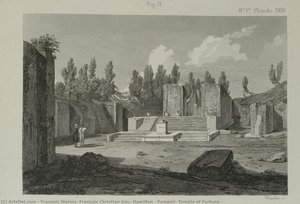
françois mazois, françois christian gau, hamilton
1783 - 1826 , France
Quick Facts
- Artistic Movement Or Style: Romanticism
- Artists Or Movements Influenced By This Artist: ['Gothic architecture']
- Artists Who Influenced This Artist: ['Jacques-Germain Ferstel']
- Date Of Birth: October 12, 1783
- Date Of Death: December 31, 1826
- Full Name: François Mazois
- Nationality: French
- Notable Artworks: ['Pompeii, Temple of Fortune']
- Place Of Birth: Lorient, France

