

 Send
Send Share
Share
 Details

 Download
 Similars
 Diaporama
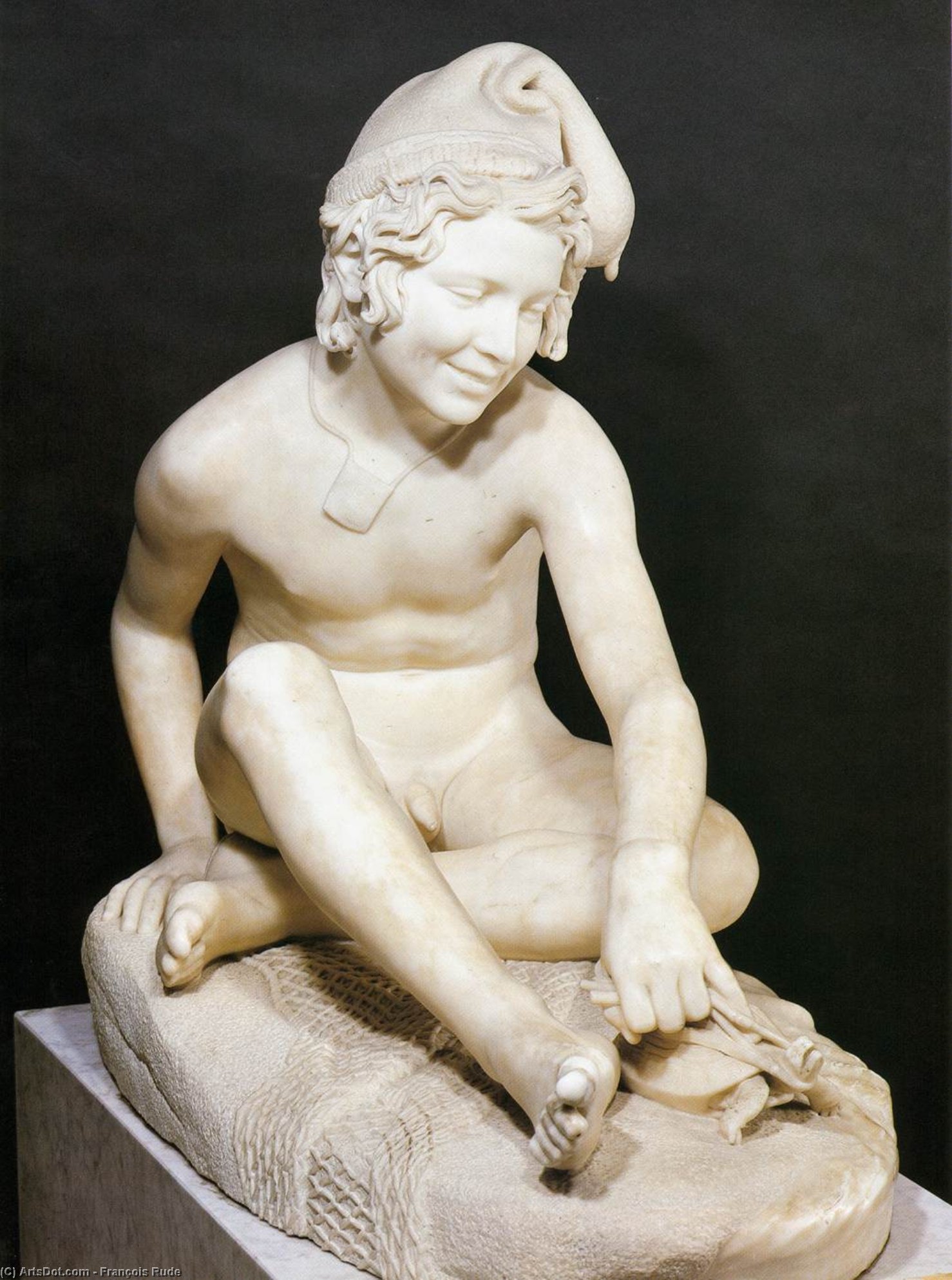
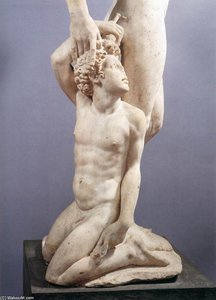
Neapolitan Fisherboy Playing with a Tortoise
 Marble
- Sculpture
- Neoclassicism
 1831
1831- 19th Century
 77.0 x 47.0 cm
 The Louvre
 Read More
Purchase a high-resolution, enhanced digital image, far superior to the online preview.
Each file is meticulously prepared by our in-house specialists using advanced tools and expert manual retouching. We ensure every image has exceptional clarity, precise color accuracy, and fine detail.
The final file is delivered via email within 72 hours, optimized for immediate use in professional, editorial, and print environments. This is the same quality trusted by top-tier design studios, publishers, and galleries.
Digital Image
Download a high-resolution file for personal display, printing, and creative projects. ( Buy Print Buy Hand Made Painting)
Included in Every Digital Image Order
Expert Digital Delivery, Guaranteed
When you choose ArtsDot.com, you're not just getting an image - you're receiving a professionally enhanced digital artwork, crafted with precision and backed by a satisfaction guarantee. Here's everything that comes with your order, automatically:

Fast Email Delivery
Your high-resolution digital image file will be emailed to you within 72 hours of ordering - ready for immediate use.

AI-Enhanced Digital File
Your artwork is professionally optimized using advanced AI tools and manual editing, ensuring maximum detail, clarity, and color accuracy.

Free Lifetime Re-Delivery
Accidentally deleted or lost your file? No worries - we'll resend it to you anytime, free of charge.

No Import Fees - Ever
Enjoy your artwork instantly with zero customs, duties, or delivery fees - digital downloads are always tax-free.

Color Accuracy Guarantee
We ensure your digital image reflects the original colors as closely as possible using professional tools and color management.

60-Day Satisfaction Guarantee
If you're not satisfied with your digital image, we'll revise it or refund 100% within 60 days - no questions asked.

100% Money-Back Guarantee
Not satisfied? Get a full refund within 60 days of receiving your digital file - no questions asked.

Bulk Order Discounts
Buy 3 images, save 10% - Buy 5, save 15% - Buy 10+, save 20%. Great for creative projects, galleries, and agencies.
Collectible Description
The Poetic Grace of Neapolitan Life
Gazing upon this exquisite marble sculpture, one is immediately transported to sun-drenched Mediterranean shores, far from the hushed reverence of an art gallery. The piece captures a moment of pure, unburdened childhood play—a neapolitan fisherboy engaged in gentle amusement with a tortoise. It is more than just a depiction; it is a celebration of rustic joy and the enduring connection between man and nature. The boy’s posture, seated with his legs gracefully crossed, suggests an innate ease, a natural rhythm that speaks volumes about the carefree spirit of youth.
Mastery in Marble: Technique and Form
The artist, François Rude, demonstrates breathtaking technical prowess in rendering this seemingly simple scene. The choice of white marble allows the sculptor to play with contrasts—the smooth, polished skin of the boy against the textured shell of the tortoise, all set dramatically against the stark, dark background suggested by the composition. Notice the careful detailing: the slight tilt of the head, the imagined weight of the helmet, and the subtle musculature beneath the marble surface. Rude’s handling of the material is masterful; it appears both solid and ephemeral at the same time, capturing a fleeting instant in timeless stone.
Echoes of History and Artistic Context
Created in 1831, this work emerges from a period when Neoclassicism was beginning to yield to more emotionally charged Romantic sensibilities. While rooted in classical sculptural tradition, the vitality imbued in the fisherboy gives it a distinctly romantic flourish. François Rude himself was an artist whose career spanned significant political and artistic upheavals in France. This piece reflects a desire not just to replicate antiquity, but to infuse classical form with contemporary human warmth—a hallmark of great 19th-century sculpture.
Symbolism of Companionship and Time
The pairing of the boy and the tortoise is rich with symbolism. The tortoise, an ancient symbol of longevity and wisdom, serves as a grounding counterpoint to the boy’s youthful energy. Their interaction suggests a harmonious passage of time—the eternal patience of nature meeting the vibrant immediacy of life. For the collector or designer, this piece offers more than mere decoration; it becomes a quiet meditation on companionship, the cyclical nature of joy, and the enduring beauty found in simple, shared moments.
Bringing Mediterranean Spirit Home
To incorporate such a significant work into your interior space is to invite a narrative of warmth and artistry. Whether displayed upon an ornate pedestal or given prominence against a contrasting wall, this reproduction allows you to own a piece steeped in history yet radiating fresh life. It serves as a captivating focal point, whispering tales of Italian coastal life and the enduring power of art to suspend us in moments of perfect grace.
Related Artworks

Artist Biography
Early Life and Training
- François Rude was born in Dijon, France, on January 4, 1784, the son of a coppersmith/locksmith.
- His early life involved assisting his father's trade before demonstrating artistic talent.
- He attended François Devosges’s École de Dessin in Dijon, showcasing his burgeoning skills.
- Under the patronage of Louis Frémiet, he began studying with Pierre Cartellier in Paris at the studio of Edme Gaulle in 1805.
- In 1809, his work started gaining recognition, earning him several awards.
- He won the Prix de Rome in 1812 but was unable to travel due to political conditions.
Brussels Period and Marriage
- In 1815, Rude left Paris for Rome but ended up in Brussels with the Frémiets due to political circumstances.
- He married Sophie Frémiet, an accomplished painter, forming a formidable artistic partnership.
- While in Brussels, he executed his first bust of Louis David, gaining significant notice.
Return to Paris and Major Works
- Rude and his wife returned to Paris in 1827, where they remained until his death.
- His notable works include the statue of a Neapolitan Fisherboy Playing with a Tortoise (1831-33), displayed at the Louvre.
- He was commissioned for the Arc de Triomphe, creating the iconic sculpture "La Marseillaise" (Departure of the Volunteers of 1792) completed in 1836. This is arguably his most famous and significant work.
- Other important sculptures include:
- Bust of Jacques-Louis David
- Statue of Maurice, Count of Saxony
- Head of Christ (plaster cast)
- Bust of James de Montry
- Towards the end of his career, Dijon commissioned a marble sculpture depicting Hebe, the Greek goddess of youth. Rude created the model in 1852 but died before its completion; his nephew finished it.
Style and Influences
- Rude's style bridged Neoclassicism and Romanticism.
- While initially influenced by Neoclassical principles, he increasingly embraced a dynamic and emotional style.
- His work often expressed patriotic themes, reflecting the political climate of his time.
- He was influenced by earlier sculptors like Pierre Cartellier and Edme Gaulle.
- The patronage of Louis Frémiet played a crucial role in his early development.
Later Life and Legacy
- François Rude died on November 3, 1855, in Paris.
- He is remembered for his powerful and expressive sculptures, particularly "La Marseillaise," which remains a symbol of French national identity.
- His work represents a transition from the rigid formality of Neoclassicism to the more emotive and dramatic style of Romanticism.
- Numerous busts and casts of his works are housed in museums such as Musée Rude, Musée des Beaux-Arts de Dijon, and the Louvre.

françois rude
1784 - 1855 , France
Quick Facts
- Artistic Movement Or Style: Neoclassicism & Romanticism
- Artists Who Influenced This Artist:
- Edme Gaulle
- Pierre Cartellier
- Date Of Birth: January 4, 1784
- Date Of Death: November 3, 1855
- Full Name: François Rude
- Nationality: French
- Notable Artworks:
- La Marseillaise
- Napoleon Rising to Immortality
- Head of an Ancient Warrior
- Place Of Birth: Dijon, France

