 Preview
 Send
Send Share
Share
 Details

 Download
 Similars
 X-Ray
X-Ray Diaporama
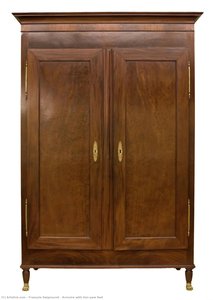
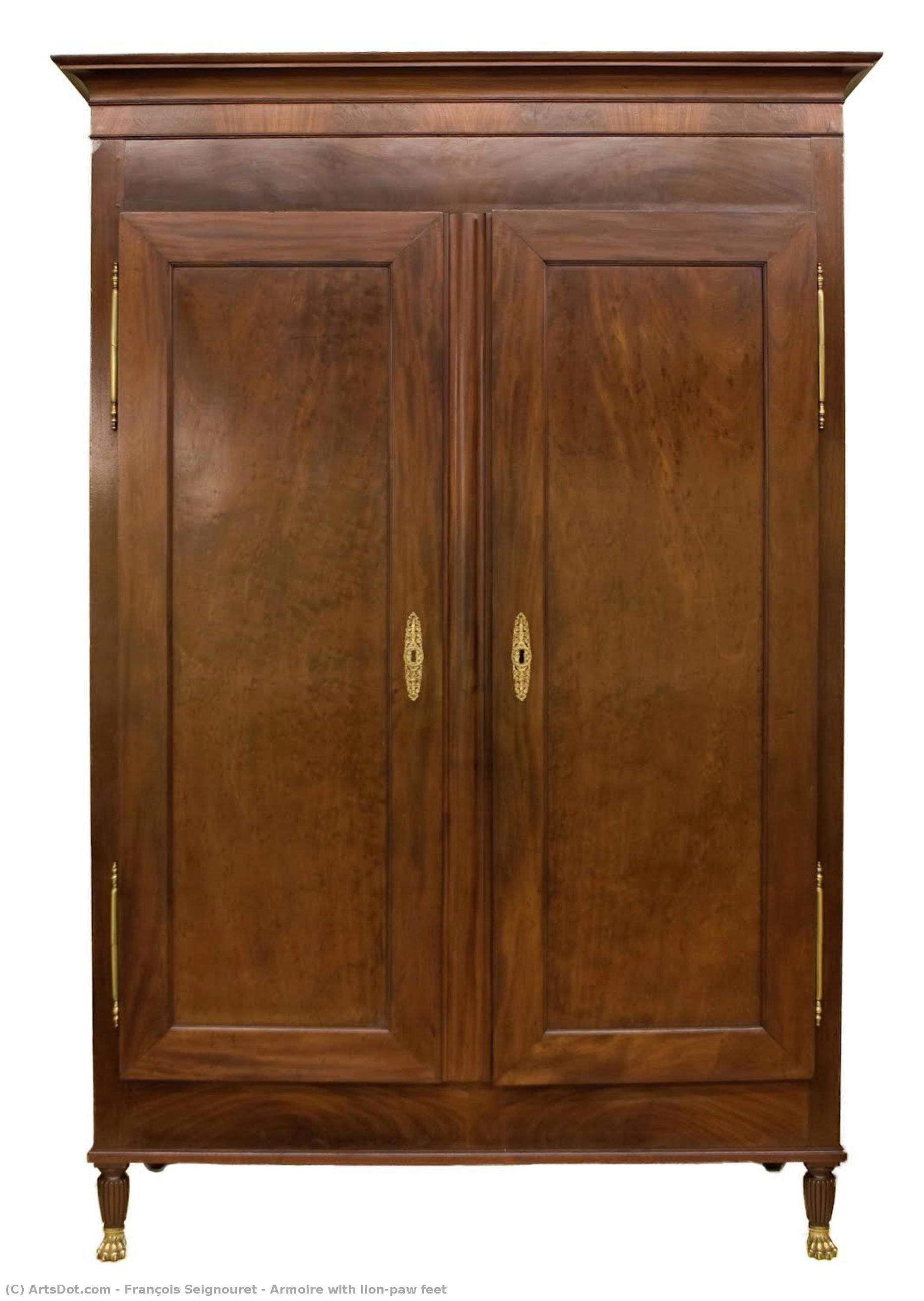
Armoire with lion-paw feet


 Read More
Giclée / Art Print
Museum-quality giclée or canvas print with fast production and flexible finish options. ( Buy Hand Made Painting Buy Image)




































Pick from our preset sizes that match the artwork's original proportions.

You may enter your own dimensions to fit a specific frame or space. If your selected size does not match the original image's proportions, we will either crop the artwork or extend the image with a mirrored or solid-fill edge. A digital mockup will be sent for your approval before production begins.
Please note that the on-screen preview does not reflect the actual cropping or extension. Only the mockup will accurately show the final composition.
While custom sizes are available, we recommend selecting a dimension from the predefined list to preserve the original proportions.
Worldwide Delivery () in 2 weeks instead of standard 4/5 weeks. (23 August)

Free Worldwide Express Shipping

High-Quality Linen Canvas

Full Shipping Insurance

Customs Tax Refund Guarantee

True Color Matching Guarantee

60-Day Return Policy (Defects Only)

100% Money-Back Guarantee

Bulk Discount Offer
 Glass option is only available in size under 110 CM

Armoire with lion-paw feet
Giclée / Art Print
Reproduction Size
-


Total Price
$ 63
Related Artworks









Artist Biography
A Bordelaise Legacy in the Crescent City: The Life and Work of François Seignouret
François Seignouret, a name synonymous with refined taste and entrepreneurial spirit in early 19th-century New Orleans, occupies a unique position in the city’s cultural history. Though he never publicly claimed the title of cabinetmaker himself, his shop on Royal Street became legendary for its elegant furnishings and discerning selection of imported goods, shaping the aesthetic landscape of Louisiana's most vibrant port city. Born in Bordeaux, France, in 1783 to a family of artisans, Seignouret’s journey embodies the transatlantic exchange of culture and commerce that defined the era. His early life likely revolved around the traditional crafts practiced by his forebears, but it was the allure of opportunity across the ocean that propelled him towards New Orleans in 1808, arriving aboard *Le Franklin* with his brother Joseph. The bustling port city, where French resonated as strongly as English, offered a fertile ground for ambitious newcomers like Seignouret.From Upholstery to Tastemaker: Establishing a Royal Street Presence
Initially establishing themselves as upholsterers, the Seignouret brothers quickly recognized a demand beyond mere fabric matching. Their business evolved into a purveyor of fine furniture, mirrors, carpets, and decorative items—a curated collection sourced from New York and beyond. However, it was Seignouret’s astute investment in real estate, both in New Orleans and his native Bordeaux, coupled with the operation of a successful vineyard in France, that truly fueled his prosperity. By 1820, he had cultivated a reputation as one of the South's most esteemed designers, even though evidence suggests he did not personally craft the furniture bearing his name. His shop wasn’t simply a place of commerce; it was a salon where taste was defined and aspirations were realized. The clientele reflected this status—prominent citizens, including General Andrew Jackson, sought out Seignouret's offerings, commissioning pieces that would become symbols of their own standing within the community.A Citizen-Soldier and Patron of the Arts
Seignouret’s commitment to his adopted city extended beyond the realm of commerce. In December 1814, he volunteered for the local militia, serving as a grenadier in Plauche’s Battalion during the pivotal Battle of New Orleans. This act of civic duty further cemented his standing within the community and underscored his integration into Louisiana society. His patronage wasn't limited to military service; Seignouret also became a significant benefactor to religious institutions, notably supplying six armchairs for St. Louis Cathedral in 1818 and a substantial mahogany armoire for the Presbytere in 1819. These commissions demonstrate not only his financial success but also his appreciation for artistry and his desire to contribute to the cultural enrichment of New Orleans.A Lasting Influence: The Seignouret Name Through Generations
The legacy of François Seignouret extends far beyond his lifetime. While he passed away in 1852, his wine export business continued under family management until 1927, when it was acquired by the Brou de Laurière family. Remarkably, the name “Seignouret” remained synonymous with quality and elegance—ownership of a "Seignouret" piece continues to be highly prized today. In 2011, the company experienced a revival under the leadership of Laurent Barrier and Erwan Flageul, who combined a dedication to fine wines with an emphasis on in-house signature brands and a commitment to sustainable winemaking practices. The story of François Seignouret is therefore not merely a historical anecdote but a continuing narrative—a testament to the enduring power of entrepreneurial vision, artistic sensibility, and a deep connection to both the Old World and the New. His influence can be traced through the elegant architecture of the French Quarter, the coveted antique furniture that graces Louisiana homes, and the celebrated wines that bear his family name, solidifying his place as a true pioneer in the development of New Orleans’ unique cultural identity.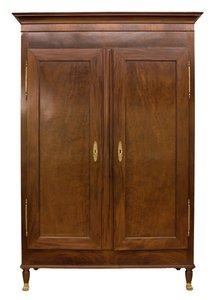
françois seignouret
1783 - , France
Quick Facts
- Artistic Movement Or Style: Elegant Furniture Style
- Date Of Birth: 1783
- Full Name: François Seignouret
- Nationality: French
- Place Of Birth: Bordeaux, France