

 Preview
 Send
Send Share
Share
 Details

 Download
 Similars
 X-Ray
X-Ray Diaporama
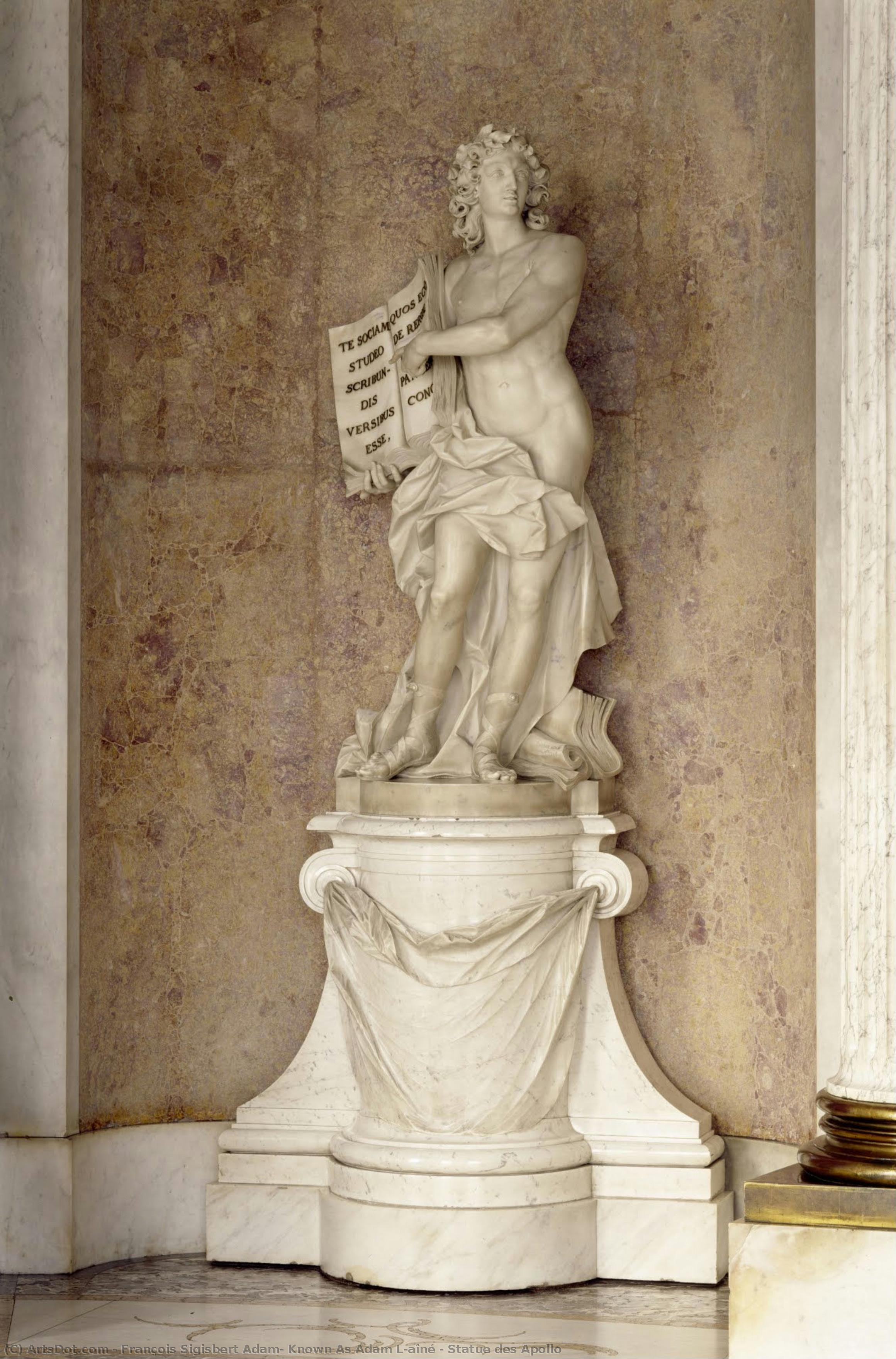
Statue des Apollo


 Read More
Purchase a high-resolution, enhanced digital image, far superior to the online preview.
Each file is meticulously prepared by our in-house specialists using advanced tools and expert manual retouching. We ensure every image has exceptional clarity, precise color accuracy, and fine detail.
The final file is delivered via email within 72 hours, optimized for immediate use in professional, editorial, and print environments. This is the same quality trusted by top-tier design studios, publishers, and galleries.
Digital Image
Download a high-resolution file for personal display, printing, and creative projects. ( Buy Print Buy Hand Made Painting)
Included in Every Digital Image Order
Expert Digital Delivery, Guaranteed
When you choose ArtsDot.com, you're not just getting an image - you're receiving a professionally enhanced digital artwork, crafted with precision and backed by a satisfaction guarantee. Here's everything that comes with your order, automatically:

Fast Email Delivery
Your high-resolution digital image file will be emailed to you within 72 hours of ordering - ready for immediate use.

AI-Enhanced Digital File
Your artwork is professionally optimized using advanced AI tools and manual editing, ensuring maximum detail, clarity, and color accuracy.

Free Lifetime Re-Delivery
Accidentally deleted or lost your file? No worries - we'll resend it to you anytime, free of charge.

No Import Fees - Ever
Enjoy your artwork instantly with zero customs, duties, or delivery fees - digital downloads are always tax-free.

Color Accuracy Guarantee
We ensure your digital image reflects the original colors as closely as possible using professional tools and color management.

60-Day Satisfaction Guarantee
If you're not satisfied with your digital image, we'll revise it or refund 100% within 60 days - no questions asked.

100% Money-Back Guarantee
Not satisfied? Get a full refund within 60 days of receiving your digital file - no questions asked.

Bulk Order Discounts
Buy 3 images, save 10% - Buy 5, save 15% - Buy 10+, save 20%. Great for creative projects, galleries, and agencies.
Collectible Description
Statue des Apollo: A Symphony of Light and Myth
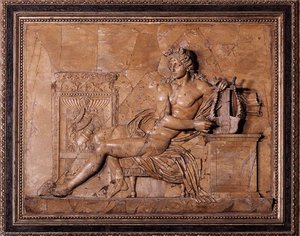
The Statue des Apollo by François Sigisbert Adam stands as a testament to Neoclassical sculpture’s pursuit of idealized beauty and intellectual contemplation—a cornerstone of Friedrich II.’s artistic vision for Sanssouci Palace. Crafted in 1748, this monumental marble figure embodies the grandeur of antiquity while simultaneously reflecting Enlightenment ideals concerning reason and harmony. Its enduring appeal lies not merely in its aesthetic perfection but also in its profound connection to philosophical concepts that shaped European culture during the mid-18th century.The Artist’s Vision: Adam L'aîné
François Sigisbert Adam, known affectionately as Adam l’aîné, was a pivotal figure in shaping Baroque and Neoclassical sculpture in Prussia. Born in Nancy in 1700, he ascended to prominence through his affiliation with Friedrich II., who established the Prussian Sculpture Atelier specifically to draw inspiration from Italian artistic traditions. This atelier became synonymous with innovation and meticulous craftsmanship, prioritizing both stylistic elegance and technical precision—a legacy that continues to resonate within contemporary art production. Adam’s dedication to reviving classical forms was driven by a fervent belief in the transformative power of art as a conduit for intellectual enlightenment.A Dialogue Between Gods: Composition and Symbolism
The statue depicts Apollo, the Greek god of music, poetry, and light—a figure revered throughout antiquity for his divine intellect and artistic prowess. Positioned facing Venus Urania, another marble sculpture residing in Sanssouci’s Hall of Mirrors, Adam deliberately created a visual dialogue between two opposing yet complementary forces: Apollo embodies rational thought and creative inspiration, while Venus represents beauty and sensual pleasure. This juxtaposition underscores the Enlightenment preoccupation with reconciling reason and emotion—a central theme explored by Lukrez’s “De rerum natura,” whose verses serve as a guiding principle for Apollo's gaze. The statue’s serene posture and flowing drapery convey an aura of tranquility and contemplation, inviting viewers to immerse themselves in the sublime experience of artistic appreciation.Technique and Material: Marble’s Luminosity
The sculpture’s remarkable luminosity is achieved through Adam’s masterful manipulation of marble—a material chosen for its ability to capture and reflect light with unparalleled brilliance. Skilled sculptors employed techniques honed over centuries, meticulously carving and polishing the stone to create surfaces that shimmer with an ethereal glow. The texture of the marble itself contributes to the overall impression of grandeur and sophistication, mirroring the architectural splendor of Sanssouci Palace—a symbol of Prussian artistic ambition during Friedrich II.’s reign. Saskia Hüneke’s research illuminates the influence of Italian sculpture on Berlin's artistic landscape, demonstrating how Adam’s atelier championed innovation and upheld the highest standards of craftsmanship.Legacy: A Reflection of Enlightenment Thought
Ultimately, “Statue des Apollo” transcends its material form to embody the intellectual spirit of the Enlightenment—a period characterized by a renewed interest in classical philosophy and an unwavering commitment to rational inquiry. Like Lukrez’s poem, it champions the pursuit of truth through beauty and contemplation—values that continue to inspire artists and collectors alike. Its enduring presence within Sanssouci Palace serves as a poignant reminder of Friedrich II.’s visionary patronage and his determination to elevate Prussian culture to new heights of artistic excellence.Related Artworks

Artist Biography
François Sigisbert Adam (Adam l'aîné) – A Life in Sculpture
François Sigisbert Adam, known as Adam l’aîné (the Elder), was a leading French Rococo sculptor of the 18th century. Born in Nancy, France, in 1700, he established himself as a significant figure in the artistic landscape of his time, renowned for his dynamic sculptures and meticulous restorations.
Early Life and Education
Adam’s artistic journey began within his family. He received his initial training in the studio of his father, Jacob-Sigisbert Adam, a respected sculptor himself. This familial foundation provided him with a strong base in sculptural techniques and an early exposure to the world of art. He later pursued further studies in Paris under the guidance of François Dumont, where he honed his skills and developed his artistic vision.
The Prix de Rome and Italian Influence
A pivotal moment in Adam’s career came in 1723 when he was awarded the prestigious Prix de Rome. This scholarship granted him a year-long opportunity to study at the French Academy in Rome, immersing himself in the rich artistic heritage of Italy. His time in Rome proved transformative, exposing him to classical sculpture and influencing his developing style.
Artistic Style and Development
Adam’s work is characterized by its graceful lines, dynamic compositions, and attention to detail – hallmarks of the Rococo style. While rooted in Baroque traditions inherited from his father, he embraced the lighter, more playful aesthetic of Rococo, incorporating mythological themes and a sense of movement into his sculptures. He also demonstrated skill in Neoclassical elements later in his career.
Major Achievements and Notable Works
- Triumph of Neptune and Amphitrite: Perhaps Adam’s most celebrated work, this monumental lead sculpture was created for the central fountain in the Bassin de Neptune at Versailles. Its dynamic depiction of the sea god Neptune and his consort Amphitrite remains a stunning example of Rococo sculpture.
- Restoration of Roman Antiquities: Adam gained recognition for his meticulous restoration work on twelve statues discovered at the so-called Villa of Marius in Rome. His careful approach preserved these important pieces of classical art for future generations.
- Statue des Apollo: A stunning Neoclassical marble sculpture depicting Apollo, showcasing his versatility and skill.
Family Legacy and Artistic Connections
François Sigisbert Adam was part of a highly talented artistic family. He was the elder brother of Nicolas-Sébastien Adam (Adam le jeune), also a renowned sculptor, and François Gaspard Balthazar Adam, a painter. This familial connection fostered a collaborative environment and contributed to the flourishing of art within the Adam dynasty.
Historical Significance and Lasting Impact
Adam’s contributions to French sculpture were significant. His work at Versailles cemented his reputation as a leading artist of his time, and his restoration efforts helped preserve invaluable pieces of classical antiquity. His unique style and mastery of the Rococo period have left an indelible mark on the history of art, inspiring subsequent generations of sculptors. His works continue to be admired in prominent collections such as the Louvre Museum in Paris.

françois sigisbert adam, known as adam l'aîné
1700 - 1759 , France
Quick Facts
- Birth Date: 1700
- Birth Place: Nancy, France
- Death Date: 1759
- Influenced: Clodion
- Influenced By: François Dumont, Jacob-Sigisbert Adam
- Movement: Rococo, Baroque, Neoclassical
- Name: François Sigisbert Adam (Adam l'aîné)
- Nationality: French
- Notable Works: Triumph of Neptune and Amphitrite, restorations of Villa of Marius statues

