 Preview
 Send
Send Share
Share
 Details

 Download
 Similars
 X-Ray
X-Ray Diaporama
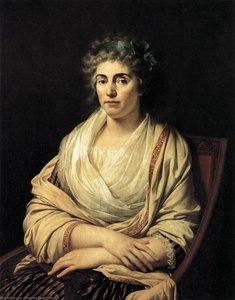
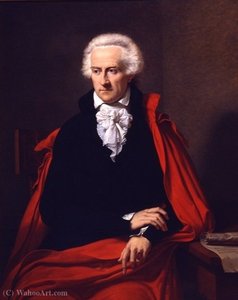
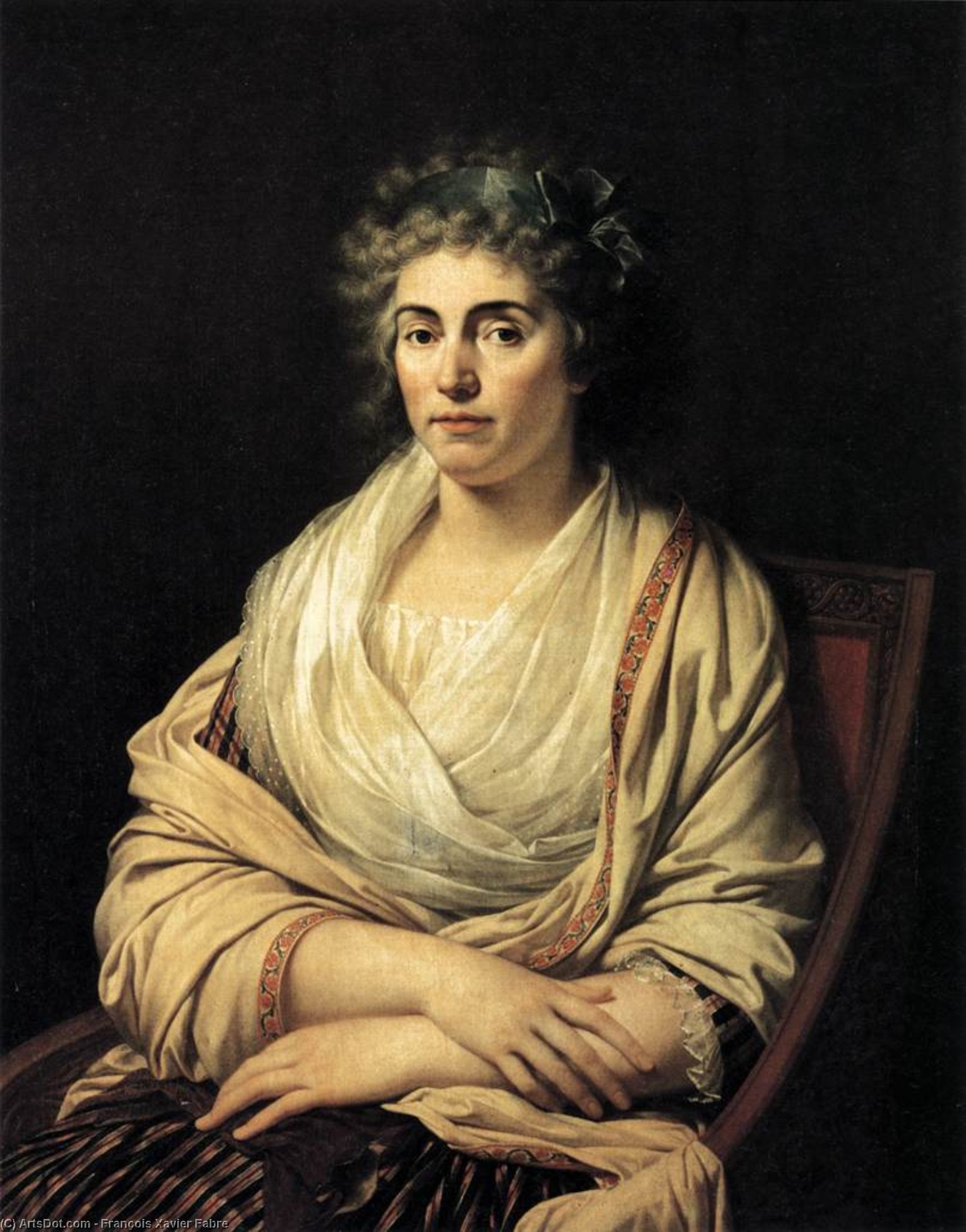
Portrait of the Countess d'Albany
 Oil
Oil- WallArt
- Neoclassical Style
 1793
1793- 19th Century
 93.0 x 73.0 cm
 Galleria degli Uffizi
 Read More
Hand Made Oil Reproduction
Hand-painted oil on canvas in your size and frame, made to order by our artists. ( Buy Print Buy Image)




P118B $10

P118H $10

P118W $10

P438Z $10

P508JH $12

P508YH $12

P805H $10

P805Z $10

P919BZ $10

P919G $10

P919XJ $10

P959ZH $10

P968JZ $12

W106C $8

W218G $10

W218JH $8

W218Y $10

W307PJ $10

W316G $10

W316PJ $8

W316Y $10

W398PJ $8

W4111J $10

W500HY $15

W500JH $15

W692G $12

W849H $8

W940BG $15

W953PJ $8




Pick from our preset sizes that match the artwork's original proportions.

You may enter your own dimensions to fit a specific frame or space. If your selected size does not match the original image's proportions, we will either crop the artwork or extend the painting with additional hand-painted elements. A digital mockup will be sent for your approval before production begins.
Please note that the on-screen preview does not reflect the actual cropping or extension. Only the mockup will accurately show the final composition.
While custom sizes are available, we recommend selecting a dimension from the predefined list to preserve the original proportions.
After order, ArtsDot.com team will email client for instructions and provide a mockup preview
Worldwide Delivery () in 3/4 weeks instead of standard 5 weeks. (25 August). No compromise on quality.

Free Worldwide Express Shipping

High-Quality Linen Canvas

Full Shipping Insurance

Customs Tax Refund Guarantee

True Color Matching Guarantee

60-Day Return Policy (Defects Only)

100% Money-Back Guarantee

Bulk Discount Offer
 Glass option is only available in size under 110 CM

Portrait of the Countess d'Albany
Reproduction Medium
Reproduction Size
-


Total Price
$ 263
Artwork Description
A Vision of Florentine Grace
In the quiet stillness of François Xavier Fabre’s Portrait of the Countess d'Albany, one finds more than just a likeness; one encounters an era of profound transition and aristocratic poise. Completed in 1793, this masterpiece serves as a luminous window into the late 18th century, capturing Louise Stolberg d’Albany with a dignity that transcends the canvas. As she sits gracefully within a setting reminiscent of a Florentine palazzo, the viewer is immediately drawn into a world of refined intellect and serene composure. The painting does not merely document a noblewoman; it breathes life into the very essence of Neoclassical elegance, making it an irresistible centerpiece for any collection that values historical depth and aesthetic sophistication.
The artistry behind this portrait is a masterclass in the Neoclassical style, a movement Fabre mastered under the legendary Jacques-Louis David. There is a deliberate, rhythmic precision to his technique, where every brushstroke is controlled and smooth, eschewing unnecessary flourish for the sake of absolute clarity. Through the expert use of chiaroscuro—the dramatic interplay between light and shadow—Fabre sculpts the Countess’s form, lending her figure a three-dimensional presence that feels almost tactile. This play of light does more than define musculature and fabric; it creates an atmosphere of contemplative depth, casting a soft glow upon her features that invites the observer to linger on her thoughtful expression.
Symbolism and Historical Resonance
Beyond its technical brilliance, the portrait is rich with subtle layers of meaning that resonate with the historical context of the Napoleonic era. The very chair upon which the Countess rests is far from a mere prop; it stands as a potent symbol of stability, authority, and the enduring strength of the aristocracy during a period of immense political upheaval in Europe. Her gaze, directed toward the viewer, establishes an intimate psychological connection, bridging the centuries between her world and our own. This direct engagement fosters a sense of presence that is both commanding and inviting, a quality that makes a high-quality reproduction of this work particularly captivating for modern interior spaces.
For the discerning collector or interior designer, this artwork offers a unique opportunity to introduce a sense of timelessness into a room. Whether placed in a sunlit gallery or a moody, classically styled study, the painting brings with it the intellectual fervor of Florence and the disciplined beauty of French academic tradition. It is a piece that speaks of virtue, humanist values, and the quiet power of composure—a perfect acquisition for those looking to inspire awe and conversation through the enduring legacy of fine art.
Related Artworks
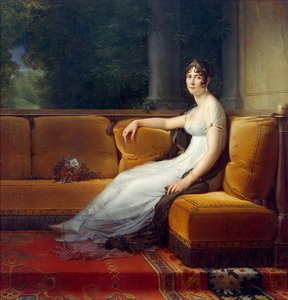
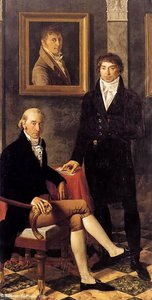
Artist Biography
A Life Bridging Neoclassicism and Florentine Society
François-Xavier Fabre, born in Montpellier, France, in 1766, occupies a fascinating position within the landscape of late 18th and early 19th century European art. His journey began with rigorous academic training at his hometown’s art academy, laying a solid foundation before he sought further refinement in the heart of Paris. It was there, within the studio of Jacques-Louis David – the leading light of Neoclassicism – that Fabre truly found his artistic direction. This mentorship proved pivotal, instilling in him a dedication to precise draftsmanship, balanced composition, and a restrained emotional palette that would characterize much of his subsequent work. Fabre’s early promise was recognized with the prestigious Prix de Rome in 1787, an award that promised opportunity for study in Italy; however, fate intervened in the form of the French Revolution. Rather than returning to a France consumed by upheaval, Fabre chose to remain in Florence, a decision that would profoundly shape his artistic career and personal life.Florentine Years: Patronage and Artistic Flourishing
Florence welcomed Fabre with open arms, quickly establishing him as a respected member of the Florentine Academy and a sought-after instructor. The city’s vibrant cultural scene, coupled with its influx of aristocratic patrons and discerning travelers, provided fertile ground for his talents to blossom. He became particularly adept at portraiture, capturing the likenesses of prominent figures with an elegant realism that resonated deeply within Florentine society. His ability to convey both physical resemblance and psychological depth earned him a loyal clientele. Beyond portraiture, Fabre continued to explore historical and mythological subjects, demonstrating a mastery of composition and narrative detail honed during his time under David’s tutelage. A significant chapter in Fabre's personal life unfolded through his connection with the renowned dramatist Vittorio Alfieri. Following Alfieri’s death, Fabre is believed to have married his widow, Princess Louise of Stolberg-Gedern, Countess of Albany – a union that dramatically altered his circumstances. The inheritance received upon her passing in 1824 allowed Fabre to realize a long-held ambition: the establishment of an art school in Montpellier, ensuring the continuation of artistic education within his native city.Artistic Style and Notable Works
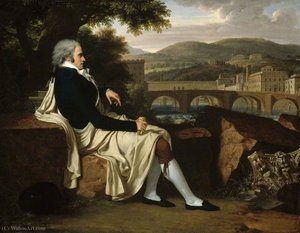
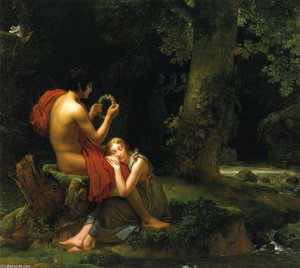
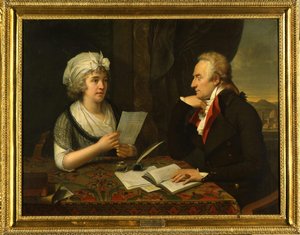
Fabre’s style is immediately recognizable for its Neoclassical elegance tempered by a distinctly Italianate sensibility. While deeply influenced by David's emphasis on clarity and form, Fabre infused his work with a warmer palette and a more nuanced approach to characterization. The Dying Saint Sebastian (1789), created early in his career, exemplifies this blend of influences – the anatomical precision and dramatic lighting reminiscent of David are present, yet softened by a subtle emotionality. Later works, such as The Judgment of Paris (1808) and The Death of Narcissus (1814), demonstrate his continued exploration of classical themes with increasing sophistication in composition and color. However, it is perhaps his portraits that best reveal Fabre’s artistic strengths. Portrait of Vittorio Alfieri and Louise Stolberg d’Albany (1793) stands as a testament to his ability to capture not only physical likeness but also the complex relationship between its subjects. Similarly, Portrait of Marquis Annibale Sommariva showcases his skill in rendering textures and conveying a sense of aristocratic dignity. His painting Allen Smith Contemplating across the Arno, Florence, is an excellent example of his ability to capture both the sitter’s personality and the atmosphere of the city itself.A Lasting Legacy: The Musée Fabre and Historical Significance
François-Xavier Fabre's commitment to art extended far beyond his own creative endeavors. His bequest of his extensive art collection to the town of Montpellier upon his death in 1837 stands as a remarkable act of civic generosity. This gift formed the cornerstone of what would become the Musée Fabre, a renowned institution that continues to showcase European paintings from the 15th to the 20th centuries – including masterpieces by David, Rubens, and Courbet alongside his own works. Fabre’s legacy is therefore twofold: as a skilled practitioner of Neoclassical painting and as a visionary benefactor who ensured access to art for generations to come. He represents a crucial link between the classical traditions championed by David and the evolving artistic sensibilities of the 19th century, embodying a spirit of both dedication to established principles and openness to new influences. His portraits offer invaluable insights into the social and cultural landscape of his time, while his patronage solidified Montpellier’s position as a center for artistic appreciation and education.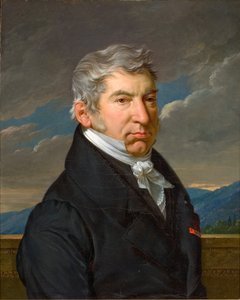
françois xavier fabre
1766 - 1837 , France
Quick Facts
- Artistic Movement Or Style: Neoclassical
- Artists Who Influenced This Artist: ['Jacques-Louis David']
- Date Of Birth: 1766
- Date Of Death: 1837
- Full Name: François-Xavier Fabre
- Nationality: French
- Notable Artworks:
- The Dying Saint Sebastian
- The Judgment of Paris
- The Death of Narcissus
- Portrait of Vittorio Alfieri
- Place Of Birth: Montpellier, France
Related Articles
Neoclassical Art: 10 Masterpieces That Shaped History |
Explore 10 defining Neoclassical masterpieces by David, Ingres & Canova. Discover the history, symbolism & artistry behind these iconic paintings and sculptures. Find museum-quality art reproductions at – elevate your home with timeless beauty.
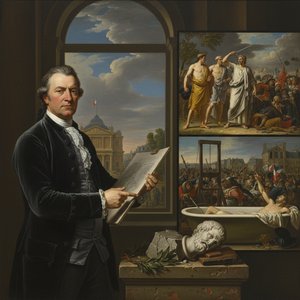
Jacques-Louis David: Neoclassical Ideals & Revolutionary Witness
Explore the life & art of Jacques-Louis David, leading Neoclassical painter of the French Revolution. Discover iconic works like 'The Death of Marat' and his lasting impact on art history. Expert analysis & high-quality reproductions at ArtsDot.

The Revival of Antiquity: Exploring Neoclassical Art's Ideals & Enduring Legacy
Explore the revival of classical ideals in Neoclassical art! Discover Jacques-Louis David & the movement's impact on painting, sculpture & architecture. Expert insights & high-quality reproductions at ArtsDot.
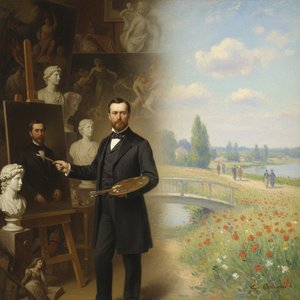
François Flameng: Bridging Academic Tradition & Impressionistic Sensibility
Explore the captivating works of François Flameng, a celebrated French painter bridging academic tradition & Impressionistic sensibilities. Discover his portraits, landscapes, and poignant WWI art with insights from ArtsDot.

The Revival of Antiquity: Exploring the Neoclassical Movement & its Enduring Legacy
Explore the revival of classical art with our deep dive into Neoclassicism! Discover key artists like Jacques-Louis David, Enlightenment influences & lasting impact on art history. High-quality reproductions at ArtsDot.