 Preview
 Send
Send Share
Share
 Details

 Download
 Similars
 X-Ray
X-Ray Diaporama
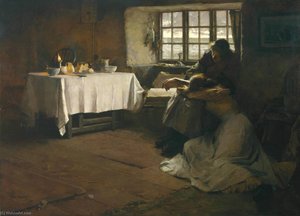
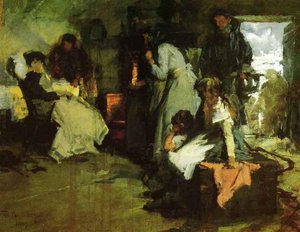
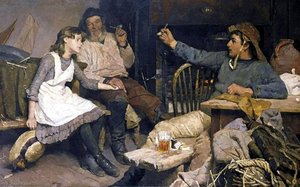
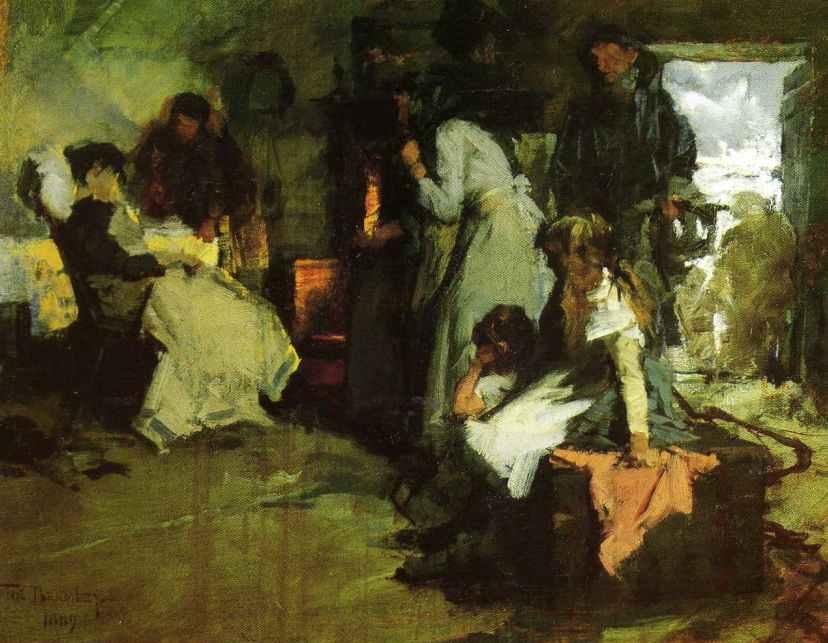
The Fisherman's Home
 Post-Impressionism
 1889
1889 46.0 x 59.0 cm
 Read More
Hand Made Oil Reproduction
Hand-painted oil on canvas in your size and frame, made to order by our artists. ( Buy Print Buy Image)




P118B $10

P118H $10

P118W $10

P438Z $10

P508JH $12

P508YH $12

P805H $10

P805Z $10

P919BZ $10

P919G $10

P919XJ $10

P959ZH $10

P968JZ $12

W106C $8

W218G $10

W218JH $8

W218Y $10

W307PJ $10

W316G $10

W316PJ $8

W316Y $10

W398PJ $8

W4111J $10

W500HY $15

W500JH $15

W692G $12

W849H $8

W940BG $15

W953PJ $8




Pick from our preset sizes that match the artwork's original proportions.

You may enter your own dimensions to fit a specific frame or space. If your selected size does not match the original image's proportions, we will either crop the artwork or extend the painting with additional hand-painted elements. A digital mockup will be sent for your approval before production begins.
Please note that the on-screen preview does not reflect the actual cropping or extension. Only the mockup will accurately show the final composition.
While custom sizes are available, we recommend selecting a dimension from the predefined list to preserve the original proportions.
After order, ArtsDot.com team will email client for instructions and provide a mockup preview
Worldwide Delivery () in 3/4 weeks instead of standard 5 weeks. (20 August). No compromise on quality.

Free Worldwide Express Shipping

High-Quality Linen Canvas

Full Shipping Insurance

Customs Tax Refund Guarantee

True Color Matching Guarantee

60-Day Return Policy (Defects Only)

100% Money-Back Guarantee

Bulk Discount Offer
 Glass option is only available in size under 110 CM

The Fisherman's Home
Reproduction Medium
Reproduction Size
-


Total Price
$ 263
Artwork Description
A Scene of Shared Sorrow: Unveiling Frank Bramley’s ‘The Fisherman's Home’
Painted in 1889, The Fisherman's Home by Frank Bramley RA is a deeply moving work that encapsulates the hardships and emotional realities of life within a close-knit coastal community. Measuring 46 x 59 cm, this Post-Impressionist painting offers a poignant glimpse into a moment of collective grief, likely following a maritime tragedy. Bramley, a leading figure in the Newlyn School, masterfully conveys a sense of despair and vulnerability through his expressive brushwork and somber palette.
Style & Technique: Echoes of Realism and Impressionistic Sensibility
- Post-Impressionist Roots: While rooted in realism, Bramley’s style leans towards Post-Impressionism. He prioritizes emotional impact over photographic accuracy, employing visible brushstrokes and a textured surface to heighten the painting's raw energy.
- Chiaroscuro & Color Palette: The dramatic use of chiaroscuro – the interplay of light and shadow – is central to the work’s emotional power. Muted greens, browns, and grays dominate the color scheme, punctuated by highlights on faces and clothing, drawing the viewer's eye to the figures’ expressions.
- Impasto & Brushwork: Bramley utilizes thick impasto – a technique where paint is applied thickly – creating a tactile quality that emphasizes movement and adds depth to the scene. The gestural, uneven lines contribute to the overall feeling of instability and emotional turmoil.
Historical Context & The Newlyn School
Frank Bramley was a pivotal member of the Newlyn School, an artistic colony established in Cornwall, England. Artists were drawn to the area’s unique light and the authentic lives of its working-class inhabitants – particularly fishermen and their families. The Newlyn School sought to depict everyday life with honesty and empathy, rejecting the idealized subjects favored by many Victorian artists. The Fisherman's Home is a quintessential example of this approach, offering an unvarnished portrayal of grief within a specific social context. Bramley’s Parisian training under Leighton and Gérôme also influenced his work, blending academic skill with contemporary European artistic trends.
Symbolism & Emotional Resonance
- Shared Trauma: The tightly packed figures suggest a shared experience of trauma. Their slumped postures, bowed heads, and outstretched hands convey profound sadness and helplessness.
- Obscured Faces & Hidden Emotions: While some faces are illuminated, others remain partially obscured, hinting at the complex and often unspoken emotions surrounding loss.
- Draped Cloth as Mourning: The draped cloth subtly symbolizes mourning and remembrance, a common motif in depictions of grief throughout art history.
The Fisherman's Home is not merely a depiction of sorrow; it’s an invitation to empathize with the human condition. Its enduring power lies in its ability to evoke a visceral emotional response, reminding us of the universal experience of loss and the importance of community in times of hardship.
Related Artworks
Artist Biography
A Life Immersed in Light and Shadow: The World of Frank Bramley
Frank Bramley, a name resonating within the annals of British Post-Impressionism and intrinsically linked to the evocative spirit of the Newlyn School, was an artist who possessed a remarkable ability to translate human emotion onto canvas. Born in the quiet Lincolnshire village of Sibsey in 1857, his journey from aspiring etcher to celebrated Royal Academician is a testament to dedication, artistic exploration, and a profound sensitivity to the lives unfolding around him. Bramley’s early life was marked by a formal art education, beginning at the Lincoln School of Art before he ventured to the prestigious Koninklijke Academie voor Schone Kunsten in Antwerp, studying under Charles Verlat. This period proved formative, instilling within him a rigorous technical foundation and exposing him to continental artistic currents. A subsequent sojourn in Venice further broadened his horizons, allowing him to absorb the city’s unique atmosphere and masterfully nuanced play of light – elements that would become hallmarks of his mature style.The Allure of Newlyn: Capturing Cornish Life
It was, however, the rugged beauty and authentic character of Cornwall that truly ignited Bramley's artistic vision. Drawn to the burgeoning artist colony in Newlyn, he joined a community captivated by the area’s distinctive light and the unvarnished realities of its fishing communities. Unlike many of his contemporaries who focused on plein-air depictions of coastal scenes, Bramley gravitated towards interior settings, seeking to capture the intimate moments and emotional complexities within domestic spaces. He wasn't merely documenting life; he was delving into the very soul of his subjects, portraying their hardships, joys, and quiet dignity with remarkable empathy. This focus allowed him to explore the interplay of natural and artificial light, creating atmospheric depth and imbuing his paintings with a palpable sense of mood. His technique, characterized by the distinctive ‘square brush’ method – applying paint in a jigsaw pattern of flat strokes – added vibrancy and texture to his canvases, further enhancing their emotional resonance.Themes of Loss and Resilience: A Masterful Palette
Bramley's artistic output is deeply rooted in realism, yet it transcends mere representation through its profound emotional depth. He was profoundly influenced by artists like Jean-François Millet, whose depictions of peasant life resonated with Bramley’s own commitment to portraying the lives of working-class individuals. This influence is evident in works such as A Hopeless Dawn (1888), arguably his most famous painting and now held within the Tate Gallery's collection. The work powerfully conveys a sense of grief and despair, depicting a young woman consumed by sorrow – believed to be Effy Reynolds James – and has become an iconic representation of Victorian melancholy. The Fisherman’s Home (1889) similarly explores themes of loss and hardship, while Every One His Own Tale (1885) offers a captivating glimpse into the intimate lives of Cornish families. Bramley's palette evolved over time, becoming brighter and more impastoed as he honed his technique, yet always remained grounded in tonal harmony and a sophisticated understanding of color’s emotive power.Recognition and Legacy: A Lasting Impression
Throughout his career, Frank Bramley garnered significant recognition within the British art establishment. He was elected an Associate of the Royal Academy (ARA) in 1894, a testament to his growing reputation, and achieved full Royal Academician status (RA) in 1911. His talent also extended beyond national borders; he received a gold medal at the prestigious Paris Salon, further solidifying his international acclaim. Interestingly, Bramley was a founding member of the New English Art Club but later resigned following disagreements with fellow artist Walter Sickert, demonstrating his independent spirit and unwavering commitment to his artistic vision. He eventually settled in Grasmere in the Lake District, continuing to exhibit widely until his untimely death in 1915. Frank Bramley’s legacy endures as a poignant reminder of an era defined by social change and artistic innovation. His paintings offer not only aesthetic pleasure but also a profound emotional connection to the lives and experiences of those who came before us, cementing his place as a significant figure in British Post-Impressionism and the Newlyn School.A Continuing Dialogue with the Past
Today, Bramley’s works are held in numerous public and private collections across the globe, including the Tate Gallery, the Royal Cornwall Museum, and the National Portrait Gallery. His paintings continue to captivate audiences with their evocative power and technical brilliance, inviting viewers to contemplate the complexities of human existence and the enduring beauty of the natural world. He remains an artist whose work speaks volumes about Victorian society, offering a valuable glimpse into the lives of ordinary people and reminding us of the universal themes of love, loss, and resilience that transcend time and place. His ability to imbue his canvases with such palpable emotion ensures that Frank Bramley’s artistic voice will continue to resonate for generations to come.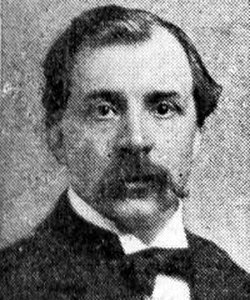
Frank Bramley
1857 - 1915 , United Kingdom
Quick Facts
- Artistic Movement Or Style: Post-Impressionism
- Artists Who Influenced This Artist: ['Jean-François Millet']
- Date Of Birth: 1857
- Date Of Death: 1915
- Full Name: Frank Bramley
- Nationality: English
- Notable Artworks:
- A Hopeless Dawn
- The Fisherman’s Home
- Every One His Own Tale
- Self Portrait
- Place Of Birth: Sibsey, UK
Related Articles

Post-Impressionism's 10 Defining Masterpieces: Art for Your Home |
Journey through Post-Impressionism's 10 defining masterpieces – Van Gogh, Monet & more. Explore iconic paintings, art history & find museum-quality reproductions for your home at . Discover all masterpieces online!
Impressionistic Realism's Finest: 10 Masterpieces for Your Home | ArtsDot
Journey through Impressionistic Realism with 10 iconic masterpieces by Monet, Renoir & Van Gogh. Explore art history, techniques & find museum-quality reproductions for your home at ArtsDot.com. Discover all masterpieces online!

Impressionist Landscapes: 10 Masterpieces for Your Home | ArtsDot
Journey through 10 iconic Impressionist landscapes by Monet, Renoir & Degas. Explore the history, techniques & emotions behind these masterpieces. Find museum-quality reproductions for your home at ArtsDot.com – where art comes to life! Discover all masterpieces on ArtsDot.com
Henri Moret: Capturing the Essence of Brittany's Light – A Study in Post-Impressionist Landscape Painting
Explore the captivating landscapes of Henri Moret, a master of Post-Impressionism. Discover his unique style, key works, and legacy in our expert guide. Learn about collecting Moret's art & its investment potential.
Beyond Impressionism: Exploring the Emotional Depth of Post-Impressionist Painting
Explore the profound emotional depth & innovative techniques of Post-Impressionism with ArtsDot. Discover Cézanne, Van Gogh, Gauguin & more – and their lasting impact on modern art.