 Preview
 Send
Send Share
Share
 Details

 Download
 Similars
 X-Ray
X-Ray Diaporama
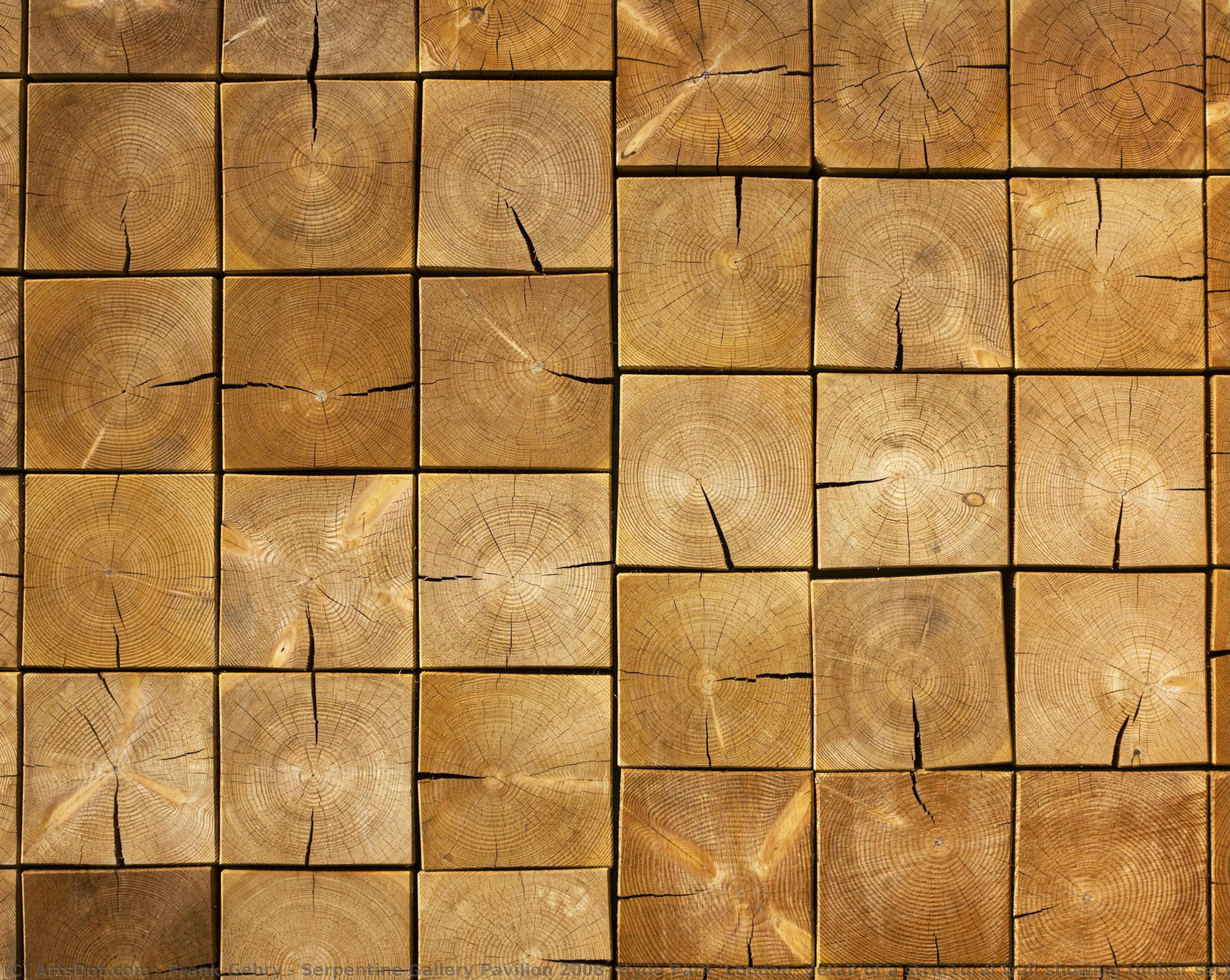
Serpentine Gallery Pavilion 2008, Hyde Park, London: detail of a structural wall showing timber section


 Read More
Giclée / Art Print
Museum-quality giclée or canvas print with fast production and flexible finish options. ( Buy Hand Made Painting Buy Image)




P118B $10

P118H $10

P118W $10

P438Z $10

P508JH $12

P508YH $12

P805H $10

P805Z $10

P919BZ $10

P919G $10

P919XJ $10

P959ZH $10

P968JZ $12

W106C $8

W218G $10

W218JH $8

W218Y $10

W307PJ $10

W316G $10

W316PJ $8

W316Y $10

W398PJ $8

W4111J $10

W500HY $15

W500JH $15

W692G $12

W849H $8

W940BG $15

W953PJ $8




Pick from our preset sizes that match the artwork's original proportions.

You may enter your own dimensions to fit a specific frame or space. If your selected size does not match the original image's proportions, we will either crop the artwork or extend the image with a mirrored or solid-fill edge. A digital mockup will be sent for your approval before production begins.
Please note that the on-screen preview does not reflect the actual cropping or extension. Only the mockup will accurately show the final composition.
While custom sizes are available, we recommend selecting a dimension from the predefined list to preserve the original proportions.
Worldwide Delivery () in 2 weeks instead of standard 4/5 weeks. (21 August)

Free Worldwide Express Shipping

High-Quality Linen Canvas

Full Shipping Insurance

Customs Tax Refund Guarantee

True Color Matching Guarantee

60-Day Return Policy (Defects Only)

100% Money-Back Guarantee

Bulk Discount Offer
 Glass option is only available in size under 110 CM

Serpentine Gallery Pavilion 2008, Hyde Park, London: detail of a structural wall showing timber section
Giclée / Art Print
Reproduction Size
-


Total Price
$ 63
Collectible Description
Serpentine Gallery Pavilion 2008: A Dialogue Between Geometry and Organic Form
The Serpentine Gallery Pavilion 2008 stands as a testament to Frank Gehry’s unwavering commitment to challenging architectural conventions and embracing serendipitous beauty. Situated in Hyde Park, London, this temporary structure wasn't merely built; it was conceived as an experience—a deliberate provocation of the senses and a celebration of materiality. Completed in July 2008, coinciding with the gallery’s tenth anniversary, it marked Gehry’s inaugural project in England and instantly cemented his reputation as one of the most influential architects of our time.- Architectural Concept: Gehry's vision centered on creating a space that defied traditional notions of linearity and symmetry. Inspired by Leonardo da Vinci’s catapult designs and the striped walls of summer beach huts, he sought to generate an atmosphere of dynamism and surprise—a deliberate contrast to the formality often associated with institutional buildings.
- Material Palette: The pavilion's striking appearance derives from its unconventional use of timber planks and expansive glass planes. These materials were chosen not only for their structural integrity but also for their ability to interact visually, creating a textured surface that shifts in response to light and weather conditions. The steel columns provide the foundational support, anchoring the structure while simultaneously emphasizing its monumental scale.
- Technique: Gehry’s approach involved meticulous detailing and fabrication—a process that demanded collaboration with Arup engineers who skillfully navigated the complexities of constructing a building that appeared to float effortlessly above the ground. The timber planks were assembled using traditional post-and-beam construction techniques, ensuring stability while allowing for expressive sculptural forms.
Historical Context and Influences
Gehry’s aesthetic aligns closely with deconstructivism—a movement that emerged in the late 1980s as a reaction against postmodernism's embrace of ornamentation and stylistic imitation. Deconstructivist architects rejected grand narratives and utopian ideals, favoring fragmentation, asymmetry, and an exploration of structural instability. Gehry’s pavilion embodies this spirit by deliberately disrupting established architectural hierarchies and prioritizing materiality over preconceived notions of form. It reflects the broader cultural shift toward embracing complexity and questioning accepted standards of beauty—a trend that continues to resonate within contemporary design discourse.Symbolism and Emotional Impact
Beyond its formal qualities, the Serpentine Pavilion 2008 carries symbolic weight. The pavilion’s undulating surfaces evoke a sense of movement and fluidity, mirroring the natural rhythms of Hyde Park itself. Its openness invites contemplation and encourages visitors to engage with their surroundings—a deliberate intention to foster dialogue between architecture and landscape. Gehry's aim was not simply to create a building but to generate an emotional response—to inspire awe and wonder through the unexpected interplay of light, texture, and form. The pavilion’s enduring appeal lies in its ability to capture the essence of innovation while simultaneously grounding itself in timeless principles of craftsmanship and artistic vision.Conclusion: An Icon of Contemporary Architecture
The Serpentine Gallery Pavilion 2008 remains a landmark achievement in architectural history—a bold declaration that beauty can reside in apparent disorder and that materiality possesses inherent expressive potential. Frank Gehry’s masterpiece continues to captivate audiences worldwide, serving as an exemplar of sculptural architecture and demonstrating the transformative power of artistic experimentation. Its legacy extends beyond its physical presence, inspiring designers and artists alike to push boundaries and reimagine the role of buildings within our environment.Related Artworks





Artist Biography
A Maverick of Form: The Life and Vision of Frank Gehry
Frank Owen Goldberg, known to the world as Frank Gehry, is more than an architect; he’s a sculptor of space, a poet of materials, and arguably the most recognizable architectural voice of our time. Born in Toronto, Canada, in 1929, his journey from a childhood spent building imaginary cities with scraps of wood to becoming a globally celebrated iconoclast is a testament to the power of imagination and unwavering artistic conviction. The early influence of his maternal grandmother, Leah Caplan, proved pivotal; her hardware store provided not just materials but also a fertile ground for experimentation, fostering a lifelong fascination with the potential hidden within everyday objects. This formative experience instilled in him a unique perspective – one that would later challenge conventional architectural norms and redefine what buildings could be. His family’s emigration to Los Angeles in 1947 marked a turning point, exposing him to a burgeoning cultural landscape while he navigated various jobs and academic pursuits before ultimately finding his calling at the University of Southern California's School of Architecture.From Humble Beginnings to Deconstructivist Icon
Gehry’s path wasn’t immediate or linear. After graduating, a period of exploration followed, including service in the United States Army and studies at Harvard’s Graduate School of Design – an experience he found ultimately stifling. It was upon his return to Los Angeles that his distinctive style began to coalesce. The pivotal moment arrived with the remodeling of his own Santa Monica home in 1978. Rejecting traditional forms, he enveloped the existing bungalow in a radical assemblage of corrugated steel, chain-link fencing, and plywood. This audacious act wasn’t merely a renovation; it was a declaration – a bold statement that challenged the prevailing architectural orthodoxy. It signaled a departure from the sleek, minimalist aesthetic of modernism and embraced a raw, expressive quality that would become his signature. The house became an instant landmark, attracting attention and launching Gehry into the spotlight. This project wasn’t just about aesthetics; it was about challenging perceptions, questioning norms, and embracing imperfection. It laid the groundwork for what would later be termed “deconstructivism,” a movement characterized by fragmented forms, non-rectilinear shapes, and a deliberate disruption of traditional architectural principles.Sculpting with Light: Major Works and Innovations
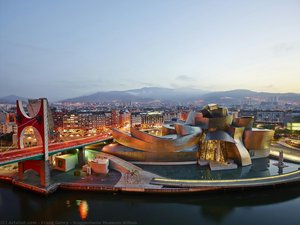
The 1990s witnessed Gehry’s ascent to international prominence, culminating in the creation of masterpieces that redefined the possibilities of architectural design. The Guggenheim Museum Bilbao, completed in 1997, stands as perhaps his most iconic achievement. Clad in shimmering titanium panels, the museum resembles a colossal sculpture, its fluid forms reflecting the light and the surrounding landscape. It wasn’t just a building; it was an event – a catalyst for urban regeneration that transformed Bilbao into a cultural destination. This “Bilbao effect” demonstrated the power of architecture to revitalize communities and attract global attention. Following this triumph came a series of equally ambitious projects: the Walt Disney Concert Hall in Los Angeles, with its soaring stainless steel sails; the Louis Vuitton Foundation in Paris, a breathtaking complex of glass sails nestled within the Bois de Boulogne; and the MIT Ray and Maria Stata Center in Cambridge, Massachusetts, a dynamic composition of geometric forms. Gehry’s innovative use of materials – titanium, stainless steel, concrete, wood – coupled with his mastery of computer-aided design (CAD) allowed him to realize increasingly complex and sculptural designs that were previously unimaginable. He didn't simply design buildings; he sculpted experiences, manipulating light, space, and form to create emotionally resonant environments.A Lasting Legacy: Influence and Historical Significance
Frank Gehry’s impact on the architectural landscape is undeniable. He shattered conventions, challenged expectations, and inspired a generation of architects to embrace experimentation and push the boundaries of design. His work transcends mere functionality; it's about creating art that engages with its surroundings, provokes thought, and evokes emotion. While his style has been labeled “deconstructivist,” Gehry himself resists categorization, preferring to focus on the unique challenges and opportunities presented by each project. He continues to be a prolific designer, currently working on projects around the globe, including the future National Dwight D. Eisenhower Memorial in Washington, D.C. His buildings are not just structures; they are cultural landmarks that embody the spirit of innovation and artistic freedom. Gehry’s legacy extends beyond his built works; he has also influenced furniture design, product design, and even jewelry making. He remains a vital force in contemporary architecture, constantly evolving and challenging himself to create spaces that are both beautiful and meaningful. His work serves as a powerful reminder that architecture is not merely about shelter; it’s about shaping our experience of the world around us.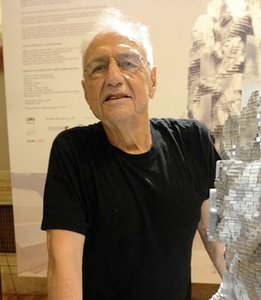
Frank Gehry
1929 - , Canada
Quick Facts
- Artistic Movement Or Style: Deconstructivism
- Artists Who Influenced This Artist:
- His grandmother Leah Caplan
- His mother
- Date Of Birth: February 28, 1929
- Full Name: Frank Owen Gehry
- Nationality: Canadian-American
- Notable Artworks:
- Guggenheim Bilbao
- Walt Disney Concert Hall
- Louis Vuitton Foundation
- Vitra Design Museum
- 8 Spruce Street
- Place Of Birth: Toronto, Canada
Related Articles

Framing Perception: A Comprehensive Guide to Selecting Frames that Enhance Interior Styles and Artwork Value
Elevate your space with expert art framing guidance! Discover how to choose frames that enhance artwork & interior design, protect valuable pieces, and create stunning displays. Trusted advice for designers & collectors.

Enhancing Art with Framing: A Guide to Selection & Aesthetic Integration
Elevate your artwork with expert framing advice. This guide covers styles, materials, preservation techniques & client consultation for stunning results. Enhance value & protect your investment.

F.A.Q.: Acrylic vs. Wood Framing – A Collector's Guide to Timeless Elegance
Explore framing options for your art collection with . Discover the differences between acrylic & wood frames – expert guidance on preservation, style & investment value.

Beyond the Canvas: Framing as a Catalyst for Value & Aesthetic Impact in Luxury Art Reproduction
Discover how expert framing elevates your art investment & interior design. Explore museum-quality options, bespoke sizing, and preservation techniques for discerning collectors. Enhance value & aesthetic impact with ArtsDot.

Beyond Ornamentation: The Psychological Impact of Framing on Aesthetic Perception & Artistic Value
Explore the profound psychological impact of framing on art perception & value. Discover how color, composition, and historical context influence aesthetic judgment. Expert insights for collectors.