 Preview
 Send
Send Share
Share
 Details

 Download
 Similars
 X-Ray
X-Ray Diaporama
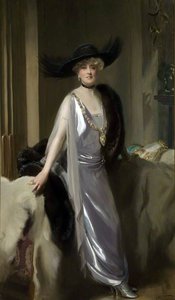
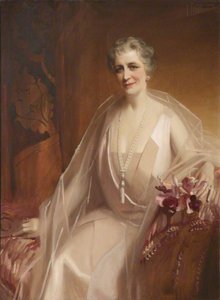
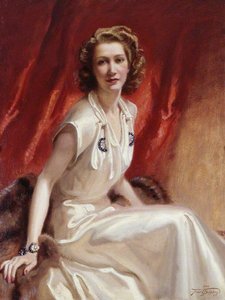
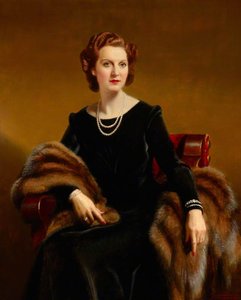
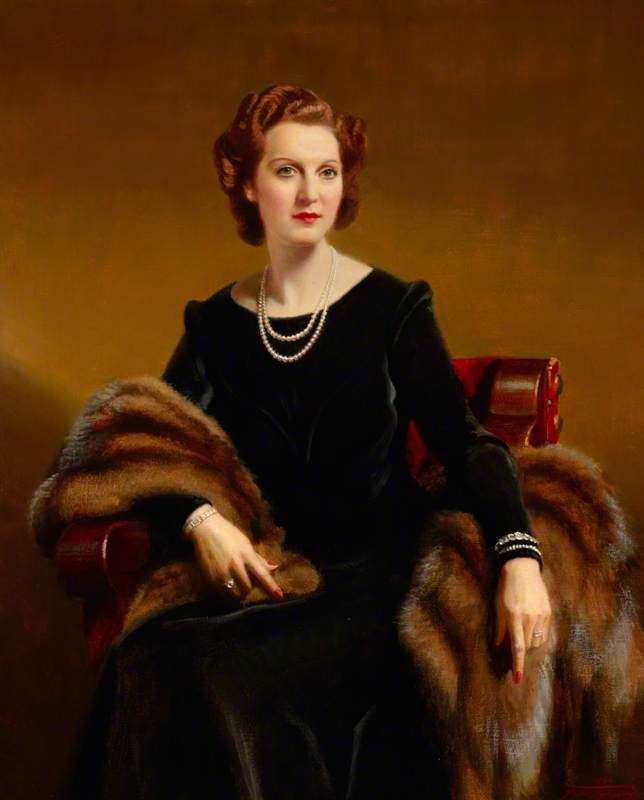
Eva Mary 'Eve' Dickson (1907–1994), Lady Price
 Oil On Canvas
- WallArt
- Academic Realism
 1946
1946- Early Modern
 123.0 x 99.0 cm
 National Trust
 Read More
Hand Made Oil Reproduction
Hand-painted oil on canvas in your size and frame, made to order by our artists. ( Buy Print Buy Image)




P118B $10

P118H $10

P118W $10

P438Z $10

P508JH $12

P508YH $12

P805H $10

P805Z $10

P919BZ $10

P919G $10

P919XJ $10

P959ZH $10

P968JZ $12

W106C $8

W218G $10

W218JH $8

W218Y $10

W307PJ $10

W316G $10

W316PJ $8

W316Y $10

W398PJ $8

W4111J $10

W500HY $15

W500JH $15

W692G $12

W849H $8

W940BG $15

W953PJ $8




Pick from our preset sizes that match the artwork's original proportions.

You may enter your own dimensions to fit a specific frame or space. If your selected size does not match the original image's proportions, we will either crop the artwork or extend the painting with additional hand-painted elements. A digital mockup will be sent for your approval before production begins.
Please note that the on-screen preview does not reflect the actual cropping or extension. Only the mockup will accurately show the final composition.
While custom sizes are available, we recommend selecting a dimension from the predefined list to preserve the original proportions.
After order, ArtsDot.com team will email client for instructions and provide a mockup preview
Worldwide Delivery () in 3/4 weeks instead of standard 5 weeks. (28 August). No compromise on quality.

Free Worldwide Express Shipping

High-Quality Linen Canvas

Full Shipping Insurance

Customs Tax Refund Guarantee

True Color Matching Guarantee

60-Day Return Policy (Defects Only)

100% Money-Back Guarantee

Bulk Discount Offer
 Glass option is only available in size under 110 CM

Eva Mary 'Eve' Dickson (1907–1994), Lady Price
Reproduction Medium
Reproduction Size
-


Total Price
$ 263
A Portrait of Poise: Capturing Elegance in Mid-Century Society
This captivating painting, executed by Frank O. Salisbury in 1946, offers an intimate glimpse into the world of early to mid-20th-century British high society. At its heart sits Eva Mary 'Eve' Dickson (Lady Price), a figure rendered with undeniable grace and self-possession. She is depicted seated, draped in a sophisticated black gown accented by a luxurious fur stole, and adorned with classic pearls. Her gaze, directed outward toward the viewer, is not merely observed but rather delivered—it speaks of confidence, experience, and an inherent poise that transcends the passing fashions of her era. The composition is richly layered; beyond the central subject, supporting figures are subtly placed, lending a sense of narrative depth to the scene, while the visible furniture—the couch and accompanying chair—grounds the portrait in a tangible, opulent setting.
Mastery of Form and Technique
Frank O. Salisbury, known throughout his career as "Britain's Painter Laureate," demonstrates here a masterful command over portraiture that speaks to both academic rigor and lived experience. While his background included stained glass artistry, the execution seen in this oil painting showcases a painterly skill perfectly suited for capturing the subtle nuances of flesh tones, the deep sheen of black fabric, and the soft texture of fur. The technique employed allows light to interact with the materials—the way it catches the pearls, or how it models the contours of the sitter’s face—creating an illusion of three-dimensionality that is both flattering and enduring. It is a testament to Salisbury's ability to translate formal portraiture into something vibrantly alive.
Historical Context and Social Echoes
Dating from 1946, this work emerges from a period of profound societal transition following the Second World War. The formality of the attire, combined with the controlled elegance of the gathering, suggests a yearning for stability and enduring beauty amidst historical upheaval. Salisbury captures not just faces, but an entire atmosphere—the structured rituals of aristocratic life continuing despite global turmoil. For the modern collector or designer, this piece serves as a beautiful conduit to a bygone era, offering a tangible connection to the glamour and social architecture of post-war Britain.
Symbolism of Status and Connection
The symbolism within the painting is rich yet understated. The black dress and fur are traditional signifiers of wealth and formality, while the pearls carry an association with timeless femininity and enduring value. More compelling than the material trappings, however, is the interaction between the figures. The composition suggests a moment paused—a conversation interrupted, or perhaps simply a tableau vivant designed for posterity. This sense of observed intimacy invites the viewer to contemplate the dynamics of social connection, making the painting resonate far beyond its initial subject matter.
Bringing Salon Grandeur Home
For those seeking an artwork that elevates an interior space from mere decoration to a curated experience, this reproduction offers unparalleled depth. Its size (123 x 99 cm) allows it to anchor a grand drawing-room or a sophisticated study wall. Owning a piece like this is not simply acquiring art; it is curating a narrative of enduring elegance. It promises the collector an object that rewards close inspection, allowing one to admire Salisbury's technical prowess while being enveloped by the quiet confidence radiating from Lady Price herself.
Related Artworks



Artist Biography
Frank Owen Salisbury: A Life in Portraiture and Pageantry
- Born: Harpenden, United Kingdom (December 18, 1874)
- Died: August 31, 1962
- Known as "Britain's Painter Laureate"
Early Life and Training
- Salisbury’s early life was marked by delicate health, leading to a home-based education primarily overseen by his sister, Emilie.
- He began working at his father’s cycle depot, repairing bicycles.
- At the age of 15, he was apprenticed to his brother, Henry James Salisbury, who managed a stained glass company in St Albans. This apprenticeship provided him with invaluable skills in painting and detail work crucial for stained glass artistry.
- He attended Heatherley’s School of Art and later won scholarships to the Royal Academy Schools (1892-1897), where he excelled, earning two silver medals and the Landseer scholarship which facilitated travel to Italy in 1896.
Artistic Development and Style
- Salisbury’s style was characterized by a steadfastly conservative approach, rooted in traditional techniques and subject matter. He favored large-scale canvases depicting historical events and ceremonial occasions.
- His early work included portraiture of local gentry and members of the Harpenden Methodist Church.
- A pivotal meeting with Lord Wakefield introduced him to society portraiture, leading to commissions from prominent figures.
- He developed a rapid painting technique, reportedly honed by daily practice painting his twin daughters for an hour each morning.
- His work was influenced by Renaissance frescos and a desire to capture the grandeur of pageantry.
Major Achievements and Notable Works
- Royal Portraits: Salisbury gained significant recognition for his portraits of the British Royal Family, including twenty-five members of the House of Windsor and being the first artist to paint HM Queen Elizabeth II.
- Winston Churchill: He painted Winston Churchill more times than any other artist, creating iconic images such as those depicting him in a siren suit and during the "Blood, Sweat, and Tears" speech.
- American Presidents: Salisbury’s reputation extended to the United States, where he painted six US presidents, including Franklin D. Roosevelt (whose portrait remains the official White House portrait).
- Notable Sitters: Other significant portraits include those of Richard Burton, Andrew Carnegie, Sir Alan Cobham, Sir Robert Ludvig Mond, Maria Montessori, Montgomery of Alamein, Earl Mountbatten of Burma, Benito Mussolini, John Player, Lord Rank, Jan-Christiaan Smuts and Sir Henry Wood.
- Mural for the Royal Exchange: In 1919, he painted a large mural for the Royal Exchange in London commemorating the National Peace Thanksgiving Service.
Historical Significance and Legacy
- Salisbury achieved considerable financial success on both sides of the Atlantic, embodying what was considered the "American Dream."
- Despite his prolific output and popularity, he was never elected a member of the Royal Academy, a source of disappointment for him.
- He was a vocal critic of modern art movements like Cubism and Surrealism, reflecting a preference for traditional artistic values.
- His legacy lies in his ability to capture the essence of prominent figures and historical moments through a classical and dignified style, solidifying his place as one of Britain's leading society artists of his generation.
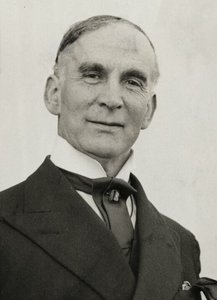
Frank O. Salisbury
1874 - 1962 , United Kingdom
Quick Facts
- Artistic Movement Or Style: Conservative Realism
- Artists Who Influenced This Artist: ['Renaissance artists']
- Date Of Birth: December 18, 1874
- Date Of Death: August 31, 1962
- Full Name: Frank Owen Salisbury
- Nationality: English
- Notable Artworks:
- The Boy Cornwell
- Winston Churchill portraits
- Queen Elizabeth II portrait
- Royal Exchange mural
- Place Of Birth: Harpenden, United Kingdom
Related Articles

Oil on Canvas: A Historical & Technical Exploration of a Timeless Artistic Medium
Explore the rich history & enduring techniques of oil painting on canvas. Discover the science behind its longevity, conservation practices, and contemporary relevance. Expert insights for art enthusiasts.

The Enduring Legacy of Oil on Canvas: Technique, History & Aesthetic Impact
Explore the rich history & techniques of oil painting – from Renaissance masters to Impressionism. Discover pigments, layering methods, and why this timeless medium endures. Expert insights for artists & art enthusiasts.

The Enduring Legacy of Oil on Canvas: Technique, History & Contemporary Practice
Explore the rich history & enduring techniques of oil painting on canvas. Discover the science behind its longevity, conservation practices, and contemporary relevance. Expert insights for art enthusiasts.
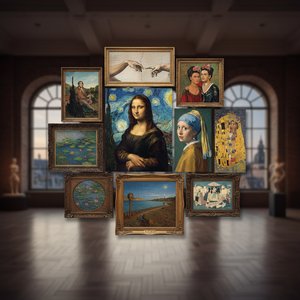
Oil on Canvas Masters: 10 Paintings That Redefined Art History |
Journey through art history with our guide to 10 legendary oil on canvas masterpieces! Explore iconic works by Van Gogh, Monet & Rembrandt. Find museum-quality reproductions and elevate your home decor at . Discover all masterpieces online.

The Enduring Power of Painting: A Historical & Contemporary Exploration of Form and Emotion
Explore the rich history & enduring techniques of oil painting with ArtsDot. Discover masterpieces, learn about art collecting, and find authentic handmade reproductions crafted by skilled artists.