 Preview
 Send
Send Share
Share
 Details

 Download
 Similars
 X-Ray
X-Ray Diaporama
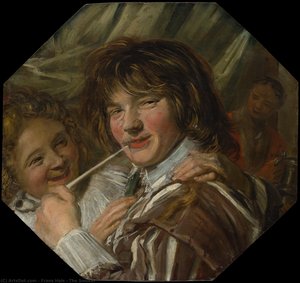
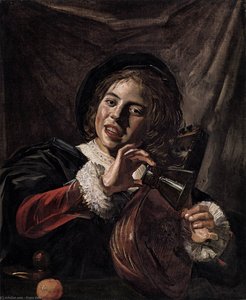
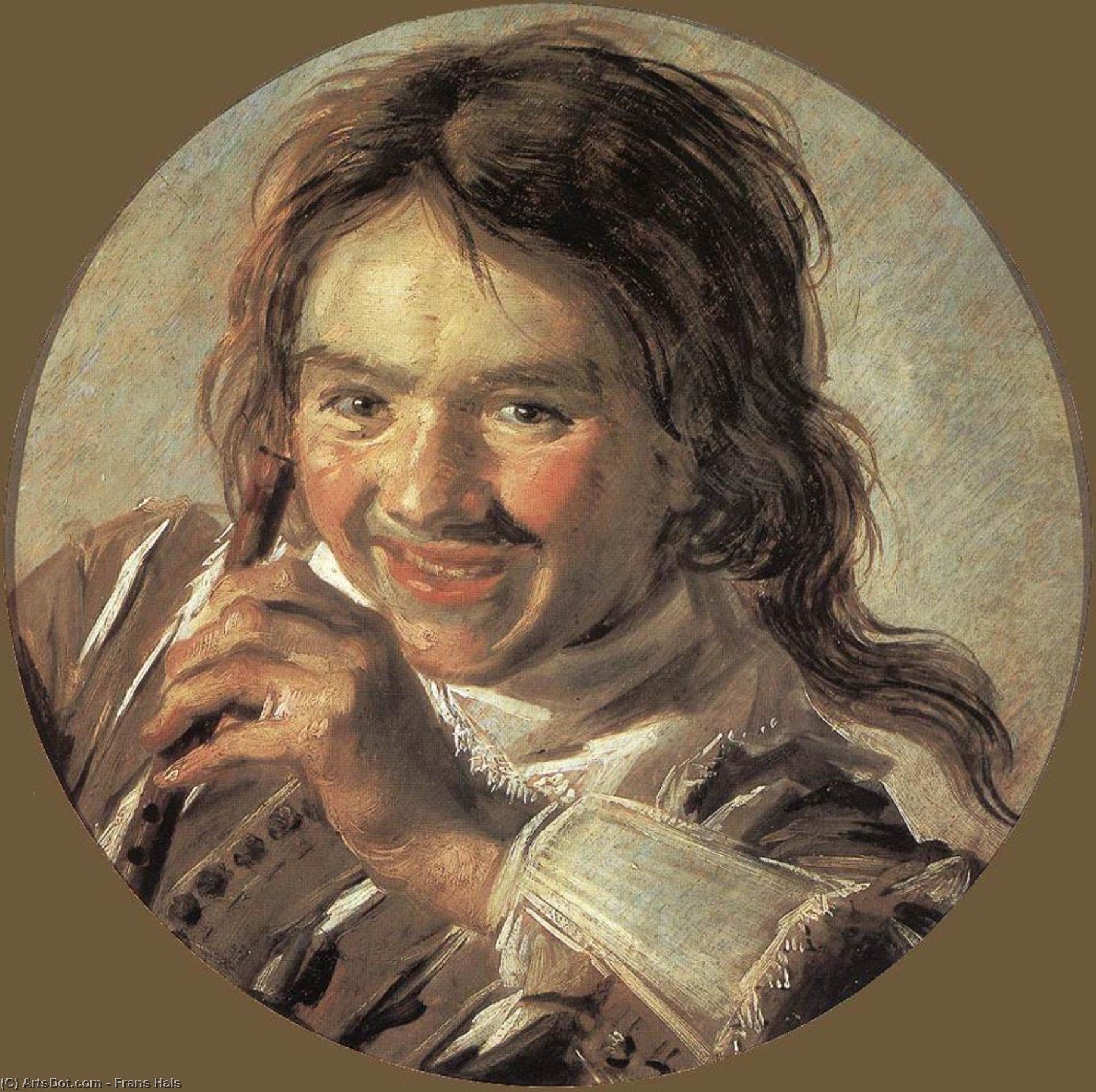
Boy holding a Flute (Hearing)
 Acrylic On Canvas
- WallArt
- Dutch Golden Age
 1626
1626 37.0 x 37.0 cm
 Staatliches Museum
 Read More
Hand Made Oil Reproduction
Hand-painted oil on canvas in your size and frame, made to order by our artists. ( Buy Print Buy Image)




P118B $10

P118H $10

P118W $10

P438Z $10

P508JH $12

P508YH $12

P805H $10

P805Z $10

P919BZ $10

P919G $10

P919XJ $10

P959ZH $10

P968JZ $12

W106C $8

W218G $10

W218JH $8

W218Y $10

W307PJ $10

W316G $10

W316PJ $8

W316Y $10

W398PJ $8

W4111J $10

W500HY $15

W500JH $15

W692G $12

W849H $8

W940BG $15

W953PJ $8




Pick from our preset sizes that match the artwork's original proportions.

You may enter your own dimensions to fit a specific frame or space. If your selected size does not match the original image's proportions, we will either crop the artwork or extend the painting with additional hand-painted elements. A digital mockup will be sent for your approval before production begins.
Please note that the on-screen preview does not reflect the actual cropping or extension. Only the mockup will accurately show the final composition.
While custom sizes are available, we recommend selecting a dimension from the predefined list to preserve the original proportions.
After order, ArtsDot.com team will email client for instructions and provide a mockup preview
Worldwide Delivery () in 3/4 weeks instead of standard 5 weeks. (17 August). No compromise on quality.

Free Worldwide Express Shipping

High-Quality Linen Canvas

Full Shipping Insurance

Customs Tax Refund Guarantee

True Color Matching Guarantee

60-Day Return Policy (Defects Only)

100% Money-Back Guarantee

Bulk Discount Offer
 Glass option is only available in size under 110 CM

Boy holding a Flute (Hearing)
Reproduction Medium
Reproduction Size
-


Total Price
$ 263
Artwork Description
A Moment of Joyful Resonance: Frans Hals’ “Boy Holding a Flute (Hearing)”
Frans Hals' "Boy Holding a Flute (Hearing)," painted in 1626, is more than just a portrait; it’s a vibrant snapshot of youthful exuberance and the subtle pleasures of sensory experience. This captivating work, now residing in the Staatliches Museum Schwerin, offers a glimpse into the heart of the Dutch Golden Age, revealing Hals' masterful ability to capture not only physical likeness but also fleeting emotion and the very essence of human interaction.
The subject himself is a young boy, radiating an almost mischievous delight. His posture—leaning slightly forward, head tilted at a charming angle—immediately draws the viewer in. He holds a flute delicately between his fingers, poised as if ready to unleash a cascade of notes. Yet, it’s not merely the instrument that commands attention; it's the boy’s expression – a subtle, knowing smile playing on his lips – that truly captivates. Hals has rendered this fleeting moment with remarkable immediacy, as if we are witnessing a private joy unfold.
A Masterclass in Loose Brushwork and Light
Hals was renowned for his distinctive style, characterized by loose, expressive brushstrokes that eschewed the meticulous detail favored by many of his contemporaries. In “Boy Holding a Flute,” this technique is particularly evident. The paint seems to dance across the panel, creating a sense of movement and vitality. Hals employed a broken color approach, layering thin washes of pigment to build up form and create luminous effects. Notice how the light catches on the boy’s face and clothing, suggesting an inner radiance that mirrors his outward joy.
The background is deliberately understated – a simple grey wash – allowing the figure to dominate the composition. This strategic use of negative space further emphasizes the boy's presence and directs our attention to his captivating expression. Hals’ skill lies not in precise representation, but in conveying atmosphere and emotion through color and brushstroke.
Symbolism and the Five Senses
“Boy Holding a Flute (Hearing)” is part of a series exploring the five senses, alongside Hals' "Drinking Boy." The flute itself represents auditory perception – the joy of music and sound. The boy’s tilted head suggests an active engagement with this sensory experience, as if he’s listening intently to an unheard melody. This piece speaks to the importance of pleasure and enjoyment in daily life, a theme prevalent in Dutch Golden Age art.
Considering the pendant portrait "Boy with a Glass and a Pewter Jug," it's clear Hals intended this series to be more than just individual portraits; they were explorations into human experience. The pairing reinforces the idea that these seemingly simple moments of everyday life are filled with profound significance, inviting us to contemplate our own sensory perceptions and emotional responses.
A Timeless Portrait of Youthful Delight
“Boy Holding a Flute (Hearing)” is a testament to Frans Hals’ genius – a remarkably intimate portrait that transcends the conventions of its time. It's a painting brimming with life, joy, and a subtle understanding of human nature. Whether you are an art enthusiast, collector, or simply seeking a piece of beauty to enrich your home, this work offers a captivating glimpse into the heart of the Dutch Golden Age and a timeless celebration of youthful delight.
For those interested in exploring further, resources such as the Frans Hals Museum in Haarlem (https://frans-hals.org/Boy-Holding-A-Flute-Hearing.html) offer invaluable insights into Hals’ life and work, while Wikipedia provides a comprehensive overview of the painting's history and provenance (https://en.wikipedia.org/wiki/Laughing_Boy_with_a_Flute).
Related Artworks

Artist Biography
Frans Hals I: A Life in Paint
Frans Hals I was a Dutch painter born in Antwerp, Belgium, around 1580. Though his early life remains somewhat shrouded in mystery, he rose to become one of the most important figures of the Dutch Golden Age, celebrated for his innovative portraiture and genre scenes.
Early Life and Training
Details surrounding Hals’s formative years are scarce. It is believed he received initial artistic training in Antwerp, a prominent center for painting at the time. However, due to religious and political turmoil, his family relocated to Haarlem in the Netherlands. He became a member of the Haarlem Guild of St. Luke in 1610, marking the formal beginning of his professional career.
Artistic Style and Development
Hals distinguished himself through a remarkably fresh and spontaneous style. Unlike many of his contemporaries who favored meticulous detail, Hals employed a loose and expressive brushstroke. This technique imbued his paintings with a sense of immediacy and vitality, capturing the personality and character of his subjects in a way that was revolutionary for its time.
- His portraits weren’t simply likenesses; they were psychological studies.
- He excelled at depicting fleeting moments – laughter, conversation, or contemplation.
- Hals's use of light and shadow added depth and drama to his compositions.
Notable Works
While Hals produced a wide range of works, he is best known for his portraits. Some of his most celebrated paintings include:
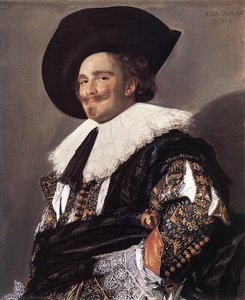
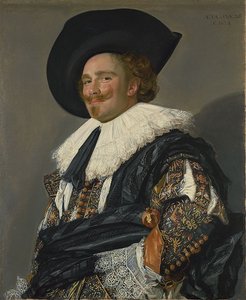
- The Laughing Cavalier (1624) – A quintessential example of his ability to capture character and movement.
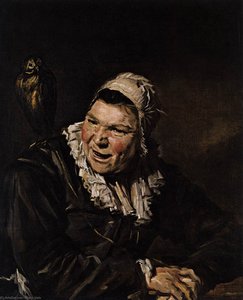
- Malle Babbe (c. 1633-1635) – A striking portrayal of an elderly woman, showcasing Hals’s skill in depicting age and personality.
- Portraits of the Regents of the Old Men's Home in Haarlem (1664) - Demonstrating his mastery of group portraiture.
He also created compelling genre scenes – depictions of everyday life – that offered glimpses into Dutch society.
Influences and Legacy
Determining Hals’s direct influences is challenging, as he developed a highly individual style. However, it's likely he was aware of the work of earlier Flemish painters like Pieter Bruegel the Elder. His innovative approach to portraiture profoundly impacted subsequent generations of artists.
- He influenced artists such as Adriaen Brouwer and Johannes Vermeer.
- His emphasis on capturing personality paved the way for more intimate and psychological portraits.
- Later artists, including the Impressionists, admired his loose brushwork and focus on light.
Historical Significance
Frans Hals I played a crucial role in shaping Dutch painting during the Golden Age. His work reflects the burgeoning prosperity and individualism of the Netherlands at that time. He moved away from rigid formality towards a more naturalistic and expressive style, leaving an enduring legacy on the art world.
Today, his paintings are highly sought after and can be found in major museums worldwide, including the Frans Hals Museum in Haarlem, which houses the largest collection of his work. His contributions continue to inspire artists and captivate audiences centuries later.
frans hals i
1580 - 1585 , Belgium
Quick Facts
- Birth Date: 1580
- Birth Place: Antwerp, Belgium
- Death Date: 1585
- Movement: Dutch Golden Age
- Name: Frans Hals I
- Nationality: Dutch
- Notable Works: Portraits and genre scenes
Related Articles
Frans Hals I: Innovation, Intimacy & the Dutch Golden Age Portrait
Explore the revolutionary portraiture of Frans Hals I, a master of the Dutch Golden Age. Discover his innovative techniques, captivating character studies & lasting impact on art history. Learn more at ArtsDot.

Dutch Baroque Masters: 10 Paintings That Shaped an Era | ArtsDot
Journey through the Golden Age with our guide to the Top 10 Dutch Baroque masterpieces! Explore iconic paintings by Rembrandt, Vermeer & Frans Hals. Find museum-quality art reproductions and elevate your home decor at ArtsDot.com.
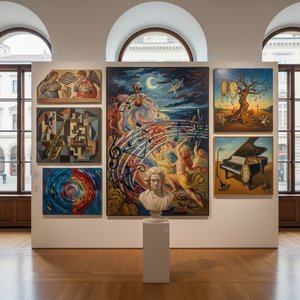
Harmonies on Canvas: Exploring the Visual Representation of Music in Art History
Explore the fascinating history of music's visual representation in art! From ancient symbolism to modern abstraction, discover how artists have captured sound and emotion on canvas. Expert insights & stunning examples.

Dutch Masters: 10 Golden Age Paintings That Still Inspire |
Journey into the Dutch Golden Age! Explore 10 iconic paintings by Rembrandt, Vermeer & Hals. Discover the stories behind these Baroque masterpieces and find museum-quality art reproductions to elevate your home decor on .

Illuminating Innovation: Exploring the Dutch Golden Age of Painting
Explore the Dutch Golden Age of painting with ArtsDot. Discover Rembrandt, Vermeer & other Masters. Learn about key characteristics, iconic artworks, and lasting influence. Expert insights for collectors & enthusiasts.