

 Preview
 Send
Send Share
Share
 Details

 Download
 Similars
 X-Ray
X-Ray Diaporama
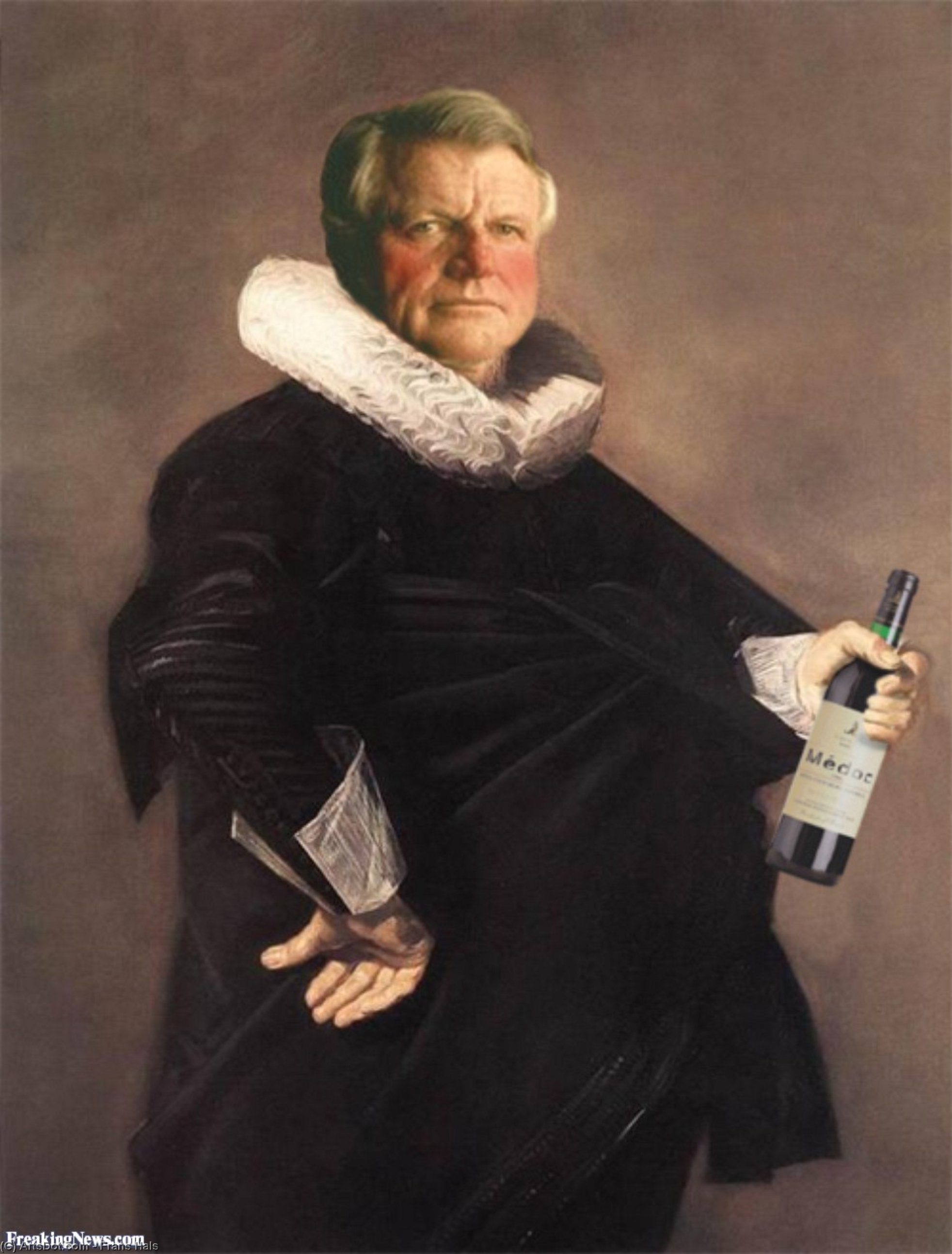
Portrait of a Man
 Oil On Canvas
- WallArt
- Baroque
 1630
1630- Early Modern
 116.0 x 90.0 cm
 Royal Collection
 Read More
Purchase a high-resolution, enhanced digital image, far superior to the online preview.
Each file is meticulously prepared by our in-house specialists using advanced tools and expert manual retouching. We ensure every image has exceptional clarity, precise color accuracy, and fine detail.
The final file is delivered via email within 72 hours, optimized for immediate use in professional, editorial, and print environments. This is the same quality trusted by top-tier design studios, publishers, and galleries.
Digital Image
Download a high-resolution file for personal display, printing, and creative projects. ( Buy Print Buy Hand Made Painting)
Included in Every Digital Image Order
Expert Digital Delivery, Guaranteed
When you choose ArtsDot.com, you're not just getting an image - you're receiving a professionally enhanced digital artwork, crafted with precision and backed by a satisfaction guarantee. Here's everything that comes with your order, automatically:

Fast Email Delivery
Your high-resolution digital image file will be emailed to you within 72 hours of ordering - ready for immediate use.

AI-Enhanced Digital File
Your artwork is professionally optimized using advanced AI tools and manual editing, ensuring maximum detail, clarity, and color accuracy.

Free Lifetime Re-Delivery
Accidentally deleted or lost your file? No worries - we'll resend it to you anytime, free of charge.

No Import Fees - Ever
Enjoy your artwork instantly with zero customs, duties, or delivery fees - digital downloads are always tax-free.

Color Accuracy Guarantee
We ensure your digital image reflects the original colors as closely as possible using professional tools and color management.

60-Day Satisfaction Guarantee
If you're not satisfied with your digital image, we'll revise it or refund 100% within 60 days - no questions asked.

100% Money-Back Guarantee
Not satisfied? Get a full refund within 60 days of receiving your digital file - no questions asked.

Bulk Order Discounts
Buy 3 images, save 10% - Buy 5, save 15% - Buy 10+, save 20%. Great for creative projects, galleries, and agencies.
Collectible Description
A Portrait of Dignified Presence: Frans Hals’ Masterpiece
Frans Hals I's “Portrait of a Man,” painted circa 1630, stands as an emblem of the Dutch Golden Age—a testament to artistic innovation and a profound exploration of human character. This monumental canvas (116 x 90 cm) transcends mere likeness; it embodies Hals’s revolutionary approach to portraiture, prioritizing immediacy and psychological depth over meticulous realism. The painting depicts a gentleman dressed in opulent black attire, adorned with lace and complemented by a ruffled collar—a figure typical of the era's aristocratic circles yet imbued with an understated elegance that speaks volumes about his inner life.The Virtuoso Brushstroke: Hals’ Distinctive Technique
What immediately distinguishes “Portrait of a Man” is Hals’s unparalleled brushwork. Unlike many artists of his time who painstakingly layered paint to achieve photographic accuracy, Hals employed a technique characterized by loose, expressive strokes—a hallmark of his style that would solidify his reputation as one of the most daring painters of his generation. These visible brushstrokes aren't merely accidental; they are deliberately deployed to convey movement and vitality, capturing not just the physical appearance but also the sitter’s demeanor. The artist skillfully utilized impasto – thick layers of paint – creating a textured surface that enhances the painting’s visual impact and contributes to its palpable sense of presence.Historical Context: Haarlem's Artistic Zenith
The painting emerged during Haarlem’s ascendancy as a cultural powerhouse—a period marked by unprecedented prosperity and artistic fervor. Hals was active within the St Luke Guild, which fostered collaboration and encouraged experimentation among artists. This environment fueled Hals’s stylistic breakthroughs and ensured that his work reflected the intellectual curiosity and humanist ideals prevalent in Dutch society at the time. The subject matter itself – a portrait of an individual—was common during this era, but Hals elevated it to new heights by prioritizing emotional resonance over formal convention.Symbolism Beyond Appearance: Hints of Inner Reflection
Beyond its striking visual qualities, “Portrait of a Man” possesses subtle symbolic layers that invite contemplation. The gentleman’s gaze directs outwards, suggesting confidence and self-assurance—traits valued in aristocratic society. However, the inclusion of a book held delicately in his hand speaks to intellectual pursuits and perhaps hints at a contemplative spirit. Similarly, the tie symbolizes status and adherence to social norms, reinforcing the portrait's depiction of an individual striving for distinction within his milieu. Hals’s masterful use of light and shadow further enhances these symbolic elements, creating a dynamic interplay between form and atmosphere that elevates the painting beyond a simple representation of a person.Emotional Resonance: Capturing the Soul
Ultimately, “Portrait of a Man” succeeds in conveying an extraordinary emotional depth—a rare achievement for portraiture during its time. Hals captures not just what the sitter looks like but also how he feels, imbuing the painting with a sense of dignity and quiet contemplation. The artist’s ability to convey psychological nuance is remarkable, demonstrating his profound understanding of human nature. This enduring appeal testifies to Hals's genius in transforming a conventional genre into an unforgettable exploration of the human spirit—a legacy that continues to inspire artists and collectors alike.Related Artworks
Artist Biography
Frans Hals I: A Life in Paint
Frans Hals I was a Dutch painter born in Antwerp, Belgium, around 1580. Though his early life remains somewhat shrouded in mystery, he rose to become one of the most important figures of the Dutch Golden Age, celebrated for his innovative portraiture and genre scenes.
Early Life and Training
Details surrounding Hals’s formative years are scarce. It is believed he received initial artistic training in Antwerp, a prominent center for painting at the time. However, due to religious and political turmoil, his family relocated to Haarlem in the Netherlands. He became a member of the Haarlem Guild of St. Luke in 1610, marking the formal beginning of his professional career.
Artistic Style and Development
Hals distinguished himself through a remarkably fresh and spontaneous style. Unlike many of his contemporaries who favored meticulous detail, Hals employed a loose and expressive brushstroke. This technique imbued his paintings with a sense of immediacy and vitality, capturing the personality and character of his subjects in a way that was revolutionary for its time.
- His portraits weren’t simply likenesses; they were psychological studies.
- He excelled at depicting fleeting moments – laughter, conversation, or contemplation.
- Hals's use of light and shadow added depth and drama to his compositions.
Notable Works
While Hals produced a wide range of works, he is best known for his portraits. Some of his most celebrated paintings include:
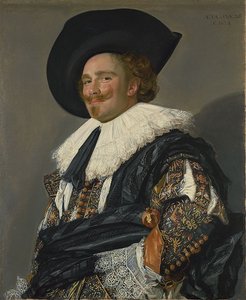
- The Laughing Cavalier (1624) – A quintessential example of his ability to capture character and movement.
- Malle Babbe (c. 1633-1635) – A striking portrayal of an elderly woman, showcasing Hals’s skill in depicting age and personality.
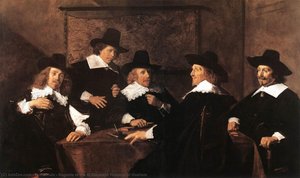
- Portraits of the Regents of the Old Men's Home in Haarlem (1664) - Demonstrating his mastery of group portraiture.
He also created compelling genre scenes – depictions of everyday life – that offered glimpses into Dutch society.
Influences and Legacy
Determining Hals’s direct influences is challenging, as he developed a highly individual style. However, it's likely he was aware of the work of earlier Flemish painters like Pieter Bruegel the Elder. His innovative approach to portraiture profoundly impacted subsequent generations of artists.
- He influenced artists such as Adriaen Brouwer and Johannes Vermeer.
- His emphasis on capturing personality paved the way for more intimate and psychological portraits.
- Later artists, including the Impressionists, admired his loose brushwork and focus on light.
Historical Significance
Frans Hals I played a crucial role in shaping Dutch painting during the Golden Age. His work reflects the burgeoning prosperity and individualism of the Netherlands at that time. He moved away from rigid formality towards a more naturalistic and expressive style, leaving an enduring legacy on the art world.
Today, his paintings are highly sought after and can be found in major museums worldwide, including the Frans Hals Museum in Haarlem, which houses the largest collection of his work. His contributions continue to inspire artists and captivate audiences centuries later.
frans hals i
1580 - 1585 , Belgium
Quick Facts
- Birth Date: 1580
- Birth Place: Antwerp, Belgium
- Death Date: 1585
- Movement: Dutch Golden Age
- Name: Frans Hals I
- Nationality: Dutch
- Notable Works: Portraits and genre scenes

