 Preview
 Send
Send Share
Share
 Details

 Download
 Similars
 X-Ray
X-Ray Diaporama
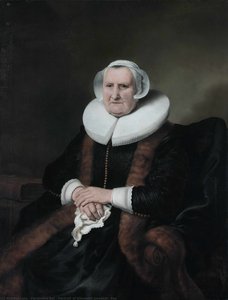
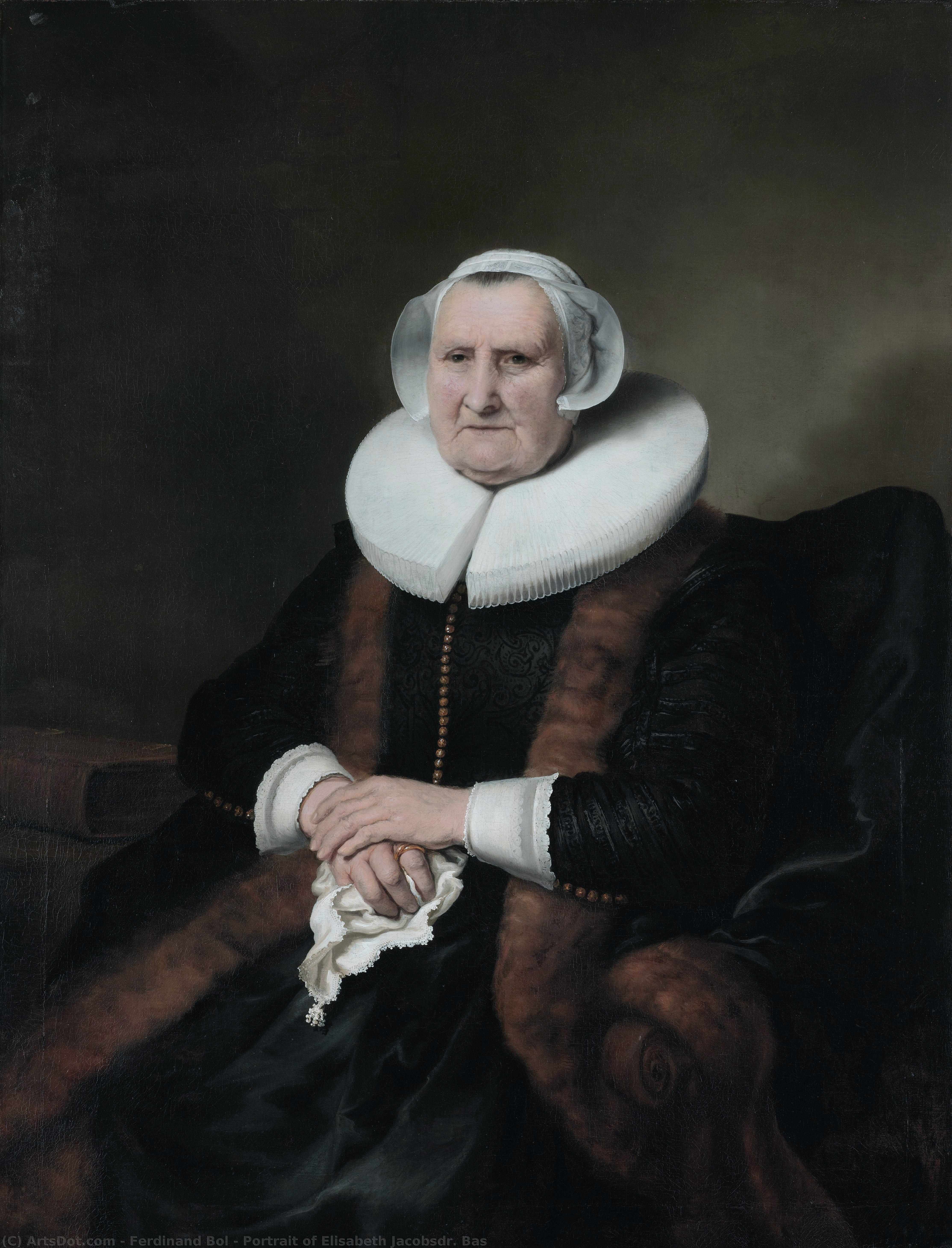
Portrait of Elisabeth Jacobsdr. Bas


 Read More
Hand Made Oil Reproduction
Hand-painted oil on canvas in your size and frame, made to order by our artists. ( Buy Print Buy Image)




































Pick from our preset sizes that match the artwork's original proportions.

You may enter your own dimensions to fit a specific frame or space. If your selected size does not match the original image's proportions, we will either crop the artwork or extend the painting with additional hand-painted elements. A digital mockup will be sent for your approval before production begins.
Please note that the on-screen preview does not reflect the actual cropping or extension. Only the mockup will accurately show the final composition.
While custom sizes are available, we recommend selecting a dimension from the predefined list to preserve the original proportions.
After order, ArtsDot.com team will email client for instructions and provide a mockup preview
Worldwide Delivery () in 3/4 weeks instead of standard 5 weeks. (17 August). No compromise on quality.

Free Worldwide Express Shipping

High-Quality Linen Canvas

Full Shipping Insurance

Customs Tax Refund Guarantee

True Color Matching Guarantee

60-Day Return Policy (Defects Only)

100% Money-Back Guarantee

Bulk Discount Offer
 Glass option is only available in size under 110 CM

Portrait of Elisabeth Jacobsdr. Bas
Reproduction Medium
Reproduction Size
-


Total Price
$ 263
Artwork Description
A Glimpse into the Dutch Golden Age
In the quiet, commanding presence of Ferdinand Bol’s Portrait of Elisabeth Jacobsdr. Bas, we find ourselves transported to the heart of the seventeenth-century Netherlands. This masterpiece is far more than a mere likeness; it is a profound window into an era defined by prosperity, social hierarchy, and a burgeoning sense of individual identity. As one of the most accomplished pupils of Rembrandt van Rijn, Bol brings a sophisticated mastery of light and shadow to this composition, capturing not just the physical features of the sitter, but the very essence of her station in life. The painting serves as a breathtaking testament to the Dutch Golden Age, where every fold of fabric and every subtle glint of light whispered stories of wealth, piety, and enduring legacy.
The subject, Elisabeth Jacobsdr. Bas, sits with a dignified composure that immediately arrests the viewer's attention. The composition is masterfully centered, drawing our eyes to her face, which is framed by the stark, crisp white of a traditional ruff. This circular element acts as a focal point of purity and formality, contrasting beautifully against the darker, more somber tones of her attire. Her hands, clasped gently in front of her while holding a delicate white cloth, suggest a temperament of modesty and restrained grace. The presence of shadowy figures in the periphery adds a layer of narrative depth, hinting at a bustling social or familial environment that exists just beyond the immediate focus of the portrait, yet remains integral to the sitter's world.
The Mastery of Light and Texture
What truly elevates this work for the discerning collector is Bol’s extraordinary command of chiaroscuro. Utilizing a single, dramatic light source from the left, the artist sculpts the subject out of the darkness. This technique creates a powerful sense of three-dimensionality, casting deep, velvety shadows that lend weight to the chair and depth to the background. The interplay between light and shadow does not merely illuminate; it dramatizes, highlighting the weathered yet noble contours of Elisabeth’s face and the intricate textures of her clothing.
For those with an eye for detail, the tactile quality of the painting is nothing short of mesmerizing. Through meticulous brushwork, Bol achieves a remarkable variety of surfaces: the smooth, luminous skin of the subject; the stiff, architectural precision of the lace ruff; and the soft, luxurious weight of the fur-like fabric draped over her shoulders. These textures are rendered with such precision that one can almost feel the warmth of the cloth and the coolness of the air in the room. This level of technical brilliance makes the piece an ideal centerpiece for a sophisticated interior, offering a rich, sensory experience that rewards prolonged contemplation.
An Enduring Legacy for Modern Spaces
Beyond its historical significance, the Portrait of Elisabeth Jacobsdr. Bas possesses an emotional gravity that transcends centuries. There is a certain solemnity in her gaze—a sense of authority and quiet strength—that resonates deeply with the modern viewer. It is a painting that commands respect and invites introspection, making it a profound addition to any curated collection or a striking statement piece in a thoughtfully designed room.
Whether you are an art historian captivated by the lineage of Rembrandt’s followers, a collector seeking the prestige of the Dutch Baroque, or an interior designer looking for a work that provides soulful character to a space, this portrait offers unparalleled inspiration. A high-quality reproduction of this work allows the timeless elegance and dramatic flair of Bol’s genius to inhabit contemporary homes, bringing with it the prestige, history, and unmatched beauty of a bygone era.
Related Artworks
Artist Biography
A Forgotten Master of the Dutch Golden Age
Ferdinand Bol, a name perhaps less familiar than those of his illustrious contemporaries Rembrandt van Rijn and Johannes Vermeer, nevertheless occupies a significant, if often overlooked, position within the pantheon of 17th-century Dutch Masters. Born in Dordrecht in 1616, Bol’s artistic journey was deeply intertwined with that of Rembrandt, serving as a pupil in the master's Amsterdam studio during a formative period. This apprenticeship profoundly shaped his style, initially leading to works so convincingly reminiscent of Rembrandt that attribution could prove challenging even for seasoned experts. However, to simply categorize Bol as a mere imitator would be a disservice to his own unique artistic voice and considerable talent. His early life laid the groundwork for a career marked by both technical brilliance and an evolving stylistic independence. While details regarding his initial training remain somewhat scarce – possibilities include tutelage under Jacob Cuyp in Dordrecht or Abraham Bloemaert in Utrecht – it was undoubtedly his time with Rembrandt that proved pivotal, immersing him in the dramatic lighting, psychological depth, and masterful brushwork characteristic of the Baroque period.From Rembrandt’s Shadow to Independent Vision
Bol's artistic development can be traced through a fascinating trajectory—one beginning with faithful emulation and gradually blossoming into a distinctive personal style. In his early works, the influence of Rembrandt is undeniable; compositions often echo those of his teacher, employing similar chiaroscuro effects and a penchant for portraying figures in moments of intense emotional or psychological drama. However, as Bol matured, he began to refine his technique, moving towards a greater emphasis on clarity, elegance, and refined detail. His palette lightened, and his figures acquired a more polished, aristocratic bearing. This shift is particularly evident in his portraits, which became increasingly sought after by Amsterdam’s wealthy elite. He quickly rose through the ranks of Amsterdam's artistic community, becoming a burgher in 1652 and marrying into a family with connections to both the Admiralty and the wine merchants’ guild – affiliations that undoubtedly contributed to securing prestigious commissions. Notably, he received orders for chimney pieces for the new Amsterdam Town Hall, designed by Jacob van Campen, a testament to his growing reputation and artistic standing. He even took on pupils of his own, most notably Godfrey Kneller, who would later achieve fame as an English portrait painter.Historical Narratives and Portraiture: A Diverse Oeuvre
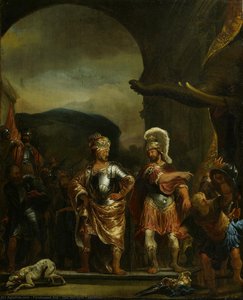
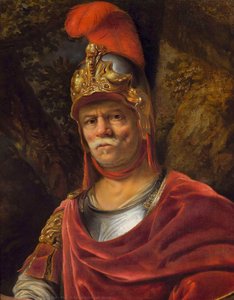
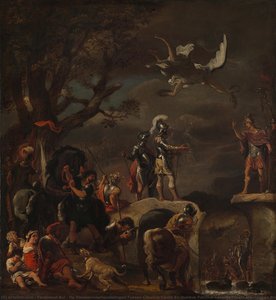
Bol’s oeuvre is remarkably diverse, encompassing historical subjects, portraits, *tronies* (character studies), and even some landscape elements. He demonstrated a particular aptitude for large-scale historical paintings, imbuing them with a sense of grandeur and dramatic tension. The Peace Negotiations between Claudius Civilis and Quintus Petillius Cerealis on the Demolished Bridge, now housed in a museum collection, stands as a prime example of his skill in depicting complex narratives with compelling visual impact. The painting showcases not only his mastery of composition and perspective but also his ability to convey the weight of historical events through expressive gestures and carefully rendered details. However, it was perhaps in the realm of portraiture that Bol truly excelled. He possessed an uncanny ability to capture the likenesses of his sitters while simultaneously revealing their inner character and social status. His portraits are characterized by a refined elegance and psychological insight, offering glimpses into the lives and personalities of Amsterdam’s prominent citizens. Works like Man in Golden Helmet (Mars), now residing in Warsaw's National Museum, exemplify this talent, presenting a figure imbued with both authority and vulnerability.Legacy and Rediscovery
Despite his success during his lifetime, Ferdinand Bol’s reputation waned considerably after his death in 1680. His works were often misattributed to Rembrandt, obscuring his individual contributions to Dutch Golden Age painting. It wasn't until the 20th century that concerted efforts began to re-evaluate his oeuvre and establish him as a significant artist in his own right. Today, scholars and collectors are increasingly recognizing the unique qualities of Bol’s work—his masterful technique, his evolving stylistic independence, and his ability to capture both the outward appearance and inner lives of his subjects. While his output remains relatively small compared to some of his contemporaries, the surviving paintings offer a captivating window into the artistic and cultural landscape of 17th-century Amsterdam. His legacy continues to inspire admiration and intrigue, ensuring that this once-forgotten master will continue to be rediscovered and appreciated by generations to come. The Museum Van Loon in Amsterdam and the Rembrandt House Museum both provide opportunities to encounter his work within the context of the era that shaped him.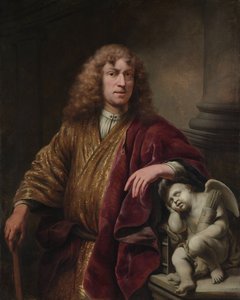
Ferdinand Bol
1616 - 1680 , Netherlands
Quick Facts
- Artistic Movement Or Style: Baroque painting
- Artists Or Movements Influenced By This Artist: ['Cornelis Bisschop']
- Artists Who Influenced This Artist: ['Rembrandt']
- Date Of Birth: June 24, 1616
- Date Of Death: August 24, 1680
- Full Name: Ferdinand Bol
- Nationality: Dutch
- Notable Artworks:
- Peace Negotiations...
- Pyrrhus shows...
- Man in golden helmet
- Governors of the...
- Place Of Birth: Dordrecht, Netherlands
Related Articles

Dutch Masters: 10 Golden Age Paintings That Still Inspire |
Journey into the Dutch Golden Age! Explore 10 iconic paintings by Rembrandt, Vermeer & Hals. Discover the stories behind these Baroque masterpieces and find museum-quality art reproductions to elevate your home decor on .
Ferdinand Bol (1616-1680): A Dutch Master of Portraiture & Dramatic Light
Explore the captivating world of Ferdinand Bol (1616-1680), a master Dutch portraitist deeply influenced by Rembrandt. Discover his life, style, and enduring legacy with ArtsDot.

Illuminating Innovation: Exploring the Dutch Golden Age of Painting
Explore the Dutch Golden Age of painting with ArtsDot. Discover Rembrandt, Vermeer & other Masters. Learn about key characteristics, iconic artworks, and lasting influence. Expert insights for collectors & enthusiasts.

Illuminating Realism: Exploring the Dutch Golden Age of Painting (1600-1700)
Explore the Dutch Golden Age of painting (1600-1700) with ArtsDot. Discover Rembrandt, Vermeer & other masters. Learn about techniques, history & find museum-quality reproductions.

Golden Age Reflections: Dutch Baroque Painting & Cultural Innovation
Explore the Dutch Golden Age of painting! Discover key artists like Vermeer & ter Borch, their innovative techniques, and the rich cultural context behind these Baroque masterpieces. Learn about collecting & appreciating this iconic art period.