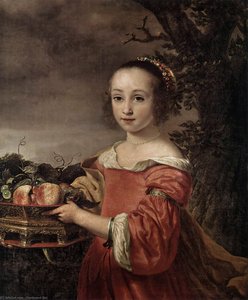
Early Life & Apprenticeship: Forging a Foundation in Dordrecht and Amsterdam
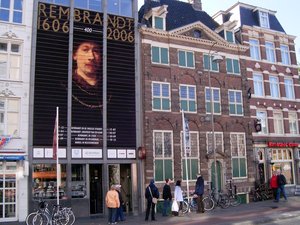 Rembrandt House Museum
Rembrandt House Museum
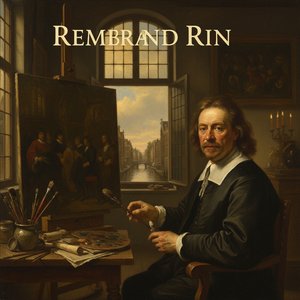
Ferdinand Bol, born in 1616 in the bustling Dutch city of Dordrecht, emerged during a period of unprecedented artistic flourishing known as the Dutch Golden Age. While his father, Balthasar Bol, practiced the respectable trade of surgeon, it was young Ferdinand’s inclination towards visual artistry that would define his legacy. His initial training remains somewhat shrouded in historical ambiguity; documentation suggests apprenticeships under both Jacob Cuyp, a prominent Dordrecht painter, and potentially Abraham Bloemaert in Utrecht – though the latter is less certain. However, the pivotal moment in Bol's artistic development arrived around 1630 with his move to Amsterdam and entry into Rembrandt van Rijn’s studio. This wasn’t merely a professional arrangement; it was an immersive apprenticeship, with Bol residing within Rembrandt’s household on Sint Antoniesbreestraat, a fashionable district teeming with artists, merchants, and the vibrant energy of a burgeoning metropolis.
This period proved transformative. Amsterdam, unlike Dordrecht, offered a wider network of patrons and a more sophisticated art market. Rembrandt's influence wasn’t simply technical; it was philosophical. Bol absorbed not only the master’s masterful use of light and shadow – *chiaroscuro* – but also his profound interest in psychological realism and narrative depth. The early years under Rembrandt were crucial, laying the groundwork for Bol’s distinctive style that would soon captivate Amsterdam's elite.
The Rembrandt Influence: Style, Technique, and Artistic Development
 Wikipedia: Ferdinand Bol
Ferdinand Bol (24 June 1616 - 24 August 1680) was a Dutch painter, etcher and draftsman. Although his surviving work is rare, it displays Rembrandt's influence; like his master, Bol favored historical subjects, portraits, numerous self-portraits, and...
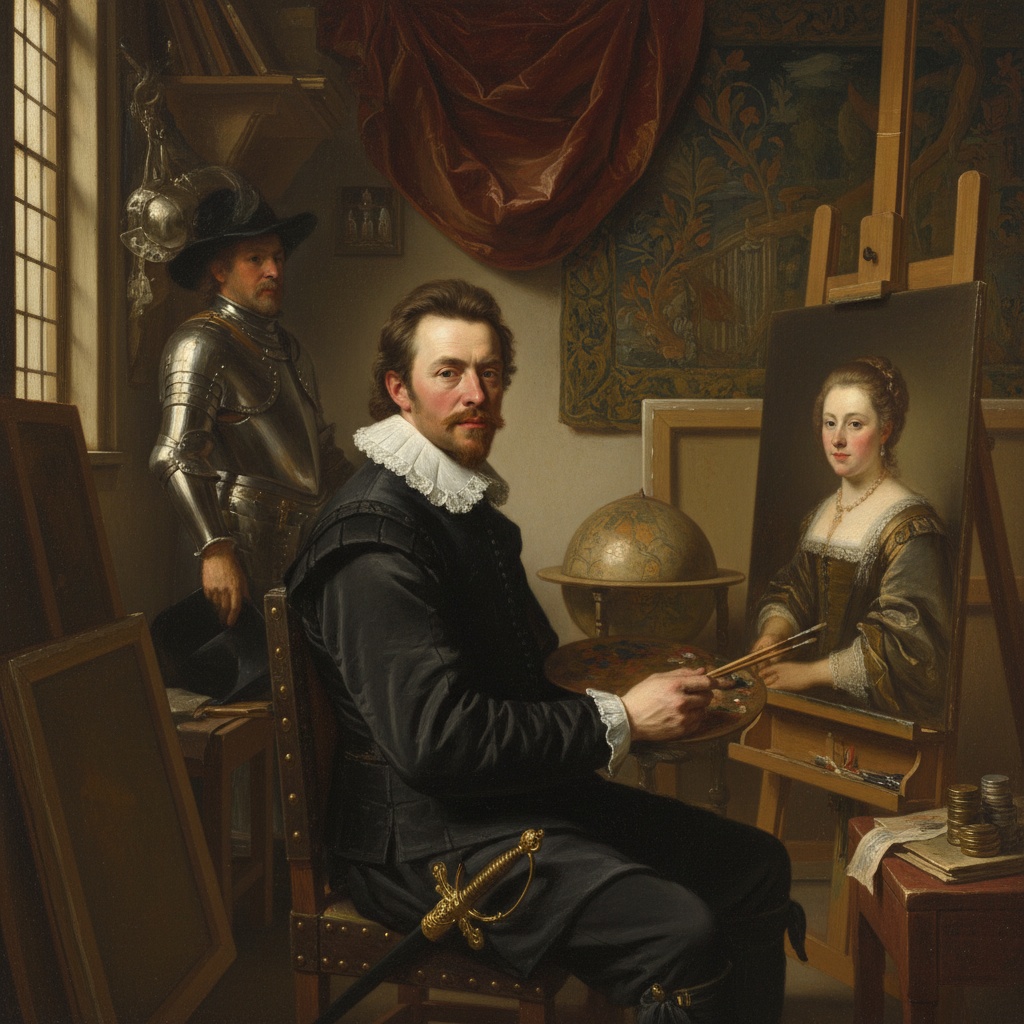
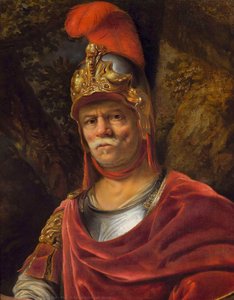
To speak of Ferdinand Bol is to inevitably discuss his relationship with Rembrandt. While often described as a follower, it’s more accurate to view Bol as an artist who synthesized Rembrandt’s lessons with his own burgeoning sensibilities. Initially, the imitation was striking; early works are remarkably close in style and technique to those produced by Rembrandt himself, leading to occasional misattributions even today. However, Bol wasn't content with mere replication. He gradually developed a more refined and elegant approach, tempering Rembrandt’s often raw emotional intensity with a greater emphasis on polished surfaces and sophisticated composition.
Bol adopted Rembrandt’s dramatic use of light to sculpt form and direct the viewer’s gaze, but his palette tended towards warmer tones and a less somber overall effect. He excelled in capturing textures – the sheen of silk, the glint of metal, the subtle nuances of skin – with meticulous detail. Govert Flinck, another Rembrandt pupil, similarly demonstrates this Rembrandtesque influence in works like “Portrait of a Man, probably Augustijn Wtenbogaert” (c. 1643), showcasing the shared emphasis on realism and psychological insight. But where Flinck’s work sometimes leans towards formality, Bol infused his portraits with a unique sense of character and presence.
Bol's Portraiture: Capturing Character and Status in the Dutch Golden Age
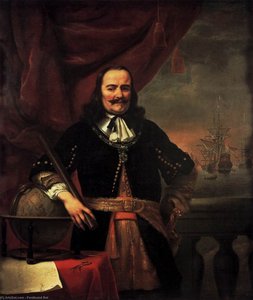
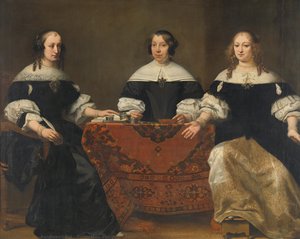
Portraiture became Bol’s primary focus, and he quickly established himself as one of Amsterdam’s most sought-after artists. The Dutch Golden Age witnessed an unprecedented demand for portraits, fueled by a burgeoning merchant class eager to display their wealth and status. Bol catered to this market with skill and sensitivity, producing images that were not merely likenesses but carefully constructed representations of social standing and personal identity.
His subjects are often depicted in richly adorned clothing, signifying their affluence and taste. However, Bol’s portraits transcend simple displays of material possessions. He possessed a remarkable ability to capture the inner life of his sitters – their intelligence, ambition, or quiet dignity. A prime example is “Portrait of a Woman” (c. 1642), where the sitter's gaze and subtle expression convey a sense of self-assurance and composure. Bol’s mastery lay in balancing outward display with inward character, creating portraits that were both visually impressive and psychologically compelling.
Beyond Portraits: Historical Scenes and Bol’s Expanding Oeuvre
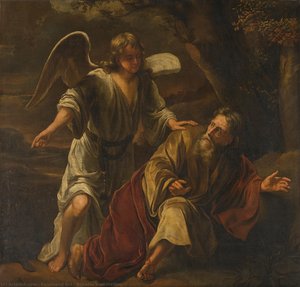
While renowned for his portraiture, Ferdinand Bol was not solely confined to this genre. He also produced a number of historical scenes, demonstrating his versatility and ambition as an artist. These works, though less numerous than his portraits, reveal a keen understanding of narrative composition and dramatic storytelling. He received significant commissions for paintings intended to adorn public buildings, including the Amsterdam Town Hall and the Admiralty, solidifying his position within the city’s artistic establishment.
These larger-scale historical works allowed Bol to showcase his skill in depicting complex compositions with multiple figures and dynamic action. They also reveal a growing confidence in his own artistic voice, moving beyond direct imitation of Rembrandt towards a more independent style. Although surviving examples are relatively rare, they offer valuable insight into the breadth of Bol’s talent and his commitment to exploring diverse subject matter.
Recognition & Legacy: Bol as a Prominent Amsterdam Artist and His Enduring Appeal
By the mid-17th century, Ferdinand Bol had become one of the most successful artists in Amsterdam. He held positions of authority within the guild, received prestigious commissions from prominent institutions, and enjoyed a wide circle of patrons. His marriage to Elisabeth Dell in 1653 further cemented his social standing, connecting him to influential families involved in trade and governance. Bol’s later life saw a shift towards more administrative roles; he retired from active painting around 1669, dedicating himself to civic duties.
Despite this transition, his artistic legacy endured. He trained numerous pupils, including Godfrey Kneller, who would go on to become a celebrated portrait painter in England. While his surviving oeuvre remains relatively small – a testament to the challenges of preserving artworks over centuries – Bol’s paintings continue to captivate viewers with their masterful technique, psychological depth, and elegant compositions. His ability to blend Rembrandt's influence with his own distinctive style ensures his place as a significant figure within the Dutch Golden Age, offering a compelling glimpse into the lives and aspirations of 17th-century Amsterdam.
Explore the captivating world of Ferdinand Bol’s artistry further at ArtsDot.com, where museum-quality reproductions bring his masterpieces to life. Discover the enduring beauty and historical significance of this remarkable Dutch painter, and perhaps even commission a custom portrait inspired by his timeless style.