 Preview
 Send
Send Share
Share
 Details

 Download
 Similars
 X-Ray
X-Ray Diaporama
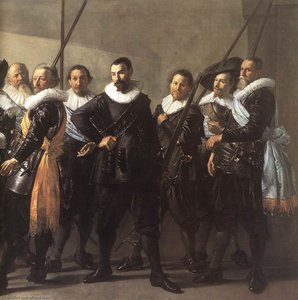
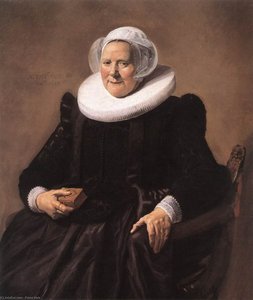
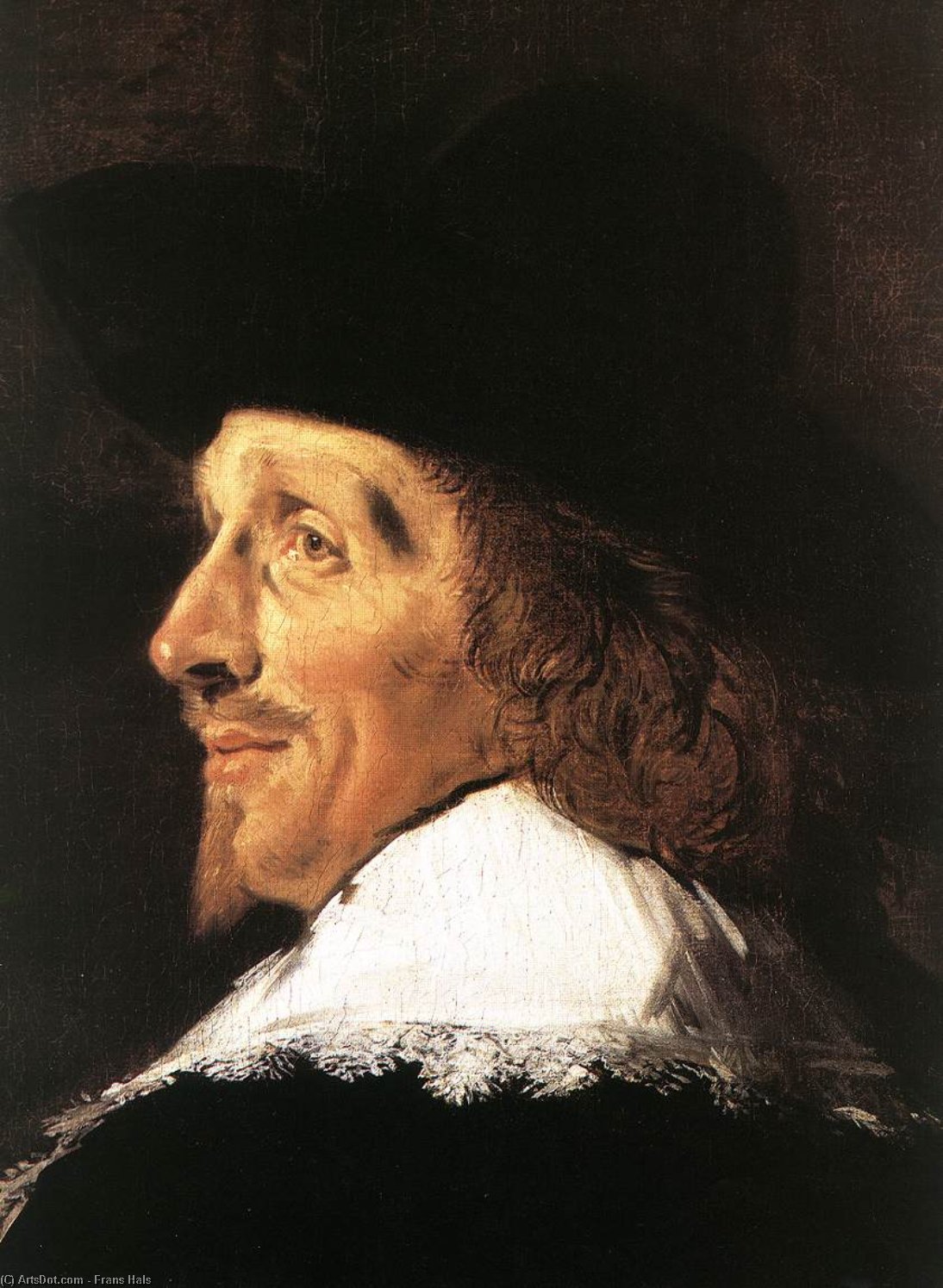
Regents of the St Elizabeth Hospital of Haarlem (detail)


 Read More
Hand Made Oil Reproduction
Hand-painted oil on canvas in your size and frame, made to order by our artists. ( Buy Print Buy Image)




P118B $10

P118H $10

P118W $10

P438Z $10

P508JH $12

P508YH $12

P805H $10

P805Z $10

P919BZ $10

P919G $10

P919XJ $10

P959ZH $10

P968JZ $12

W106C $8

W218G $10

W218JH $8

W218Y $10

W307PJ $10

W316G $10

W316PJ $8

W316Y $10

W398PJ $8

W4111J $10

W500HY $15

W500JH $15

W692G $12

W849H $8

W940BG $15

W953PJ $8




Pick from our preset sizes that match the artwork's original proportions.

You may enter your own dimensions to fit a specific frame or space. If your selected size does not match the original image's proportions, we will either crop the artwork or extend the painting with additional hand-painted elements. A digital mockup will be sent for your approval before production begins.
Please note that the on-screen preview does not reflect the actual cropping or extension. Only the mockup will accurately show the final composition.
While custom sizes are available, we recommend selecting a dimension from the predefined list to preserve the original proportions.
After order, ArtsDot.com team will email client for instructions and provide a mockup preview
Worldwide Delivery () in 3/4 weeks instead of standard 5 weeks. (6 September). No compromise on quality.

Free Worldwide Express Shipping

High-Quality Linen Canvas

Full Shipping Insurance

Customs Tax Refund Guarantee

True Color Matching Guarantee

60-Day Return Policy (Defects Only)

100% Money-Back Guarantee

Bulk Discount Offer
 Glass option is only available in size under 110 CM

Regents of the St Elizabeth Hospital of Haarlem (detail)
Reproduction Medium
Reproduction Size
-


Total Price
$ 263
A Glimpse into Haarlem’s Civic Life: The Regents of the St Elizabeth Hospital
Frans Hals' “Regents of the St Elizabeth Hospital of Haarlem (detail)” isn’t merely a portrait; it’s a meticulously crafted window into 17th-century civic responsibility and the burgeoning spirit of charitable organization in the Dutch Republic. Painted in 1641, this intimate study captures five men – prominent figures within the hospital's governing board – engaged in a solemn meeting within the trustees’ room. The scene unfolds with an understated dignity, reflecting the gravity of their role overseeing the care and welfare of the poor and sick within Haarlem. Hals masterfully utilizes chiaroscuro, employing dramatic contrasts between light and shadow to sculpt the faces and clothing, drawing the viewer's eye directly to the figures and imbuing the composition with a profound sense of depth and realism – hallmarks of the Baroque style.
- The Setting: The room itself is subtly rendered, hinting at a space dedicated to serious business. A map hangs on the wall, suggesting the hospital’s responsibilities extended beyond Haarlem's immediate boundaries.
- Formal Attire: Each Regent wears dark, somber clothing – black coats and caps – signifying their status and the solemnity of their duties. This formality contrasts with the more relaxed postures, conveying a sense of focused deliberation.
- Symbolic Details: The presence of coins on one Regent’s table is a clear indicator of his role as treasurer, reinforcing the financial aspects of their governance.
The Art of Hals: Loose Brushwork and Psychological Depth
Hals' distinctive style—characterized by loose brushstrokes and an emphasis on capturing fleeting moments—is vividly apparent in this work. Unlike many of his contemporaries who favored painstaking detail, Hals prioritized conveying a sense of immediacy and spontaneity. His technique allows the figures to appear almost alive, imbued with their individual personalities and emotions. The artist’s masterful use of light and shadow isn't simply for aesthetic effect; it serves to define form, create volume, and subtly reveal the characters’ inner states. Notice how the strong directional lighting highlights the faces, emphasizing their expressions of seriousness and responsibility.
Hals was a pioneer in capturing psychological depth within portraiture, moving beyond mere likeness to explore the character and temperament of his subjects. This is particularly evident in the subtle nuances of expression visible on each Regent’s face – a hint of contemplation, perhaps even a touch of melancholy – inviting viewers to engage with their inner lives.A Window into 17th-Century Haarlem
“Regents of the St Elizabeth Hospital” offers a valuable glimpse into the social and cultural landscape of Haarlem in the mid-17th century. The hospital itself was a vital institution, reflecting the Dutch Republic’s commitment to social welfare and its burgeoning reputation for philanthropy. Hals' decision to focus on this specific scene—the meeting of the trustees—highlights the importance placed on civic engagement and public service during this period. The painting speaks volumes about the values of Haarlem society – a blend of piety, responsibility, and a genuine concern for the well-being of its citizens.
Historical Context:** The work was created during a time of significant social change in the Netherlands, following the Dutch Revolt against Spanish rule. The establishment of charitable institutions like St Elizabeth’s Hospital reflected a growing sense of civic pride and a desire to create a more just and equitable society.Collecting a Legacy: Reproductions and Beyond
Reproductions of “Regents of the St Elizabeth Hospital” offer an accessible way to appreciate Hals' genius. Whether displayed in a private residence or a corporate space, this painting’s evocative power continues to resonate with viewers today. Consider how its composition—the carefully arranged figures, the dramatic lighting, and the subtle expressions—can contribute to a sophisticated and engaging interior design scheme. A high-quality reproduction captures not only the visual details of the original but also the emotional depth and psychological complexity that make Hals’ work so enduringly captivating.
Related Artworks
Artist Biography
Frans Hals I: A Life in Paint
Frans Hals I was a Dutch painter born in Antwerp, Belgium, around 1580. Though his early life remains somewhat shrouded in mystery, he rose to become one of the most important figures of the Dutch Golden Age, celebrated for his innovative portraiture and genre scenes.
Early Life and Training
Details surrounding Hals’s formative years are scarce. It is believed he received initial artistic training in Antwerp, a prominent center for painting at the time. However, due to religious and political turmoil, his family relocated to Haarlem in the Netherlands. He became a member of the Haarlem Guild of St. Luke in 1610, marking the formal beginning of his professional career.
Artistic Style and Development
Hals distinguished himself through a remarkably fresh and spontaneous style. Unlike many of his contemporaries who favored meticulous detail, Hals employed a loose and expressive brushstroke. This technique imbued his paintings with a sense of immediacy and vitality, capturing the personality and character of his subjects in a way that was revolutionary for its time.
- His portraits weren’t simply likenesses; they were psychological studies.
- He excelled at depicting fleeting moments – laughter, conversation, or contemplation.
- Hals's use of light and shadow added depth and drama to his compositions.
Notable Works
While Hals produced a wide range of works, he is best known for his portraits. Some of his most celebrated paintings include:
- The Laughing Cavalier (1624) – A quintessential example of his ability to capture character and movement.
- Malle Babbe (c. 1633-1635) – A striking portrayal of an elderly woman, showcasing Hals’s skill in depicting age and personality.
- Portraits of the Regents of the Old Men's Home in Haarlem (1664) - Demonstrating his mastery of group portraiture.
He also created compelling genre scenes – depictions of everyday life – that offered glimpses into Dutch society.
Influences and Legacy
Determining Hals’s direct influences is challenging, as he developed a highly individual style. However, it's likely he was aware of the work of earlier Flemish painters like Pieter Bruegel the Elder. His innovative approach to portraiture profoundly impacted subsequent generations of artists.
- He influenced artists such as Adriaen Brouwer and Johannes Vermeer.
- His emphasis on capturing personality paved the way for more intimate and psychological portraits.
- Later artists, including the Impressionists, admired his loose brushwork and focus on light.
Historical Significance
Frans Hals I played a crucial role in shaping Dutch painting during the Golden Age. His work reflects the burgeoning prosperity and individualism of the Netherlands at that time. He moved away from rigid formality towards a more naturalistic and expressive style, leaving an enduring legacy on the art world.
Today, his paintings are highly sought after and can be found in major museums worldwide, including the Frans Hals Museum in Haarlem, which houses the largest collection of his work. His contributions continue to inspire artists and captivate audiences centuries later.
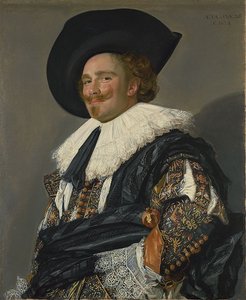
frans hals i
1580 - 1585 , Belgium
Quick Facts
- Birth Date: 1580
- Birth Place: Antwerp, Belgium
- Death Date: 1585
- Movement: Dutch Golden Age
- Name: Frans Hals I
- Nationality: Dutch
- Notable Works: Portraits and genre scenes
Related Articles

Dutch Masters: 10 Golden Age Paintings That Still Inspire |
Journey into the Dutch Golden Age! Explore 10 iconic paintings by Rembrandt, Vermeer & Hals. Discover the stories behind these Baroque masterpieces and find museum-quality art reproductions to elevate your home decor on .
Frans Hals I: Innovation, Intimacy & the Dutch Golden Age Portrait
Explore the revolutionary portraiture of Frans Hals I, a master of the Dutch Golden Age. Discover his innovative techniques, captivating character studies & lasting impact on art history. Learn more at ArtsDot.

Golden Age Reflections: Dutch Baroque Painting & Cultural Innovation
Explore the Dutch Golden Age of painting! Discover key artists like Vermeer & ter Borch, their innovative techniques, and the rich cultural context behind these Baroque masterpieces. Learn about collecting & appreciating this iconic art period.

Dutch Baroque Masters: 10 Paintings That Shaped an Era | ArtsDot
Journey through the Golden Age with our guide to the Top 10 Dutch Baroque masterpieces! Explore iconic paintings by Rembrandt, Vermeer & Frans Hals. Find museum-quality art reproductions and elevate your home decor at ArtsDot.com.

Illuminating Innovation: Exploring the Dutch Golden Age of Painting
Explore the Dutch Golden Age of painting with ArtsDot. Discover Rembrandt, Vermeer & other Masters. Learn about key characteristics, iconic artworks, and lasting influence. Expert insights for collectors & enthusiasts.