

 Preview
 Send
Send Share
Share
 Details

 Download
 Similars
 X-Ray
X-Ray Diaporama
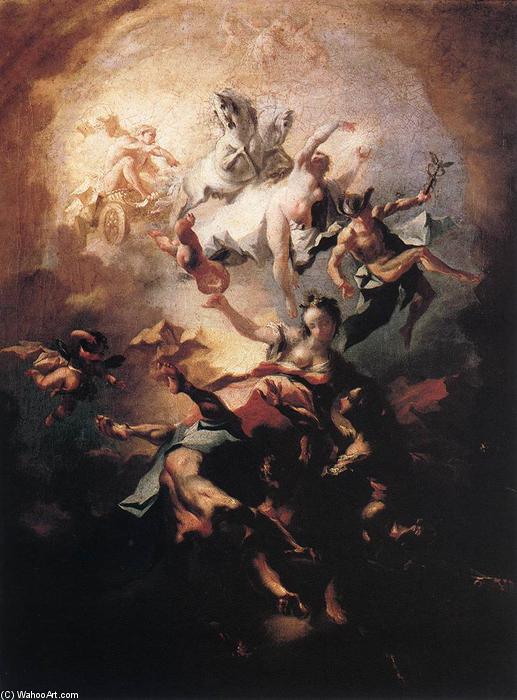
Allegory of the Alba
 Oil On Canvas
- WallArt
- Baroque
 1750
1750 67.0 x 53.0 cm
 Wallraf-Richartz-Museum
 Read More
Purchase a high-resolution, enhanced digital image, far superior to the online preview.
Each file is meticulously prepared by our in-house specialists using advanced tools and expert manual retouching. We ensure every image has exceptional clarity, precise color accuracy, and fine detail.
The final file is delivered via email within 72 hours, optimized for immediate use in professional, editorial, and print environments. This is the same quality trusted by top-tier design studios, publishers, and galleries.
Digital Image
Download a high-resolution file for personal display, printing, and creative projects. ( Buy Print Buy Hand Made Painting)
Included in Every Digital Image Order
Expert Digital Delivery, Guaranteed
When you choose ArtsDot.com, you're not just getting an image - you're receiving a professionally enhanced digital artwork, crafted with precision and backed by a satisfaction guarantee. Here's everything that comes with your order, automatically:

Fast Email Delivery
Your high-resolution digital image file will be emailed to you within 72 hours of ordering - ready for immediate use.

AI-Enhanced Digital File
Your artwork is professionally optimized using advanced AI tools and manual editing, ensuring maximum detail, clarity, and color accuracy.

Free Lifetime Re-Delivery
Accidentally deleted or lost your file? No worries - we'll resend it to you anytime, free of charge.

No Import Fees - Ever
Enjoy your artwork instantly with zero customs, duties, or delivery fees - digital downloads are always tax-free.

Color Accuracy Guarantee
We ensure your digital image reflects the original colors as closely as possible using professional tools and color management.

60-Day Satisfaction Guarantee
If you're not satisfied with your digital image, we'll revise it or refund 100% within 60 days - no questions asked.

100% Money-Back Guarantee
Not satisfied? Get a full refund within 60 days of receiving your digital file - no questions asked.

Bulk Order Discounts
Buy 3 images, save 10% - Buy 5, save 15% - Buy 10+, save 20%. Great for creative projects, galleries, and agencies.
Collectible Description
A Celestial Dance: Unveiling Maulbertsch’s “Allegory of the Alba”
Franz Anton Maulbertsch's "Allegory of the Alba," painted around 1750, is more than just a Baroque canvas; it’s a vibrant portal into a world where divine influence and earthly ecstasy intertwine. This arresting work, now meticulously reproduced, captures a pivotal moment in Rococo artistic expression – a synthesis of the drama of the late Baroque with the lightness and ornamentation characteristic of the emerging style. Maulbertsch, born in the picturesque German town of Langenargen, skillfully navigated this transition, forging a distinctive voice marked by rich color palettes, dynamic compositions, and an almost palpable sense of movement.
The painting immediately commands attention with its dramatic use of light and shadow – a hallmark of chiaroscuro. A deep, velvety black dominates the lower portion of the canvas, grounding the scene in a rocky landscape that feels both ancient and foreboding. This darkness serves to heighten the brilliance of the upper register, where a central female figure is bathed in an ethereal glow. She’s not merely observing; she's actively participating in a swirling vortex of clouds and winged putti – cherubic angels rendered with exquisite detail and playful energy. The composition itself is carefully orchestrated: a vertical thrust upward, emphasized by the cascading drapery and the ascending trajectory of the chariot pulled by rearing horses. This deliberate arrangement draws the viewer’s eye into the heart of the scene, inviting them to become witnesses to this extraordinary event.
Decoding Symbolism: A Tapestry of Meaning
“Allegory of the Alba” is a rich tapestry of symbolic representation, reflecting the prevailing intellectual and artistic currents of the 18th century. The title itself – “Alba” – refers to the dawn, suggesting renewal, rebirth, and the arrival of a new era. The central figure, often interpreted as representing the Virgin Mary or a goddess associated with the morning star, is caught in a moment of ecstatic surrender, seemingly receiving divine grace. Surrounding her are putti, emblems of innocence and joy, actively contributing to the celebration. The chariot, pulled by spirited horses, symbolizes power, speed, and the swift passage of time – elements crucial to understanding the allegory’s message.
Beyond these primary symbols, numerous details contribute to the painting's layered meaning. The swirling clouds are not merely decorative; they represent the volatile nature of divine influence and the unpredictable forces shaping human destiny. The carefully rendered flora and fauna—including lilies, roses, and a stag—each carry specific symbolic weight within the context of 18th-century allegorical art. Maulbertsch masterfully employs these visual cues to create a complex narrative that speaks to themes of faith, beauty, and the cyclical nature of existence.
The Art of Maulbertsch: Technique and Materials
Maulbertsch’s distinctive style is immediately recognizable through his masterful application of oil paint. He employed a technique known as “impasto,” building up thick layers of pigment to create a tactile, three-dimensional surface. This approach not only adds visual richness but also emphasizes the dynamism of the scene – the swirling clouds seem almost tangible, while the figures possess a remarkable sense of volume and presence. The artist’s loose brushwork contributes to the painting's overall feeling of movement and energy, capturing the fleeting nature of divine inspiration.
The color palette is equally striking, dominated by warm hues – golds, reds, browns, and yellows – which evoke a sense of opulence and grandeur. These vibrant tones are juxtaposed with deep blues and blacks in the background, creating a dramatic contrast that further enhances the painting’s visual impact. The use of gold leaf, likely applied to certain elements, would have added an additional layer of luminosity and prestige, reflecting the wealth and power associated with the subject matter.
A Timeless Masterpiece: Reproduction and Beyond
Today, “Allegory of the Alba” continues to captivate viewers with its dramatic intensity and profound symbolism. Reproductions offer a remarkable opportunity to experience this masterpiece in your own space, bringing its vibrant colors and evocative imagery into your home or office. When selecting a reproduction, consider the quality of materials used – a hand-painted replica will capture the nuances of Maulbertsch’s original technique far more effectively than a digital print. Whether you are an art enthusiast, a collector seeking to expand your collection, or simply someone drawn to the beauty and power of Baroque art, “Allegory of the Alba” remains a timeless testament to the enduring legacy of Franz Anton Maulbertsch.
Related Artworks




Artist Biography
A Life Bathed in Light: The Rococo World of Franz Anton Maulbertsch
Born in the idyllic lakeside town of Langenargen, Germany, in 1724, Franz Anton Maulbertsch emerged as a pivotal figure bridging the dramatic grandeur of the late Baroque and the airy elegance of the burgeoning Rococo movement. His artistic journey began with formal training at the Academy of Vienna, a foundational experience that would shape his distinctive style and propel him to prominence throughout Central Europe. From an early age, Maulbertsch demonstrated a keen eye for color and composition, qualities nurtured by his instructors and further refined through diligent study of the masters who preceded him. He wasn’t merely replicating styles; he was absorbing them, dissecting their strengths, and preparing to forge his own unique artistic voice.The Shaping of a Style: Influences and Artistic Development
Maulbertsch's development wasn’t a solitary pursuit. He stood on the shoulders of giants, carefully studying and internalizing the lessons offered by leading artists of his time. His apprenticeship under Paul Troger, a celebrated Austrian Baroque painter, instilled in him a sense of theatricality and dynamic composition – hallmarks of the era. However, Maulbertsch's artistic horizons expanded significantly through exposure to Venetian masters like Giovanni Battista Pittoni and Piazzetta. Their masterful use of light and color, their ability to evoke emotion through subtle gradations and vibrant hues, deeply resonated with the young artist. A particularly formative experience was his encounter with Giambattista Tiepolo around 1750 in Würzburg. Witnessing Tiepolo’s breathtaking frescoes broadened Maulbertsch's understanding of illusionistic space and narrative power, influencing his own approach to large-scale decorative painting. He also meticulously examined the works of Sebastiano Ricci at Schönbrunn Palace in Vienna, further honing his skills and refining his aesthetic sensibilities. These influences weren’t simply mimicked; they were synthesized into a style that was distinctly Maulbertsch's own – a vibrant blend of Baroque drama and Rococo grace.Master of Fresco: Commissions and Major Works
Maulbertsch quickly established himself as one of the most sought-after fresco painters in the German-speaking world, receiving commissions from both religious institutions and secular patrons. His ability to transform architectural spaces into immersive visual experiences cemented his reputation. He adorned churches across Central Europe with stunning frescoes, including those in Bicske and Kalocsa, and within Vienna’s revered Michaelerkirche and Piaristenkirche Maria Treu. The Porta Coeli monastery in Moravia, the Archbishop's Palace in Kroměříž, and the elegant Villa of Halbturn all bear testament to his artistic prowess. Beyond these grand ecclesiastical projects, Maulbertsch also created captivating paintings such as “Jupiter and Antiope,” a work brimming with mythological drama, and “Philip the Apostle Baptizes a Eunuch,” showcasing his skill in religious narrative. His genre scenes, like "A Barber Surgeon at Work" and “Pastoral Serenade”, offer glimpses into everyday life rendered with remarkable detail and sensitivity. These works weren’t merely decorative; they were carefully considered compositions designed to engage the viewer emotionally and intellectually.Legacy and Historical Significance
Franz Anton Maulbertsch's contribution to 18th-century art extends beyond his impressive body of work. He played a crucial role in transitioning from the late Baroque to the early Classical periods, skillfully balancing tradition with innovation. His unique artistic voice – characterized by vibrant colors, dynamic compositions, and a sense of theatricality – helped establish a distinctly Austrian Rococo style that influenced generations of artists. He successfully captured the changing tastes of his time while remaining rooted in established techniques, creating artworks that are both visually stunning and historically significant. Though some of his work was lost during the turmoil of World War II, the surviving frescoes and paintings continue to inspire awe and admiration. Maulbertsch’s legacy endures not only through the preservation of his masterpieces but also through ongoing scholarly study, ensuring that his place as a leading painter of the 18th century remains secure. He died in Vienna in 1796, leaving behind a rich artistic heritage that continues to captivate and enchant audiences today. His frescoes remain important examples of religious art and decorative painting from this era.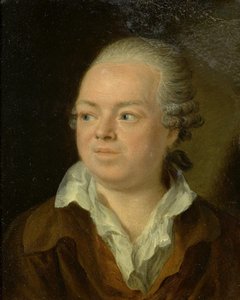
Franz Anton Maulbertsch
1724 - 1796 , Germany
Quick Facts
- Artistic Movement Or Style: Rococo, Baroque
- Artists Or Movements Influenced By This Artist: Austrian Rococo style
- Artists Who Influenced This Artist:
- Paul Troger
- G.B. Pittoni
- Piazzetta
- S. Ricci
- Tiepolo
- Date Of Birth: 1724
- Date Of Death: 1796
- Full Name: Franz Anton Maulbertsch
- Nationality: German/Austrian
- Notable Artworks:
- Jupiter and Antiope
- Philip the Apostle...
- A Barber Surgeon...
- Pastoral Serenade
- Allegory of the Alba
- St Narcissus in Glory
- Place Of Birth: Langenargen, Germany

