 Preview
 Send
Send Share
Share
 Details

 Download
 Similars
 X-Ray
X-Ray Diaporama
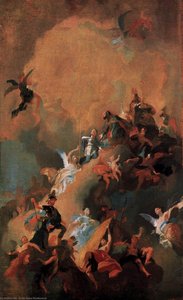
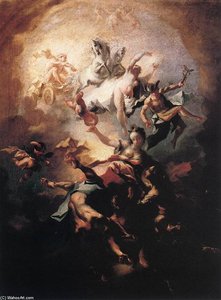
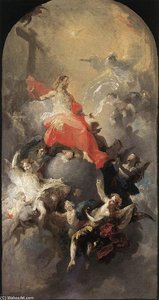
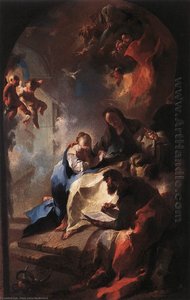
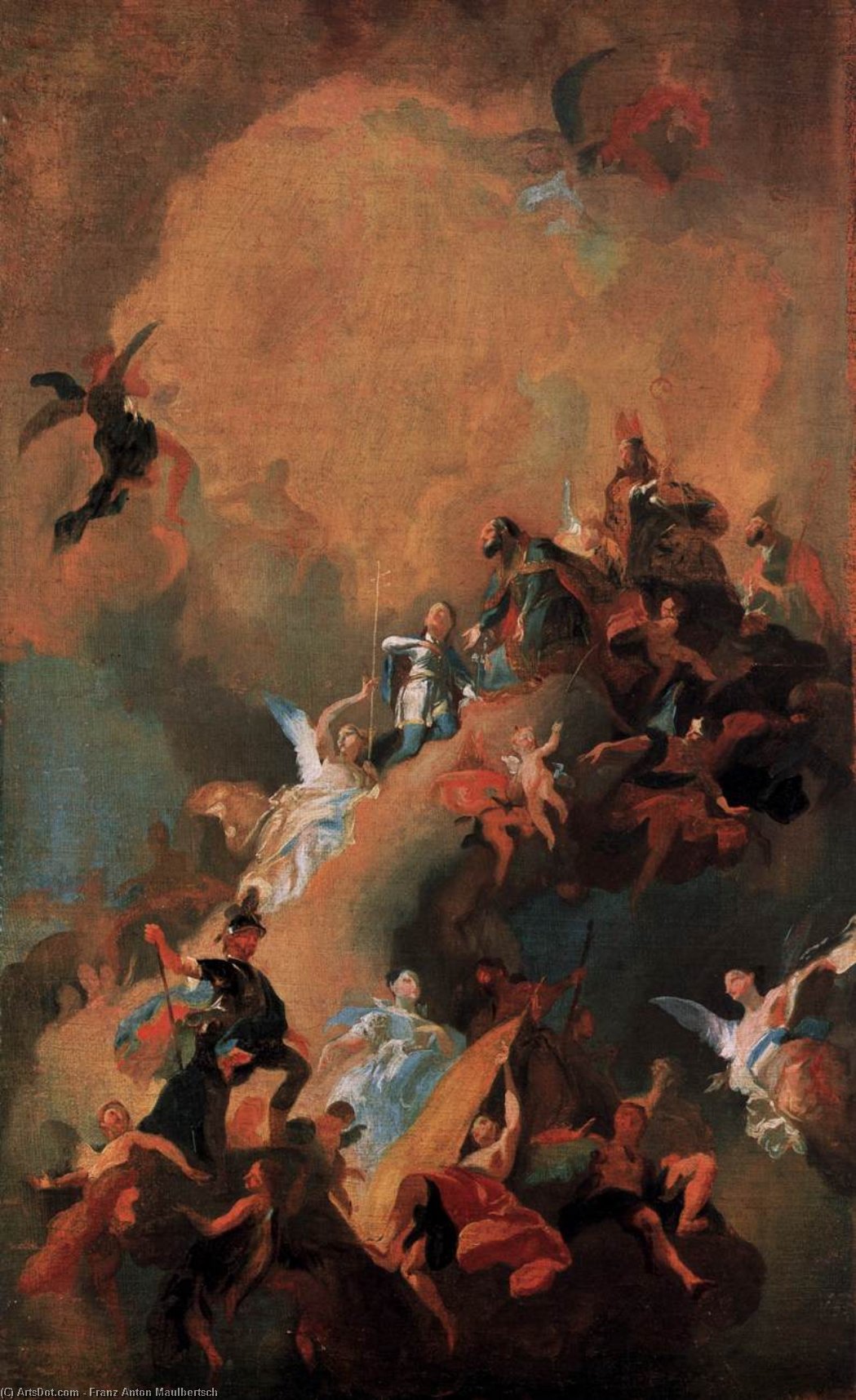
Apotheosis of a Hungarian Saint
 Oil On Canvas
- WallArt
- Baroque
 1773
1773- 19th Century
 73.0 x 46.0 cm
 Staatliche Museen
 Read More
Hand Made Oil Reproduction
Hand-painted oil on canvas in your size and frame, made to order by our artists. ( Buy Print Buy Image)




P118B $10

P118H $10

P118W $10

P438Z $10

P508JH $12

P508YH $12

P805H $10

P805Z $10

P919BZ $10

P919G $10

P919XJ $10

P959ZH $10

P968JZ $12

W106C $8

W218G $10

W218JH $8

W218Y $10

W307PJ $10

W316G $10

W316PJ $8

W316Y $10

W398PJ $8

W4111J $10

W500HY $15

W500JH $15

W692G $12

W849H $8

W940BG $15

W953PJ $8




Pick from our preset sizes that match the artwork's original proportions.

You may enter your own dimensions to fit a specific frame or space. If your selected size does not match the original image's proportions, we will either crop the artwork or extend the painting with additional hand-painted elements. A digital mockup will be sent for your approval before production begins.
Please note that the on-screen preview does not reflect the actual cropping or extension. Only the mockup will accurately show the final composition.
While custom sizes are available, we recommend selecting a dimension from the predefined list to preserve the original proportions.
After order, ArtsDot.com team will email client for instructions and provide a mockup preview
Worldwide Delivery () in 3/4 weeks instead of standard 5 weeks. (17 August). No compromise on quality.

Free Worldwide Express Shipping

High-Quality Linen Canvas

Full Shipping Insurance

Customs Tax Refund Guarantee

True Color Matching Guarantee

60-Day Return Policy (Defects Only)

100% Money-Back Guarantee

Bulk Discount Offer
 Glass option is only available in size under 110 CM

Apotheosis of a Hungarian Saint
Reproduction Medium
Reproduction Size
-


Total Price
$ 438
Artwork Description
The Apotheosis of St Ladislaus – A Baroque Vision
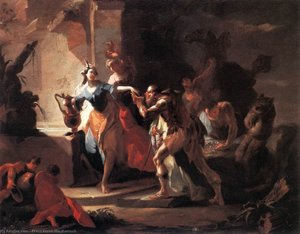
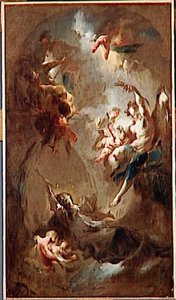
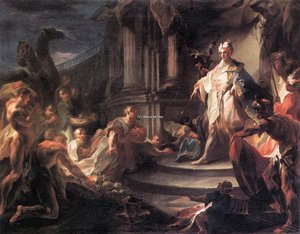
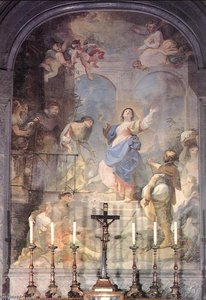
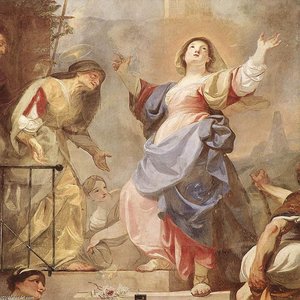
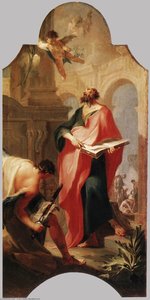
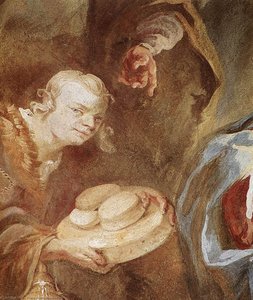
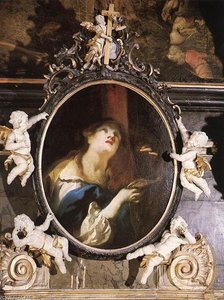
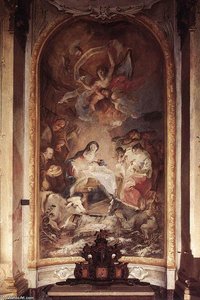
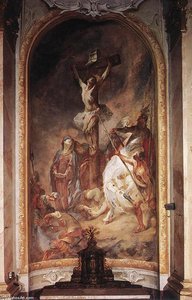
Franz Anton Maulbertsch’s ‘Apotheosis of St Ladislaus’ (1773) stands as a testament to the grandeur and fervent spirituality of late Baroque art, specifically commissioned for the magnificent St Ladislaus Chapel within Pozsony’s Primate’s Palace. This monumental fresco embodies Maulbertsch's masterful command of color and composition—a swirling panorama populated by angels, saints, and onlookers—capturing a pivotal moment from Christian legend: the ascension of Saint Ladislaus, King of Hungary and Croatia, to celestial glory. The artist skillfully blended Venetian influences with Austrian traditions, resulting in an image brimming with opulent hues – rich browns, reds, and golds – that radiate warmth and luminosity. Thick impasto technique lends textural depth to the canvas, emphasizing the dynamism of movement and conveying a palpable sense of awe.- Style: Baroque – Characterized by dramatic emotion, theatrical grandeur, and elaborate ornamentation. Maulbertsch’s approach aligns perfectly with the prevailing artistic sensibilities of his time, prioritizing visual impact over strict realism.
- Technique: Fresco – Employing pigment mixed directly onto wet plaster ensures durability and permanence, reflecting the Baroque desire for lasting beauty and religious devotion. Maulbertsch meticulously layered paint to build up texture and create depth, a hallmark of this technique.
Symbolism and Narrative Depth
The fresco’s central figure—Saint Ladislaus himself—dominates the composition, surrounded by angelic attendants who convey divine majesty. The swirling clouds represent heaven's expanse, mirroring Saint Ladislaus’ ascent to God’s realm. Symbolic elements abound: doves symbolize purity and peace; garlands of flowers signify resurrection and eternal life. Maulbertsch’s depiction isn’t merely a visual representation but an elaborate theological allegory—a powerful reminder of Christian faith and the promise of salvation.- Color Palette: Dominantly warm browns, reds, and golds – These hues evoke feelings of warmth, majesty, and spiritual fervor, aligning with Baroque artistic conventions.
- Composition: Dynamic swirling motion—The artist skillfully utilized lines to create a sense of upward momentum and convey the transformative experience of ascension.
Historical Context and Artistic Influences
Maulbertsch’s work reflects the broader cultural landscape of 18th-century Hungary, where religious piety underpinned artistic endeavors. He drew inspiration from Venetian masters like Piazzetta and Giovanni Battista Pittoni, whose innovative use of color and perspective profoundly impacted Baroque painting. Furthermore, Maulbertsch studied the frescoes by Sebastiano Ricci in Schönbrunn Palace, absorbing techniques that would elevate his own artistic vision. His collaboration with Giambattista Tiepolo—who was active in Würzburg during this period—further solidified his position as a leading figure of European art history.Emotional Impact and Legacy
‘Apotheosis of St Ladislaus’ transcends mere visual spectacle; it communicates profound spiritual emotion – reverence, awe, and contemplation. Maulbertsch's masterpiece continues to inspire artists and collectors alike, serving as an enduring symbol of Baroque artistic excellence and the unwavering belief in divine transcendence. Its meticulous execution and evocative imagery solidify its place among Hungary’s most treasured cultural achievements.Related Artworks

Artist Biography
A Life Bathed in Light: The Rococo World of Franz Anton Maulbertsch
Born in the idyllic lakeside town of Langenargen, Germany, in 1724, Franz Anton Maulbertsch emerged as a pivotal figure bridging the dramatic grandeur of the late Baroque and the airy elegance of the burgeoning Rococo movement. His artistic journey began with formal training at the Academy of Vienna, a foundational experience that would shape his distinctive style and propel him to prominence throughout Central Europe. From an early age, Maulbertsch demonstrated a keen eye for color and composition, qualities nurtured by his instructors and further refined through diligent study of the masters who preceded him. He wasn’t merely replicating styles; he was absorbing them, dissecting their strengths, and preparing to forge his own unique artistic voice.The Shaping of a Style: Influences and Artistic Development
Maulbertsch's development wasn’t a solitary pursuit. He stood on the shoulders of giants, carefully studying and internalizing the lessons offered by leading artists of his time. His apprenticeship under Paul Troger, a celebrated Austrian Baroque painter, instilled in him a sense of theatricality and dynamic composition – hallmarks of the era. However, Maulbertsch's artistic horizons expanded significantly through exposure to Venetian masters like Giovanni Battista Pittoni and Piazzetta. Their masterful use of light and color, their ability to evoke emotion through subtle gradations and vibrant hues, deeply resonated with the young artist. A particularly formative experience was his encounter with Giambattista Tiepolo around 1750 in Würzburg. Witnessing Tiepolo’s breathtaking frescoes broadened Maulbertsch's understanding of illusionistic space and narrative power, influencing his own approach to large-scale decorative painting. He also meticulously examined the works of Sebastiano Ricci at Schönbrunn Palace in Vienna, further honing his skills and refining his aesthetic sensibilities. These influences weren’t simply mimicked; they were synthesized into a style that was distinctly Maulbertsch's own – a vibrant blend of Baroque drama and Rococo grace.Master of Fresco: Commissions and Major Works
Maulbertsch quickly established himself as one of the most sought-after fresco painters in the German-speaking world, receiving commissions from both religious institutions and secular patrons. His ability to transform architectural spaces into immersive visual experiences cemented his reputation. He adorned churches across Central Europe with stunning frescoes, including those in Bicske and Kalocsa, and within Vienna’s revered Michaelerkirche and Piaristenkirche Maria Treu. The Porta Coeli monastery in Moravia, the Archbishop's Palace in Kroměříž, and the elegant Villa of Halbturn all bear testament to his artistic prowess. Beyond these grand ecclesiastical projects, Maulbertsch also created captivating paintings such as “Jupiter and Antiope,” a work brimming with mythological drama, and “Philip the Apostle Baptizes a Eunuch,” showcasing his skill in religious narrative. His genre scenes, like "A Barber Surgeon at Work" and “Pastoral Serenade”, offer glimpses into everyday life rendered with remarkable detail and sensitivity. These works weren’t merely decorative; they were carefully considered compositions designed to engage the viewer emotionally and intellectually.Legacy and Historical Significance
Franz Anton Maulbertsch's contribution to 18th-century art extends beyond his impressive body of work. He played a crucial role in transitioning from the late Baroque to the early Classical periods, skillfully balancing tradition with innovation. His unique artistic voice – characterized by vibrant colors, dynamic compositions, and a sense of theatricality – helped establish a distinctly Austrian Rococo style that influenced generations of artists. He successfully captured the changing tastes of his time while remaining rooted in established techniques, creating artworks that are both visually stunning and historically significant. Though some of his work was lost during the turmoil of World War II, the surviving frescoes and paintings continue to inspire awe and admiration. Maulbertsch’s legacy endures not only through the preservation of his masterpieces but also through ongoing scholarly study, ensuring that his place as a leading painter of the 18th century remains secure. He died in Vienna in 1796, leaving behind a rich artistic heritage that continues to captivate and enchant audiences today. His frescoes remain important examples of religious art and decorative painting from this era.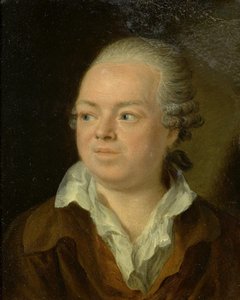
Franz Anton Maulbertsch
1724 - 1796 , Germany
Quick Facts
- Artistic Movement Or Style: Rococo, Baroque
- Artists Or Movements Influenced By This Artist: Austrian Rococo style
- Artists Who Influenced This Artist:
- Paul Troger
- G.B. Pittoni
- Piazzetta
- S. Ricci
- Tiepolo
- Date Of Birth: 1724
- Date Of Death: 1796
- Full Name: Franz Anton Maulbertsch
- Nationality: German/Austrian
- Notable Artworks:
- Jupiter and Antiope
- Philip the Apostle...
- A Barber Surgeon...
- Pastoral Serenade
- Allegory of the Alba
- St Narcissus in Glory
- Place Of Birth: Langenargen, Germany
Related Articles

The Fresco as Family Legacy: Preserving Heritage Through Wall Art
Explore the rich history & enduring legacy of fresco painting. Discover how to preserve family heritage through stunning wall art. Expert insights & restoration guidance.

The Enduring Legacy of Fresco: Technique, History & Artistic Expression Across Cultures
Explore the rich history & enduring legacy of fresco painting! Discover ancient techniques, Giotto's masterpieces, and modern applications. Expert insights for art lovers & professionals.

The Enduring Legacy of Fresco Painting: Techniques, History & Contemporary Relevance
Explore the rich history & enduring artistry of fresco painting – from Giotto to Michelangelo! Discover techniques, conservation efforts, & modern applications. Learn how ArtsDot brings this timeless art form to your home.

The Dramatic Flourish: Exploring the Baroque Movement's Enduring Legacy in Art History
Explore the dramatic world of Baroque art! Discover iconic artists like Caravaggio & Rubens, defining techniques, and its lasting impact on art history. Expert insights for collectors & enthusiasts at ArtsDot.

Art That Lives With You: The Emotional Power of a Custom Interior Fresco
Discover the emotional power & timeless beauty of custom interior frescoes. Explore history, design tips & expert guidance from – creating lasting legacies.