 Preview
 Send
Send Share
Share
 Details

 Download
 Similars
 X-Ray
X-Ray Diaporama
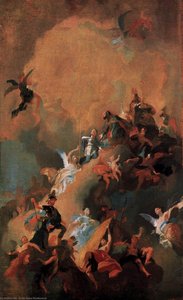
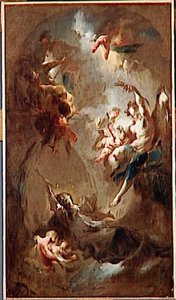
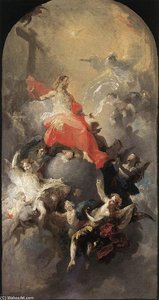
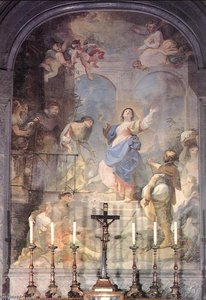
Apothéose de saint Jean Népomucène


 Read More
Hand Made Oil Reproduction
Hand-painted oil on canvas in your size and frame, made to order by our artists. ( Buy Print Buy Image)




P118B $10

P118H $10

P118W $10

P438Z $10

P508JH $12

P508YH $12

P805H $10

P805Z $10

P919BZ $10

P919G $10

P919XJ $10

P959ZH $10

P968JZ $12

W106C $8

W218G $10

W218JH $8

W218Y $10

W307PJ $10

W316G $10

W316PJ $8

W316Y $10

W398PJ $8

W4111J $10

W500HY $15

W500JH $15

W692G $12

W849H $8

W940BG $15

W953PJ $8




Pick from our preset sizes that match the artwork's original proportions.

You may enter your own dimensions to fit a specific frame or space. If your selected size does not match the original image's proportions, we will either crop the artwork or extend the painting with additional hand-painted elements. A digital mockup will be sent for your approval before production begins.
Please note that the on-screen preview does not reflect the actual cropping or extension. Only the mockup will accurately show the final composition.
While custom sizes are available, we recommend selecting a dimension from the predefined list to preserve the original proportions.
After order, ArtsDot.com team will email client for instructions and provide a mockup preview
Worldwide Delivery () in 3/4 weeks instead of standard 5 weeks. (17 August). No compromise on quality.

Free Worldwide Express Shipping

High-Quality Linen Canvas

Full Shipping Insurance

Customs Tax Refund Guarantee

True Color Matching Guarantee

60-Day Return Policy (Defects Only)

100% Money-Back Guarantee

Bulk Discount Offer
 Glass option is only available in size under 110 CM

Apothéose de saint Jean Népomucène
Reproduction Medium
Reproduction Size
-


Total Price
$ 413
Artwork Description
A Celestial Apotheosis: Franz Anton Maulbertsch’s “Apothéose de saint Jean Népomucène”
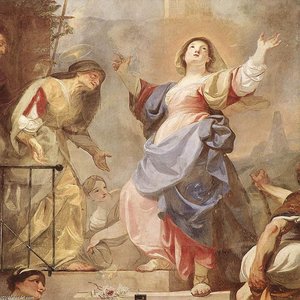
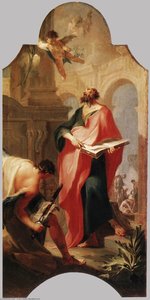
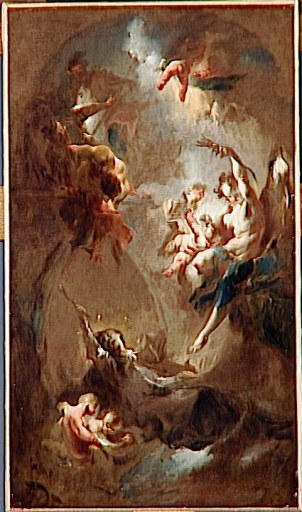
Franz Anton Maulbertsch's "Apothéose de saint Jean Népomucène," a monumental oil on canvas currently residing within the hallowed halls of the Louvre, isn’t merely a religious painting; it’s a dramatic symphony of light, movement, and profound spiritual aspiration. Completed around 1760, this work stands as a pivotal example of the Rococo style flourishing in Central Europe, seamlessly blending Baroque dynamism with the delicate elegance characteristic of the era. Maulbertsch, deeply influenced by Venetian masters like Piazzetta and Giovanni Battista Pittoni, elevates the humble story of Saint John Nepomucène – a Bohemian priest martyred for his loyalty to the Church – into an unforgettable spectacle of divine ascension.
The scene unfolds with breathtaking theatricality. At its heart stands Saint John, rendered in vibrant crimson robes, poised mid-flight amidst a swirling vortex of clouds and figures. This isn’t a static depiction of martyrdom; it's a dynamic portrayal of apotheosis – the transformation into a saintly being. Angels, draped in shimmering fabrics and radiating an ethereal glow, ascend alongside him, while below, earthly figures—some appearing to fall, others gesturing with fervent supplication—represent humanity’s yearning for salvation. The composition is deliberately asymmetrical, creating a sense of controlled chaos that mirrors the tumultuous nature of faith and the journey towards transcendence.
A Masterclass in Rococo Technique
Maulbertsch's mastery lies not just in his subject matter but also in his execution. He employs a layered technique, building up the image with meticulous brushstrokes—visible yet skillfully blended—to create a rich and textured surface. The use of *chiaroscuro* is particularly striking; pools of light illuminate key figures while casting dramatic shadows that heighten the sense of drama and depth. Notice how he masterfully renders the swirling clouds, utilizing delicate gradations of color to evoke their ethereal quality – they seem to shimmer with an inner light. The drapery, a hallmark of Rococo style, is rendered with exquisite detail, cascading in luxurious folds that add to the painting’s overall sense of opulence and grandeur.
The artist's understanding of color is equally impressive. The palette is dominated by warm hues – fiery oranges, deep reds, and golden yellows – contrasted against cooler blues and whites within the clouds and angelic figures. This creates a visual tension that draws the eye across the canvas, guiding it through the complex composition. He doesn’t shy away from bold color combinations, reflecting the emotional intensity of the subject matter.
Symbolism and Spiritual Resonance
Beyond its aesthetic beauty, “Apothéose de saint Jean Népomucène” is laden with symbolic meaning. The swirling clouds represent divine grace and the boundless expanse of God’s mercy. Saint John's ascent signifies his elevation to sainthood – a testament to his unwavering faith and loyalty. The figures below, caught in various states of emotion, embody humanity’s diverse responses to spiritual longing. Some seek solace through prayer, others express fear or uncertainty, while still others appear to be drawn upwards by the promise of salvation. The central column-like structure at the base anchors the scene, providing a vertical axis that emphasizes the journey from earthly existence to heavenly realms.
A Timeless Vision
Maulbertsch’s “Apothéose de saint Jean Népomucène” is more than just a historical painting; it's a powerful meditation on faith, hope, and the human desire for transcendence. Its dramatic composition, masterful technique, and rich symbolism continue to resonate with viewers centuries after its creation. Reproductions of this magnificent artwork offer a captivating glimpse into the heart of Rococo artistry—a testament to the enduring power of visual storytelling and the timeless allure of spiritual aspiration.
Related Artworks
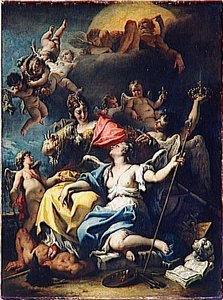
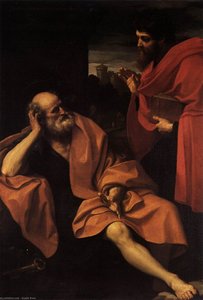
Artist Biography
A Life Bathed in Light: The Rococo World of Franz Anton Maulbertsch
Born in the idyllic lakeside town of Langenargen, Germany, in 1724, Franz Anton Maulbertsch emerged as a pivotal figure bridging the dramatic grandeur of the late Baroque and the airy elegance of the burgeoning Rococo movement. His artistic journey began with formal training at the Academy of Vienna, a foundational experience that would shape his distinctive style and propel him to prominence throughout Central Europe. From an early age, Maulbertsch demonstrated a keen eye for color and composition, qualities nurtured by his instructors and further refined through diligent study of the masters who preceded him. He wasn’t merely replicating styles; he was absorbing them, dissecting their strengths, and preparing to forge his own unique artistic voice.The Shaping of a Style: Influences and Artistic Development
Maulbertsch's development wasn’t a solitary pursuit. He stood on the shoulders of giants, carefully studying and internalizing the lessons offered by leading artists of his time. His apprenticeship under Paul Troger, a celebrated Austrian Baroque painter, instilled in him a sense of theatricality and dynamic composition – hallmarks of the era. However, Maulbertsch's artistic horizons expanded significantly through exposure to Venetian masters like Giovanni Battista Pittoni and Piazzetta. Their masterful use of light and color, their ability to evoke emotion through subtle gradations and vibrant hues, deeply resonated with the young artist. A particularly formative experience was his encounter with Giambattista Tiepolo around 1750 in Würzburg. Witnessing Tiepolo’s breathtaking frescoes broadened Maulbertsch's understanding of illusionistic space and narrative power, influencing his own approach to large-scale decorative painting. He also meticulously examined the works of Sebastiano Ricci at Schönbrunn Palace in Vienna, further honing his skills and refining his aesthetic sensibilities. These influences weren’t simply mimicked; they were synthesized into a style that was distinctly Maulbertsch's own – a vibrant blend of Baroque drama and Rococo grace.Master of Fresco: Commissions and Major Works
Maulbertsch quickly established himself as one of the most sought-after fresco painters in the German-speaking world, receiving commissions from both religious institutions and secular patrons. His ability to transform architectural spaces into immersive visual experiences cemented his reputation. He adorned churches across Central Europe with stunning frescoes, including those in Bicske and Kalocsa, and within Vienna’s revered Michaelerkirche and Piaristenkirche Maria Treu. The Porta Coeli monastery in Moravia, the Archbishop's Palace in Kroměříž, and the elegant Villa of Halbturn all bear testament to his artistic prowess. Beyond these grand ecclesiastical projects, Maulbertsch also created captivating paintings such as “Jupiter and Antiope,” a work brimming with mythological drama, and “Philip the Apostle Baptizes a Eunuch,” showcasing his skill in religious narrative. His genre scenes, like "A Barber Surgeon at Work" and “Pastoral Serenade”, offer glimpses into everyday life rendered with remarkable detail and sensitivity. These works weren’t merely decorative; they were carefully considered compositions designed to engage the viewer emotionally and intellectually.Legacy and Historical Significance
Franz Anton Maulbertsch's contribution to 18th-century art extends beyond his impressive body of work. He played a crucial role in transitioning from the late Baroque to the early Classical periods, skillfully balancing tradition with innovation. His unique artistic voice – characterized by vibrant colors, dynamic compositions, and a sense of theatricality – helped establish a distinctly Austrian Rococo style that influenced generations of artists. He successfully captured the changing tastes of his time while remaining rooted in established techniques, creating artworks that are both visually stunning and historically significant. Though some of his work was lost during the turmoil of World War II, the surviving frescoes and paintings continue to inspire awe and admiration. Maulbertsch’s legacy endures not only through the preservation of his masterpieces but also through ongoing scholarly study, ensuring that his place as a leading painter of the 18th century remains secure. He died in Vienna in 1796, leaving behind a rich artistic heritage that continues to captivate and enchant audiences today. His frescoes remain important examples of religious art and decorative painting from this era.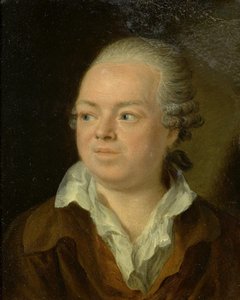
Franz Anton Maulbertsch
1724 - 1796 , Germany
Quick Facts
- Artistic Movement Or Style: Rococo, Baroque
- Artists Or Movements Influenced By This Artist: Austrian Rococo style
- Artists Who Influenced This Artist:
- Paul Troger
- G.B. Pittoni
- Piazzetta
- S. Ricci
- Tiepolo
- Date Of Birth: 1724
- Date Of Death: 1796
- Full Name: Franz Anton Maulbertsch
- Nationality: German/Austrian
- Notable Artworks:
- Jupiter and Antiope
- Philip the Apostle...
- A Barber Surgeon...
- Pastoral Serenade
- Allegory of the Alba
- St Narcissus in Glory
- Place Of Birth: Langenargen, Germany
Related Articles

John Singer Sargent's 25 Masterpieces: Portraits & Beyond | ArtsDot
Explore 25 iconic John Singer Sargent paintings – from dazzling portraits to Impressionist landscapes. Discover the stories behind Madame X, El Jaleo & more! Find museum-quality art reproductions and elevate your home decor with ArtsDot.com.

John Constable's Masterpieces: Explore 25 Iconic Landscapes for Your Home
Journey through John Constable's 25 most celebrated landscapes. Explore Romanticism, Dedham Vale & his masterful use of light in iconic paintings like 'Hay Wain'. Find museum-quality art reproductions and elevate your home decor on ArtsDot.com.
From Grandeur to Grace: Exploring the Evolution of Baroque & Rococo Art
Explore the captivating evolution from Baroque's drama to Rococo's grace! Discover key artists, characteristics & lasting influence of these art movements with expert insights at ArtsDot.

Rococo's Radiant Legacy: 10 Masterpieces for Your Home |
Indulge in the elegance of Rococo! Explore 10 masterpieces by Fragonard, Boucher & Watteau. Discover the stories behind these iconic paintings and bring timeless art to your home with museum-quality reproductions from .
Discover the Divine: Inspiring Saint Anthony Artworks to Elevate Your Home Decor
Transform your home with the profound beauty of Saint Anthony artworks. Explore exquisite Baroque reproductions by Murillo and Zurbarán, hand-painted on 100% cotton canvas to bring divine serenity and timeless elegance to your interior design.