 Preview
 Send
Send Share
Share
 Details

 Download
 Similars
 X-Ray
X-Ray Diaporama
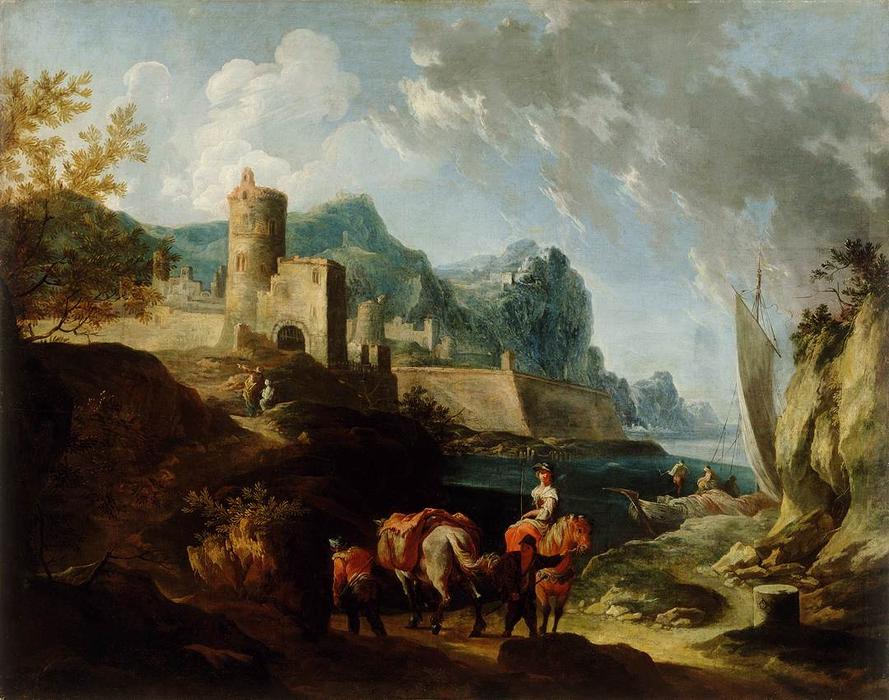
Seacoast with Travellers and a Town
 159.0 x 127.0 cm
 Galerie Nationale de Slovénie
 Read More
Hand Made Oil Reproduction
Hand-painted oil on canvas in your size and frame, made to order by our artists. ( Buy Print Buy Image)




































Pick from our preset sizes that match the artwork's original proportions.

You may enter your own dimensions to fit a specific frame or space. If your selected size does not match the original image's proportions, we will either crop the artwork or extend the painting with additional hand-painted elements. A digital mockup will be sent for your approval before production begins.
Please note that the on-screen preview does not reflect the actual cropping or extension. Only the mockup will accurately show the final composition.
While custom sizes are available, we recommend selecting a dimension from the predefined list to preserve the original proportions.
After order, ArtsDot.com team will email client for instructions and provide a mockup preview
Worldwide Delivery () in 3/4 weeks instead of standard 5 weeks. (25 August). No compromise on quality.

Free Worldwide Express Shipping

High-Quality Linen Canvas

Full Shipping Insurance

Customs Tax Refund Guarantee

True Color Matching Guarantee

60-Day Return Policy (Defects Only)

100% Money-Back Guarantee

Bulk Discount Offer
 Glass option is only available in size under 110 CM

Seacoast with Travellers and a Town
Reproduction Medium
Reproduction Size
-


Total Price
$ 263
Related Artworks

Artist Biography
Franz Ignaz Flurer (1688 - 1742): A Baroque Landscape Painter Rooted in Venetian Tradition
Franz Ignaz Josef Flurer (July or August 1688 – June 25, 1742) was a German painter who achieved considerable renown for his captivating landscapes infused with figures, primarily executed during the Austrian Baroque period. Though biographical details remain somewhat sparse—a testament to the challenges of documenting artists’ lives centuries later—scholarly research has illuminated Flurer's formative years and established him as a significant contributor to the artistic landscape of his time, particularly within Styria and Graz.Early Training and Influences
Flurer’s artistic journey commenced in Augsburg around 1701 where he received instruction from Johann Rieger, a respected painter known for his meticulous depictions of religious subjects. This initial training instilled in Flurer a foundational understanding of classical composition and technique—skills that would prove invaluable as he navigated the evolving stylistic currents shaping European art. Notably, Rieger’s emphasis on realism and careful observation mirrored the burgeoning humanist ideals prevalent during the Enlightenment, subtly influencing Flurer's artistic sensibilities.Austrian Patronage and Artistic Flourishing
Flurer swiftly gained recognition for his talent and secured employment with Ignaz Maria Graf Attems, a prominent noble family whose estates served as canvases for Flurer’s ambitious projects. His frescoes adorning Attems’ manors—particularly those at Slovenska Bistrica, Brežice, and Gösting—demonstrated his mastery of trompe-l'oeil illusionism and showcased his ability to convey atmospheric depth with remarkable precision. Tragically, the Gösting frescoes were destroyed during World War II, leaving only sketches and preparatory drawings as tangible evidence of Flurer’s artistic vision. However, these surviving fragments offer invaluable insight into his compositional approach—one heavily indebted to the Venetian painters Marco Ricci and Luca Carlevaris.Venetian Echoes: Carracci and Beyond
The influence of Annibale Carracci and Pietro da Cortona – masters of Bolognese Baroque – is palpable throughout Flurer’s oeuvre. Like these artists, Flurer embraced a dramatic chiaroscuro technique—characterized by stark contrasts between light and dark—to heighten emotional impact and imbue his landscapes with an aura of grandeur. Furthermore, he skillfully employed pyramidal compositions reminiscent of Carracci's monumental frescoes, creating balanced and harmonious visual narratives that captivated audiences. Evidence suggests Flurer’s artistic explorations extended beyond the Venetian tradition; observations indicate connections to Gaspard Dughet and Pieter Mulier II—artists who similarly honed their craft in Italy during the Baroque era—underscoring the interconnectedness of European artistic culture.Legacy and Recognition
Franz Ignaz Flurer's contribution to Austrian art history is cemented by his depiction of Saint Giles for Graz Cathedral’s altar – a poignant portrayal reflecting the spiritual fervor of the period. His enduring legacy resides not only in his impressive visual achievements but also in his role as a conduit for disseminating Venetian artistic ideals across Central Europe. Today, Flurer's paintings continue to inspire admiration and scholarly study, serving as reminders of the Baroque era’s fascination with natural beauty and its commitment to conveying profound emotional truths. The Franz Marc Museum in Kochel am See houses a collection of Flurer’s works, offering visitors an opportunity to immerse themselves in the artist’s distinctive style and appreciate his enduring artistic significance.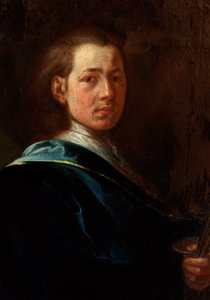
Franz Ignaz Flurer
1688 - 1742 , Germany
Quick Facts
- Artistic Movement Or Style: Baroque
- Artists Or Movements Influenced By This Artist:
- Gaspard Dughet
- Pieter Mulier
- Artists Who Influenced This Artist:
- Annibale Carracci
- Marco Ricci
- Date Of Birth: July or August 1688
- Date Of Death: 25 June 1742
- Full Name: Franz Ignaz Josef Flurer
- Nationality: German
- Notable Artworks: ['Seacoast with Travellers and a Town']
- Place Of Birth: Augsburg, Germany