 Preview
 Send
Send Share
Share
 Details

 Download
 Similars
 X-Ray
X-Ray Diaporama
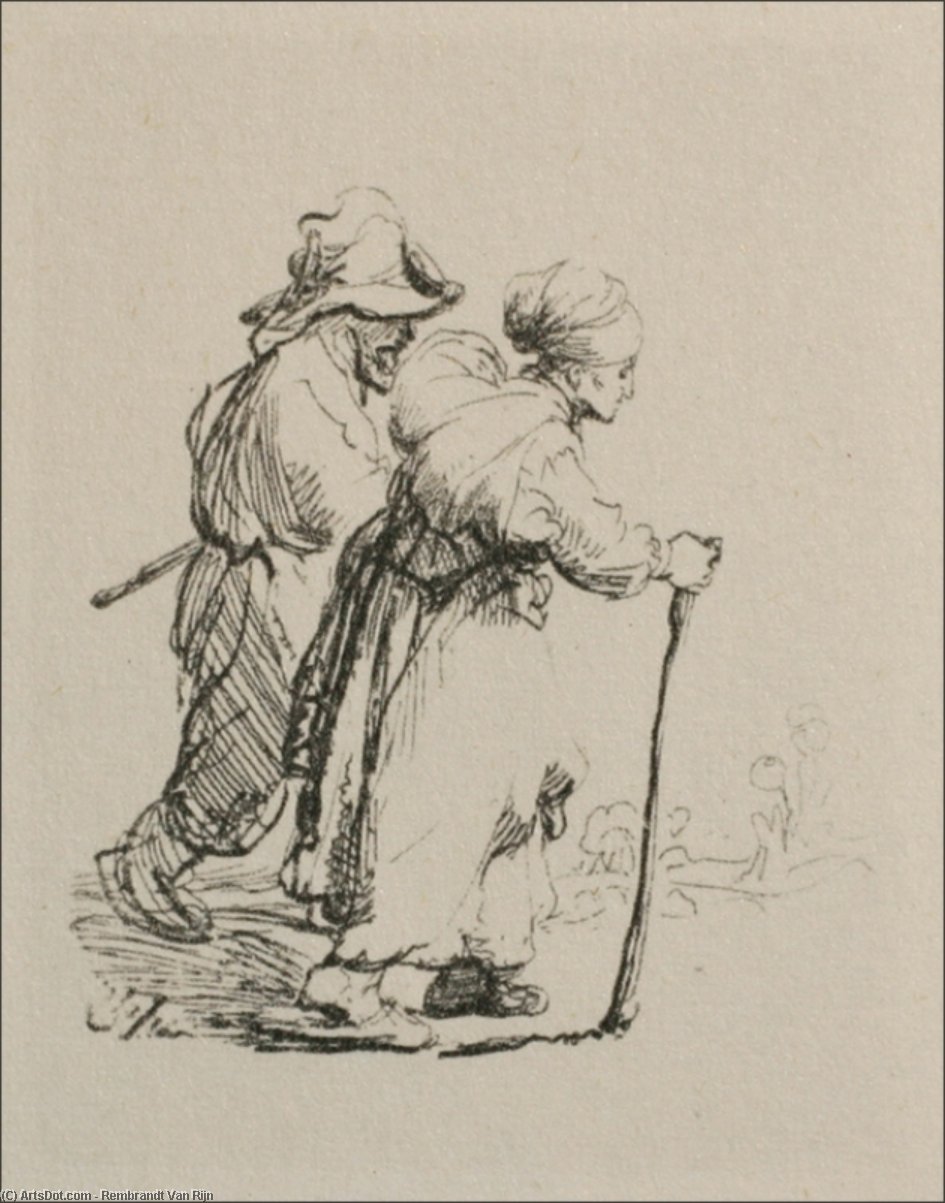
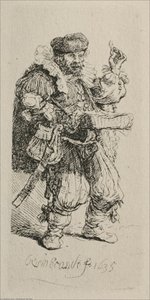
Two Travelling Peasants


 Read More
Hand Made Oil Reproduction
Hand-painted oil on canvas in your size and frame, made to order by our artists. ( Buy Print Buy Image)




P118B $10

P118H $10

P118W $10

P438Z $10

P508JH $12

P508YH $12

P805H $10

P805Z $10

P919BZ $10

P919G $10

P919XJ $10

P959ZH $10

P968JZ $12

W106C $8

W218G $10

W218JH $8

W218Y $10

W307PJ $10

W316G $10

W316PJ $8

W316Y $10

W398PJ $8

W4111J $10

W500HY $15

W500JH $15

W692G $12

W849H $8

W940BG $15

W953PJ $8




Pick from our preset sizes that match the artwork's original proportions.

You may enter your own dimensions to fit a specific frame or space. If your selected size does not match the original image's proportions, we will either crop the artwork or extend the painting with additional hand-painted elements. A digital mockup will be sent for your approval before production begins.
Please note that the on-screen preview does not reflect the actual cropping or extension. Only the mockup will accurately show the final composition.
While custom sizes are available, we recommend selecting a dimension from the predefined list to preserve the original proportions.
After order, ArtsDot.com team will email client for instructions and provide a mockup preview
Worldwide Delivery () in 3/4 weeks instead of standard 5 weeks. (16 August). No compromise on quality.

Free Worldwide Express Shipping

High-Quality Linen Canvas

Full Shipping Insurance

Customs Tax Refund Guarantee

True Color Matching Guarantee

60-Day Return Policy (Defects Only)

100% Money-Back Guarantee

Bulk Discount Offer
 Glass option is only available in size under 110 CM

Two Travelling Peasants
Reproduction Medium
Reproduction Size
-


Total Price
$ 313
Artwork Description
A Moment of Passage: Rembrandt’s ‘Two Travelling Peasants’
Rembrandt van Rijn's “Two Travelling Peasants,” a captivating watercolor sketch rendered in the evocative monochrome palette characteristic of his later years, offers a poignant glimpse into the everyday lives of 17th-century Dutch society. More than just a depiction of two figures on a journey, this work embodies Rembrandt’s signature ability to distill essence and emotion through masterful observation and a deeply personal artistic voice. The sketch, likely created around the mid-1650s, speaks volumes about resilience, labor, and the quiet dignity found in simple existence – themes that resonate powerfully even today.
The composition itself is deceptively straightforward. Two peasants, their faces etched with the marks of a life lived outdoors, move purposefully towards the right, their bodies slightly off-center to create a dynamic sense of movement. A smaller figure, perhaps a child or companion, appears in the background, providing depth and hinting at a shared experience. Rembrandt eschews precise detail, instead relying on a network of delicate lines – hatching and cross-hatching – to define form and suggest texture. The clothing is rendered with quick, expressive strokes, conveying both its practicality and the weariness of travel. Notice how the varying density of washes creates an illusion of fabric, adding tactile richness to the image without resorting to meticulous rendering.
The Language of Light and Shadow: Rembrandt’s Technique
Rembrandt's approach to watercolor is particularly striking in this piece. He deliberately avoids strong highlights or dramatic shadows, opting for a diffused, almost atmospheric light that permeates the scene. This technique aligns perfectly with his broader artistic philosophy – he wasn’t interested in creating photographic realism but rather capturing the *feeling* of a moment. The loose application of paint, reminiscent of a quick charcoal sketch, contributes to the work's immediacy and sense of spontaneity. It’s as if Rembrandt is simply trying to capture the essence of these travelers before it vanishes.
The use of line is paramount. Rather than outlining forms with sharp, defined edges, Rembrandt employs a network of interconnected lines that create depth and suggest volume. This technique, deeply rooted in his earlier training under Pieter Lastman, allows for a greater sense of movement and dynamism within the composition. The sketch’s overall feel is one of immediacy and observation – a fleeting impression captured on paper.
Symbolism and Context: A Portrait of Dutch Life
Beyond its aesthetic qualities, “Two Travelling Peasants” offers valuable insights into the social and cultural context of Rembrandt's time. The figures’ humble attire and weary expressions reflect the realities of peasant life in the Netherlands – a life characterized by hard work, limited resources, and constant travel. The walking sticks they carry could be interpreted as symbols of support, guidance, or perhaps simply the tools necessary for navigating the arduous journey ahead. Rembrandt frequently depicted scenes from everyday life, often focusing on marginalized figures within society, elevating their stories to a level of artistic significance.
Interestingly, this sketch shares thematic similarities with Rembrandt’s “Philemon and Baucis,” another work depicting an elderly couple offering hospitality to divine visitors. While the narrative differs significantly, both pieces explore themes of generosity, compassion, and the quiet dignity found in simple acts of kindness – values deeply ingrained in Dutch culture during the Golden Age. The sketch's understated beauty and profound emotional resonance are a testament to Rembrandt’s enduring legacy as one of art history’s greatest masters.
Bringing ‘Two Travelling Peasants’ Home
ArtsDot offers meticulously crafted, hand-painted reproductions of “Two Travelling Peasants,” allowing you to experience the artistry and emotion of this iconic work in stunning detail. Our skilled artists replicate Rembrandt's unique technique with exceptional accuracy, capturing the subtle nuances of light, shadow, and texture that define his style. Whether for your home, office, or collection, a ArtsDot reproduction provides an authentic connection to one of art history’s most celebrated figures. Explore our selection today and bring this poignant portrait of Dutch life into your space.
Related Artworks
Artist Biography
A Life Illuminated: The World of Rembrandt van Rijn
Rembrandt Harmenszoon van Rijn, a name synonymous with the Dutch Golden Age and the mastery of light and shadow, was born in Leiden, Netherlands, on July 15, 1606. His arrival coincided with a period of unprecedented prosperity and artistic flourishing for the young republic, a climate that would profoundly shape his life and work. The son of a miller, Harmen Gerritszoon van Rijn, and Neeltgen Willemsdochter van Zuytbrouck, from a family of bakers, Rembrandt received an education at Leiden’s Latin School, providing him with a foundation in classical learning that would later subtly inform his artistic narratives. His early artistic inclinations led to apprenticeships – first with Jacob van Swanenburg in Leiden around 1620, and then, crucially, a six-month period of study under Pieter Lastman in Amsterdam beginning in 1624. It was Lastman’s dramatic use of light and shadow, his dynamic compositions filled with historical and biblical scenes, that ignited a spark within the young Rembrandt, setting him on a path toward artistic innovation. Upon returning to Leiden, he established a studio shared with fellow artist Jan Lievens, marking the beginning of an extraordinary career.
From Leiden Recognition to Amsterdam’s Embrace
Rembrandt quickly garnered recognition in his hometown for his historical paintings and portraits, demonstrating an early talent for capturing both physical likeness and psychological depth. A pivotal moment arrived in 1629 with the patronage of Constantijn Huygens, a poet and diplomat at The Hague court. This connection secured commissions that elevated Rembrandt’s profile and opened doors to a wider audience. In 1631, he made the momentous decision to relocate to Amsterdam, a bustling commercial and cultural center. Here, his skills as a portraitist were immediately in demand, attracting wealthy clients eager to have their likenesses immortalized by the rising star. The year 1634 marked another significant turning point with his marriage to Saskia van Uylenburgh, daughter of a prominent jurist and mayor. This union not only brought personal happiness but also provided Rembrandt with social influence and initial financial stability, allowing him to expand his studio and take on more ambitious projects. However, the seeds of future hardship were subtly sown within this period of success; Saskia’s untimely death in 1642 would cast a long shadow over Rembrandt's life.
The Evolution of a Master: Style and Technique
Rembrandt’s artistic journey was one of relentless experimentation and profound evolution. He moved away from the prevailing emphasis on idealized forms, instead embracing realism and emotional expressiveness in his portrayals. His early period, roughly from 1625 to 1635, was characterized by meticulous detail and a clear influence from Lastman’s dramatic style. However, it was during his mature period, spanning the 1630s through the 1650s, that Rembrandt truly came into his own. This era witnessed the masterful development of *chiaroscuro* – the dramatic interplay of light and shadow – which became a defining characteristic of his work. He didn’t merely depict light; he used it to sculpt form, create atmosphere, and reveal the inner lives of his subjects. His brushwork also underwent a transformation, becoming looser and more expressive, conveying texture, emotion, and a sense of immediacy. The later years, from the 1650s until his death in 1669, saw a return to a more subdued palette and a focus on intimate portraits and biblical scenes that reflected personal struggles and spiritual contemplation. These works are marked by a profound sense of introspection and a willingness to confront the complexities of human existence.
Landmark Creations and Enduring Legacy
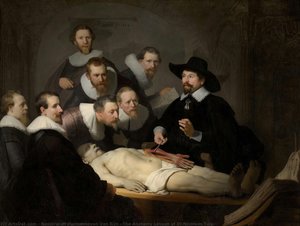
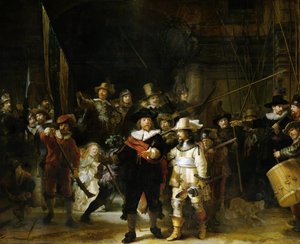
Rembrandt’s oeuvre is filled with masterpieces that continue to captivate audiences centuries later. The Anatomy Lesson of Dr. Nicolaes Tulp (1632), a groundbreaking group portrait, not only showcased his technical skill but also demonstrated an innovative approach to depicting human anatomy and personality. Belshazzar's Feast (1635) stands as a testament to his mastery of light, shadow, and composition, bringing the biblical narrative to life with dramatic intensity. Perhaps his most famous work, The Night Watch (1642), officially titled *Militia Company of District II under the Command of Captain Frans Banninck Cocq*, redefined the genre of group portraiture with its dynamic composition and innovative use of lighting. Beyond these large-scale works, Rembrandt’s approximately 40 self-portraits offer a unique visual record of his aging process and artistic vision, providing an unparalleled glimpse into the mind of a genius. He also revolutionized etching, elevating it to a fine art form through his masterful command of line and tone. His influence extended far beyond his own time, impacting generations of artists with his innovative techniques and profound psychological insights. Despite facing personal tragedies – including the loss of Saskia and financial difficulties that led to bankruptcy in 1656 – Rembrandt’s reputation endured. He remains a cornerstone of Dutch art and a universal symbol of artistic genius, whose works continue to resonate with viewers on a deeply emotional level.
A Mirror to the Golden Age
Rembrandt's work is inextricably linked to the spirit of the Dutch Golden Age – an era defined by economic prosperity, intellectual flourishing, and unprecedented artistic innovation. He captured the essence of this period through his portraits of its citizens, his dramatic biblical scenes that resonated with a deeply religious audience, and his exploration of universal human emotions. His life story—a compelling narrative of success, adversity, and unwavering dedication to his craft—has made him a captivating figure in art history. He wasn’t merely documenting the world around him; he was interpreting it through the lens of his own experiences and insights. Rembrandt's impact on subsequent generations of artists is immeasurable, inspiring countless painters, printmakers, and draughtsmen to explore the power of light, shadow, and psychological realism. His legacy continues to thrive in museums and private collections around the world, ensuring that his masterpieces will continue to inspire and move audiences for centuries to come.
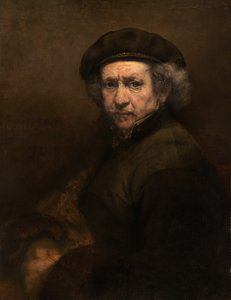
Rembrandt van Rijn
1606 - 1669 , Netherlands
Quick Facts
- Artistic Movement Or Style: Baroque painting
- Artists Or Movements Influenced By This Artist: ['Dutch Golden Age']
- Artists Who Influenced This Artist:
- Titian
- Caravaggio
- Pieter Lastman
- Date Of Birth: July 15, 1606
- Date Of Death: 1669
- Full Name: Rembrandt van Rijn
- Nationality: Dutch
- Notable Artworks:
- The Night Watch
- Self-Portraits
- Belshazzar's Feast
- Anatomy Lesson
- Place Of Birth: Leiden, Netherlands
Related Articles

Rembrandt's Masterpieces: Explore 25 Iconic Paintings & Prints | ArtsDot
Journey through Rembrandt van Rijn's 25 most iconic paintings & etchings. Explore Dutch Golden Age masterpieces, dramatic chiaroscuro, and timeless portraits. Find museum-quality art reproductions to elevate your home decor on ArtsDot.com.

Watercolor Wonders: 10 Masterpieces That Redefined Art History | ArtsDot
Journey through 10 legendary watercolor masterpieces by Sargent, Turner & Homer! Explore iconic landscapes, portraits & floral art that redefined history. Find museum-quality reproductions and curated decor ideas at ArtsDot.com.

Ephemeral Visions: Exploring the Artistic Legacy & Contemporary Practice of Watercolor Painting
Explore the captivating world of watercolor painting! Discover its rich history, essential techniques, influential artists & collecting tips. A comprehensive guide for art enthusiasts from ArtsDot.

Dutch Baroque Masters: 10 Paintings That Shaped an Era | ArtsDot
Journey through the Golden Age with our guide to the Top 10 Dutch Baroque masterpieces! Explore iconic paintings by Rembrandt, Vermeer & Frans Hals. Find museum-quality art reproductions and elevate your home decor at ArtsDot.com.

Ephemeral Visions: Exploring the History & Emotional Resonance of Watercolor Painting
Explore the captivating history of watercolor painting, from ancient techniques to modern masters like Kandinsky & Blake. Discover essential artists, collecting tips & the emotional power of this luminous medium. Expert insights for art enthusiasts.
![The Anatomy Lecture of Dr. Nicolaes Tulp [1632]](/media/artworks/images/thumbnails/12/01/1201b3f0503f4444b89f31dad3941765.jpg)