 Preview
 Send
Send Share
Share
 Details

 Download
 Similars
 X-Ray
X-Ray Diaporama
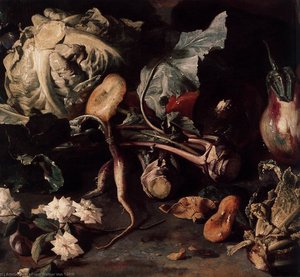
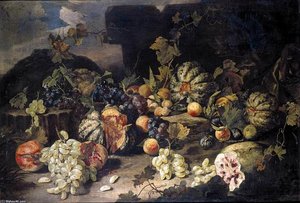
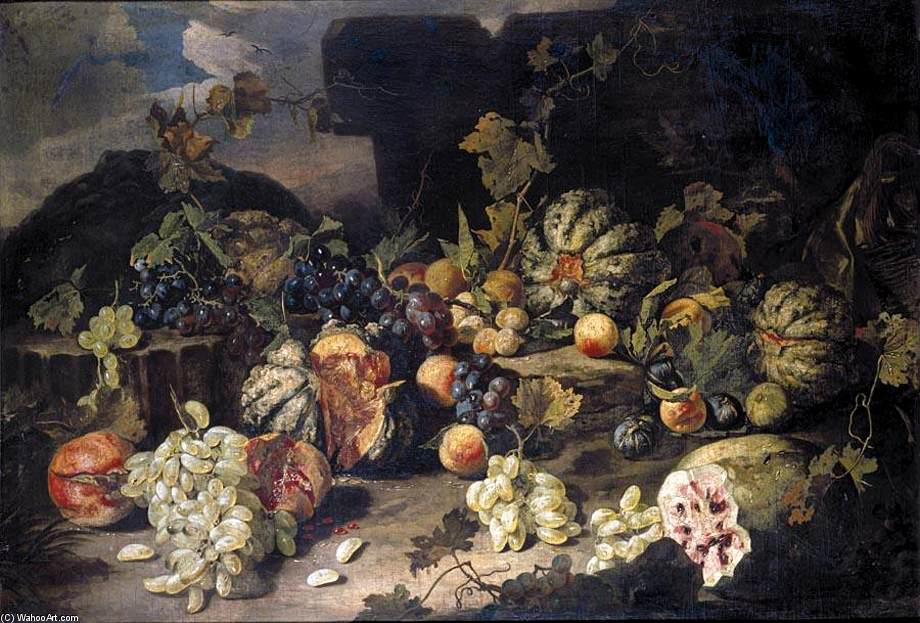
Still-Life of Fruit
 1685
1685 88.0 x 128.0 cm
 Read More
Giclée / Art Print
Museum-quality giclée or canvas print with fast production and flexible finish options. ( Buy Hand Made Painting Buy Image)




































Pick from our preset sizes that match the artwork's original proportions.

You may enter your own dimensions to fit a specific frame or space. If your selected size does not match the original image's proportions, we will either crop the artwork or extend the image with a mirrored or solid-fill edge. A digital mockup will be sent for your approval before production begins.
Please note that the on-screen preview does not reflect the actual cropping or extension. Only the mockup will accurately show the final composition.
While custom sizes are available, we recommend selecting a dimension from the predefined list to preserve the original proportions.
Worldwide Delivery () in 2 weeks instead of standard 4/5 weeks. (21 August)

Free Worldwide Express Shipping

High-Quality Linen Canvas

Full Shipping Insurance

Customs Tax Refund Guarantee

True Color Matching Guarantee

60-Day Return Policy (Defects Only)

100% Money-Back Guarantee

Bulk Discount Offer
 Glass option is only available in size under 110 CM

Still-Life of Fruit
Giclée / Art Print
Reproduction Size
-


Total Price
$ 63
Related Artworks
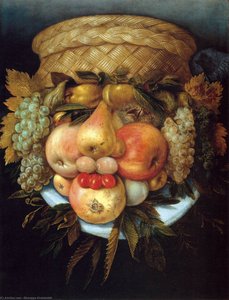
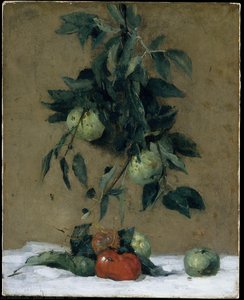
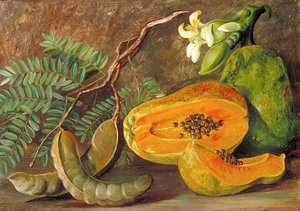
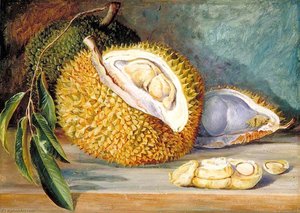
Artist Biography
A Master of the Baroque Bloom: The Life and Legacy of Franz Werner von Tamm
In the grand, theatrical tapestry of the Baroque era, few artists captured the delicate tension between fleeting beauty and enduring grandeur as masterfully as Franz Werner von Tamm. Born in the industrious city of Hamburg in 1658, von Tamm’s journey was one of profound movement, a nomadic odyssey that saw him weave together the meticulous traditions of Northern Europe with the dramatic, sun-drenched sensibilities of Italy and the imperial splendor of Austria. His life serves as a vibrant chronicle of an era where artistic boundaries were fluid, and the exchange of ideas across borders birthed some of the most exquisite imagery in Western art history.
Von Tamm’s early years in Germany provided him with a rigorous foundation, as he studied under the capable hands of Dietrich von Sosten and Johann Joachim Pfeiffer. Yet, it was his migration to Rome in 1685 that would truly ignite his creative spirit. Within the eternal city, he found himself immersed in a cosmopolitan circle of Flemish artists, most notably under the guidance of the legendary Carlo Maratta. This period of Roman apprenticeship was transformative; it allowed him to infuse his Northern training with the classical elegance and dramatic light characteristic of the Italian Baroque. It was during this time that he joined the prestigious Bentvueghels—the society of Dutch and Flemish artists in Rome—adopting the evocative moniker "Dapper," a name that perhaps hinted at the precision and vitality found within his botanical studies.
The Art of the Still Life and the Hunt
To gaze upon a von Tamm canvas is to enter a world where every petal, every drop of dew, and every shadow holds significant weight. He became celebrated for his ability to elevate the still life from mere decoration to a profound meditation on nature. Influenced heavily by the Flemish master David de Coninck, von Tamm developed a style that blended meticulous realism with a certain Baroque opulence. His compositions often featured lush floral arrangements and bountiful fruit, sometimes set against the backdrop of antique vases or classical reliefs, creating a dialogue between the ephemeral life of a flower and the permanence of stone.
Beyond the quietude of his floral studies, von Tamm possessed a remarkable versatility, excelling in the more vigorous genre of hunting scenes. Drawing inspiration from the works of Frans Snyders and Jan Fyt, he captured the raw energy of the chase and the anatomical splendor of animals with a technique that was both robust and refined. His palette, often characterized by somewhat dark, heavy colors and a thick, expressive application of paint, lent his hunting pieces a sense of weight and drama reminiscent of Giovan Battista Ruoppolo. This ability to pivot from the delicate intimacy of a single blossom to the sweeping action of a woodland hunt solidified his reputation as a truly multifaceted talent.
Imperial Splendor and Final Years in Vienna
The trajectory of von Tamm’s career reached its zenith when he moved toward the heart of the Holy Roman Empire. After a period in Passau, he arrived in Vienna, where his talents were recognized by the highest echelons of society. His appointment as a court painter to the imperial court was not merely a professional milestone but a testament to his ability to satisfy the sophisticated tastes of the Habsburgs. In the Viennese capital, his work evolved once more, moving toward a style that echoed the luminous and refined elegance of Jan van Huysum.
As he settled into his role within the imperial circle, von Tamm’s influence continued to ripple through the artistic community. He was not only a creator but also an educator, passing his knowledge to the next generation, including his pupil Pietro Navarra. His legacy is defined by this seamless integration of diverse European traditions:
- The German Foundation: A disciplined approach to detail and botanical accuracy.
- The Roman Influence: The infusion of classical composition and dramatic chiaroscuro.
- The Flemish Spirit: An appreciation for the abundance, texture, and energy of nature.
- The Viennese Culmination: A refined, courtly elegance that defined late Baroque aesthetics.
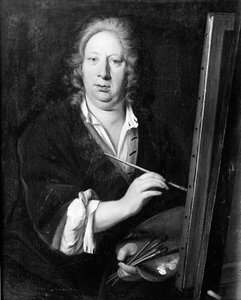
Franz Werner von Tamm
1658 - 1724 , Germany
Quick Facts
- Artistic Movement Or Style: Baroque
- Artists Or Movements Influenced By This Artist: ['Dutch Golden Age']
- Artists Who Influenced This Artist:
- David de Koninck
- Carlo Maratta
- Date Of Birth: Hamburg, Germany (1658)
- Date Of Death: 1724
- Full Name: Franz Werner von Tamm
- Nationality: German
- Notable Artworks:
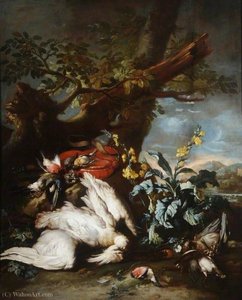
- Dead birds
- Still life with a musk melon.
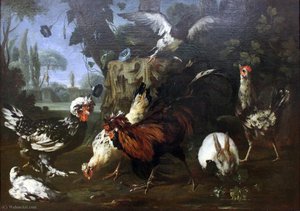
- Flowers, Fruit, and Poultry (detail)
- Place Of Birth: Hamburg