

 Preview
 Send
Send Share
Share
 Details

 Download
 Similars
 X-Ray
X-Ray Diaporama
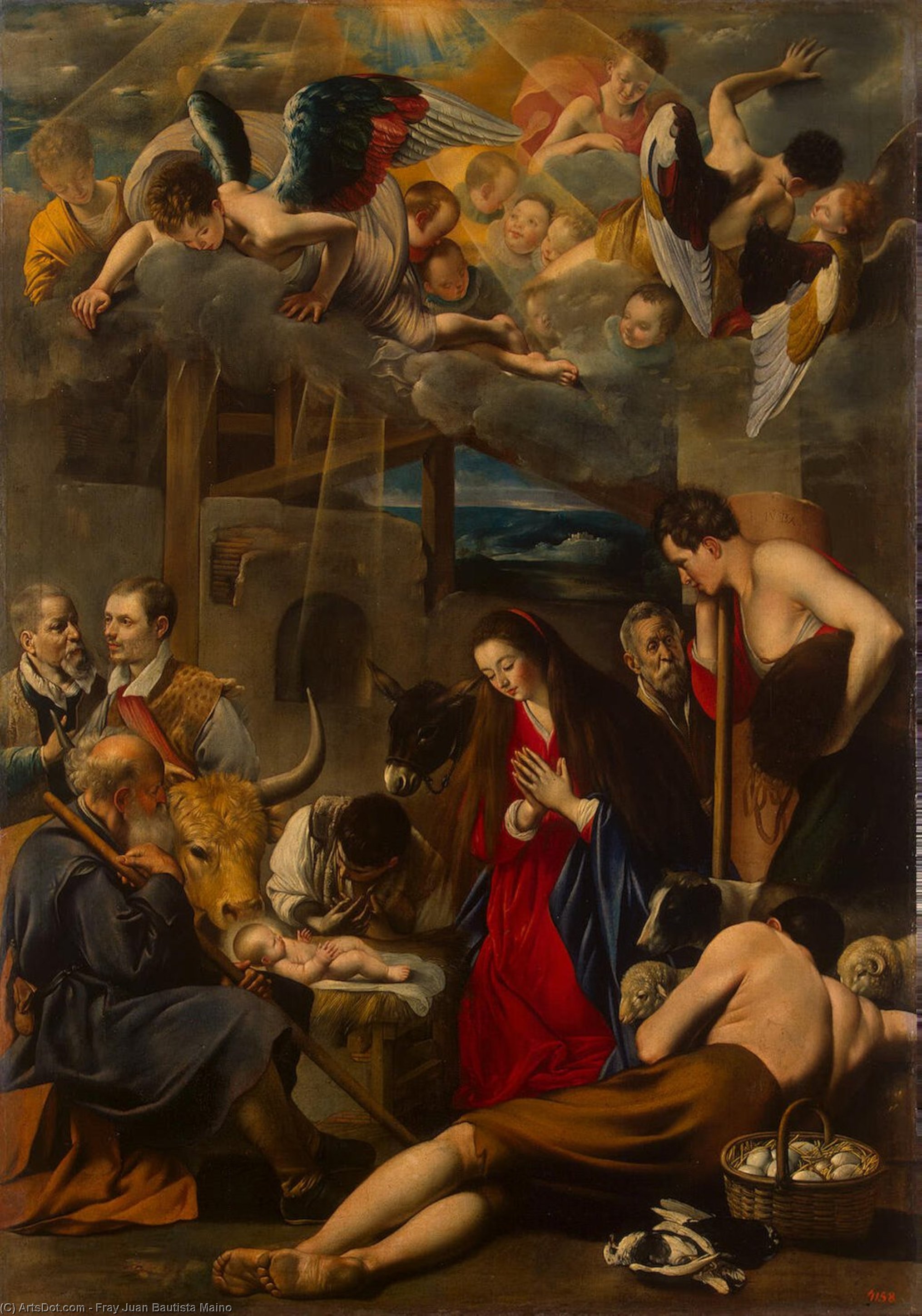
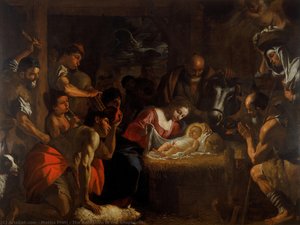
Adoration of the Shepherds
 Oil On Canvas
- WallArt
- Baroque Painting
 1613
1613 144.0 x 101.0 cm
 Hermitage Museum
 Read More
Purchase a high-resolution, enhanced digital image, far superior to the online preview.
Each file is meticulously prepared by our in-house specialists using advanced tools and expert manual retouching. We ensure every image has exceptional clarity, precise color accuracy, and fine detail.
The final file is delivered via email within 72 hours, optimized for immediate use in professional, editorial, and print environments. This is the same quality trusted by top-tier design studios, publishers, and galleries.
Digital Image
Download a high-resolution file for personal display, printing, and creative projects. ( Buy Print Buy Hand Made Painting)
Included in Every Digital Image Order
Expert Digital Delivery, Guaranteed
When you choose ArtsDot.com, you're not just getting an image - you're receiving a professionally enhanced digital artwork, crafted with precision and backed by a satisfaction guarantee. Here's everything that comes with your order, automatically:

Fast Email Delivery
Your high-resolution digital image file will be emailed to you within 72 hours of ordering - ready for immediate use.

AI-Enhanced Digital File
Your artwork is professionally optimized using advanced AI tools and manual editing, ensuring maximum detail, clarity, and color accuracy.

Free Lifetime Re-Delivery
Accidentally deleted or lost your file? No worries - we'll resend it to you anytime, free of charge.

No Import Fees - Ever
Enjoy your artwork instantly with zero customs, duties, or delivery fees - digital downloads are always tax-free.

Color Accuracy Guarantee
We ensure your digital image reflects the original colors as closely as possible using professional tools and color management.

60-Day Satisfaction Guarantee
If you're not satisfied with your digital image, we'll revise it or refund 100% within 60 days - no questions asked.

100% Money-Back Guarantee
Not satisfied? Get a full refund within 60 days of receiving your digital file - no questions asked.

Bulk Order Discounts
Buy 3 images, save 10% - Buy 5, save 15% - Buy 10+, save 20%. Great for creative projects, galleries, and agencies.
Collectible Description
The Shepherds’ Vigil: Juan Bautista Maino's Dramatic Adoration
Juan Bautista Maino’s “Adoration of the Shepherds,” painted in 1612, is more than just a biblical scene; it’s a profound meditation on faith, humility, and the divine presence revealed in unexpected places. This oil-on-canvas masterpiece, now residing within the Museo del Prado in Madrid, pulsates with an arresting energy—a testament to Maino's mastery of Baroque drama and his unique ability to fuse Italian artistic influences with Spanish spirituality.
The painting immediately draws the eye into a darkened landscape, dominated by a rugged hillside. Here, bathed in the stark contrast of light and shadow – a hallmark of Caravaggio’s influence – stand the shepherds, rendered not as idealized figures but as ordinary men, their faces etched with wonder and reverence. They are positioned deliberately behind a low rock wall, subtly emphasizing their marginalized status within the established order, yet simultaneously highlighting their privileged position as the first witnesses to the newborn Christ. The composition is carefully constructed; a diagonal line bisects the scene, leading the viewer’s eye directly to Mary and the infant Jesus, creating a powerful focal point.
A Fusion of Italian and Spanish Artistic Traditions
Maino's artistic journey reveals a fascinating synthesis of styles. Born in Guadalajara, Mexico, he spent formative years absorbing the innovations of El Greco and Guido Reno in Italy – particularly in Bologna. This exposure to the dynamism of Caravaggio’s tenebrism, combined with the more restrained elegance of Italian Renaissance masters, shaped his distinctive approach. Unlike the polished idealism often associated with religious art of the period, Maino embraces a raw realism, imbuing even the most sacred subject matter with palpable human emotion. The use of matte egg tempera, a technique favored in Spain at the time, contributes to the painting’s luminous quality and its ability to capture the fleeting effects of light.
Symbolism Woven into the Scene
Beyond the immediate depiction of the Nativity, “Adoration of the Shepherds” is rich with symbolic meaning. The presence of the animals – a cow on the left and another in the center – subtly references the Old Testament connection between humanity and nature, suggesting that God’s grace extends to all creatures. The humble gifts offered by the shepherds—a simple lamb, a loaf of bread—underscore the story's central theme: salvation is found not in grand displays of wealth or power, but in the most unassuming of circumstances. The positioning of Joseph, holding the infant Jesus, mirrors the pose of Moses with the baby Joshua in earlier art, reinforcing the narrative’s parallel between these pivotal figures in Jewish and Christian history.
A Window into a Spanish Baroque Soul
“Adoration of the Shepherds” offers a compelling glimpse into the soul of 17th-century Spain. Commissioned for the Dominican monastery of San Pedro Mártir in Toledo, it reflects the Counter-Reformation’s emphasis on emotional engagement and accessible religious imagery. Maino's work stands as a powerful reminder that faith can be found not just in grand cathedrals or elaborate rituals, but also in the quiet moments of human connection and spiritual revelation—a sentiment powerfully conveyed through the shepherds’ humble adoration of the newborn King.
Related Artworks


Artist Biography
A Confluence of Light and Devotion: The Life of Fray Juan Bautista Maino
In the grand, dramatic tapestry of the Spanish Baroque, few threads are as intricately woven as those left by Fray Juan Bautista Maino. Born in Guadalajara, Mexico, in 1581, Maino’s life and artistry represent a profound cultural bridge, spanning the distance between the vibrant artistic currents of Italy and the solemn, spiritual intensity of Spain. His journey was one of constant movement and stylistic evolution, as he navigated the shifting landscapes of European aesthetics to create a body of work that remains a testament to the transformative power of the Baroque era.
The early years of Maino’s life were marked by an extraordinary immersion in the most influential artistic movements of his time. During the first decade of the 17th century, his travels through Italy brought him into contact with the pulsating heart of the Baroque revolution. In the studios of Bologna and Rome, he absorbed the dramatic chiaroscuro—the masterful play of light and shadow—that would become a hallmark of his compositions. While historical accounts offer varying perspectives on his direct mentorship, the echoes of El Greco’s ethereal, spiritualized forms and the naturalistic, grounded realism of the Carracci family are deeply embedded in his early brushwork. Whether he was truly a pupil of El Greco or a student of the Bolognese tradition under Guido Reni, Maino successfully synthesized these diverse influences into a singular, emotive language.
Mastery of the Altarpiece and the Miniature
As Maino established himself within the Spanish artistic landscape, his reputation grew through monumental commissions that demanded both technical precision and profound theological depth. His arrival in Toledo marked a significant chapter in his career, where he undertook the daunting task of decorating the San Pedro Mártir church. It was here that his ability to command large-scale compositions became evident, most notably in works such as the Adoration of the Magi. These large-scale altarpieces were not merely decorations but theatrical windows into the divine, designed to evoke awe and piety in the faithful through sweeping movements and intense emotionality.
Yet, the versatility of Maino’s talent extended far beyond the grand scale of church altars. He possessed a rare ability to pivot from the monumental to the intimate, finding equal success in the delicate realm of miniature portraits. In these smaller works, his mastery of detail and subtle color palettes allowed for a more personal, psychological exploration of his subjects. This duality—the ability to command a cathedral wall and a small, private frame—demonstrates a technical range that few of his contemporaries could match.
Legacy and Historical Significance
The historical significance of Fray Juan Bautista Maino lies in his role as an artistic mediator. He did not merely copy the styles of Italy or Spain; he breathed new life into them by blending the atmospheric tension of the Italian Baroque with the profound, often somber, religious fervor characteristic of the Spanish Golden Age. His work serves as a vital link in understanding how European artistic trends were adapted and reinterpreted within the Iberian Peninsula.
Today, Maino is remembered as a painter of deep spiritual resonance. His contributions to the development of the Baroque style helped define an era of art that sought to make the invisible visible through the medium of light and shadow. Through his paintings, we continue to witness:
- The synthesis of international styles: The seamless integration of Italian naturalism with Spanish spiritual intensity.
- Technical versatility: A mastery over both large-scale religious narratives and intimate portraiture.
- Emotional depth: An enduring ability to use dramatic composition to communicate the profound mysteries of faith.
As we look upon his works, such as the celebrated Adoration of the Shepherds, we see more than just paint on canvas; we see the legacy of a man who traveled across borders and through styles to capture the very essence of the human and the divine.
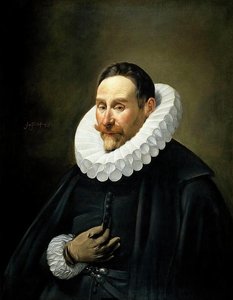
fray juan bautista maino
1581 - 1649 , Mexico
Quick Facts
- Artistic Movement Or Style: Baroque
- Artists Or Movements Influenced By This Artist: ['Diego Velázquez']
- Artists Who Influenced This Artist:
- El Greco
- Caracci
- Guidi Reno
- Date Of Birth: 1581 Guadalajara Mexico
- Date Of Death: 1649
- Full Name: Juan Bautista Maino
- Nationality: Spanish
- Notable Artworks:
- Adoration of the Magi
- The Adoration of the Shepherds
- Place Of Birth: Guadalajara Mexico

