 Preview
 Send
Send Share
Share
 Details

 Download
 Similars
 X-Ray
X-Ray Diaporama
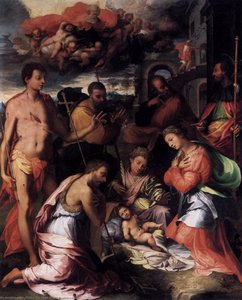
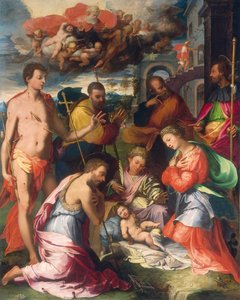
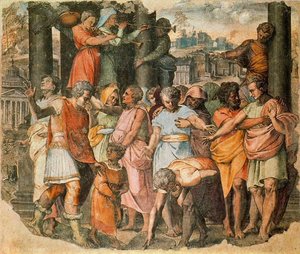
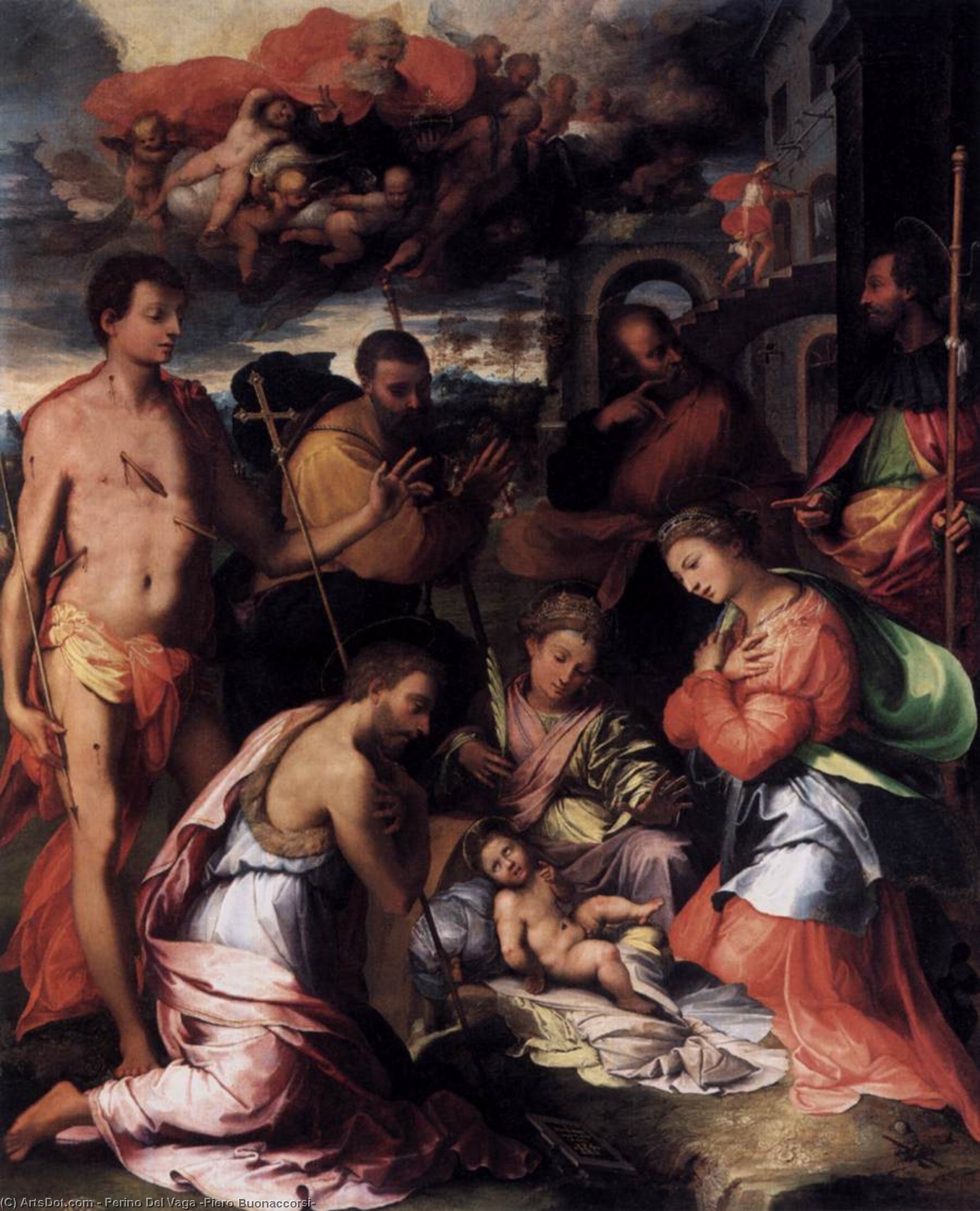
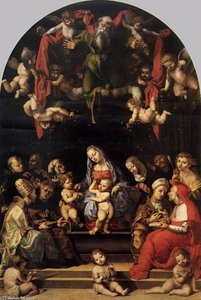
Adoration of the Child
 Acrylic On Canvas
- WallArt
- Mannerist Style
 1534
1534 274.0 x 221.0 cm
 National Gallery of Art
 Read More
Hand Made Oil Reproduction
Hand-painted oil on canvas in your size and frame, made to order by our artists. ( Buy Print Buy Image)




P118B $10

P118H $10

P118W $10

P438Z $10

P508JH $12

P508YH $12

P805H $10

P805Z $10

P919BZ $10

P919G $10

P919XJ $10

P959ZH $10

P968JZ $12

W106C $8

W218G $10

W218JH $8

W218Y $10

W307PJ $10

W316G $10

W316PJ $8

W316Y $10

W398PJ $8

W4111J $10

W500HY $15

W500JH $15

W692G $12

W849H $8

W940BG $15

W953PJ $8




Pick from our preset sizes that match the artwork's original proportions.

You may enter your own dimensions to fit a specific frame or space. If your selected size does not match the original image's proportions, we will either crop the artwork or extend the painting with additional hand-painted elements. A digital mockup will be sent for your approval before production begins.
Please note that the on-screen preview does not reflect the actual cropping or extension. Only the mockup will accurately show the final composition.
While custom sizes are available, we recommend selecting a dimension from the predefined list to preserve the original proportions.
After order, ArtsDot.com team will email client for instructions and provide a mockup preview
Worldwide Delivery () in 3/4 weeks instead of standard 5 weeks. (16 August). No compromise on quality.

Free Worldwide Express Shipping

High-Quality Linen Canvas

Full Shipping Insurance

Customs Tax Refund Guarantee

True Color Matching Guarantee

60-Day Return Policy (Defects Only)

100% Money-Back Guarantee

Bulk Discount Offer
 Glass option is only available in size under 110 CM

Adoration of the Child
Reproduction Medium
Reproduction Size
-


Total Price
$ 263
Artwork Description
A Silent Masterpiece: Exploring Perino del Vaga’s ‘Adoration of the Child’
The fresco “Adoration of the Child,” executed by Pietro Buonaccorsi, universally known as Perino del Vaga (1501 – October 19, 1547), stands as a testament to the final flourish of Mannerist art in Florence and beyond. Though biographical details surrounding Del Vaga remain elusive—the moniker “Vaga,” hinting at a restless artistic spirit—his legacy is secured by his monumental commissions, notably the lavish frescoes adorning Genoa and Pistoia, establishing him as one of the era’s foremost decorators and arguably its most subtly influential painter. This artwork isn't merely decorative; it embodies a profound meditation on faith, humility, and divine grace, reflecting the anxieties and aspirations of a period grappling with religious upheaval.The Style of Mannerism: Elegance Amidst Uncertainty
Del Vaga’s artistic vision firmly anchors itself within the Mannerist movement, a stylistic reaction against the idealized beauty championed by Raphael and Michelangelo. Unlike its predecessors, Mannerism prioritized expressive distortion—a deliberate departure from naturalistic representation—to convey psychological complexity and emotional intensity. Observe how figures are subtly elongated, poses are stylized, and drapery folds cascade with an unsettling fluidity. This isn’t about capturing a precise likeness; it's about conveying feeling – reverence, awe, and perhaps even apprehension – through carefully crafted visual cues. The artist eschews harmonious balance for dynamic asymmetry, creating a scene that vibrates with restrained energy.Technical Brilliance: Layered Illusionism and Delicate Color Palette
Del Vaga’s mastery is evident in his meticulous technique. He employed illusionistic painting—a cornerstone of Mannerist practice—creating the impression of depth and spatial realism through painstaking layering of pigments and glazing techniques. The fresco's vibrant color palette, dominated by reds, blues, greens, yellows, and whites, contributes significantly to its emotive power. Notice how Del Vaga skillfully utilizes chiaroscuro – dramatic contrasts between light and dark – to sculpt form and heighten the sense of drama within the composition. The luminous white garment worn by the infant symbolizes purity and holiness, drawing the viewer’s eye towards the central figure and reinforcing the painting's spiritual core.Historical Context: Florence Under Turbulent Skies
Painted in 1534, “Adoration of the Child” emerges from a period marked by significant religious turbulence. The Protestant Reformation was gaining momentum across Europe, challenging papal authority and reshaping theological discourse. Within this context, Del Vaga’s depiction of piety and devotion speaks to a yearning for stability amidst uncertainty—a desire to reaffirm faith in the face of doctrinal disputes. Furthermore, the fresco reflects the patronage of influential families like the Durazzo Visconti, who commissioned monumental artworks to assert their prestige and reinforce their spiritual convictions.Symbolism: Reverence and Divine Majesty
The scene itself is laden with symbolic significance. The multitude of figures surrounding the infant embodies humanity’s collective adoration of God incarnate. Their gestures of reverence—kneeling, bowing, offering gifts—underscore the importance of humility before divine majesty. The careful arrangement of drapery and architectural elements contributes to a sense of grandeur and solemnity, elevating the depiction beyond mere representation into a profound meditation on faith and spirituality. Del Vaga’s subtle artistry ensures that “Adoration of the Child” continues to resonate with viewers centuries later, reminding us of the enduring power of art to convey timeless truths.Related Artworks
Artist Biography
The Wandering Spirit of the Florentine Renaissance
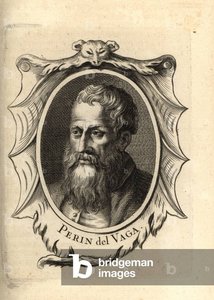
Pietro Buonaccorsi, known to history through the evocative moniker Perino del Vaga, remains one of the most captivating figures of the transition from the High Renaissance to the intricate complexities of Mannerism. Born in Florence around 1501 into a lineage of artistic talent, his very name—Vaga, meaning wandering or idle—suggests a restless creative energy that would eventually carry him far beyond the borders of his native Tuscany. While his early years were rooted in the humanist traditions of Florence, his artistic soul was forged through a series of profound encounters and migrations that allowed him to weave together the disparate threads of Italian art into a singular, decorative brilliance.
His formative training began under the watchful eye of Ridolfo Ghirlandaio, where he mastered the foundational principles of Florentine clarity and anatomical precision. Yet, it was an encounter with a mysterious mentor, often referred to simply as il Vaga, that truly ignited his fascination with the theatrical and the illusionistic. This early mentorship instilled in him a lifelong devotion to the art of decoration, teaching him how to manipulate space and light to transform flat surfaces into windows of infinite depth. As he matured, Perino’s work began to reflect a sophisticated understanding of quadratura, the technique of using architectural perspective to deceive the eye, a skill that would later make him indispensable to the great patrons of Italy.
A Journey Through Power and Patronage
The trajectory of Perino’s career is a map of the most influential courts of the sixteenth century. His early successes in Florence, working on prestigious commissions for the Medici family, established him as a master of aristocratic grandeur. His ability to decorate the monumental spaces of the Palazzo Vecchio and design intricate tapestries demonstrated a versatility that caught the attention of the Roman elite. By approximately 1530, Perino had relocated to Rome, a move that would redefine his artistic destiny. In the shadow of the Vatican, he found a powerful protector in Cardinal Alessandro Farnese III, whose patronage allowed Perino to engage with the most ambitious architectural and decorative projects of the age.
During his Roman period, Perino became a vital contributor to the visual identity of the Papal court. His hand can be seen embellishing the magnificent Palazzo Farnese and contributing to the monumental task of decorating St. Peter’s Basilica. In these sacred and secular halls, he applied the principles of Mannerism—elongated forms, complex poses, and a vibrant, sometimes jarring color palette—to create environments that were as much about emotional impact as they were about religious devotion. His work during this era represents a bridge between the balanced harmony of the previous century and the expressive, often restless energy of the burgeoning Mannerist movement.
Legacy of the Master Decorator
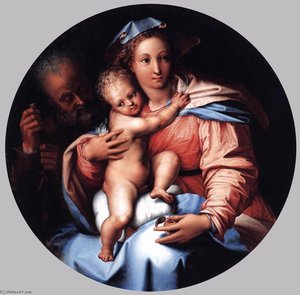
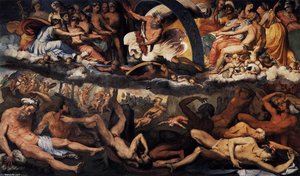
Beyond the walls of Rome, Perino’s influence stretched into the maritime strength of Genoa and the historic centers of Pistoia. His frescoes in these cities serve as enduring testaments to his ability to command large-scale narratives. Whether depicting the celestial grace of a Madonna with Child or the dramatic tension found in works like The Fall of the Giants, Perino possessed a unique talent for blending the monumental with the delicate. His mastery of perspective, inspired by the architectural innovations of Andrea Palladio and the muscular dynamism of Michelangelo, allowed him to create spaces that felt both physically imposing and spiritually transcendent.
The historical significance of Perino del Vaga lies in his role as a primary architect of the Mannerist aesthetic. He did not merely paint figures; he designed atmospheres. His ability to integrate painting with architecture, creating seamless transitions between reality and illusion, left an indelible mark on the decorative arts of Europe. Though his life was cut short in 1547, the legacy of his wandering brush remains visible in the grand palaces and sacred basilicas of Italy, reminding us of a master who could turn stone and plaster into living, breathing drama.
perino del vaga (piero buonaccorsi)
1501 - 1547 , Italy
Quick Facts
- Artistic Movement Or Style: Mannerist Painting
- Artists Who Influenced This Artist:
- Andrea Doria
- Ridolfo Ghirlandaio
- Date Of Birth: Florence, Italy (1501)
- Date Of Death: October 19, 1547
- Full Name: Piero Buonaccorsi
- Nationality: Italian
- Notable Artworks:
- Madonna with Child
- North Façade of the Villa Doria
- Adoration of the Child
- Place Of Birth: Florence
Related Articles

The Fresco as Family Legacy: Preserving Heritage Through Wall Art
Explore the rich history & enduring legacy of fresco painting. Discover how to preserve family heritage through stunning wall art. Expert insights & restoration guidance.

The Enduring Legacy of Fresco: Technique, History & Artistic Expression Across Cultures
Explore the rich history & enduring legacy of fresco painting! Discover ancient techniques, Giotto's masterpieces, and modern applications. Expert insights for art lovers & professionals.

The Enduring Legacy of Fresco Painting: Techniques, History & Contemporary Relevance
Explore the rich history & enduring artistry of fresco painting – from Giotto to Michelangelo! Discover techniques, conservation efforts, & modern applications. Learn how ArtsDot brings this timeless art form to your home.
The Enduring Legacy of Fresco: Technique, History & Artistic Expression
Explore the rich history & enduring artistry of fresco painting. Discover techniques from Giotto to Michelangelo, conservation efforts, & modern applications. Learn how ArtsDot brings this timeless art form to your home.
Art That Lives With You: The Emotional Power of a Custom Interior Fresco
Discover the emotional power & timeless beauty of custom interior frescoes. Explore history, design tips & expert guidance from – creating lasting legacies.