 Preview
 Send
Send Share
Share
 Details

 Download
 Similars
 X-Ray
X-Ray Diaporama
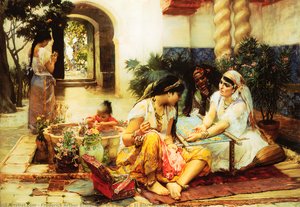
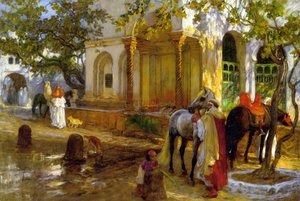
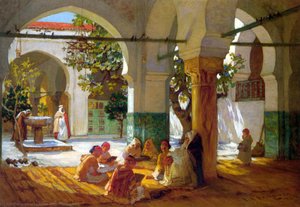

In a Village, El Biar, Algeria


 Read More
Hand Made Oil Reproduction
Hand-painted oil on canvas in your size and frame, made to order by our artists. ( Buy Print Buy Image)




P118B $10

P118H $10

P118W $10

P438Z $10

P508JH $12

P508YH $12

P805H $10

P805Z $10

P919BZ $10

P919G $10

P919XJ $10

P959ZH $10

P968JZ $12

W106C $8

W218G $10

W218JH $8

W218Y $10

W307PJ $10

W316G $10

W316PJ $8

W316Y $10

W398PJ $8

W4111J $10

W500HY $15

W500JH $15

W692G $12

W849H $8

W940BG $15

W953PJ $8




Pick from our preset sizes that match the artwork's original proportions.

You may enter your own dimensions to fit a specific frame or space. If your selected size does not match the original image's proportions, we will either crop the artwork or extend the painting with additional hand-painted elements. A digital mockup will be sent for your approval before production begins.
Please note that the on-screen preview does not reflect the actual cropping or extension. Only the mockup will accurately show the final composition.
While custom sizes are available, we recommend selecting a dimension from the predefined list to preserve the original proportions.
After order, ArtsDot.com team will email client for instructions and provide a mockup preview
Worldwide Delivery () in 3/4 weeks instead of standard 5 weeks. (18 August). No compromise on quality.

Free Worldwide Express Shipping

High-Quality Linen Canvas

Full Shipping Insurance

Customs Tax Refund Guarantee

True Color Matching Guarantee

60-Day Return Policy (Defects Only)

100% Money-Back Guarantee

Bulk Discount Offer
 Glass option is only available in size under 110 CM

In a Village, El Biar, Algeria
Reproduction Medium
Reproduction Size
-


Total Price
$ 263
Artwork Description
A Window into the Serenity of El Biar
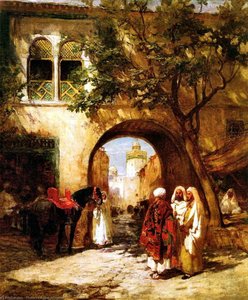
In his 1889 masterpiece, In a Village, El Biar, Algeria, Frederick Arthur Bridgman invites the viewer to step through a portal of time and geography. The canvas unfolds upon a sun-drenched stone patio, where the heat of the North African day seems to soften into a gentle, rhythmic stillness. At the heart of this composition, three women are gathered in an intimate moment of shared connection, their presence anchoring the scene with a profound sense of tranquility. One woman, draped in a vibrant yellow dress that catches the light like a burst of citrus, gazues thoughtfully toward the periphery, while her companions—clad in soft whites and delicate pinks—engage in a quiet, melodic conversation. The arrangement of these figures around a table adorned with a floral vase creates a domestic tableau that feels both deeply personal and universally relatable, capturing the quiet dignity of everyday life.
Bridgman’s technical mastery is on full display through his sophisticated use of oil on canvas, a medium he utilized to weave rich textures and luminous colors into a cohesive narrative. The artist employs a brilliant interplay of light and shadow to define the architectural elements of the Algerian village; the cool shade of an inviting archway provides a striking contrast to the sun-lit patio, drawing the eye deeper into the courtyard where other figures linger in the distance. His brushwork is meticulous, particularly in the intricate patterns of the women's garments and the weathered grain of the stone architecture, yet there remains a painterly fluidity that prevents the detail from feeling static. This balance between academic precision and atmospheric softness allows the viewer to feel the warmth of the sun and the gentle breeze moving through the lush greenery of the potted plants.
The Orientalist Vision and Lasting Legacy
As a prominent figure in the Orientalist movement, Bridgman brought an American sensibility to the academic traditions he refined in Paris under the legendary Jean-Léon Gérôme. This painting serves as more than just a scenic depiction; it is a cultural window into the late 19th-century Maghreb, reflecting the artist's fascination with the exoticism and structural beauty of foreign lands. Through his lens, Algeria is not merely a subject of study but a living, breathing landscape of social harmony and aesthetic splendor. The symbolism of the blooming flowers and the communal gathering suggests themes of fertility, peace, and the enduring strength of community traditions.
For the discerning collector or interior designer, In a Village, El Biar, Algeria offers an unparalleled opportunity to introduce a sense of historical depth and worldly elegance into a living space. The painting’s warm palette and tranquil subject matter make it a versatile centerpiece, capable of anchoring a room with its sophisticated charm. Whether displayed in a sunlit gallery or a quiet study, a high-quality reproduction of this work serves as a continuous conversation piece—a testament to the beauty of human connection and the timeless allure of the Mediterranean spirit. Owning such a piece is not merely about decorating a wall; it is about preserving a fragment of art history that continues to inspire wonder and repose.
Related Artworks

Artist Biography
early life and training
frederick arthur bridgman, an american artist, was born on november 10, 1847, in tuskegee, alabama. as the son of a physician, bridgman's early life was marked by a strong emphasis on education. he began his artistic journey as a draughtsman in new york city for the american bank note company (1864-65). this period was followed by studies at the brooklyn art association and the national academy of design.parisian influences
in 1866, bridgman traveled to paris, where he entered the studio of jean-léon gérôme, a noted academic painter. gérôme's influence on bridgman was profound, shaping his draftsmanship, finish, and interest in middle eastern themes. this period marked the beginning of bridgman's association with paris, which would become his headquarters.artistic career highlights
- the funeral procession of a mummy on the nile (1877), showcased at the paris salon, earned bridgman the cross of the legion of honor. this piece was later purchased by james gordon bennett jr. and eventually donated to the speed museum in louisville, kentucky. - a prolific artist, bridgman's work includes a street scene in algeria, notable for its biographical and historical significance, featuring two seated male figures in an intimate domestic setting.legacy and later life
bridgman maintained a lifelong connection to france while enjoying popularity in america. a one-man show of over 400 pictures in new york's 5th avenue galleries (1890) and later at chicago's art institute, with 300 works, underscored his success.- view frederick arthur bridgman's artworks on ArtsDot
- explore the orientalist art movement and its influence on 19th-century artists.
- discover more about jean-léon gérôme's studio and its impact on the development of orientalist art.
notable works and collections
- an american circus in normandy - procession of the bull apis (now in the corcoran gallery of art, washington, d.c.) - a rumanian lady (in the temple collection, philadelphia, pennsylvania) recent sales: works by bridgman have sold at auction for $250,000 usd to $350,000 usd.references
- wikipedia: frederick arthur bridgman - view the greatest artists of all time on ArtsDot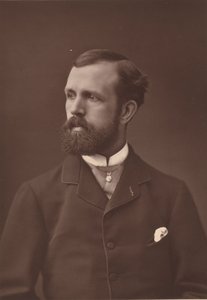
Frederick Arthur Bridgman
1847 - 1928 , United States of America
Quick Facts
- Artistic Movement Or Style: Orientalism
- Artists Or Movements Influenced By This Artist: ['Academic Art']
- Artists Who Influenced This Artist: ['Jean-Léon Gérôme']
- Date Of Birth: November 10, 1847
- Date Of Death: January 13, 1928
- Full Name: Frederick Arthur Bridgman
- Nationality: American
- Notable Artworks:
- The Funeral Procession of a Mummy on the Nile
- An American Circus in Normandy
- Procession of the Bull Apis
- Place Of Birth: Tuskegee, Alabama
Related Articles

The Enduring Legacy of Oil on Canvas: Technique, History & Aesthetic Impact
Explore the rich history & techniques of oil painting – from Renaissance masters to Impressionism. Discover pigments, layering methods, and why this timeless medium endures. Expert insights for artists & art enthusiasts.

The Enduring Power of Painting: A Historical & Contemporary Exploration of Form and Emotion
Explore the rich history & enduring techniques of oil painting with ArtsDot. Discover masterpieces, learn about art collecting, and find authentic handmade reproductions crafted by skilled artists.

Oil on Canvas: A Historical & Technical Exploration of a Timeless Artistic Medium
Explore the rich history & enduring techniques of oil painting on canvas. Discover the science behind its longevity, conservation practices, and contemporary relevance. Expert insights for art enthusiasts.
The Enduring Muse: Women as Subject & Symbol in Art History
Explore the rich history of women in art – from iconic muses to groundbreaking artists. Discover feminist movements, global perspectives & reclaim female narratives with ArtsDot.
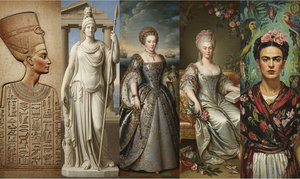
Portrayals of Power & Perception: A Historical Survey of Women in Art
Explore the rich history of women in art – from iconic muses to groundbreaking artists. Discover feminist movements & reclaim female narratives with ArtsDot. Expert insights for discerning collectors.