 Preview
 Send
Send Share
Share
 Details

 Download
 Similars
 X-Ray
X-Ray Diaporama
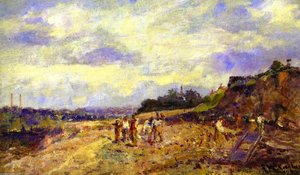
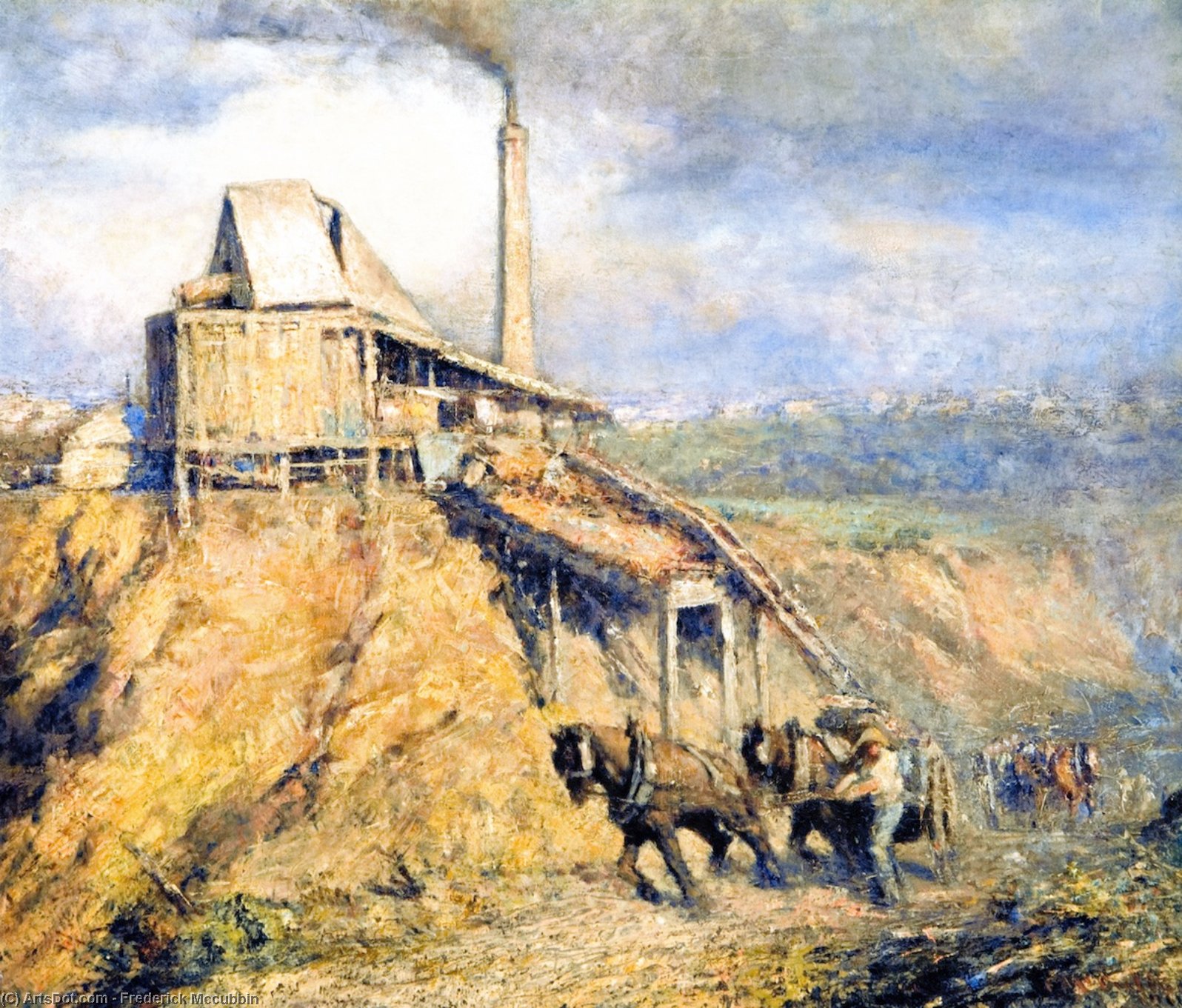
The Old Stone Crusher (also known as The Quarry)


 Read More
Hand Made Oil Reproduction
Hand-painted oil on canvas in your size and frame, made to order by our artists. ( Buy Print Buy Image)




P118B $10

P118H $10

P118W $10

P438Z $10

P508JH $12

P508YH $12

P805H $10

P805Z $10

P919BZ $10

P919G $10

P919XJ $10

P959ZH $10

P968JZ $12

W106C $8

W218G $10

W218JH $8

W218Y $10

W307PJ $10

W316G $10

W316PJ $8

W316Y $10

W398PJ $8

W4111J $10

W500HY $15

W500JH $15

W692G $12

W849H $8

W940BG $15

W953PJ $8




Pick from our preset sizes that match the artwork's original proportions.

You may enter your own dimensions to fit a specific frame or space. If your selected size does not match the original image's proportions, we will either crop the artwork or extend the painting with additional hand-painted elements. A digital mockup will be sent for your approval before production begins.
Please note that the on-screen preview does not reflect the actual cropping or extension. Only the mockup will accurately show the final composition.
While custom sizes are available, we recommend selecting a dimension from the predefined list to preserve the original proportions.
After order, ArtsDot.com team will email client for instructions and provide a mockup preview
Worldwide Delivery () in 3/4 weeks instead of standard 5 weeks. (17 August). No compromise on quality.

Free Worldwide Express Shipping

High-Quality Linen Canvas

Full Shipping Insurance

Customs Tax Refund Guarantee

True Color Matching Guarantee

60-Day Return Policy (Defects Only)

100% Money-Back Guarantee

Bulk Discount Offer
 Glass option is only available in size under 110 CM

The Old Stone Crusher (also known as The Quarry)
Reproduction Medium
Reproduction Size
-


Total Price
$ 263
Artwork Description
The Old Stone Crusher (also known as The Quarry) – A Portrait of Rural Labor and Australian Identity
Frederick McCubbin’s “The Old Stone Crusher,” painted in 1911, stands as a quintessential example of the Heidelberg School’s artistic vision—a movement that championed realism alongside lyrical Impressionism to capture the spirit of Australia’s burgeoning landscape. Currently residing at the Art Gallery of South Australia in Adelaide, this oil on canvas masterpiece transcends mere depiction; it embodies a profound meditation on rural life and its role in shaping the nation's cultural consciousness.
Subject Matter and Setting: The painting transports viewers to Burnley Quarry, Victoria—a site vital for supplying basalt stone used extensively in Melbourne’s construction projects. McCubbin meticulously portrays a scene of industrious labor: men hauling heavy loads from a stone crusher atop a hill, accompanied by horses diligently transporting materials. This juxtaposition isn't accidental; it speaks directly to the realities of Australian settlement and the importance of manual labor in building a prosperous nation.
Style and Technique – Heidelberg School Aesthetics: McCubbin’s stylistic approach aligns perfectly with the Heidelberg School’s ethos—characterized by diffused light, muted color palettes, and an unwavering commitment to capturing the essence of the Australian bush. He employs a technique rooted in observation and meticulous layering. Initial sketches established a warm tonal base using pigments like sienna and white, followed by gradual application of color through knife painting – a method favored by McCubbin himself—resulting in translucent glazes that reveal underlying hues. This painstaking process ensured maximum fidelity to the natural world while simultaneously conveying an atmosphere of quiet contemplation.
Symbolism and Emotional Resonance: Beyond its visual representation, “The Old Stone Crusher” carries symbolic weight. The crushed stone symbolizes both physical toil and the transformative power of industry—a force shaping the Australian landscape. Simultaneously, the horses embody a connection to the pastoral past, representing Australia’s agricultural heritage alongside the burgeoning urban center. McCubbin's masterful use of light and shadow contributes significantly to the painting's emotional impact, fostering a sense of melancholy beauty that lingers long after viewing.
Comparisons with Other Artists: While influenced by artists like Hans Heysen who focused on geological formations, McCubbin’s work distinguishes itself through its portrayal of human activity within the landscape. His son Louis McCubbin noted that McCubbin's technique involved “scumbles” – applying pigment thinly to create a luminous effect—a method mirroring those employed by Impressionist painters like Claude Monet. The painting’s acquisition by the Art Gallery of South Australia in 1943 underscores its enduring significance as a cornerstone of Australian art history.
Further Exploration: For deeper insights into Frederick McCubbin and his artistic legacy, visit ArtsDot.com to discover more about his oeuvre and explore reproductions of his celebrated works.
Related Artworks

Artist Biography
A Life Rooted in the Australian Landscape
Frederick McCubbin, born in Melbourne on February 25th, 1855, stands as a cornerstone of Australian art, inextricably linked to the nation’s evolving identity and its unique visual language. His journey from humble beginnings – the son of bakers who instilled in him a strong work ethic – to becoming a pivotal figure in the Heidelberg School is a testament to his dedication and artistic vision. McCubbin's early life was marked by diverse experiences, working as a solicitor’s clerk and assisting in the family bakery before fully embracing his calling as a painter. These formative years, though seemingly disparate, imbued him with a deep understanding of everyday Australian life, a theme that would resonate profoundly throughout his oeuvre. He received foundational training at the National Gallery of Victoria's School of Design, studying under esteemed artists like Eugene von Guerard and George Folingsby, honing his skills in landscape painting while absorbing the prevailing artistic currents of the time. A crucial turning point arrived with his enduring friendship with Tom Roberts, a bond that would shape the course of Australian art history.The Heidelberg School and Defining a National Aesthetic
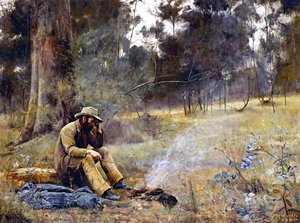
In 1885, McCubbin and Roberts established the Box Hill Artists' Camp, a landmark event in the development of the Heidelberg School movement. This plein air collective – soon joined by Arthur Streeton and Charles Conder – sought to capture the essence of Australian life and landscapes with an unprecedented immediacy and authenticity. Rejecting the conventions of European academic painting, they ventured into the bush, embracing the raw beauty and harsh realities of the Australian environment. McCubbin’s contributions during this period were instrumental in defining a distinctly Australian aesthetic. His works from this era, such as Down on His Luck (1889), On the Wallaby Track (1896), and The Pioneer (1904), are now iconic representations of pioneering life, depicting the struggles and resilience of early settlers against the backdrop of a vast and often unforgiving landscape. These paintings weren’t merely depictions of scenery; they were narratives imbued with social commentary, exploring themes of solitude, hardship, and the complex relationship between European settlers and the Indigenous land. Heidelberg School artists aimed to paint what was uniquely Australian, moving away from imported styles and subjects.Evolution of Style and a Continued Exploration of Identity
While deeply committed to capturing the spirit of Australia, McCubbin wasn’t immune to external influences. A pivotal journey to Europe in 1907 exposed him to the works of J.M.W. Turner and French Impressionists, prompting a subtle yet significant shift in his artistic approach. He began experimenting with freer brushwork, lighter colors, and a more abstracted style, evident in later paintings like An Interior, which many critics consider among his strongest achievements. This evolution wasn’t a rejection of his earlier themes but rather a refinement of his ability to convey emotion and atmosphere. Despite these stylistic changes, McCubbin remained steadfast in his exploration of Australian identity and the human condition. He continued to depict scenes of rural life, often focusing on the interplay between light and shadow, creating works that are both visually stunning and emotionally resonant. His later landscapes demonstrate a growing interest in atmospheric effects and a more subjective interpretation of the natural world.Legacy and Enduring Influence
Frederick McCubbin’s impact on Australian art is undeniable. His work is held in prestigious collections, including the National Gallery of Victoria and the Art Gallery of Ballarat, ensuring his legacy endures for generations to come. He served as a mentor to countless aspiring artists, both through his teaching position at the National Gallery School and through his influence as a leading figure in the art community. He was president of the Victorian Artists’ Society and played a key role in establishing the Australian Art Association. McCubbin's contribution extends beyond his individual paintings; he helped establish a national artistic identity, fostering a sense of pride in Australia’s unique landscape and culture. He remains celebrated as one of Australia's most important and beloved painters, whose works continue to resonate with audiences today, offering poignant glimpses into the nation’s past and enduring reflections on the human spirit. His ability to capture the essence of Australian life – its beauty, hardship, and resilience – has cemented his place in art history as a true pioneer and visionary.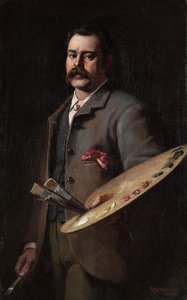
Frederick McCubbin
1855 - 1917 , Australia
Quick Facts
- Artistic Movement Or Style: Impressionism
- Artists Or Movements Influenced By This Artist: ['Heidelberg School']
- Artists Who Influenced This Artist:
- Eugene von Guerard
- George Folingsby
- Date Of Birth: Feb 25, 1855
- Date Of Death: Dec 20, 1917
- Full Name: Frederick McCubbin
- Nationality: Australian
- Notable Artworks:
- On the Wallaby Track
- Down on His Luck
- The Pioneer
- Place Of Birth: Melbourne, Australia
Related Articles

Beyond the Horizon: 10 Landscape Masterpieces for Your Home Decor
Journey through 10 breathtaking landscape paintings by Monet, Van Gogh & more! Explore iconic artworks, artistic techniques & find inspiration for your home decor. Museum-quality reproductions at ArtsDot.com. Discover all masterpieces on ArtsDot.com

John Constable's Masterpieces: Explore 25 Iconic Landscapes for Your Home
Journey through John Constable's 25 most celebrated landscapes. Explore Romanticism, Dedham Vale & his masterful use of light in iconic paintings like 'Hay Wain'. Find museum-quality art reproductions and elevate your home decor on ArtsDot.com.

Cultivating Visions: A Historical Journey Through Rural Landscapes in Art
Explore the rich history of rural landscape painting with ArtsDot. Discover Impressionist masterpieces, key artists & movements. Find your perfect serene artwork and bring nature's beauty home.

Romantic Landscapes: 10 Masterpieces for Your Home | ArtsDot
Journey through 10 Romantic landscape masterpieces by Friedrich, Turner & Cole. Explore emotional art, sublime nature scenes & iconic 19th-century paintings. Find museum-quality reproductions for your home at ArtsDot.com – discover the full collection online!
Evoking Nature's Sublime: A Comprehensive Exploration of 19th-Century Landscape Painting
Explore the captivating world of 19th-century landscape painting! Discover renowned artists like Friedrich & Monet, key movements, and find the perfect artwork to bring nature's serenity into your home. Expert insights at ArtsDot.