 Preview
 Send
Send Share
Share
 Details

 Download
 Similars
 X-Ray
X-Ray Diaporama
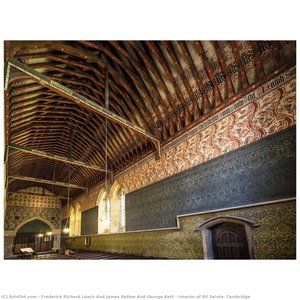
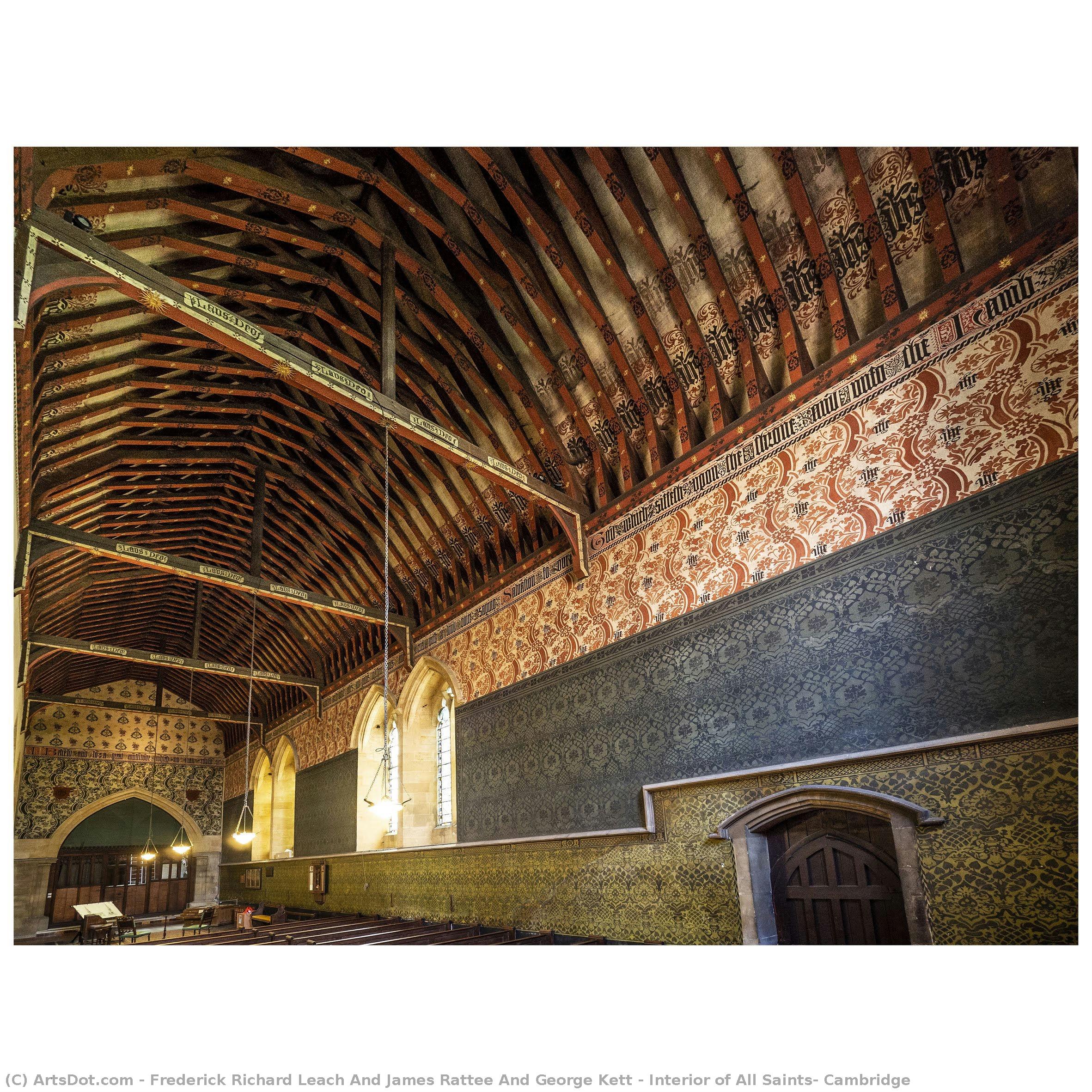
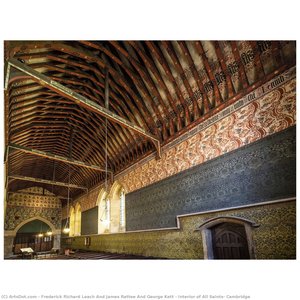
Interior of All Saints, Cambridge


 Read More
Hand Made Oil Reproduction
Hand-painted oil on canvas in your size and frame, made to order by our artists. ( Buy Print Buy Image)




































Pick from our preset sizes that match the artwork's original proportions.

You may enter your own dimensions to fit a specific frame or space. If your selected size does not match the original image's proportions, we will either crop the artwork or extend the painting with additional hand-painted elements. A digital mockup will be sent for your approval before production begins.
Please note that the on-screen preview does not reflect the actual cropping or extension. Only the mockup will accurately show the final composition.
While custom sizes are available, we recommend selecting a dimension from the predefined list to preserve the original proportions.
After order, ArtsDot.com team will email client for instructions and provide a mockup preview
Worldwide Delivery () in 3/4 weeks instead of standard 5 weeks. (31 August). No compromise on quality.

Free Worldwide Express Shipping

High-Quality Linen Canvas

Full Shipping Insurance

Customs Tax Refund Guarantee

True Color Matching Guarantee

60-Day Return Policy (Defects Only)

100% Money-Back Guarantee

Bulk Discount Offer
 Glass option is only available in size under 110 CM

Interior of All Saints, Cambridge
Reproduction Medium
Reproduction Size
-


Total Price
$ 263
Related Artworks




Artist Biography
The Collaborative Vision of Leach, Rattee & Kett: Charting the Seas of Victorian Marine Painting
Frederick Richard Leach, James Rattee, and George Kett represent a fascinating, yet often overlooked, chapter in the history of 19th-century British marine painting. While not household names like Turner or Stanhope Alexander Forbes, their collective output – largely produced through a highly specialized collaborative practice – captured the dynamism and romance of the Victorian era’s relationship with the sea. Their story isn't one of individual genius, but rather of skillful specialization and efficient production that catered to a burgeoning market hungry for depictions of naval power, coastal life, and dramatic maritime events. Understanding their work requires acknowledging this unique partnership, which allowed them to fulfill an extraordinary volume of commissions while maintaining a consistent level of quality and detail.A Division of Labor: The Mechanics of Collaboration
The precise details of the Leach, Rattee & Kett collaboration remain somewhat shrouded in historical documentation, but research suggests a remarkably defined division of labor. Frederick Richard Leach (1813-1896) is generally considered to have been the primary compositional force – responsible for establishing the overall design and narrative of each painting. He possessed a strong understanding of perspective and atmospheric effects, laying down the foundational structure upon which the other artists would build. James Rattee (dates unknown), was the master of ships; his expertise lay in rendering vessels with meticulous accuracy, from the rigging and sails to the hull details and flags. Finally, George Kett (active 1850s-1870s) specialized in the sea itself – the waves, foam, light reflections, and turbulent weather conditions that brought a sense of realism and drama to their canvases. This tripartite arrangement allowed for an efficient workflow; Leach would create sketches or initial oil studies, Rattee would add the ships with unparalleled precision, and Kett would complete the paintings by focusing on the atmospheric elements. It’s important to note this wasn't simply assembly-line art. The artists clearly worked in close communication, adjusting and refining each other’s contributions to achieve a cohesive final product.Themes and Influences: Reflecting Victorian Maritime Culture
The subject matter of Leach, Rattee & Kett’s paintings is deeply rooted in the Victorian era's fascination with the sea. The British Empire was at its zenith during this period, and naval dominance was a source of national pride. Consequently, many of their works depict warships engaged in heroic actions – battles, rescues, or simply majestic displays of power. However, they also produced numerous scenes of coastal life: bustling harbors, fishing boats braving rough seas, and elegant yachts gliding across calm waters. Their paintings often reflect the romanticized view of naval life prevalent at the time, portraying sailors as brave and resourceful figures. Influences are readily apparent in their work, drawing heavily from the traditions established by earlier marine painters like William Clarkson Stanfield and J.M.W. Turner. While they lacked Turner’s groundbreaking experimentation with light and color, they skillfully adopted his atmospheric techniques to create dramatic skies and evocative seascapes. The meticulous detail of Rattee's ships also owes a debt to the Dutch masters of maritime painting from the 17th century, known for their precise renderings of vessels.Major Achievements & Historical Significance
While individual paintings are rarely attributed solely to one artist within the collaboration, the collective body of work produced by Leach, Rattee & Kett is significant for its sheer volume and consistent quality. They catered to a wide clientele, including wealthy ship owners, naval officers, and art collectors. Their works were frequently exhibited at prestigious venues such as the Royal Academy and the British Institution, gaining them recognition within the artistic community. Their paintings provide valuable insights into Victorian maritime culture, documenting the types of ships used during this period, naval tactics, and coastal landscapes. They also offer a glimpse into the aesthetic preferences of the time – a desire for dramatic realism combined with romanticized narratives. Today, their works are increasingly sought after by collectors interested in 19th-century British art, representing an important, if often overlooked, aspect of Victorian painting. The collaborative nature of their practice challenges traditional notions of artistic authorship and highlights the importance of specialization within the art market of the period.Legacy & Continued Appreciation
The legacy of Leach, Rattee & Kett lies not in revolutionary innovation but in their mastery of a specific genre and their ability to meet the demands of a thriving art market. Their paintings continue to captivate viewers with their dramatic compositions, meticulous detail, and evocative depictions of the sea.- Their work serves as a valuable historical record, documenting aspects of Victorian maritime life that might otherwise have been lost.
- The collaborative aspect of their practice offers a unique case study in artistic production and specialization.
- They represent the skill and craftsmanship of British artists during a period of significant naval power and imperial expansion.
Quick Facts
- Artistic Movement Or Style: Engraving and Illustration
- Date Of Death: Living
- Full Name: Frederick Richard Leach, James Rattee & George Kett
- Notable Artworks:
- Illustrations for The Boy's Own Paper
- Various Engravings
- Book Illustrations