 Preview
 Send
Send Share
Share
 Details

 Download
 Similars
 X-Ray
X-Ray Diaporama
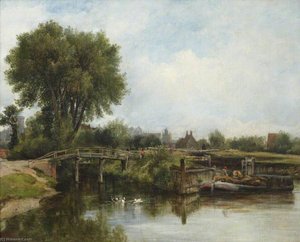
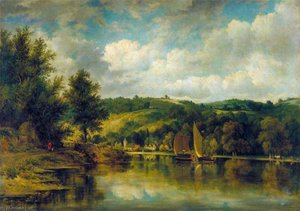
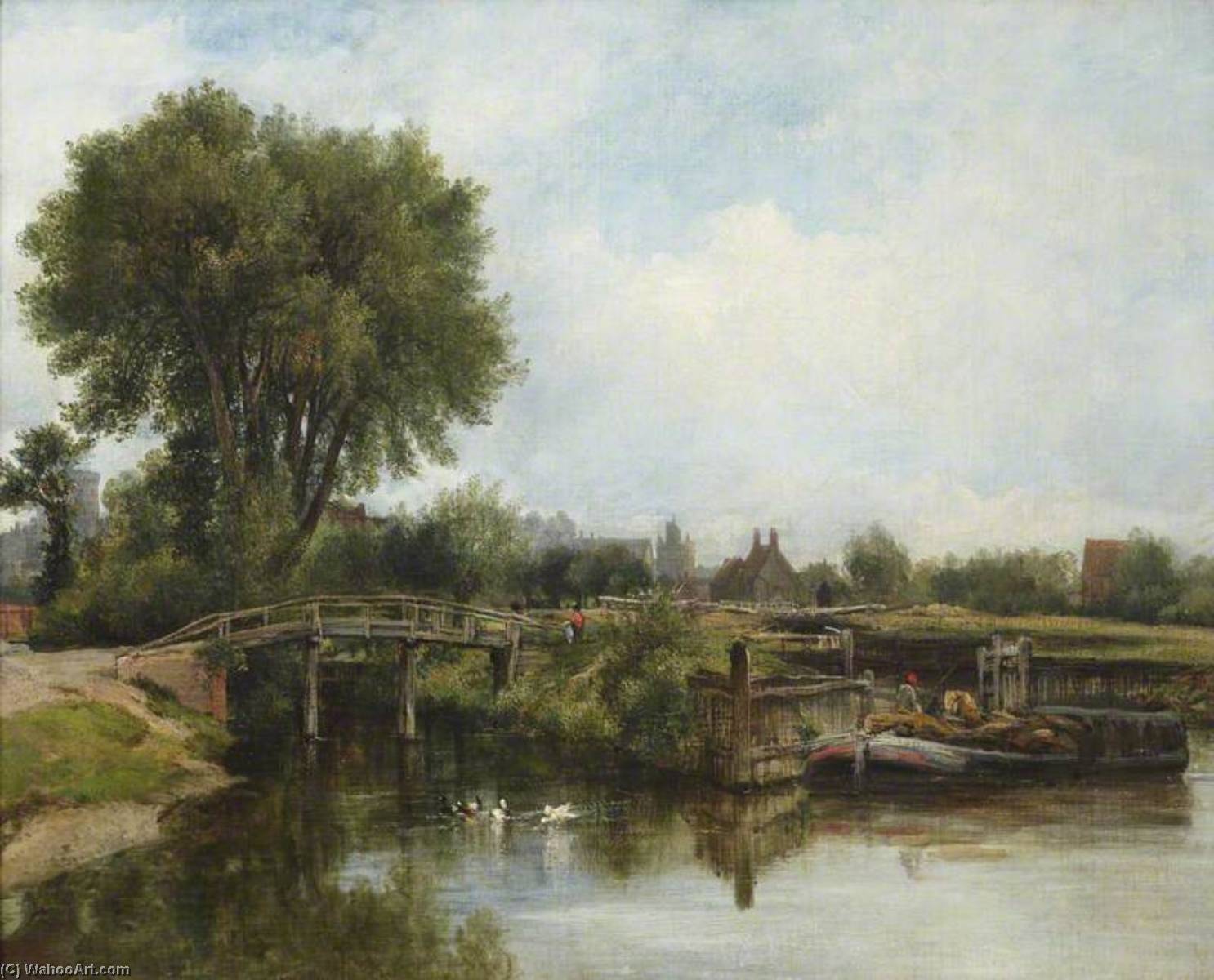
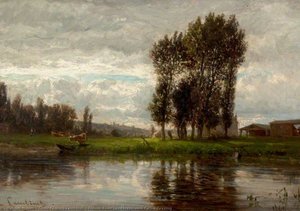
The Old Lock, Windsor
 Acrylic On Canvas
- WallArt
- English Landscape Painting
 19th Century
 42.0 x 52.0 cm
 National Trust
 Read More
Hand Made Oil Reproduction
Hand-painted oil on canvas in your size and frame, made to order by our artists. ( Buy Print Buy Image)




P118B $10

P118H $10

P118W $10

P438Z $10

P508JH $12

P508YH $12

P805H $10

P805Z $10

P919BZ $10

P919G $10

P919XJ $10

P959ZH $10

P968JZ $12

W106C $8

W218G $10

W218JH $8

W218Y $10

W307PJ $10

W316G $10

W316PJ $8

W316Y $10

W398PJ $8

W4111J $10

W500HY $15

W500JH $15

W692G $12

W849H $8

W940BG $15

W953PJ $8




Pick from our preset sizes that match the artwork's original proportions.

You may enter your own dimensions to fit a specific frame or space. If your selected size does not match the original image's proportions, we will either crop the artwork or extend the painting with additional hand-painted elements. A digital mockup will be sent for your approval before production begins.
Please note that the on-screen preview does not reflect the actual cropping or extension. Only the mockup will accurately show the final composition.
While custom sizes are available, we recommend selecting a dimension from the predefined list to preserve the original proportions.
After order, ArtsDot.com team will email client for instructions and provide a mockup preview
Worldwide Delivery () in 3/4 weeks instead of standard 5 weeks. (17 August). No compromise on quality.

Free Worldwide Express Shipping

High-Quality Linen Canvas

Full Shipping Insurance

Customs Tax Refund Guarantee

True Color Matching Guarantee

60-Day Return Policy (Defects Only)

100% Money-Back Guarantee

Bulk Discount Offer
 Glass option is only available in size under 110 CM

The Old Lock, Windsor
Reproduction Medium
Reproduction Size
-


Total Price
$ 263
Artwork Description
A Serene Vision of Rural England: Frederick Waters Watts’ “The Old Lock, Windsor”
Frederick Waters Watts’ “The Old Lock, Windsor,” painted circa 1850s, isn't merely a depiction of a riverside scene; it’s an immersion into the quiet contemplation and atmospheric beauty that defined Constable’s legacy and profoundly influenced Watts himself. This captivating work, now available as a meticulously crafted hand-painted reproduction, transports the viewer to a tranquil corner of Windsor Great Park, capturing a moment suspended in time where nature reigns supreme and the gentle flow of the River Lee dominates the composition.
Watts, a British landscape painter born in Bath in 1800, dedicated his artistic life to meticulously observing and translating the subtleties of the English countryside. His style is deeply rooted in the principles of Constable – an unwavering commitment to capturing light’s fleeting effects, a preference for ‘plein air’ painting (working directly from nature), and a deliberate avoidance of overly dramatic or idealized forms. “The Old Lock” exemplifies this approach perfectly; the scene unfolds with a remarkable sense of realism, yet it's imbued with a dreamlike quality thanks to Watts’ masterful manipulation of color and atmosphere.
A Symphony of Light and Shadow
The painting’s strength lies in its nuanced use of light. Watts doesn’t simply paint the scene; he renders the *feeling* of light – the diffused glow filtering through the overcast sky, the shimmering reflections dancing on the water's surface, and the subtle gradations of tone that define the textures of the trees and foliage. Notice how the artist employs a broken brushstroke technique, layering thin washes of color to create an almost velvety effect, particularly in the depiction of the distant hills and the shadowed banks of the river. This creates a remarkable sense of depth and atmospheric perspective, drawing the eye into the heart of the scene.
The composition itself is carefully balanced. The prominent lock structure, a vital component of the River Lee Navigation, anchors the foreground, while a fleet of small boats gracefully navigate the waterway. A bridge arches across the river in the distance, subtly connecting the two sides of the landscape and providing a sense of scale. The figures scattered along the banks – likely local residents enjoying a leisurely afternoon – add a touch of human presence without disrupting the overall serenity.
Symbolism and the English Landscape
“The Old Lock” is more than just a picturesque view; it’s a meditation on the relationship between humanity and nature. The lock itself represents the intersection of man-made infrastructure with the natural world, prompting reflection on our impact upon the environment. The River Lee, historically a vital artery for trade and transportation, symbolizes England's rich industrial heritage while simultaneously highlighting the enduring beauty of its waterways.
Furthermore, the scene evokes a sense of nostalgia – a longing for simpler times and a connection to the rural past. The muted color palette, combined with the quiet stillness of the composition, creates an atmosphere of peaceful contemplation, inviting the viewer to slow down and appreciate the subtle wonders of the English countryside.
Bringing “The Old Lock” Home
This exquisite hand-painted reproduction captures the essence of Watts’ original masterpiece, offering a stunning addition to any home or office. Available in a generous 42 x 52 cm size, it faithfully reproduces the painting's intricate details and atmospheric qualities. Whether you are an art enthusiast, a collector seeking a piece of British heritage, or simply someone who appreciates beautiful scenery, “The Old Lock, Windsor” is sure to evoke feelings of tranquility and inspire a deeper connection with the natural world.
Explore the full story behind this captivating artwork and order your hand-painted reproduction today at ArtsDot.com
Related Artworks
Artist Biography
A Vision of the English Pastoral: The Life and Legacy of Frederick Waters Watts
In the annals of Victorian art, few names evoke the quiet, breathing essence of the English countryside quite like Frederick Waters Watts. Born in the historic city of Bath in 1800, Watts emerged as a painter whose work served as a profound bridge between the rugged naturalism of the early nineteenth century and the refined aestheticism of the later Victorian era. While much of his personal history remains shrouded in the soft mists of time—with biographical details regarding his parentage and exact death date often debated by historians—his artistic presence is unmistakable. He was an artist who did not merely paint landscapes; he captured the very soul of the rural landscape, imbuing every riverside bend and sun-drenched meadow with a sense of enduring peace.
The foundation of Watts’s greatness lay in his deep, almost spiritual connection to the works of John Constable. Entering the Royal Academy Schools in London in 1817, Watts sought to master the subtle complexities of light and atmosphere that had defined the Constableian tradition. His early triumphs, including silver medals won between 1819 and 1821, signaled the arrival of a talent capable of profound observation. He embraced the practice of painting en plein air, working directly from nature to translate the fleeting nuances of a passing cloud or the shimmering reflection on a stream into permanent oil and canvas. This dedication to direct observation allowed him to move beyond mere imitation, developing a style that felt both intimately connected to the earth and elevated by a poetic sensibility.
Mastery of Light and the English Landscape
Watts’s oeuvre, comprising approximately 380 paintings, serves as a vast gallery of England's most idyllic moments. His technical prowess is most evident in his ability to manipulate light to create depth and emotional resonance. Whether depicting the tranquil waters of the River Medway or the rugged beauty of Cumberland, Watts utilized a palette that celebrated the organic tones of the natural world. His compositions often feature:
- Atmospheric Depth: A masterful use of haze and light to suggest the infinite reaches of the English horizon.
- Riverside Serenity: Intricate depictions of water, where the movement of currents and the play of reflections create a sense of living motion.
- Bucolic Charm: The inclusion of subtle human elements—a distant figure, a grazing cow, or a rustic bridge—which ground his grand landscapes in a relatable, pastoral reality.
Beyond the purely naturalistic, there is an undercurrent of symbolism within his work that hints at a deeper, more contemplative spirit. Some scholars view his later explorations through the lens of Aestheticism, noting how his landscapes can transcend mere topography to become allegorical meditations on peace, hope, and the cyclical nature of life. This duality—the ability to be both a precise observer of nature and a dreamer of poetic truths—is what distinguishes his work from that of his contemporaries.
Historical Significance and Enduring Influence
Throughout his long career, which saw him exhibiting at the Royal Academy and the British Institution until the 1860s, Watts maintained a consistent presence in the London art scene. His ability to navigate the shifting tastes of the Victorian era—from the heavy romanticism of the early century to the more delicate, symbolic approaches of the later years—ensured his lasting relevance. Though he lived through a period of rapid industrialization that threatened the very landscapes he loved, his paintings remain a sanctuary of a lost, pre-industrial England.
Today, the legacy of Frederick Waters Watts lives on in the collections of prestigious institutions like the Tate, where his works continue to inspire awe. He remains a vital figure for anyone seeking to understand the evolution of British landscape painting. His life’s work stands as a testament to the power of observation and the enduring beauty of the natural world, reminding us that even in the most fleeting moment of light upon a river, there exists a profound and eternal dignity.

frederick waters (william) watts
1800 - 1870 , United Kingdom
Quick Facts
- Artistic Movement Or Style: Romantic Landscape Painting
- Artists Or Movements Influenced By This Artist: ['Romantic Landscape Painting']
- Artists Who Influenced This Artist: ['John Constable']
- Date Of Birth: October 7, 1800
- Date Of Death: July 4, 1870
- Full Name: Frederick Waters Watts
- Nationality: British
- Notable Artworks:
- A Shepherd and his Flock Crossing a Bridge
- Untitled (1392)
- Place Of Birth: Bath, United Kingdom
Related Articles

John Constable's Masterpieces: Explore 25 Iconic Landscapes for Your Home
Journey through John Constable's 25 most celebrated landscapes. Explore Romanticism, Dedham Vale & his masterful use of light in iconic paintings like 'Hay Wain'. Find museum-quality art reproductions and elevate your home decor on ArtsDot.com.

Beyond the Horizon: 10 Landscape Masterpieces for Your Home Decor
Journey through 10 breathtaking landscape paintings by Monet, Van Gogh & more! Explore iconic artworks, artistic techniques & find inspiration for your home decor. Museum-quality reproductions at ArtsDot.com. Discover all masterpieces on ArtsDot.com
Evoking Nature's Sublime: A Comprehensive Exploration of 19th-Century Landscape Painting
Explore the captivating world of 19th-century landscape painting! Discover renowned artists like Friedrich & Monet, key movements, and find the perfect artwork to bring nature's serenity into your home. Expert insights at ArtsDot.

Romantic Landscapes: 10 Masterpieces for Your Home | ArtsDot
Journey through 10 Romantic landscape masterpieces by Friedrich, Turner & Cole. Explore emotional art, sublime nature scenes & iconic 19th-century paintings. Find museum-quality reproductions for your home at ArtsDot.com – discover the full collection online!

Frederick Waters Watts: A Victorian Vision of Aestheticism & Spiritual Symbolism
Explore the captivating world of Frederick Watts, a key Victorian painter blending aestheticism & spiritual symbolism. Discover his allegorical masterpieces like 'Hope' and delve into his artistic journey with ArtsDot.