

 Preview
 Send
Send Share
Share
 Details

 Download
 Similars
 X-Ray
X-Ray Diaporama
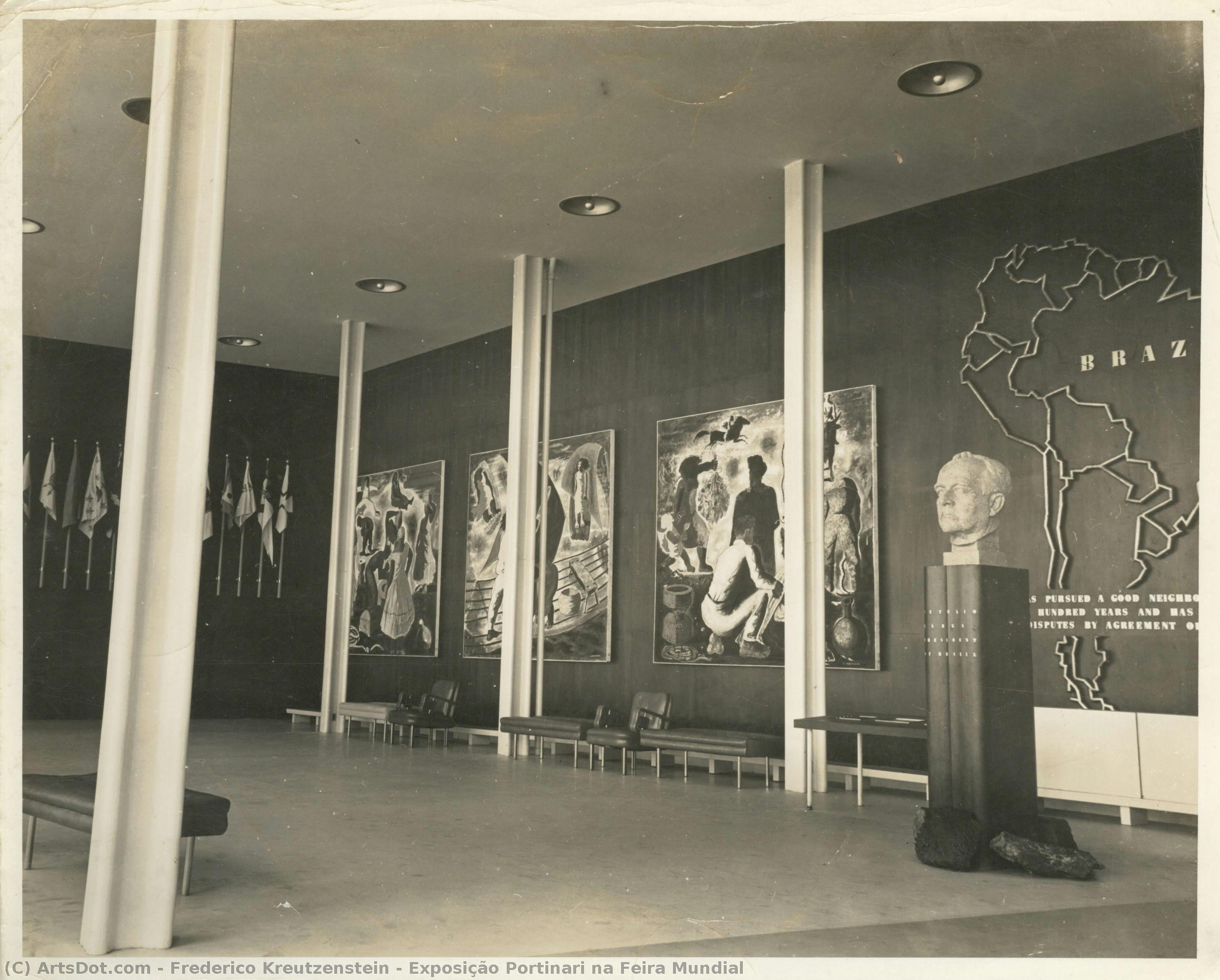
Exposição Portinari na Feira Mundial


 Read More
Purchase a high-resolution, enhanced digital image, far superior to the online preview.
Each file is meticulously prepared by our in-house specialists using advanced tools and expert manual retouching. We ensure every image has exceptional clarity, precise color accuracy, and fine detail.
The final file is delivered via email within 72 hours, optimized for immediate use in professional, editorial, and print environments. This is the same quality trusted by top-tier design studios, publishers, and galleries.
Digital Image
Download a high-resolution file for personal display, printing, and creative projects. ( Buy Print Buy Hand Made Painting)
Included in Every Digital Image Order
Expert Digital Delivery, Guaranteed
When you choose ArtsDot.com, you're not just getting an image - you're receiving a professionally enhanced digital artwork, crafted with precision and backed by a satisfaction guarantee. Here's everything that comes with your order, automatically:

Fast Email Delivery
Your high-resolution digital image file will be emailed to you within 72 hours of ordering - ready for immediate use.

AI-Enhanced Digital File
Your artwork is professionally optimized using advanced AI tools and manual editing, ensuring maximum detail, clarity, and color accuracy.

Free Lifetime Re-Delivery
Accidentally deleted or lost your file? No worries - we'll resend it to you anytime, free of charge.

No Import Fees - Ever
Enjoy your artwork instantly with zero customs, duties, or delivery fees - digital downloads are always tax-free.

Color Accuracy Guarantee
We ensure your digital image reflects the original colors as closely as possible using professional tools and color management.

60-Day Satisfaction Guarantee
If you're not satisfied with your digital image, we'll revise it or refund 100% within 60 days - no questions asked.

100% Money-Back Guarantee
Not satisfied? Get a full refund within 60 days of receiving your digital file - no questions asked.

Bulk Order Discounts
Buy 3 images, save 10% - Buy 5, save 15% - Buy 10+, save 20%. Great for creative projects, galleries, and agencies.
Related Artworks


Artist Biography
Willem de Kooning: A Life in Fragments
Born in Rotterdam, Netherlands, on April 24, 1904, Willem de Kooning’s life was a complex tapestry woven from ambition, self-doubt, and an unrelenting pursuit of artistic expression. His early years were marked by a quiet intensity, a sensitivity nurtured within a working-class family—a stark contrast to the explosive, often turbulent nature of his later work. Driven by a profound need to communicate, de Kooning’s journey was one of constant questioning, experimentation, and ultimately, a radical reshaping of American art in the mid-20th century. He wasn't simply an artist; he was a restless spirit grappling with identity, representation, and the very nature of seeing.
De Kooning’s formal training began at the Academy of Fine Arts in Rotterdam, but it was his relocation to New York City in 1928 that proved pivotal. Initially struggling to establish himself amidst the burgeoning artistic scene, he found work as a commercial illustrator, a profession that initially seemed antithetical to his aspirations but provided crucial financial stability and exposure to diverse visual stimuli. This period of pragmatic necessity shaped his understanding of form, color, and the demands of the market—skills he would later deftly integrate into his more ambitious projects. His early illustrations, often depicting glamorous women in opulent settings, reveal a nascent talent for capturing character and atmosphere, foreshadowing elements that would emerge in his later figurative work.
The 1940s witnessed a dramatic shift in de Kooning’s artistic trajectory. Influenced by the rise of Abstract Expressionism, he began to explore larger canvases and more gestural approaches. The “Woman” series (1950-1953), particularly *Woman I*, *Woman II*, and *Woman III*, became iconic representations of this period. These paintings are not portraits in the traditional sense; they are fragmented, violent, and deeply unsettling depictions of female figures—a deliberate rejection of idealized beauty and a confrontation with primal instincts. Critics initially reacted with confusion and disapproval, labeling them as “reactionary,” but de Kooning’s refusal to compromise his vision ultimately cemented his place as a key figure in the movement.
De Kooning's artistic development wasn't linear; it was characterized by recurring themes and stylistic shifts. The "Excavation" series (1950), with its chaotic, earth-toned palette and dynamic composition, exemplifies this restless energy. He wrestled with the figure throughout his career, sometimes embracing it fully, as in the “Woman” paintings, and at other times rejecting it altogether, dissolving it into abstract forms. The "Waves" prints (1948-1950), created in collaboration with lithographer Franz Rohlig, demonstrate a masterful command of printmaking techniques, utilizing bold lines and expressive color to convey a sense of movement and power. His later work, particularly the “Deer and the Lampshade” series (1976-1980), reveals a return to figuration, albeit imbued with a heightened sense of vulnerability and ambiguity—a poignant reflection on aging and mortality.
The Influence of Surrealism and Early Modernism
De Kooning’s artistic journey was profoundly shaped by the currents of early 20th-century art. The influence of Cubism, particularly its fragmentation of form and multiple perspectives, is evident in his early work, while the dynamism and emotional intensity of Expressionism resonated with his later explorations. However, it was Surrealism that provided a crucial conceptual framework for his most radical innovations. The writings of Sigmund Freud, particularly his theories on the unconscious mind and the interpretation of dreams, deeply impacted de Kooning’s approach to representation. He sought to tap into primal emotions and repressed desires, translating them onto canvas through distorted forms and jarring juxtapositions.
Furthermore, de Kooning's engagement with European modernism—particularly the work of Picasso and Georges Braque—was instrumental in his development. He admired their innovative use of color and form, but he ultimately sought to forge his own distinct voice. His early years in Paris exposed him to a vibrant artistic community and fostered a spirit of experimentation that would characterize much of his career. The influence of artists like Constantin Brancusi, with his emphasis on simplified forms and the exploration of essential shapes, is also discernible in de Kooning’s later work.
Key Works and Artistic Techniques
Willem de Kooning's oeuvre encompasses a vast range of styles and subjects. His paintings are characterized by their dynamic compositions, bold colors, and often unsettling imagery. The “Woman” series remains his most iconic achievement, but other notable works include *Excavation* (1950), a monumental canvas that captures the chaos and energy of the artistic process; *Pink Angels* (1960-1962), a series of paintings depicting winged figures in a dreamlike atmosphere; and *The Horse* (1984), a late work that reflects on his own aging and mortality.
De Kooning’s technique was equally innovative. He employed a variety of approaches, including alla prima painting—working directly onto the canvas without underpainting—and impasto, applying paint thickly to create textured surfaces. His use of color was often vibrant and expressive, ranging from earthy tones in his earlier work to bold, saturated hues in his later paintings. He frequently incorporated gestural marks into his compositions, conveying a sense of spontaneity and immediacy. The “Waves” prints demonstrate his mastery of lithography, utilizing intricate lines and subtle gradations of tone to create dynamic and evocative images.
Legacy and Historical Significance
Willem de Kooning’s impact on American art is undeniable. He challenged conventional notions of representation and pushed the boundaries of artistic expression. His willingness to confront difficult subjects—including sexuality, violence, and mortality—and his refusal to conform to prevailing aesthetic standards established him as a leading figure in Abstract Expressionism. His work continues to be studied and admired for its originality, emotional intensity, and technical virtuosity.
De Kooning’s legacy extends beyond the art world. He was a complex and enigmatic personality—a fiercely independent artist who valued his privacy and resisted easy categorization. His life and work offer a compelling glimpse into the challenges and rewards of artistic creation, reminding us that true innovation often requires courage, conviction, and a willingness to embrace uncertainty.
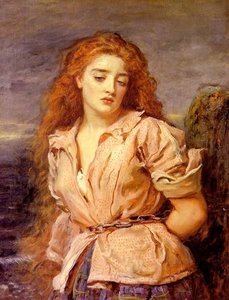
frederico kreutzenstein
1904 - 1989 , Brazil
Quick Facts
- Artistic Movement Or Style: Surrealism
- Artists Or Movements Influenced By This Artist:
- Picasso
- Dalí
- Artists Who Influenced This Artist: ['Constantin Brancusi']
- Date Of Birth: May 11, 1904
- Date Of Death: January 23, 1989
- Full Name: Salvador Felipe Jacinto Dalí y Domenech
- Nationality: Spanish
- Notable Artworks:
- An Andalusian Dog
- The Golden Age
- Persistence of Memory
- Place Of Birth: Figueras, Spain

