 Preview
 Send
Send Share
Share
 Details

 Download
 Similars
 X-Ray
X-Ray Diaporama
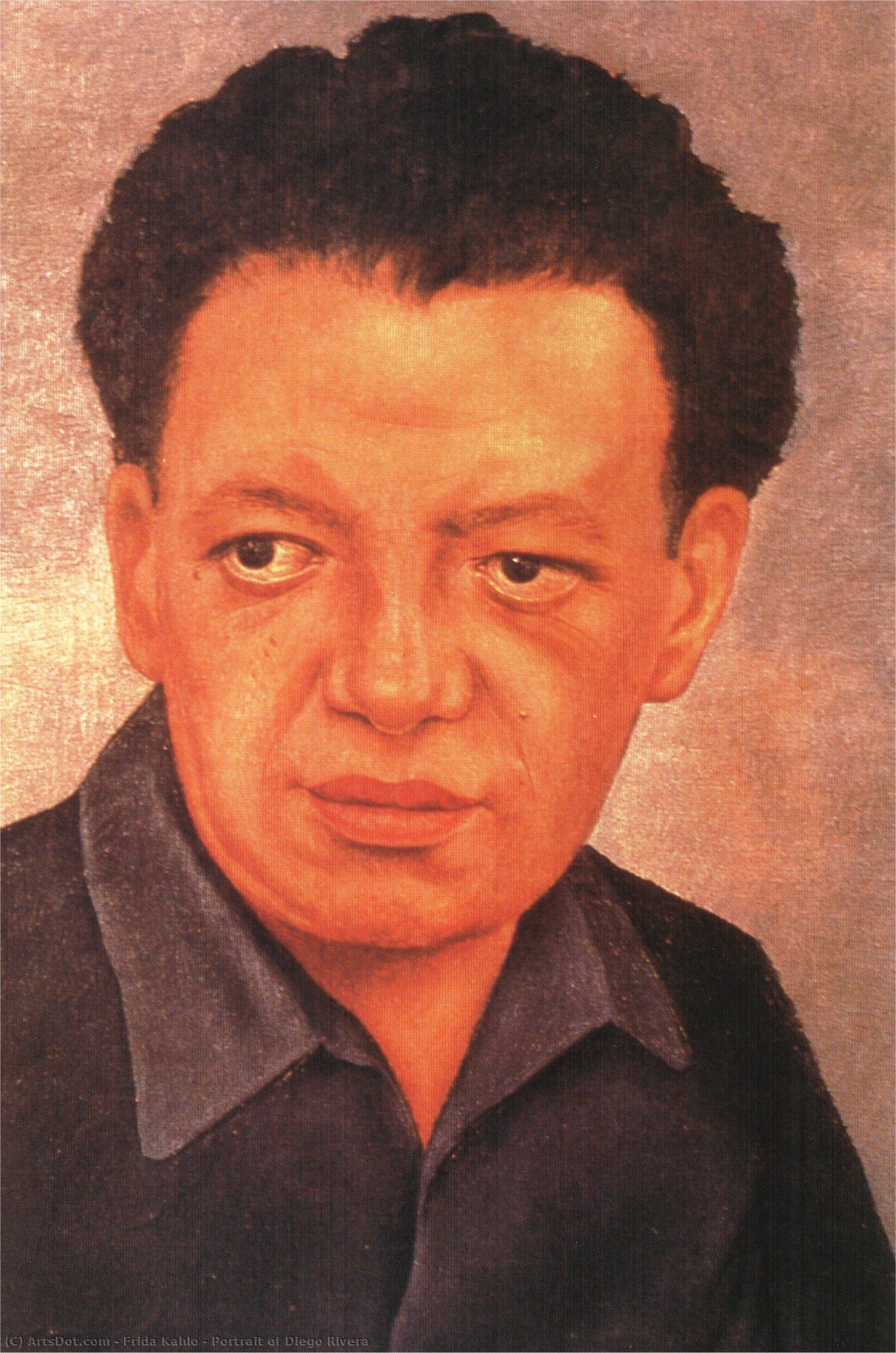
Portrait of Diego Rivera
 Acrylic
- WallArt
- Mexican Surrealism
 1937
1937 46.0 x 32.0 cm
 Read More
Hand Made Oil Reproduction
Hand-painted oil on canvas in your size and frame, made to order by our artists. ( Buy Print Buy Image)




P118B $10

P118H $10

P118W $10

P438Z $10

P508JH $12

P508YH $12

P805H $10

P805Z $10

P919BZ $10

P919G $10

P919XJ $10

P959ZH $10

P968JZ $12

W106C $8

W218G $10

W218JH $8

W218Y $10

W307PJ $10

W316G $10

W316PJ $8

W316Y $10

W398PJ $8

W4111J $10

W500HY $15

W500JH $15

W692G $12

W849H $8

W940BG $15

W953PJ $8




Pick from our preset sizes that match the artwork's original proportions.

You may enter your own dimensions to fit a specific frame or space. If your selected size does not match the original image's proportions, we will either crop the artwork or extend the painting with additional hand-painted elements. A digital mockup will be sent for your approval before production begins.
Please note that the on-screen preview does not reflect the actual cropping or extension. Only the mockup will accurately show the final composition.
While custom sizes are available, we recommend selecting a dimension from the predefined list to preserve the original proportions.
After order, ArtsDot.com team will email client for instructions and provide a mockup preview
Worldwide Delivery () in 3/4 weeks instead of standard 5 weeks. (16 August). No compromise on quality.

Free Worldwide Express Shipping

High-Quality Linen Canvas

Full Shipping Insurance

Customs Tax Refund Guarantee

True Color Matching Guarantee

60-Day Return Policy (Defects Only)

100% Money-Back Guarantee

Bulk Discount Offer
 Glass option is only available in size under 110 CM

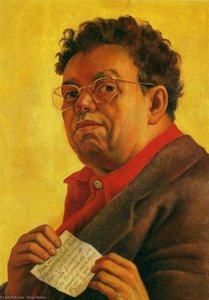
Portrait of Diego Rivera
Reproduction Medium
Reproduction Size
-


Total Price
$ 263
Artwork Description
A Portrait Steeped in Resilience: Frida Kahlo’s Reverie
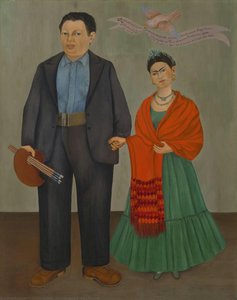
Frida Kahlo's "Portrait of Diego Rivera" transcends mere representation; it embodies a profound exploration of identity, vulnerability, and the complexities of human connection. Painted in 1937 during her tumultuous marriage to Diego Rivera—a celebrated muralist and icon of Mexican nationalism—the artwork captures a moment frozen in time, revealing layers of emotion beneath its deceptively serene surface. The painting’s stark simplicity is deceptive – every brushstroke speaks volumes about Kahlo's meticulous artistic vision.- Subject Matter: The portrait depicts Diego Rivera, Kahlo’s husband and fellow artist, gazing directly at the viewer with an unwavering gaze. This deliberate confrontation establishes a dynamic between subject and observer, inviting contemplation on themes of intimacy and unspoken communication.
- Style & Technique: Kahlo's signature style—characterized by surrealist influences blended with Mexican folk art traditions—is evident in the painting’s flattened perspective and symbolic use of color. She employed a technique known as *alla prima*, applying paint directly onto the canvas without preliminary sketches, resulting in an immediacy and textural richness that conveys palpable emotion.
Historical Context: Navigating Love and Legacy Amidst Political Turmoil
The painting’s creation coincided with a period of significant political upheaval in Mexico. Rivera spearheaded the Mexican Muralist Revolution, aiming to depict the nation's history and culture through monumental artworks designed to inspire national pride. Kahlo herself was deeply involved in leftist politics, advocating for social justice and indigenous rights. This context informs our understanding of “Portrait of Diego Rivera,” highlighting not only the personal relationship between Kahlo and Rivera but also their shared commitment to artistic expression as a tool for societal transformation. The painting serves as a visual testament to this era’s spirit of defiance and aspiration.Symbolism: Layers of Meaning Beyond Appearances
Kahlo skillfully utilizes symbolism to imbue the portrait with deeper significance. Rivera's gaze is considered particularly potent, representing both vulnerability and unwavering determination—mirroring Kahlo’s own experiences of physical pain and emotional hardship. The muted color palette contributes to an atmosphere of introspection, emphasizing the psychological depth of the scene. Furthermore, subtle details – such as the slight tilt of Rivera’s head – invite interpretation and encourage viewers to consider unspoken emotions.Emotional Impact: A Window into Kahlo's Inner World
Ultimately, “Portrait of Diego Rivera” resonates powerfully with audiences due to its unflinching portrayal of human emotion. It captures the quiet intensity of a gaze—a silent exchange between two individuals grappling with love, loss, and the burdens of shared experience. The painting’s enduring appeal lies in its ability to evoke empathy and provoke reflection on themes of resilience, vulnerability, and the transformative power of art. It remains a poignant reminder that Kahlo's artistic genius stemmed from her willingness to confront her own pain and translate it into universal symbols of human emotion.Related Artworks
Artist Biography
A Life Forged in Pain and Passion
Magdalena Carmen Frida Kahlo y Calderón, known to the world simply as Frida Kahlo, was more than an artist; she was a force of nature, a defiant spirit whose life became inextricably woven into her art. Born on July 6, 1907, in Coyoacán, Mexico City, her existence was marked by physical suffering and emotional turbulence, experiences that would ultimately fuel the intensely personal and symbolic imagery for which she is celebrated. Her father, Guillermo Kahlo, a German-Mexican photographer, fostered her intellectual curiosity and artistic inclinations from an early age. However, Frida’s childhood was shadowed by illness; at six years old, she contracted polio, leaving her with a permanent limp and impacting her physical development. This early encounter with vulnerability and limitation would become a recurring theme in her work, shaping her perspective on the body, pain, and resilience. Even before the devastating accident that defined much of her artistic trajectory, Frida possessed a keen awareness of her own physicality and its inherent fragility.
The Shattered Body, The Blossoming Art
In 1925, at the tender age of eighteen, Frida’s life irrevocably changed. A horrific bus accident left her with catastrophic injuries – fractures to her spine, pelvis, and leg, among others. Confined to a lengthy period of recovery, often bedridden and encased in plaster casts, she turned inward, finding solace and expression through painting. Her mother provided an easel adapted for use while lying down, transforming the confines of her physical limitations into a space for artistic exploration. It was during this time that Frida began to explore self-portraiture with relentless intensity. Unable to venture out into the world, she turned her gaze inward, meticulously documenting her own image as a means of understanding and confronting her pain, both physical and emotional. These early works were not merely representations of her likeness; they were visceral explorations of identity, vulnerability, and the enduring power of the human spirit. The accident wasn’t simply a tragedy; it was a catalyst that unlocked her artistic potential, forcing her to confront her own mortality and find meaning in suffering.
A Tumultuous Union and Artistic Flourishing
Frida's life took another pivotal turn in 1929 when she married the renowned Mexican muralist Diego Rivera. Their relationship was a passionate but tempestuous affair, marked by intense love, infidelity, artistic rivalry, and periods of separation and reconciliation. Despite the emotional turmoil, Rivera proved to be a significant influence on Frida’s artistic development. He encouraged her unique vision, offering constructive criticism while recognizing the raw power and originality of her work. Under his guidance, and through her own relentless experimentation, Frida's style began to coalesce, blending elements of Mexican folk art, realism, and surrealism into a distinctive visual language. Her paintings became increasingly symbolic, exploring themes of identity, the human body, pain, death, and the complexities of female experience. She didn’t shy away from depicting her own suffering; instead, she embraced it as a central theme in her work, transforming personal trauma into universal statements about the human condition.
Symbols of Suffering, Resilience, and Identity
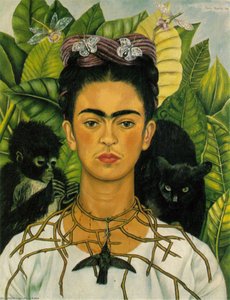
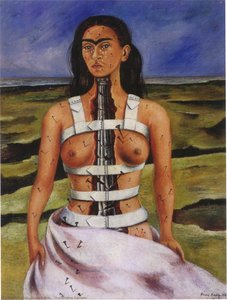
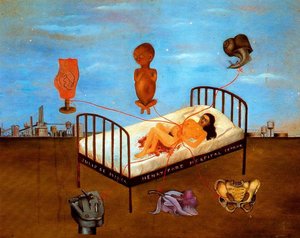
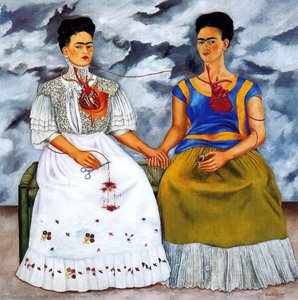
Frida Kahlo is perhaps best known for her self-portraits, which are characterized by their unflinching honesty and symbolic depth. Works like The Two Fridas (1939), a powerful depiction of her dual identity following her divorce from Rivera, showcase her ability to externalize internal conflict through striking visual metaphors. Self-Portrait with Thorn Necklace and Hummingbird (1940) is laden with symbolism – the thorns representing pain, the hummingbird symbolizing hope and resilience, and the black cat a harbinger of bad luck. The Broken Column (1944), a harrowing portrayal of her physical suffering, depicts Frida’s torso split open to reveal a crumbling Ionic column in place of her spine, held together by straps and pierced with nails. Even Henry Ford Hospital (1932), a raw and deeply personal depiction of her miscarriage, demonstrates her willingness to confront taboo subjects with unflinching honesty. These paintings are not simply representations of pain; they are acts of defiance, assertions of selfhood in the face of adversity.
A Lasting Legacy
Frida Kahlo’s influence extends far beyond the realm of art. She was a cultural icon who challenged traditional gender roles and societal expectations through her life and work. Her embrace of Mexican culture and identity helped to elevate its profile on the international stage, and her unflinching portrayal of pain resonated with audiences worldwide, making her a symbol of resilience and strength. She became an important figure for Chicanos in the United States, representing their cultural heritage and struggles. Though she resisted being categorized as a Surrealist, her work shares affinities with the movement’s exploration of the subconscious and dreamlike imagery. Today, Frida Kahlo is celebrated as one of the most important artists of the 20th century, whose legacy continues to inspire generations to embrace their identities, confront adversity, and express themselves authentically. Her art remains a testament to the enduring power of the human spirit to find beauty and meaning even in the darkest of times.
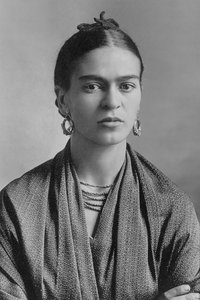
Frida Kahlo
1907 - 1954 , Mexico
Quick Facts
- Artistic Movement Or Style: Surrealism, Folk art
- Artists Or Movements Influenced By This Artist:
- Chicano art
- Feminist artists
- Artists Who Influenced This Artist:
- Mexican folk artists
- European Renaissance painters
- Date Of Birth: July 6, 1907
- Date Of Death: 1954
- Full Name: Magdalena Carmen Frieda Kahlo y Calderón
- Nationality: Mexican
- Notable Artworks:
- The Two Fridas
- Self-Portrait with Thorn Necklace
- The Broken Column
- Henry Ford Hospital
- Place Of Birth: Coyoacán, Mexico
Related Articles
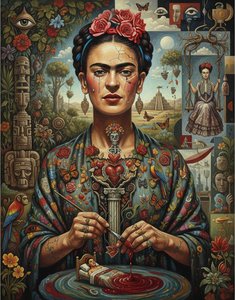
Frida Kahlo: A Life Painted – Surrealism, Identity & Autobiographical Narrative
Explore the life & art of Frida Kahlo – a journey through surrealism, identity, pain, and resilience. Discover her autobiographical masterpieces & lasting feminist legacy with ArtsDot.
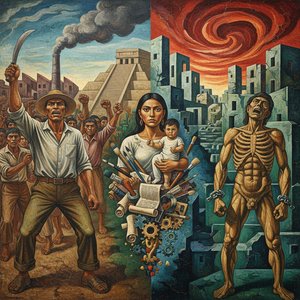
Revolution on Canvas: Exploring the Socio-Political Power & Artistic Legacy of Mexican Muralism
Explore the powerful world of Mexican muralism! Discover Diego Rivera, Frida Kahlo & Orozco's revolutionary art, social impact & lasting legacy. Expert insights & high-quality reproductions at ArtsDot.
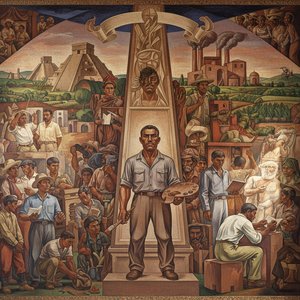
Diego Rivera: A Revolutionary Vision of Mexican Identity Through Muralism
Explore the revolutionary murals of Diego Rivera and his profound impact on Mexican art & identity. Discover his techniques, iconic works like 'Man at the Crossroads,' and lasting legacy with ArtsDot.
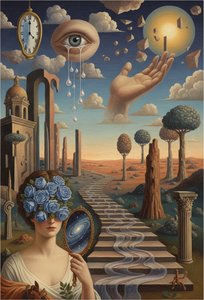
Surrealist Painting Masterpieces: 10 Artworks That Redefined Reality | ArtsDot
Journey into the dreamlike world of Surrealism! Explore 10 masterpieces by Dali, Magritte & Miró that redefined art. Discover their stories & find museum-quality reproductions to elevate your home decor on ArtsDot.com.
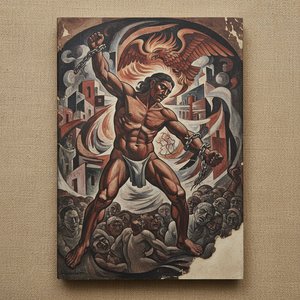
José Clemente Orozco: A Revolutionary Vision of Mexican Muralism & the Human Condition
Explore the powerful world of José Clemente Orozco, a key figure in Mexican Muralism. Discover his revolutionary art, social commentary, and lasting impact on 20th-century painting. Learn about his unique style & legacy.