 Preview
 Send
Send Share
Share
 Details

 Download
 Similars
 X-Ray
X-Ray Diaporama
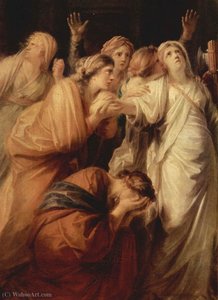
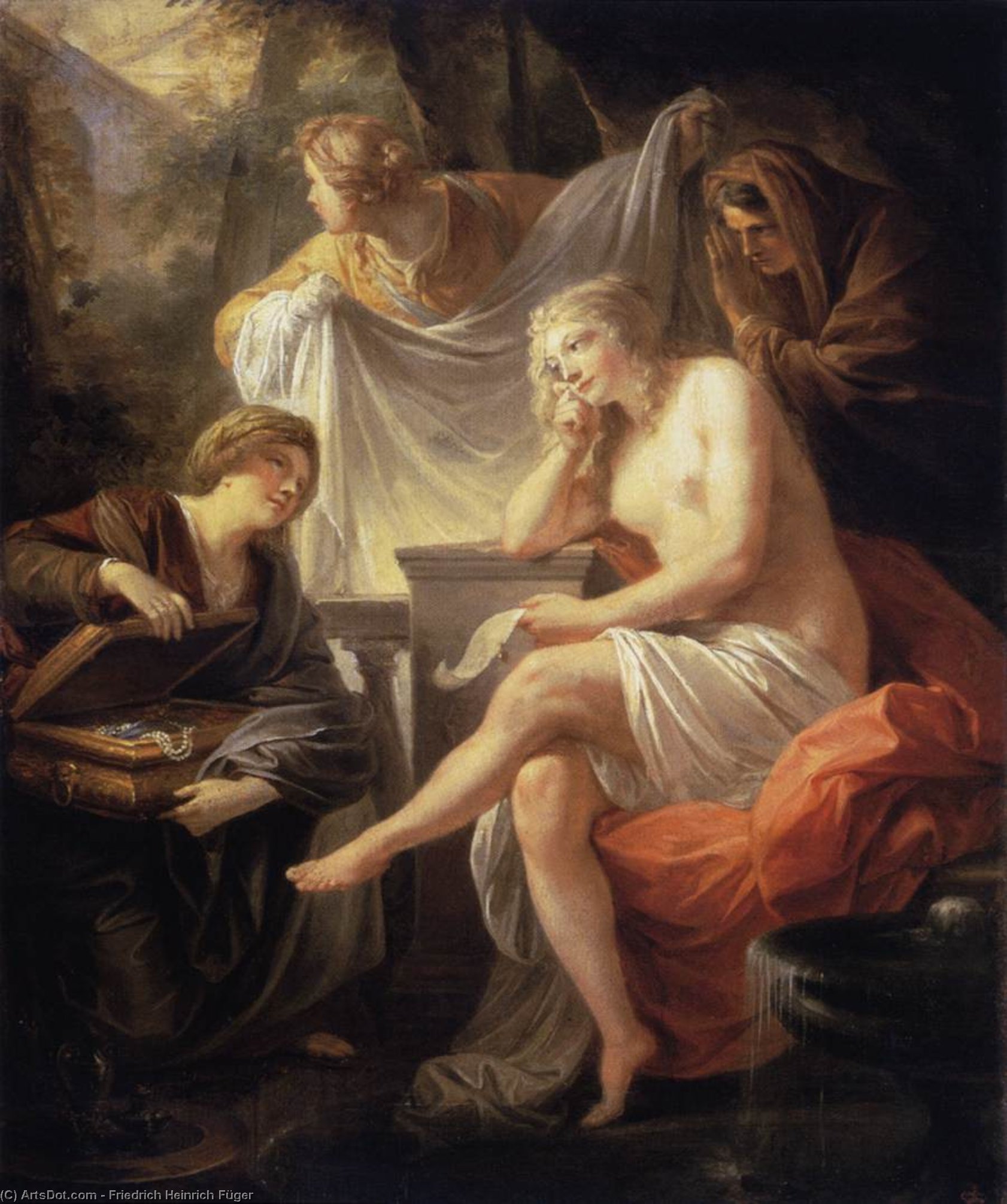
Bathsheba at the Bath
 Acrylic On Canvas
- WallArt
- German Classicism
 35.0 x 29.0 cm
 Szépmûvészeti Múzeum
 Read More
Hand Made Oil Reproduction
Hand-painted oil on canvas in your size and frame, made to order by our artists. ( Buy Print Buy Image)




P118B $10

P118H $10

P118W $10

P438Z $10

P508JH $12

P508YH $12

P805H $10

P805Z $10

P919BZ $10

P919G $10

P919XJ $10

P959ZH $10

P968JZ $12

W106C $8

W218G $10

W218JH $8

W218Y $10

W307PJ $10

W316G $10

W316PJ $8

W316Y $10

W398PJ $8

W4111J $10

W500HY $15

W500JH $15

W692G $12

W849H $8

W940BG $15

W953PJ $8




Pick from our preset sizes that match the artwork's original proportions.

You may enter your own dimensions to fit a specific frame or space. If your selected size does not match the original image's proportions, we will either crop the artwork or extend the painting with additional hand-painted elements. A digital mockup will be sent for your approval before production begins.
Please note that the on-screen preview does not reflect the actual cropping or extension. Only the mockup will accurately show the final composition.
While custom sizes are available, we recommend selecting a dimension from the predefined list to preserve the original proportions.
After order, ArtsDot.com team will email client for instructions and provide a mockup preview
Worldwide Delivery () in 3/4 weeks instead of standard 5 weeks. (21 August). No compromise on quality.

Free Worldwide Express Shipping

High-Quality Linen Canvas

Full Shipping Insurance

Customs Tax Refund Guarantee

True Color Matching Guarantee

60-Day Return Policy (Defects Only)

100% Money-Back Guarantee

Bulk Discount Offer
 Glass option is only available in size under 110 CM

Bathsheba at the Bath
Reproduction Medium
Reproduction Size
-


Total Price
$ 263
Artwork Description
The Enigmatic Beauty of Friedrich Heinrich Füger’s “Bathsheba at the Bath”
Friedrich Heinrich Füger's "Bathsheba at the Bath," painted circa 1780, is more than a mere depiction of a biblical scene; it’s a meticulously crafted tableau of classical elegance and subtle psychological drama. Housed within the Szépmûvészeti Múzeum in Budapest, Hungary, this oil-on-panel work invites viewers into a world of refined beauty and quiet contemplation, revealing the artist's mastery of light, form, and the delicate nuances of human interaction.
Füger, a pivotal figure within the German Classicist movement, drew heavily from the artistic principles established by David and Mengs – emphasizing clarity, balance, and idealized forms. His work reflects an era deeply invested in reviving the grandeur of antiquity, yet infused with a distinctly modern sensibility. “Bathsheba at the Bath” exemplifies this fusion, presenting a scene rooted in the Old Testament narrative but rendered with a sophisticated artistic vocabulary that transcends its immediate source material.
A Scene of Intimacy and Suspense
The painting captures a pivotal moment from the story of David and Bathsheba. We see her preparing for a bath, attended by three women – one adjusting her hair, another holding a garment, and the third reaching for an object on the vanity. The composition is remarkably intimate, drawing us close to this private ritual. Yet, beneath the surface tranquility lies a palpable sense of suspense. David’s presence, though unseen, hangs heavy in the air, hinting at the illicit affair that will soon unfold. Füger masterfully uses gesture and expression to convey this underlying tension – the slight tilt of Bathsheba's head, the focused attention of her attendants, all contribute to a feeling of restrained emotion.
The artist’s skill is particularly evident in his rendering of textures: the smooth curves of Bathsheba’s skin, the intricate folds of her dress, and the delicate sheen of the polished vanity. The use of light is equally masterful, creating a soft, diffused glow that illuminates the scene without harshness. This subtle illumination enhances the painting's overall sense of serenity while simultaneously emphasizing the importance of each detail.
Symbolism and Classical Ideals
Beyond its narrative content, “Bathsheba at the Bath” is rich in symbolic meaning. The bath itself represents purification and renewal – a theme central to classical thought. The presence of the attendants can be interpreted as symbols of domesticity and service, reinforcing the idealized image of womanhood prevalent during the era. Furthermore, the painting’s adherence to strict compositional rules—the balanced arrangement of figures, the use of symmetrical forms—reflects the Classical ideal of harmony and order.
The choice of a panel as the support for this work is significant. Oil on panel allowed for greater detail and luminosity than tempera, aligning with Füger’s desire to emulate the refined techniques of Italian masters. The painting's dimensions – 35 x 29 cm – contribute to its intimate scale, inviting close observation and a deeper engagement with the scene.
A Timeless Masterpiece
“Bathsheba at the Bath” remains a compelling work of art due to its exquisite craftsmanship, evocative atmosphere, and enduring themes. It’s a testament to Füger's artistic vision and his ability to capture both the beauty and complexity of human experience. Whether viewed as a historical narrative, a study in light and form, or a meditation on the nature of desire and temptation, this painting continues to captivate audiences centuries after its creation.
Related Artworks


Artist Biography
A Life Dedicated to Classical Ideals
Friedrich Heinrich Füger, born in Heilbronn, Germany, in 1751, emerged as a pivotal figure in the German Classicist movement, leaving an indelible mark on the artistic landscape of his time. His journey began with foundational training under Nicolas Guibal in Stuttgart, where he honed essential technical skills. This early grounding was further enriched by studies with Adam Friedrich Oeser in Leipzig, immersing him in the prevailing aesthetic principles that championed order and reason—hallmarks of the Enlightenment era. However, it was Füger’s extended sojourn to Italy, particularly his time spent in Rome and Naples, that truly ignited his artistic vision. The grandeur of classical art and architecture resonated deeply within him, solidifying a lifelong commitment to idealized forms, balanced compositions, and clarity of expression. His involvement with the monumental fresco work at the Palazzo Caserta provided invaluable experience in large-scale composition, showcasing a burgeoning talent that would soon captivate Vienna’s artistic circles.Ascension in Vienna: Court Painter and Academy Director
Upon his return to Vienna, Füger swiftly ascended through the ranks of the Austrian art world. His appointment as court painter was a testament to his growing reputation and skill, affording him numerous commissions from the imperial court and aristocratic patrons. This prestigious position allowed him not only to create works reflecting the power and prestige of his sponsors but also to establish himself as a leading artistic voice in the capital. Beyond painting, Füger dedicated himself to education, accepting a professorship at the Academy of Fine Arts in Vienna. He generously shared his knowledge and expertise with aspiring artists, shaping the next generation of German Classicist painters. His influence reached its zenith in 1806 when he was appointed director of the Belvedere Gallery, solidifying his position as a central figure in Viennese art administration and taste. This role allowed him to curate and promote works aligned with his classical ideals, further cementing their prominence within Austrian culture.A Diverse Oeuvre: Historical Scenes and Regal Portraits
Füger’s artistic output was remarkably diverse, encompassing historical scenes imbued with moral weight, dignified portraits of prominent figures, and allegorical compositions that explored complex themes. Among his most celebrated works are “The Farewell of Coriolanus,” a dramatic depiction of civic duty and sacrifice currently housed in the Czernin Gallery in Vienna; “Allegory on the Peace of Vienna” (1801), which captured the political climate of its time with symbolic nuance; and “The Death of Germanicus” (1789), a poignant portrayal of loss and heroism. His skill extended to portraiture, where he immortalized influential individuals such as Emperor Joseph II, Grand Duchess Elizabeth Wilhelmine of Württemberg, and even the celebrated British naval hero Horatio Nelson. These portraits are not merely likenesses; they are insightful character studies that reveal the sitter’s personality and status with remarkable sensitivity. His style consistently adhered to classical principles—a focus on idealized forms, balanced compositions, and meticulous attention to detail—often infused with a theatrical flair that heightened their emotional impact.Legacy and Enduring Influence
As a leading proponent of Classicism in Germany, Friedrich Heinrich Füger played a crucial role in shaping the artistic landscape of his era. His work reflected the intellectual currents of the Enlightenment, emphasizing reason, order, and civic virtue—values that resonated deeply within Austrian society. Beyond his own paintings, Füger’s influence extended through his mentorship of numerous students, including Gustav Philipp Zwinger and Franciszek Ksawery Lampi, who went on to achieve their own artistic success, carrying forward the torch of Classicism. His dedication to both creation and education ensured that his aesthetic principles would continue to inspire generations of artists. Füger passed away in Vienna in 1818, leaving behind a legacy as one of the most important German Classicist painters of his generation—an artist whose commitment to beauty, order, and intellectual rigor continues to captivate audiences today. His works stand as testaments to an era that sought to revive the grandeur and moral clarity of classical antiquity.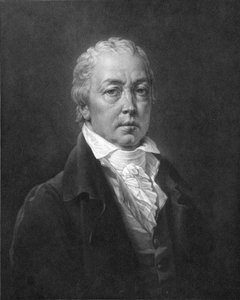
Friedrich Heinrich Füger
1751 - 1818 , Germany
Quick Facts
- Artistic Movement Or Style: Classicism
- Artists Or Movements Influenced By This Artist:
- Gustav Philipp Zwinger
- Franciszek Ksawery Lampi
- Artists Who Influenced This Artist:
- Louis David
- Anton Raphael Mengs
- Date Of Birth: December 8, 1751
- Date Of Death: November 5, 1818
- Full Name: Friedrich Heinrich Füger
- Nationality: German
- Notable Artworks:
- The Farewell of Coriolanus
- Allegory on the Peace of Vienna
- The Death of Germanicus
- Place Of Birth: Heilbronn, Germany
Related Articles

From Canvas to Legacy: A Detailed Examination of Handmade Oil Reproduction Techniques for Galleries and Hospitality Environments
Discover exquisite handmade oil painting reproductions & custom portraits crafted by skilled artists. Elevate your space with museum-quality art – affordable luxury, guaranteed authenticity & expert consultation.

From Initial Sketch to Enduring Legacy: A Comprehensive Exploration of the Oil Painting Reproduction Process
Discover the art of museum-quality oil painting reproduction. Explore our expert process, skilled artists & authentic replicas. Elevate your home with timeless beauty – handcrafted and customized to your vision.

The Digital Portrait Renaissance: Transforming Personal Photography into Timeless Oil Paintings Through Artistic Reproduction
Transform your cherished photos into timeless oil paintings with ArtsDot's expert artists. Museum-quality reproductions & custom portraits, crafted to last a lifetime. Discover the art of personal legacy.
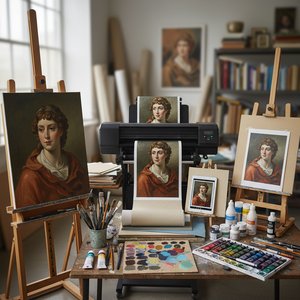
Reproducing Artistry: A Guide to Oil, Canvas & Paper Reproduction Mediums
Explore the world of art reproduction! Learn about oil, canvas & paper options with our expert guide. Discover museum-quality reproductions for your home or collection.

The Enduring Legacy of Hand-Painted Oil Paintings: Aesthetic Value, Longevity & Emotional Resonance
Explore the enduring legacy of hand-painted oil paintings. Discover the aesthetic value, material longevity & emotional resonance that sets original art—and expertly crafted reproductions—apart. Invest in timeless beauty.