

 Preview
 Send
Send Share
Share
 Details

 Download
 Similars
 X-Ray
X-Ray Diaporama
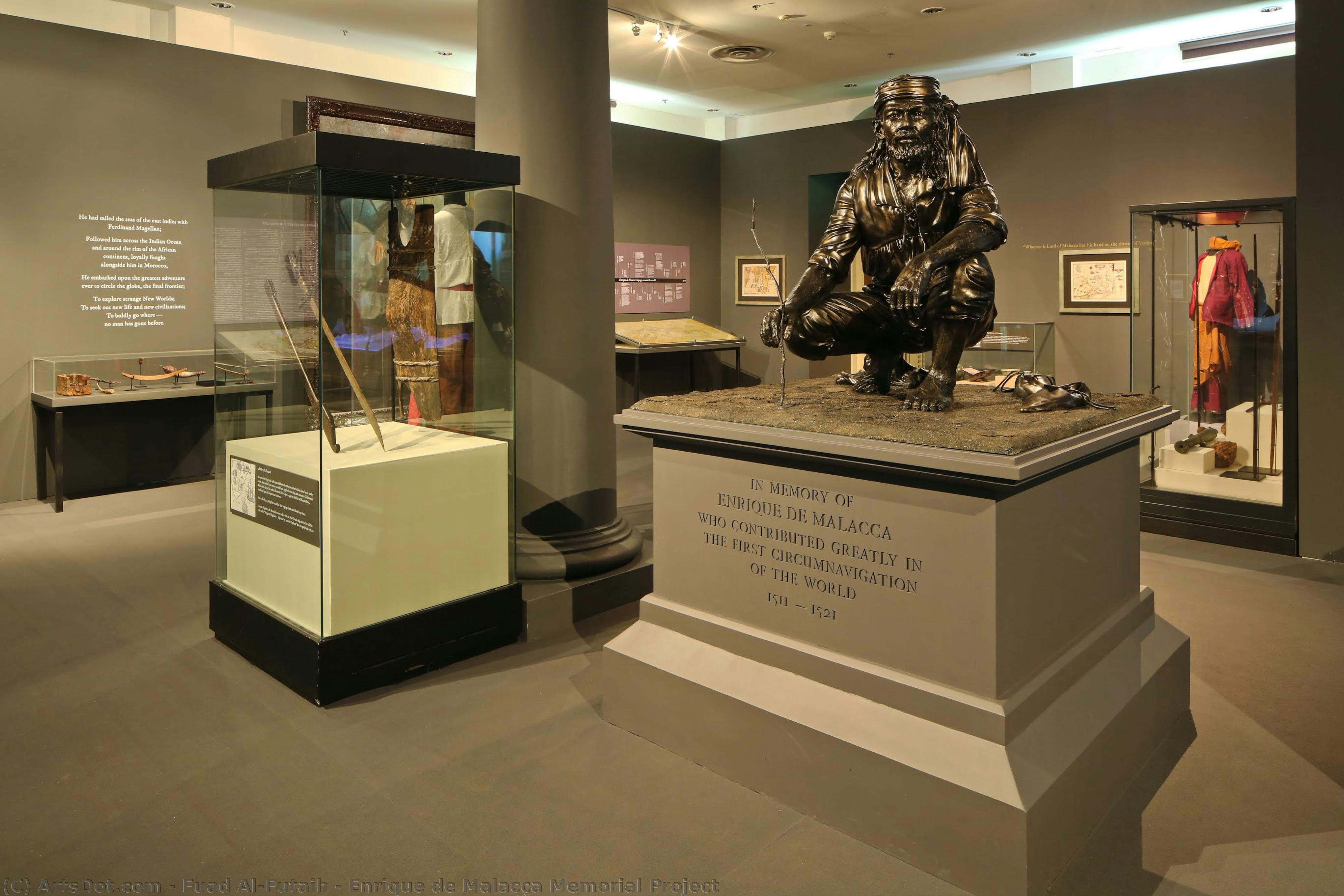
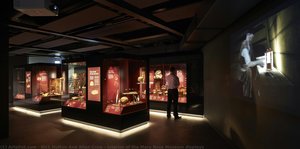
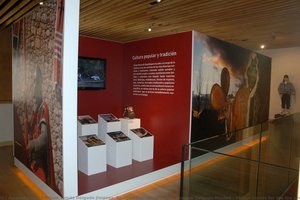
Enrique de Malacca Memorial Project


 Read More
Purchase a high-resolution, enhanced digital image, far superior to the online preview.
Each file is meticulously prepared by our in-house specialists using advanced tools and expert manual retouching. We ensure every image has exceptional clarity, precise color accuracy, and fine detail.
The final file is delivered via email within 72 hours, optimized for immediate use in professional, editorial, and print environments. This is the same quality trusted by top-tier design studios, publishers, and galleries.
Digital Image
Download a high-resolution file for personal display, printing, and creative projects. ( Buy Print Buy Hand Made Painting)
Included in Every Digital Image Order
Expert Digital Delivery, Guaranteed
When you choose ArtsDot.com, you're not just getting an image - you're receiving a professionally enhanced digital artwork, crafted with precision and backed by a satisfaction guarantee. Here's everything that comes with your order, automatically:

Fast Email Delivery
Your high-resolution digital image file will be emailed to you within 72 hours of ordering - ready for immediate use.

AI-Enhanced Digital File
Your artwork is professionally optimized using advanced AI tools and manual editing, ensuring maximum detail, clarity, and color accuracy.

Free Lifetime Re-Delivery
Accidentally deleted or lost your file? No worries - we'll resend it to you anytime, free of charge.

No Import Fees - Ever
Enjoy your artwork instantly with zero customs, duties, or delivery fees - digital downloads are always tax-free.

Color Accuracy Guarantee
We ensure your digital image reflects the original colors as closely as possible using professional tools and color management.

60-Day Satisfaction Guarantee
If you're not satisfied with your digital image, we'll revise it or refund 100% within 60 days - no questions asked.

100% Money-Back Guarantee
Not satisfied? Get a full refund within 60 days of receiving your digital file - no questions asked.

Bulk Order Discounts
Buy 3 images, save 10% - Buy 5, save 15% - Buy 10+, save 20%. Great for creative projects, galleries, and agencies.
Collectible Description
Related Artworks

Artist Biography
Peter Sculthorpe: A Sculptural Visionary
Born in Ontario, Canada in 1948, Peter Sculthorpe’s artistic journey began with a quiet intensity that blossomed fully during his final year of high school. This early spark ignited a lifelong exploration of form, process, and the very nature of perception – a trajectory that ultimately led him to develop a uniquely innovative approach to art, one characterized by an almost playful engagement with materials and a profound desire to expand the boundaries of visual experience. Sculthorpe’s work, often described as “tools for vision,” moved beyond traditional notions of painting and sculpture, seeking instead to create objects that invited viewers into a new way of seeing and imagining space.
Sculthorpe's artistic development was deeply influenced by a fascination with the mechanics of everyday objects. He wasn’t interested in replicating reality but rather in deconstructing it, examining how simple tools – wrenches, pliers, wire, even discarded household items – could be transformed into instruments for exploring spatial relationships and generating unexpected visual effects. This interest stemmed from a desire to move beyond representational art and delve into the underlying structures of perception itself. His early experiments with drawing, particularly his series of “wire instruments,” demonstrated this inclination towards dissecting and reassembling familiar forms.
The Evolution of "Wire Instruments"
Sculthorpe’s breakthrough came with his “Wire Instruments” series in the late 1980s. These intricate constructions, meticulously crafted from wire, began as a purely exploratory endeavor – a way to map out and visualize the complex geometries that existed within simple tools. Initially, these drawings were purely representational, faithfully replicating the shapes of wrenches, pliers, and other implements. However, Sculthorpe quickly realized that the act of drawing itself was transforming these objects, revealing hidden angles and creating new perspectives.
The shift from two-dimensional drawings to three-dimensional sculptures marked a pivotal moment in his career. He began to build physical models of his wire diagrams, using materials like wood, metal, and plastic to create objects that echoed the intricate lines and spatial relationships of their predecessors. These sculptures weren’t intended as static representations but rather as dynamic tools for “seeing,” encouraging viewers to navigate the forms and discover new visual pathways.
Expanding the Palette: Pet Stain Removal Devices and Beyond
Following the success of the "Wire Instruments" series, Sculthorpe continued to experiment with unconventional materials and processes. In the 1990s, he created a series of sculptures known as “Pet Stain Removal Devices,” utilizing discarded household items like plastic bottles, sponges, and rubber gloves. These works, often humorous in their juxtaposition of mundane objects and complex geometries, further demonstrated his commitment to challenging conventional notions of art and exploring the potential for beauty within the everyday.
Sculthorpe’s later work continued to push the boundaries of his practice, incorporating elements of performance and installation. He frequently used found objects and recycled materials, reflecting a deep concern for environmental sustainability and a desire to engage with contemporary social issues. His final body of work, “Six Panels: Al Taylor’s Bat Parts and Endcuts,” presented a collection of drawings that explored the relationship between form, function, and perception – a testament to his lifelong fascination with the mechanics of vision.
Legacy and Recognition
Al Sculthorpe (1948-1999) left behind a remarkably diverse and influential body of work. His sculptures are represented in prominent public collections across North America and Europe, including the British Museum, Musée National d’Art Moderne, Centre Georges Pompidou, and The Whitney Museum of American Art. A retrospective exhibition at the High Museum of Art in Atlanta in 2017-2018 provided a comprehensive overview of his career, solidifying his place as a significant figure in contemporary art. His work continues to be studied and admired for its innovative approach to process, materials, and the exploration of visual perception.
Sculthorpe’s legacy extends beyond his individual creations; he fundamentally altered our understanding of what sculpture could be – moving it away from traditional notions of representation and towards a more conceptual and experiential form of art. His “tools for vision” remain a powerful reminder that even the most humble objects can hold profound artistic potential.
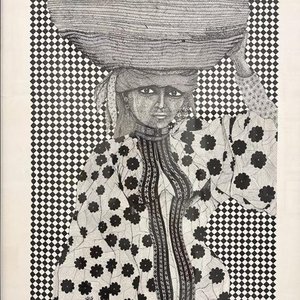
fuad al-futaih
1948 - 2018 , Yemen
Quick Facts
- Artistic Movement Or Style: Abstract Expressionism
- Date Of Birth: 1948
- Full Name: Peter Sculthorpe
- Nationality: Canadian
- Place Of Birth: Ontario, Canada

