 Preview
 Send
Send Share
Share
 Details

 Download
 Similars
 X-Ray
X-Ray Diaporama
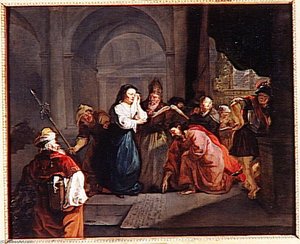
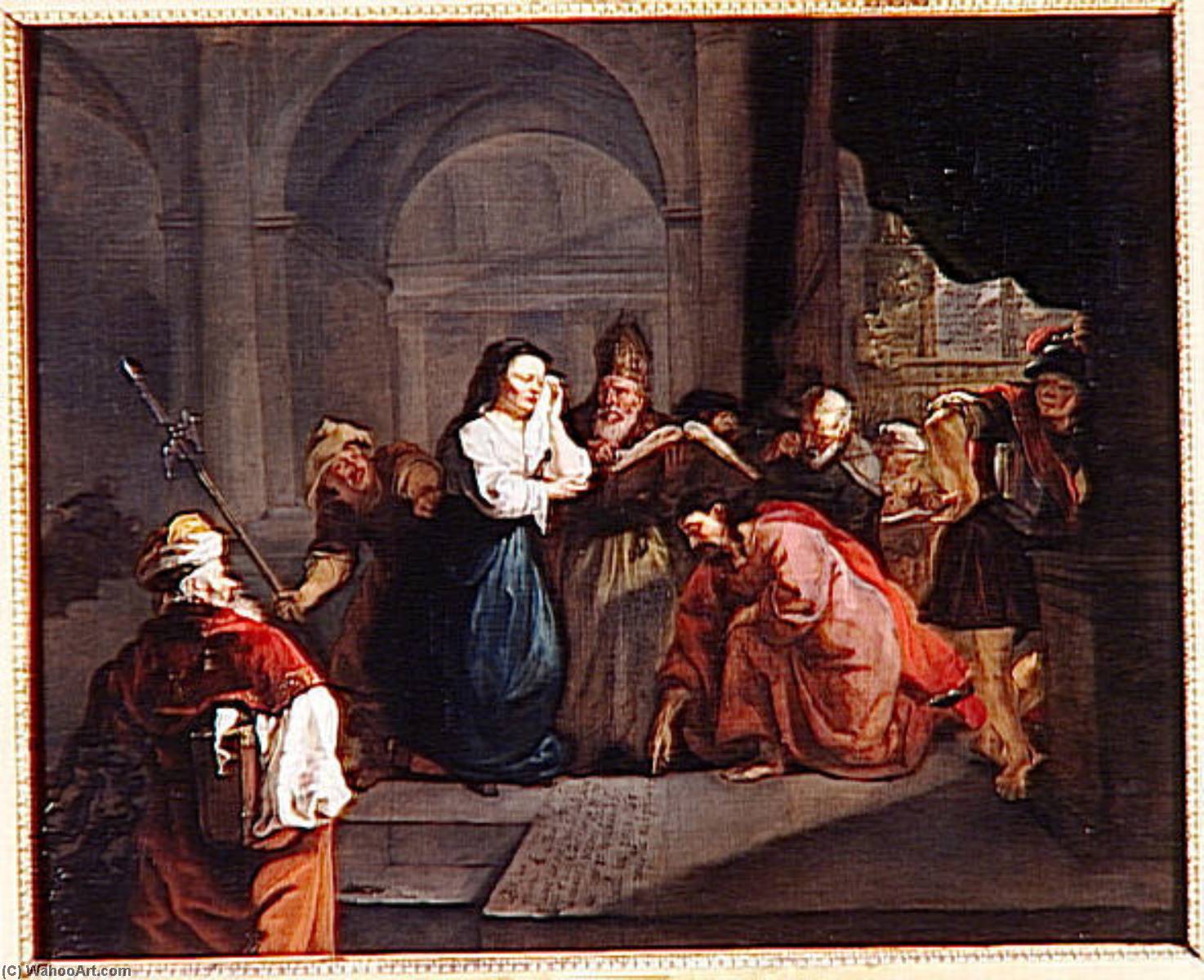
LE CHRIST ET LA FEMME ADULTERE


 Read More
Hand Made Oil Reproduction
Hand-painted oil on canvas in your size and frame, made to order by our artists. ( Buy Print Buy Image)




P118B $10

P118H $10

P118W $10

P438Z $10

P508JH $12

P508YH $12

P805H $10

P805Z $10

P919BZ $10

P919G $10

P919XJ $10

P959ZH $10

P968JZ $12

W106C $8

W218G $10

W218JH $8

W218Y $10

W307PJ $10

W316G $10

W316PJ $8

W316Y $10

W398PJ $8

W4111J $10

W500HY $15

W500JH $15

W692G $12

W849H $8

W940BG $15

W953PJ $8




Pick from our preset sizes that match the artwork's original proportions.

You may enter your own dimensions to fit a specific frame or space. If your selected size does not match the original image's proportions, we will either crop the artwork or extend the painting with additional hand-painted elements. A digital mockup will be sent for your approval before production begins.
Please note that the on-screen preview does not reflect the actual cropping or extension. Only the mockup will accurately show the final composition.
While custom sizes are available, we recommend selecting a dimension from the predefined list to preserve the original proportions.
After order, ArtsDot.com team will email client for instructions and provide a mockup preview
Worldwide Delivery () in 3/4 weeks instead of standard 5 weeks. (16 August). No compromise on quality.

Free Worldwide Express Shipping

High-Quality Linen Canvas

Full Shipping Insurance

Customs Tax Refund Guarantee

True Color Matching Guarantee

60-Day Return Policy (Defects Only)

100% Money-Back Guarantee

Bulk Discount Offer
 Glass option is only available in size under 110 CM

LE CHRIST ET LA FEMME ADULTERE
Reproduction Medium
Reproduction Size
-


Total Price
$ 463
Artwork Description
Le Christ et la Femme Adultere: A Dutch Golden Age Masterpiece
Gabriel Metsu’s “Le Christ et la Femme Adultere” – Christ and the Adulterous Woman – is not merely a depiction of a biblical scene; it's a profound meditation on forgiveness, judgment, and the complexities of human emotion rendered with the meticulous detail characteristic of the Dutch Golden Age. Painted around 1653-1654, during a period when Metsu was experimenting with domestic interiors and genre scenes, this work stands as a testament to his evolving artistic vision and his remarkable ability to infuse religious narratives with intimate realism. The painting’s power lies not just in its subject matter but also in the subtle gestures, expressions, and carefully constructed composition that invite viewers into a world of moral ambiguity and quiet contemplation.- The Scene Unfolds: Within a classically inspired architectural setting – an arched doorway framed by columns – Christ stands as a central figure, his posture radiating both authority and compassion. He gestures towards the woman accused of adultery, drawing attention to her plight while simultaneously suggesting a path toward understanding and mercy. The surrounding figures, a diverse group of men and women, react with a range of emotions: some express outrage and condemnation, others appear pensive or plead for leniency. This dynamic interplay creates a palpable sense of tension and moral debate within the scene.
- Metsu’s Signature Style: Metsu's distinctive style is immediately apparent in the painting’s meticulous detail and carefully observed realism. He eschewed the grand, theatrical compositions favored by some of his contemporaries, opting instead for a more intimate and psychologically nuanced approach. The figures are rendered with remarkable accuracy, paying close attention to their clothing, expressions, and body language. Notice, for example, the subtle wrinkles on Christ’s face, conveying both wisdom and empathy.
Symbolism and Narrative Depth
Beyond its biblical subject matter, “Le Christ et la Femme Adultere” is rich in symbolic meaning. The architectural setting itself – reminiscent of ancient Roman structures – serves as a visual metaphor for the enduring nature of moral dilemmas. Christ’s gesture, often interpreted as an act of forgiveness, represents his willingness to offer redemption and compassion even in the face of transgression. The diverse reactions of the crowd reflect the complexities of human judgment and the difficulty of reconciling divine law with human experience. The inclusion of a small dog, a common symbol of fidelity and loyalty, subtly reinforces the theme of betrayal and its consequences. The painting’s overall mood is one of restrained drama, inviting viewers to consider their own roles in the ongoing struggle between justice and mercy.- Color Palette: Metsu employs a muted color palette dominated by earthy tones – browns, ochres, and reds – creating a sense of solemnity and gravitas. The use of light is particularly effective, casting soft shadows that highlight key figures and adding depth to the composition.
- Compositional Techniques: Metsu masterfully utilizes perspective to create a sense of spatial depth, drawing the viewer’s eye into the scene and emphasizing the importance of Christ as the central figure. The arrangement of the figures is carefully orchestrated, creating a dynamic balance between action and contemplation.
Historical Context and Artistic Legacy
Painted in the heart of the Dutch Golden Age – a period renowned for its artistic innovation and cultural flourishing – “Le Christ et la Femme Adultere” reflects the era’s fascination with religious themes, moral dilemmas, and psychological realism. Gabriel Metsu was a highly eclectic artist, known for his diverse range of subjects and his willingness to experiment with different styles and techniques. While he often worked in the style of Rembrandt and Vermeer, he developed a unique artistic voice characterized by intimate detail, subtle emotion, and a profound understanding of human nature. His work is now recognized as a cornerstone of Dutch Golden Age painting, admired for its technical brilliance, emotional depth, and enduring relevance.Bringing “Le Christ et la Femme Adultere” into Your Space
Reproductions of "Le Christ et la Femme Adultere" offer a remarkable opportunity to bring this iconic masterpiece into your home or office. Whether you choose a high-quality canvas print, a framed fine art reproduction, or even an image printed on a durable metal panel, you’ll be able to appreciate the painting's intricate details and emotional power in stunning clarity. Consider pairing it with complementary colors and furnishings to create a space that reflects your personal style while honoring the artistic legacy of Gabriel Metsu. Explore our selection of high-resolution reproductions today and discover how this timeless work can enrich your surroundings.Related Artworks
Artist Biography
**a life of artistic exploration**
gabriël metsu, a dutch painter from the netherlands, lived a life marked by artistic exploration and innovation. born in 1629, metsu's work embodied the spirit of the dutch golden age, a period renowned for its prolific artistic output. this biography delves into the life and works of this enigmatic figure, whose contributions to the art world continue to fascinate.**early life and influences**
metsu was born in 1629, the son of jacques metsu, a tapestry worker and painter originally from hainault. this eclectic background likely influenced gabriel's early interest in diverse artistic techniques. the family's move to leiden, where metsu grew up, exposed him to various cultural influences.**artistic career**
metsu's career was marked by an adherence to no single style or technique, earning him the title of "a highly eclectic artist." his work spanned history paintings, still lifes, portraits, and genre works. notably, only 14 of his 133 works are dated, leaving much to be discovered about his creative process.- rembrandt van rijn's influence on metsu's early work is evident, particularly in his use of light and color.
- metsu's move to amsterdam in 1655 marked a significant shift in his style, with more emphasis on domestic interiors and genre scenes.
- his training of michiel van musscher and joost van geel reflects his commitment to the artistic community.
**notable works and legacy**
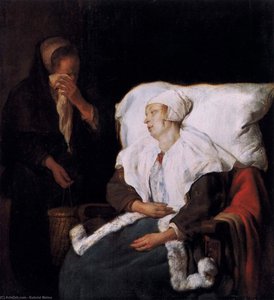
metsu's paintings often featured young women, market scenes, and old people, drawing from popular emblems. a notable example is the poultry seller, which showcases his use of symbolism. key works:- the sick child (c. 1664), reflecting metsu's admiration for vermeer's work.
- portrait of the family hinlopen, a masterpiece that blends genre and portrait painting.
**museums and collections**
metsu's works can be found in various museums, including the rijksmuseum in amsterdam. for more information on his art and to explore other dutch golden age painters, visit /en/art/show/art-d3c627-en/ for a comprehensive overview. **conclusion:** gabriel metsu's life and art are a testament to the innovative spirit of the dutch golden age. his eclectic style, though sometimes enigmatic, has left an indelible mark on the world of art. as we continue to uncover more about his life and works, we are reminded of the profound impact he had on the development of western art.- for a deeper understanding of the dutch golden age, refer to [https://en.wikipedia.org/wiki/dutch_golden_age_painting](https://en.wikipedia.org/wiki/dutch_golden_age_painting).
- explore more of metsu's works and those of his contemporaries at [https://ArtsDot.com/@/gabriel-metsu](https://ArtsDot.com/@/gabriel-metsu).
**references:**
- the house of orange-nassau historic collection trust (the hague, netherlands), [https://ArtsDot.com/@@/a@d3ccx5](https://ArtsDot.com/@@/a@d3ccx5).
- van gogh museum (netherlands) - a haven for art lovers, [https://ArtsDot.com/@@/a@d3c8x3](https://ArtsDot.com/@@/a@d3c8x3).
- dutch golden age painting, [https://en.wikipedia.org/wiki/dutch_golden_age_painting](https://en.wikipedia.org/wiki/dutch_golden_age_painting).
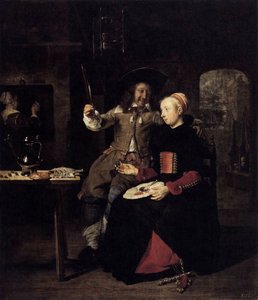
Gabriel Metsu
1629 - 1667 , Netherlands
Quick Facts
- Artistic Movement Or Style: Dutch Golden Age painting
- Artists Or Movements Influenced By This Artist:
- Michiel van Musscher
- Joost van Geel
- Artists Who Influenced This Artist:
- Rembrandt van Rijn
- Johannes Vermeer
- Date Of Birth: 1629
- Date Of Death: 1667
- Full Name: Gabriel Metsu
- Nationality: Dutch
- Notable Artworks:
- The Sick Child
- Poultry Seller
- Portrait of the Hinlopen Family
- Place Of Birth: Leiden, Netherlands
Related Articles
Dante Gabriel Rossetti's 25 Masterpieces: A Journey Through Victorian Art & Symbolism | ArtsDot
Explore 25 iconic artworks by Dante Gabriel Rossetti, a leading Pre-Raphaelite artist. Discover the stories behind masterpieces like 'Proserpine' & 'Beata Beatrix'. Find museum-quality art reproductions and elevate your home decor with ArtsDot.com.
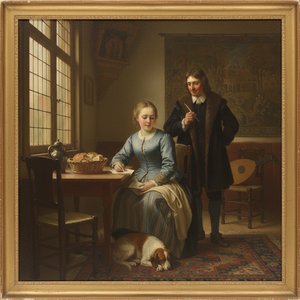
Gabriel Metsu: Illuminating Dutch Daily Life with Exquisite Detail
Explore the captivating world of Gabriel Metsu, a leading Dutch Golden Age painter. Discover his exquisite genre scenes, masterful realism, and insightful social commentary. Learn about key works & his lasting legacy.

Illuminating Innovation: Exploring the Dutch Golden Age of Painting
Explore the Dutch Golden Age of painting with ArtsDot. Discover Rembrandt, Vermeer & other Masters. Learn about key characteristics, iconic artworks, and lasting influence. Expert insights for collectors & enthusiasts.
Masterpieces of the 17th Century: Art, History & Decor Inspiration | ArtsDot
Journey through 17th century art with masterpieces by Rembrandt, Vermeer & Caravaggio. Explore Baroque paintings, Dutch Golden Age techniques & timeless beauty. Find museum-quality reproductions and elevate your home decor on ArtsDot.com.

Dutch Baroque Masters: 10 Paintings That Shaped an Era | ArtsDot
Journey through the Golden Age with our guide to the Top 10 Dutch Baroque masterpieces! Explore iconic paintings by Rembrandt, Vermeer & Frans Hals. Find museum-quality art reproductions and elevate your home decor at ArtsDot.com.