

 Preview
 Send
Send Share
Share
 Details

 Download
 Similars
 X-Ray
X-Ray Diaporama
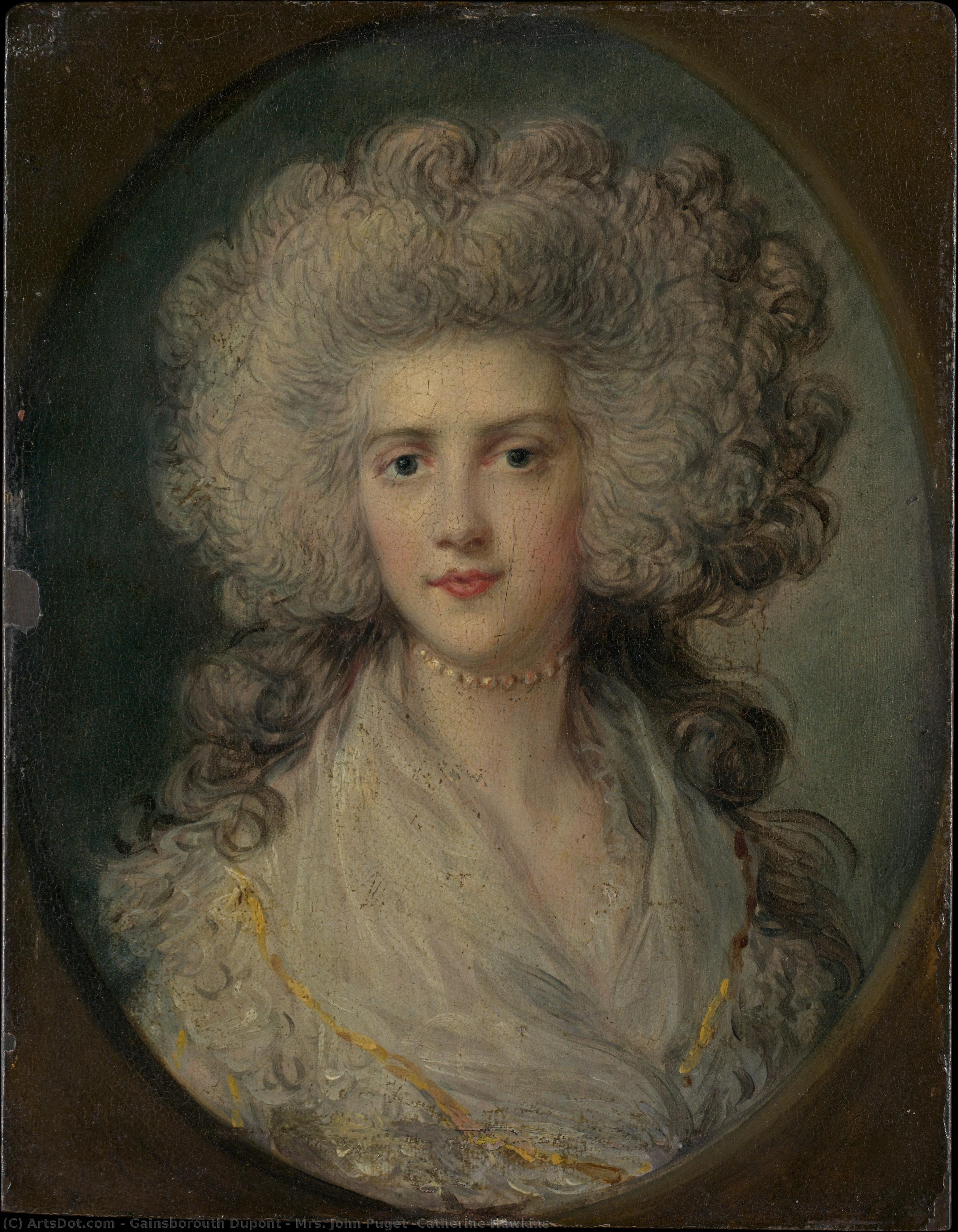
Mrs. John Puget (Catherine Hawkins)
 15.0 x 12.0 cm
 Read More
Purchase a high-resolution, enhanced digital image, far superior to the online preview.
Each file is meticulously prepared by our in-house specialists using advanced tools and expert manual retouching. We ensure every image has exceptional clarity, precise color accuracy, and fine detail.
The final file is delivered via email within 72 hours, optimized for immediate use in professional, editorial, and print environments. This is the same quality trusted by top-tier design studios, publishers, and galleries.
Digital Image
Download a high-resolution file for personal display, printing, and creative projects. ( Buy Print Buy Hand Made Painting)
Included in Every Digital Image Order
Expert Digital Delivery, Guaranteed
When you choose ArtsDot.com, you're not just getting an image - you're receiving a professionally enhanced digital artwork, crafted with precision and backed by a satisfaction guarantee. Here's everything that comes with your order, automatically:

Fast Email Delivery
Your high-resolution digital image file will be emailed to you within 72 hours of ordering - ready for immediate use.

AI-Enhanced Digital File
Your artwork is professionally optimized using advanced AI tools and manual editing, ensuring maximum detail, clarity, and color accuracy.

Free Lifetime Re-Delivery
Accidentally deleted or lost your file? No worries - we'll resend it to you anytime, free of charge.

No Import Fees - Ever
Enjoy your artwork instantly with zero customs, duties, or delivery fees - digital downloads are always tax-free.

Color Accuracy Guarantee
We ensure your digital image reflects the original colors as closely as possible using professional tools and color management.

60-Day Satisfaction Guarantee
If you're not satisfied with your digital image, we'll revise it or refund 100% within 60 days - no questions asked.

100% Money-Back Guarantee
Not satisfied? Get a full refund within 60 days of receiving your digital file - no questions asked.

Bulk Order Discounts
Buy 3 images, save 10% - Buy 5, save 15% - Buy 10+, save 20%. Great for creative projects, galleries, and agencies.
Related Artworks




Artist Biography
The Enigmatic Vision of Agnes Martin
Agnes Martin, a name synonymous with subtle power and quietude in the realm of abstract art, remains an elusive figure despite her profound impact on 20th-century painting. Born in Macklin, Saskatchewan, Canada, in 1912, her early life was marked by a nomadic existence shaped by the vastness of the prairies and a complex relationship with her mother. This sense of isolation and yearning for connection would become deeply embedded within her artistic practice. Martin’s path to becoming a painter wasn't direct; she initially pursued education, earning a Bachelor of Arts degree from Columbia University in 1939, followed by a teaching certificate. However, the rigid structures of academia failed to contain her burgeoning creative spirit. A pivotal moment arrived when she moved to New Mexico in the late 1940s, immersing herself in the landscape and beginning serious study at the University of Santa Fe. This period saw her experimenting with various styles, including representational painting before ultimately gravitating towards abstraction. The influence of Eastern philosophy, particularly Zen Buddhism, began to take root during this time, shaping her aesthetic principles and guiding her toward a reductionist approach that prioritized inner experience over external representation.From Early Experimentation to the Grid
Martin’s early work in the 1950s demonstrated a restless exploration of form and color. She moved to New York City in 1957, becoming involved with the burgeoning abstract expressionist movement. While she shared the era's emphasis on subjective experience, Martin quickly diverged from its gestural intensity. Her paintings began to move away from the dramatic brushwork of artists like Jackson Pollock and Mark Rothko, instead embracing a delicate linearity and muted palette. By the early 1960s, she had developed her signature style: pale, almost monochromatic canvases divided into subtle grids. These weren’t rigid structures imposed upon the surface but rather softly drawn lines that seemed to float and breathe. The grid became a vehicle for expressing an inner state of calm and transcendence. She famously described her work not as abstract art, but as “about feelings,” seeking to evoke emotional responses through minimal means. This period also saw Martin’s increasing rejection of the commercial art world; she deliberately avoided self-promotion and resisted categorization, preferring to let her paintings speak for themselves.The Desert Years and a Refined Aesthetic
In 1967, at the height of her career, Martin made a radical decision: she abandoned New York City and embarked on a solitary journey across the American West, eventually settling in Taos, New Mexico, and later in Galisteo, New Mexico. This move was not merely a change of location but a fundamental shift in her lifestyle and artistic practice. Living a reclusive existence, Martin dedicated herself entirely to painting, refining her aesthetic principles and deepening her connection to the natural world. The desert landscape—its vastness, silence, and subtle gradations of color—became an integral part of her work. Her paintings from this period are characterized by even greater subtlety and restraint. The grids became lighter, more ethereal, almost dissolving into the canvas itself. She often worked on large-scale canvases, creating immersive environments that invited contemplation and introspection. Martin’s commitment to simplicity extended beyond her painting; she lived a minimalist lifestyle, embracing self-sufficiency and rejecting material possessions.Legacy and Historical Significance
Agnes Martin's influence on subsequent generations of artists is undeniable. Her work challenged the prevailing notions of abstract expressionism, paving the way for minimalism and post-minimalist art. She demonstrated that abstraction could be deeply emotional and spiritual without resorting to grand gestures or overt symbolism.- Her emphasis on subtlety and restraint resonated with artists seeking an alternative to the bombast of the postwar era.
- She inspired a renewed appreciation for the power of line, color, and form as independent elements of artistic expression.
- Martin’s commitment to inner experience and her rejection of commercialism offered a powerful critique of the art world's values.


